Primary Developer
Alli Swyt
Original Concept, Research & Narrative, Lead Programming,
Systems Architecture, & Full Game Implementation
Secondary Collaborator
Stephen Neill: wire puzzle design; initial menu/button frameworks and color theme; initial map logic; save system setup.
Production & Talent
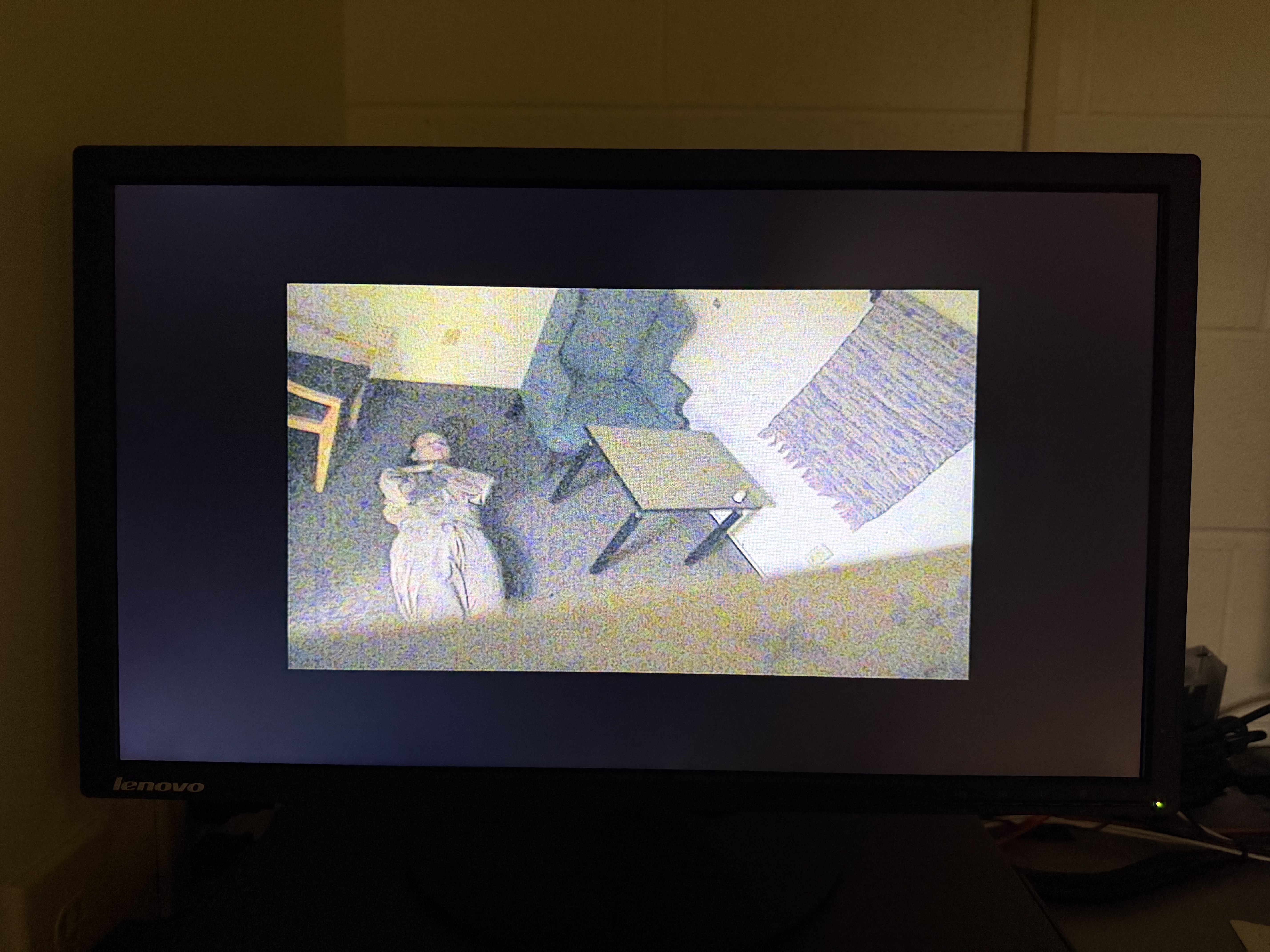
Avelina Axonov: Featured Actor (She's the "Ghost")
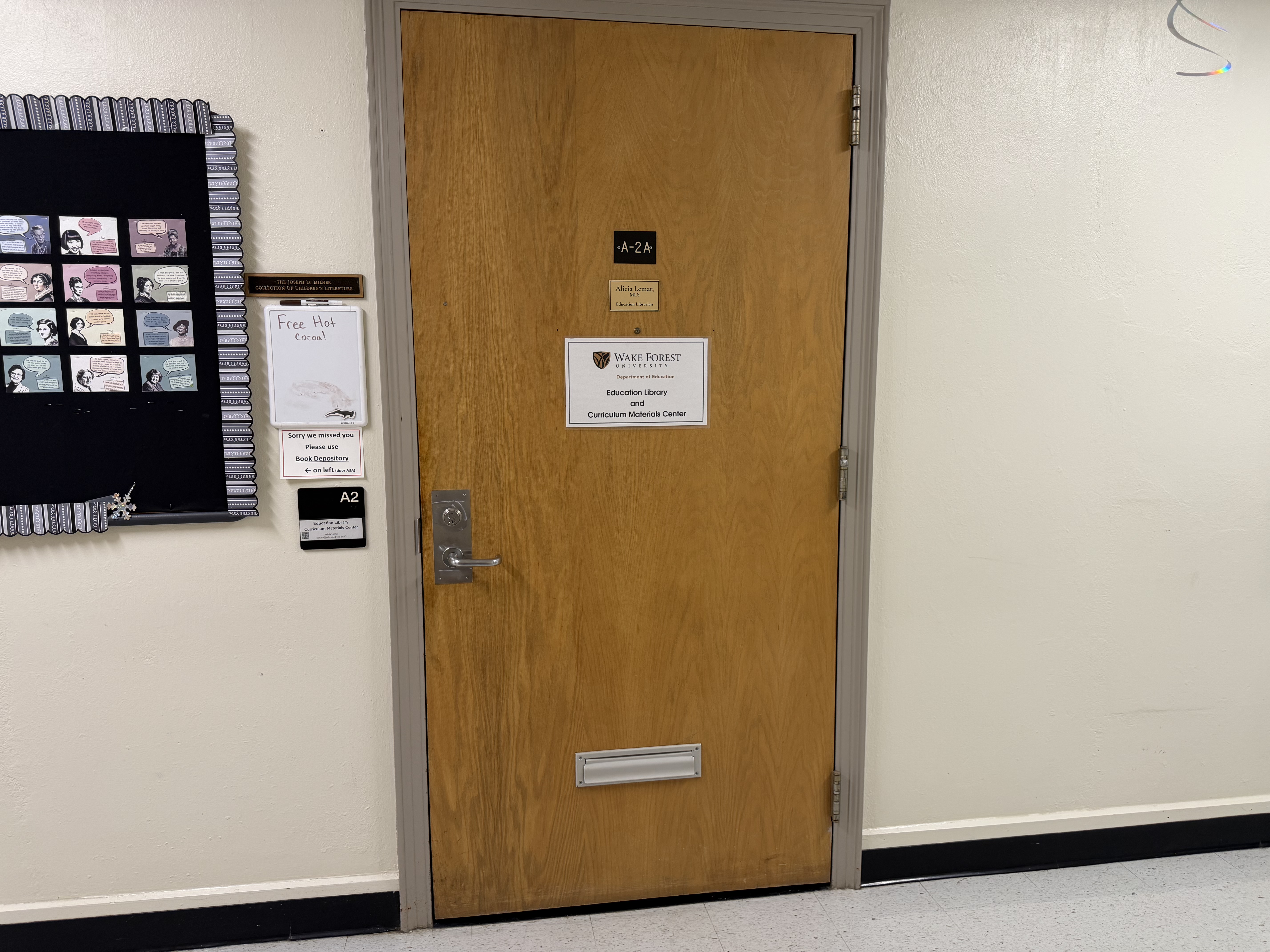
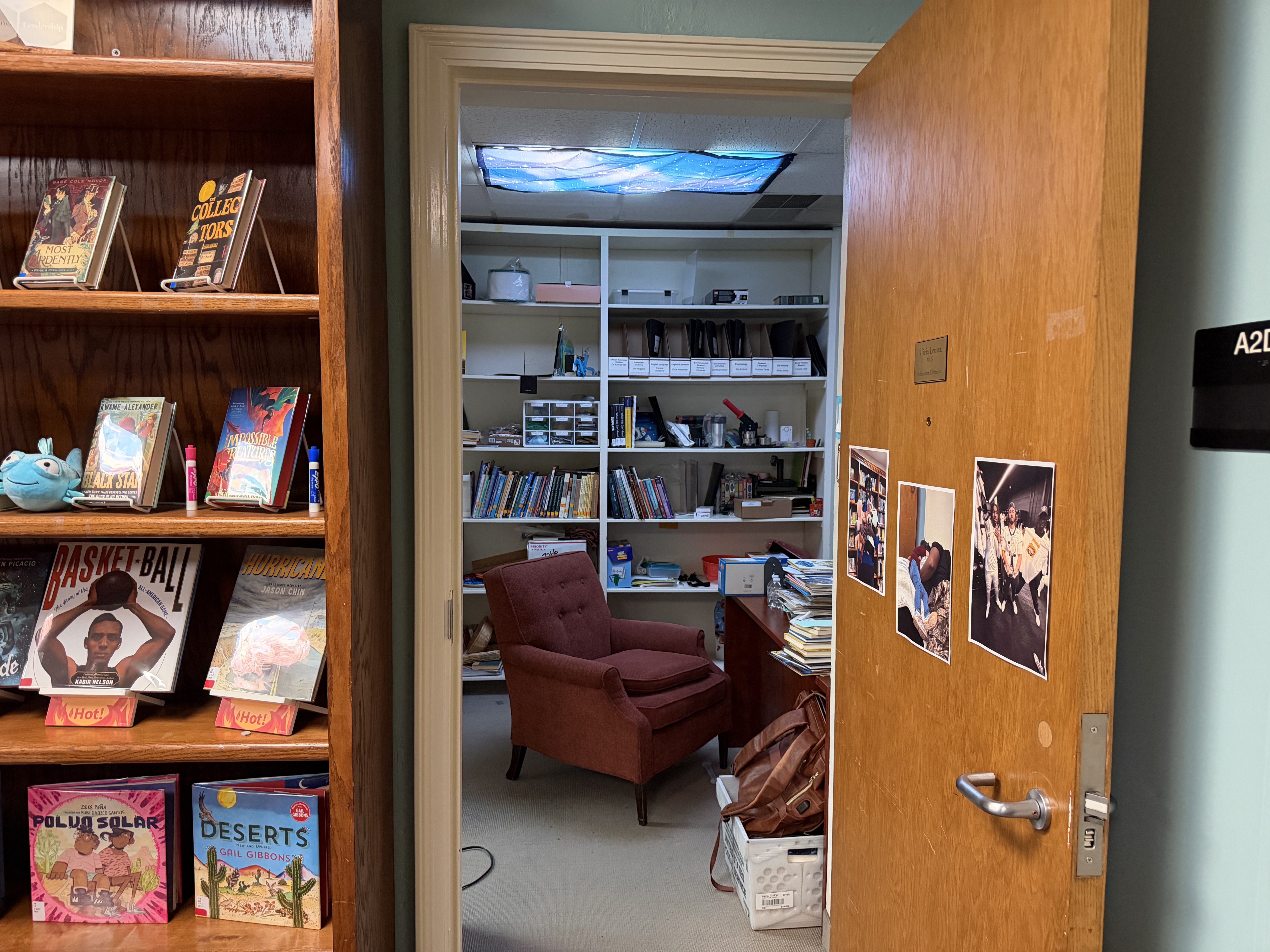
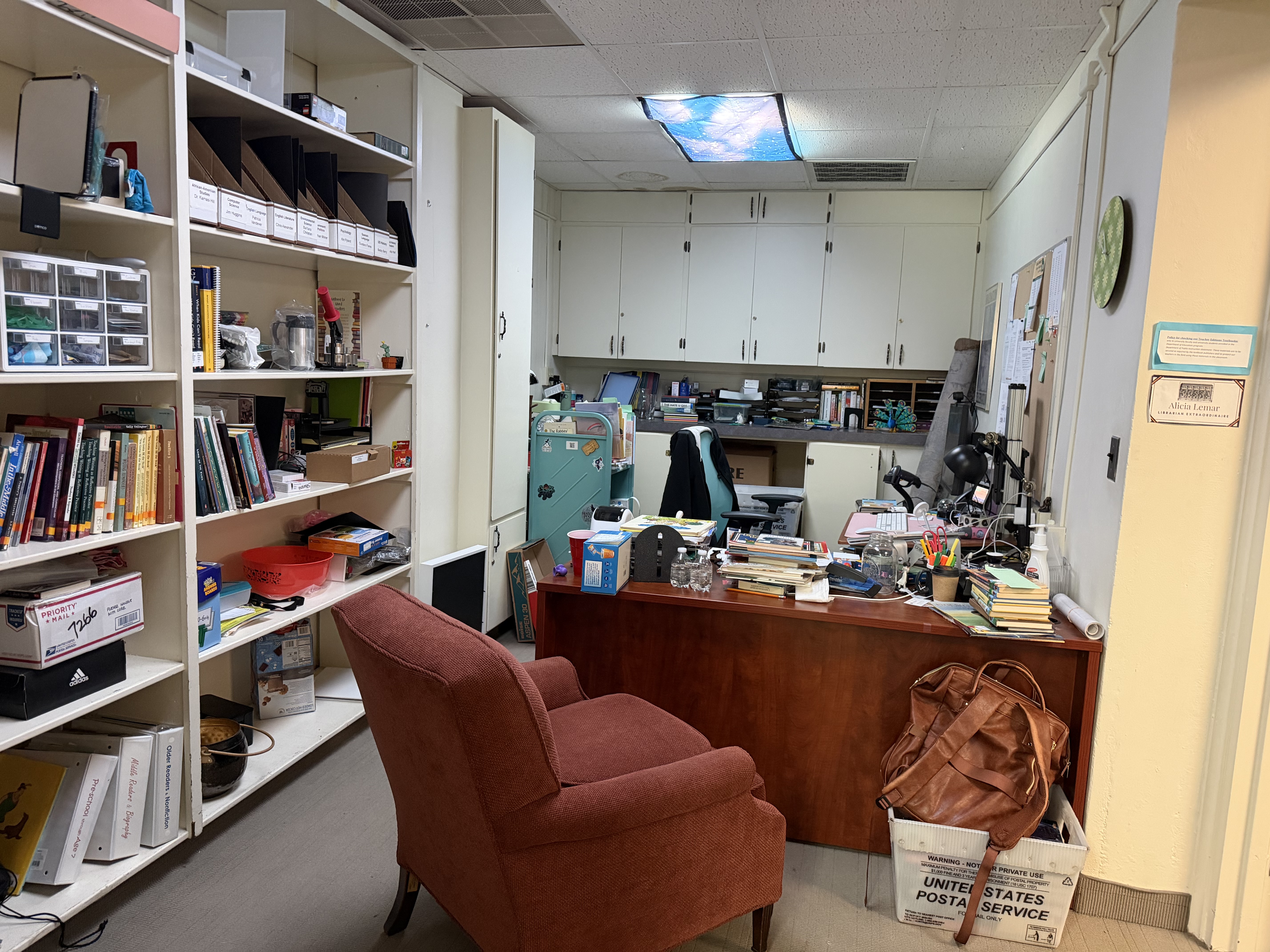
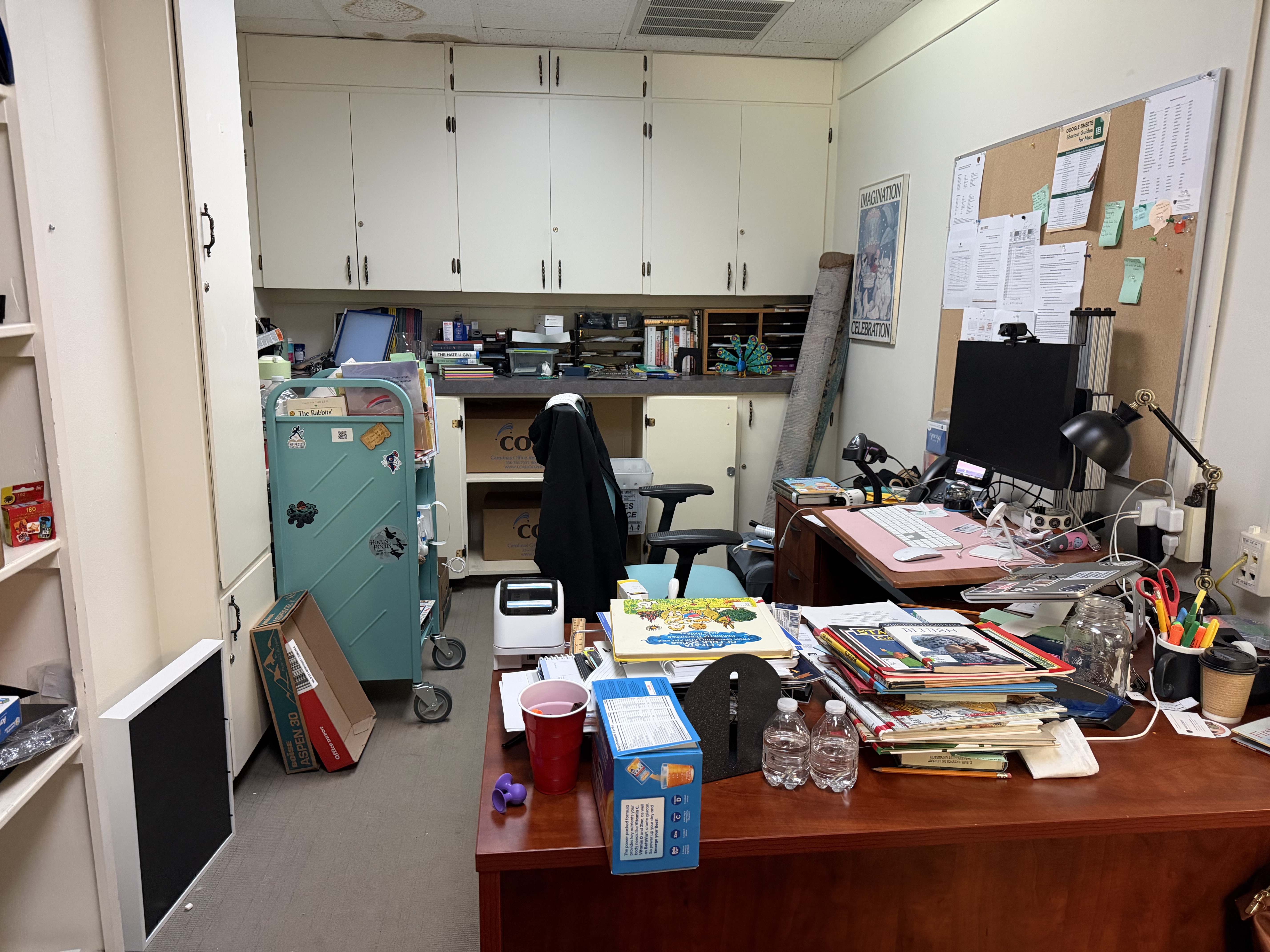
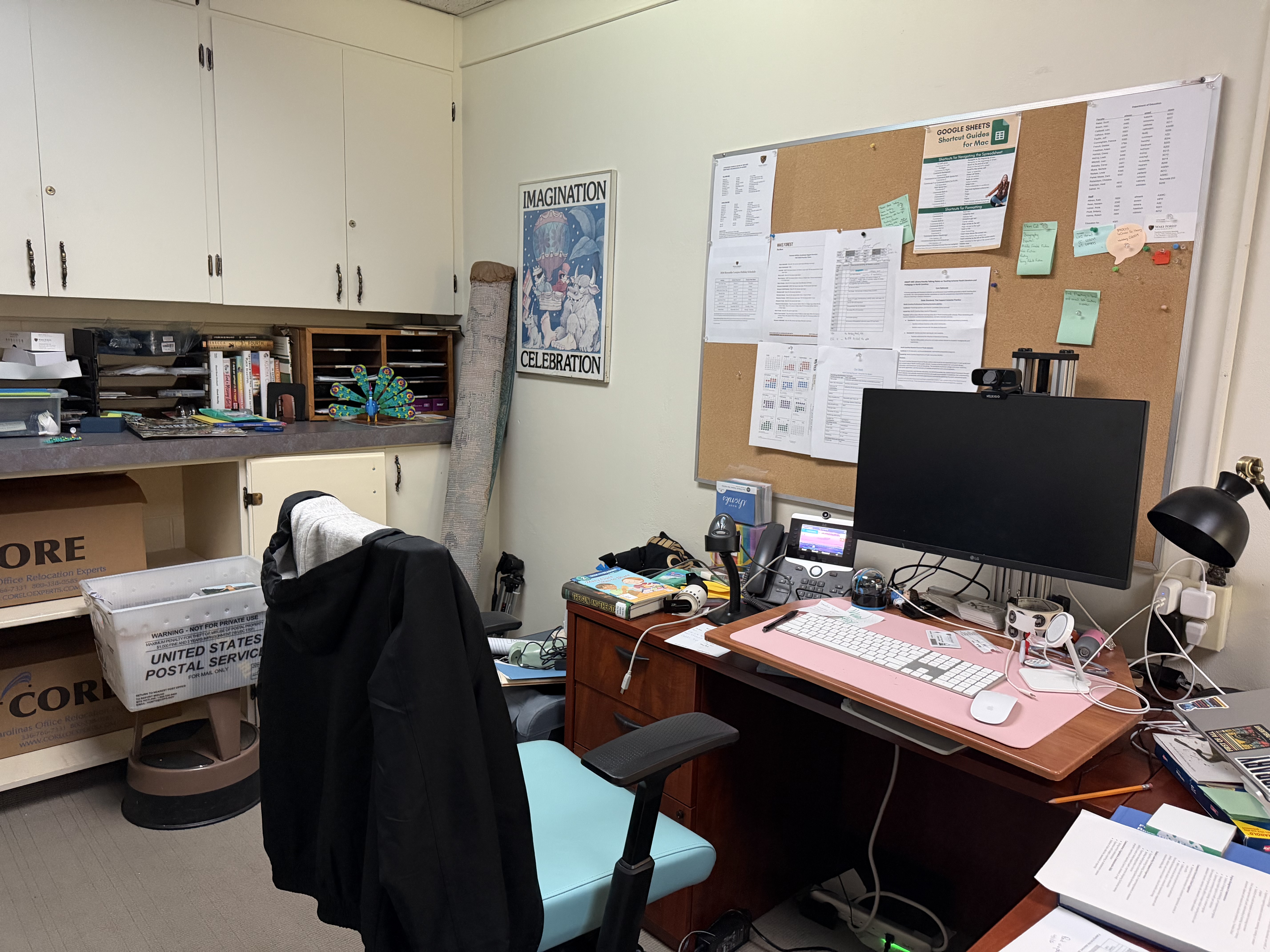
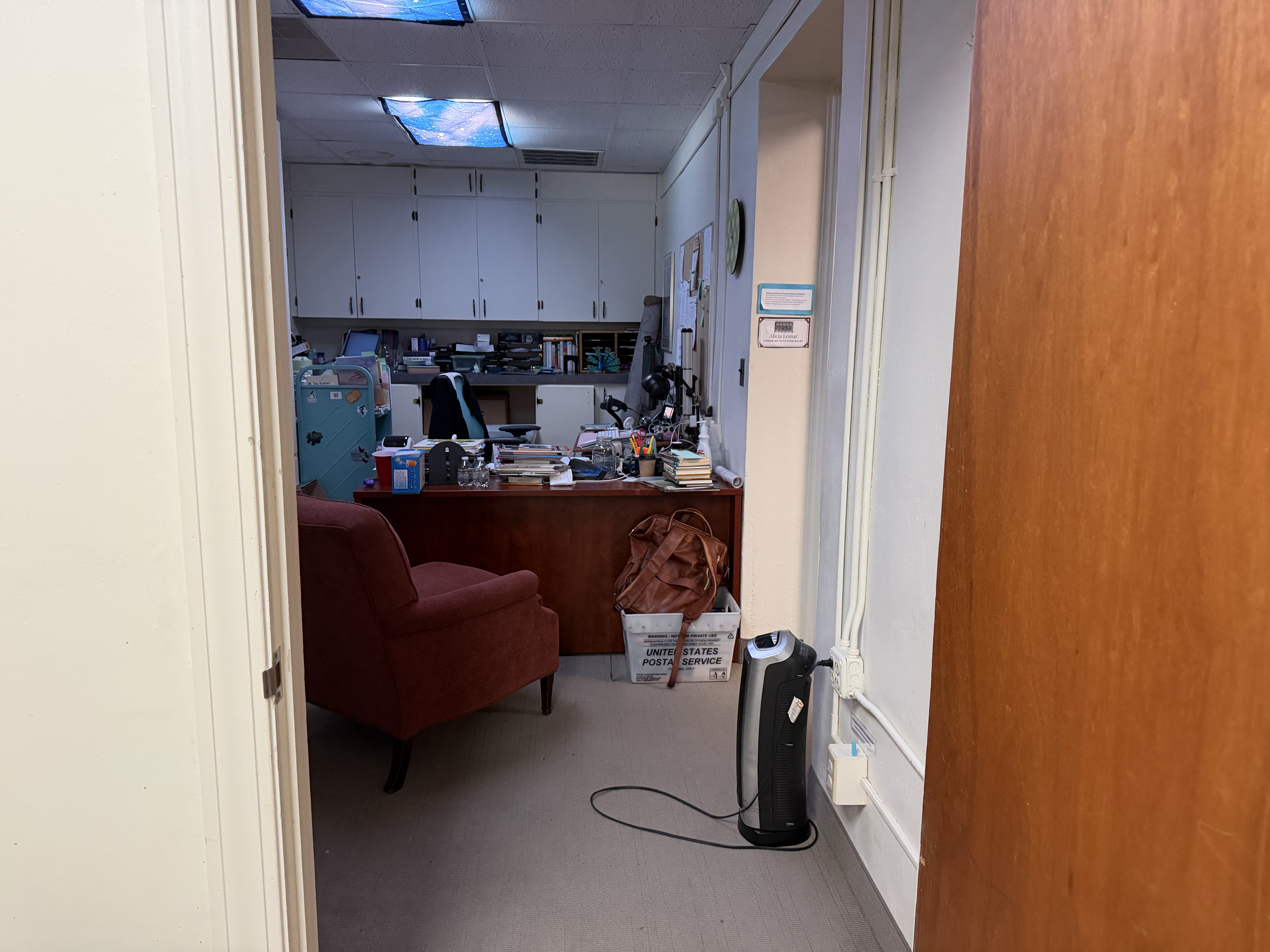
Alicia Lemar: Production Support & Location Access
Special Thanks
To everyone who supported the research and development of this project.
Fun Facts
from Alli Swyt
Development secrets and Tribble's history
More on Tribble’s history: Real or Rumor ?
What is Tribble Hall ?
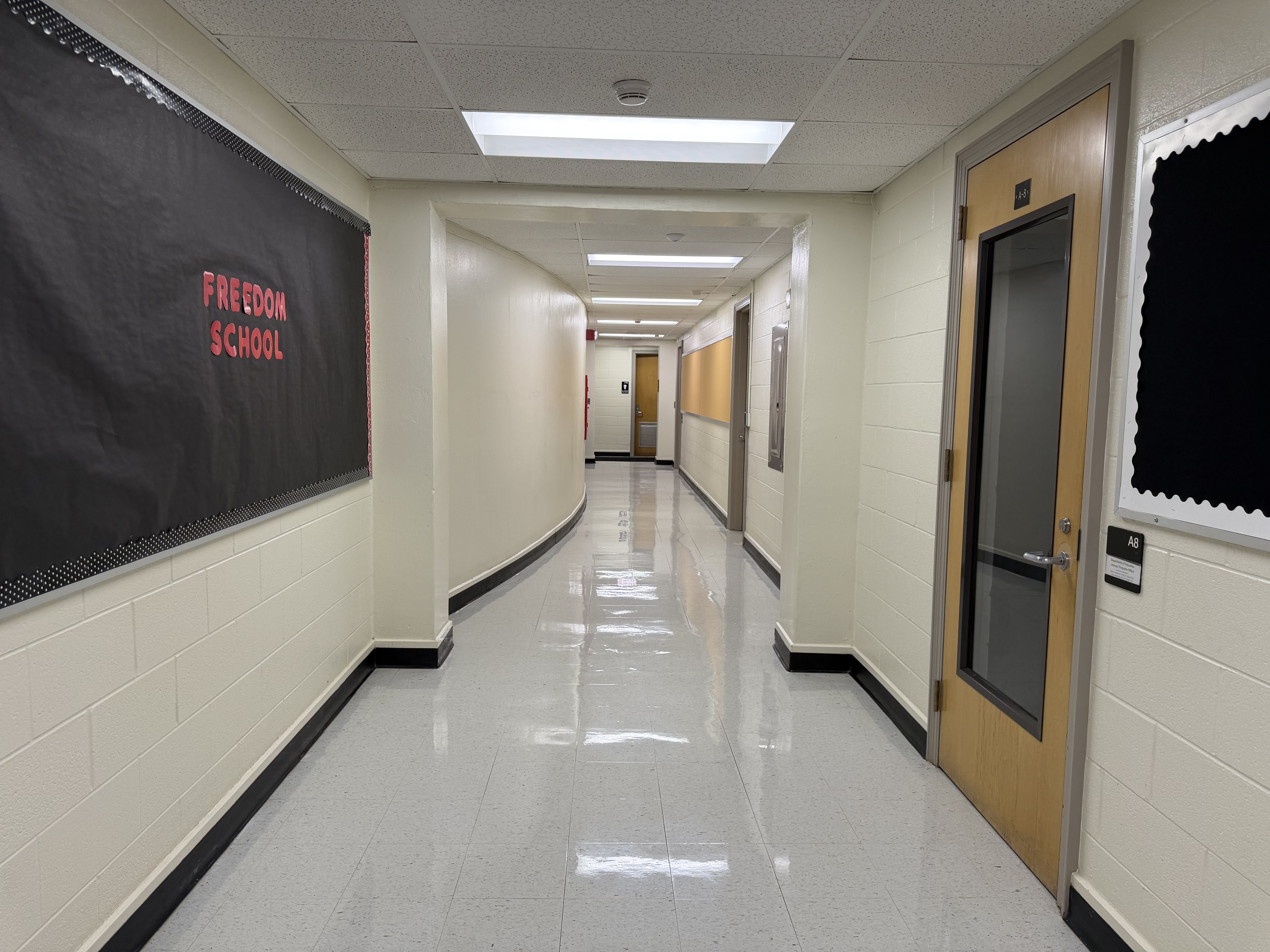
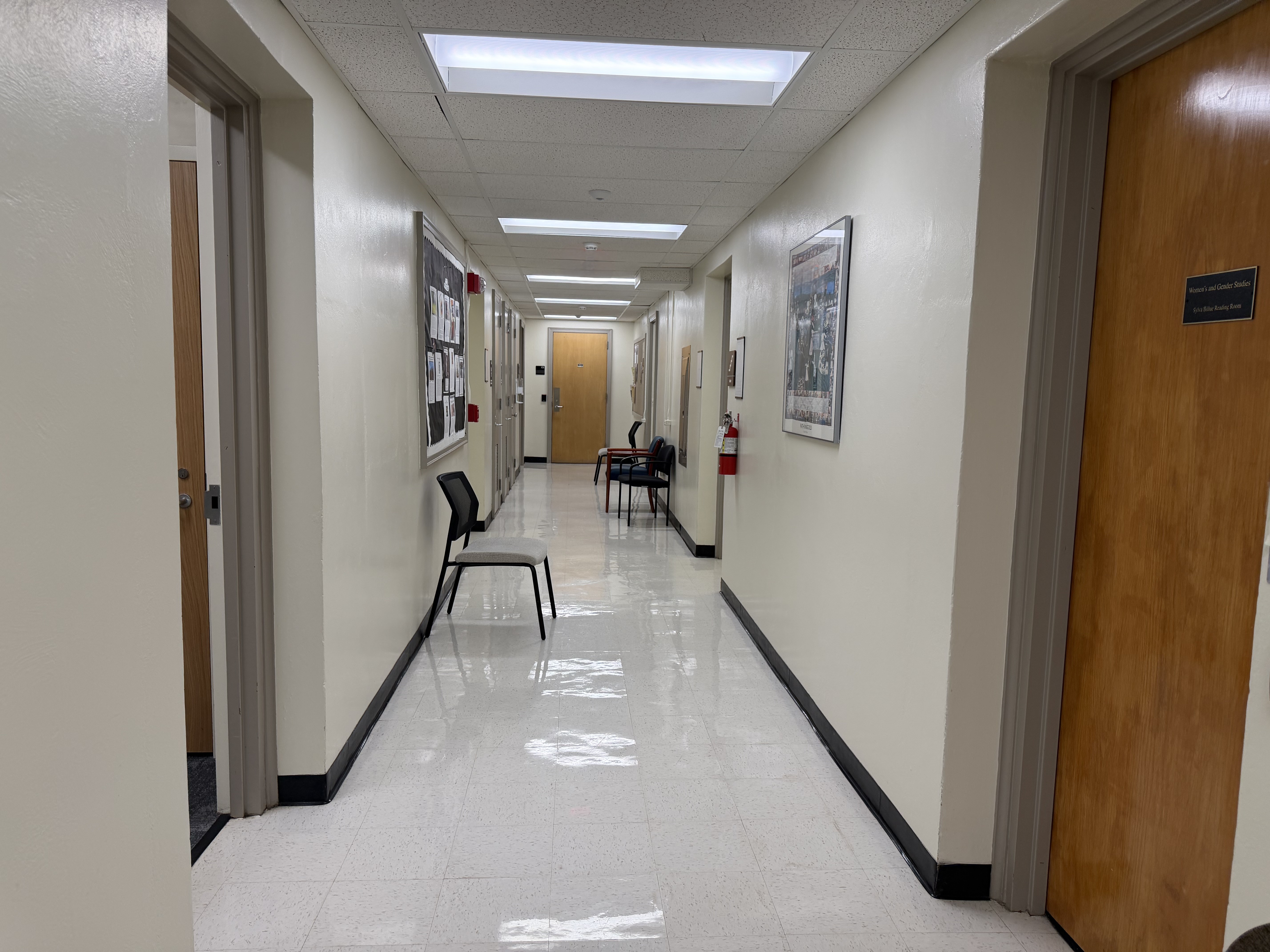
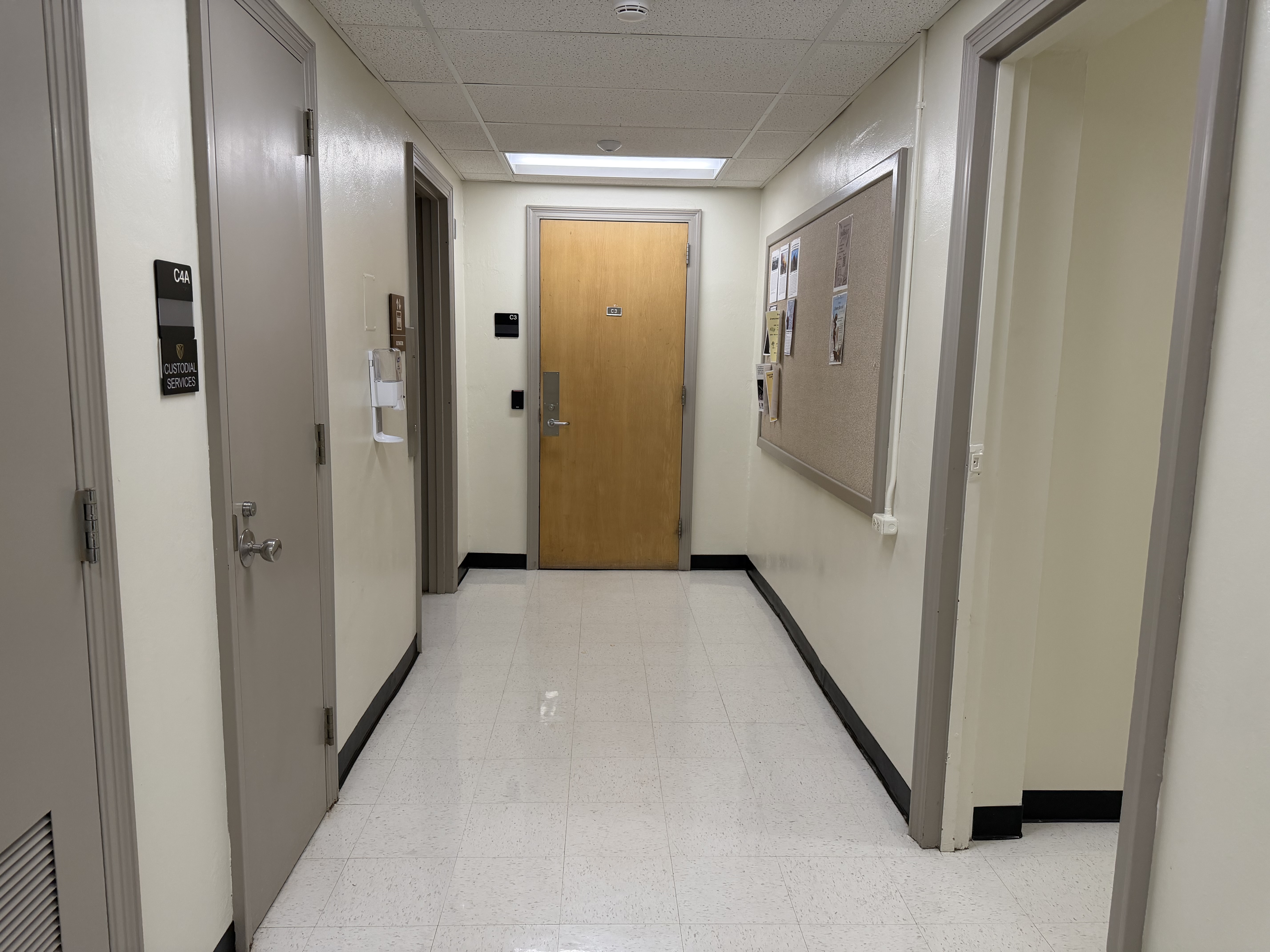
Tribble Hall is one of the oldest academic buildings on Wake Forest University's Winston Salem campus. It was completed in 1963, and in 2026 is home to many humanities departments, including philosophy, history, english, etc.
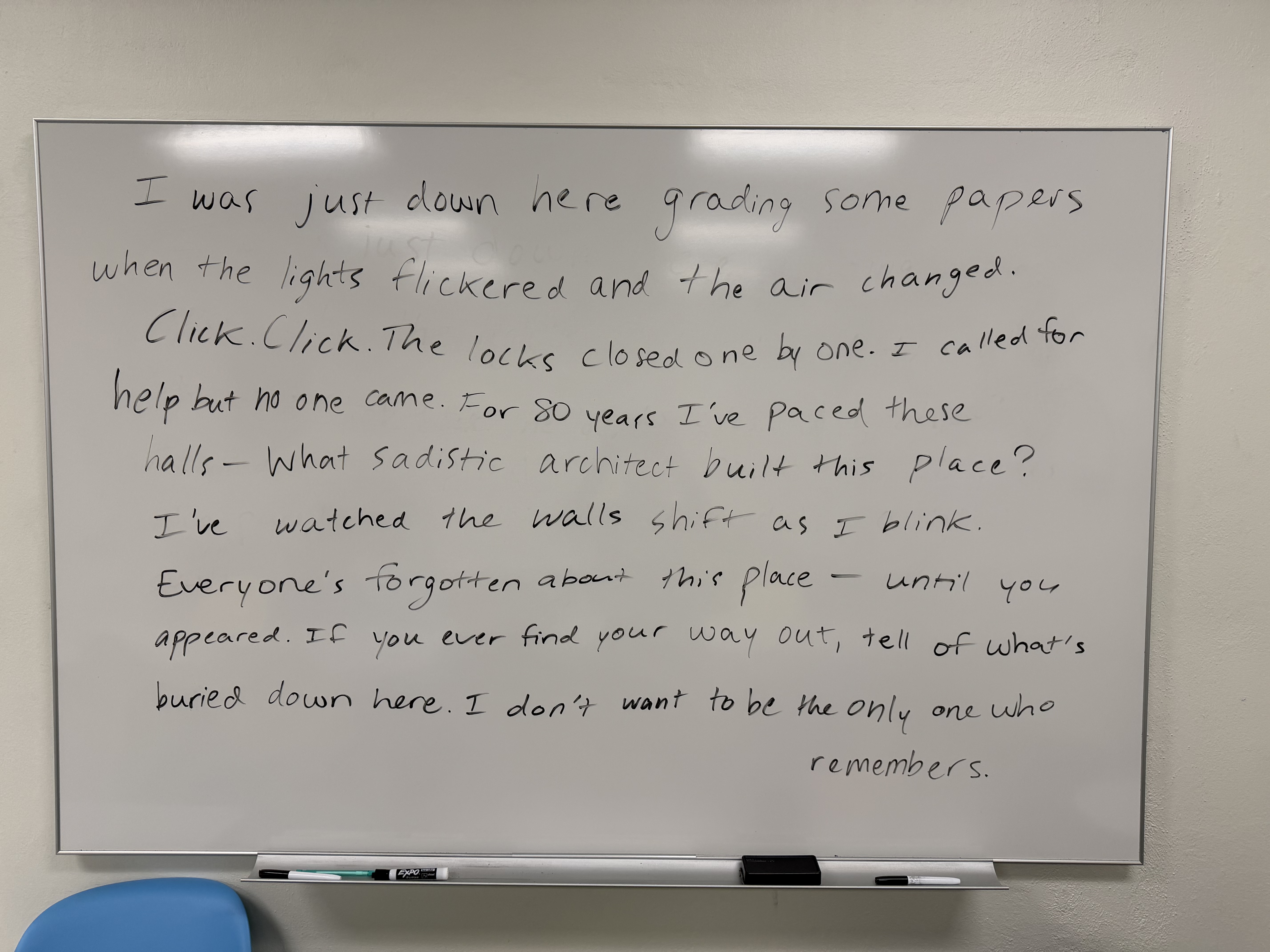
Since it's initial construction, it has widely become known to WFU students as the most confusing building on campus. One professor even stated that she believed that the hall was designed by a "sadistic architect" who intended the building's maze-like hallways to "show wfu students that they aren't as smart as they think they are."
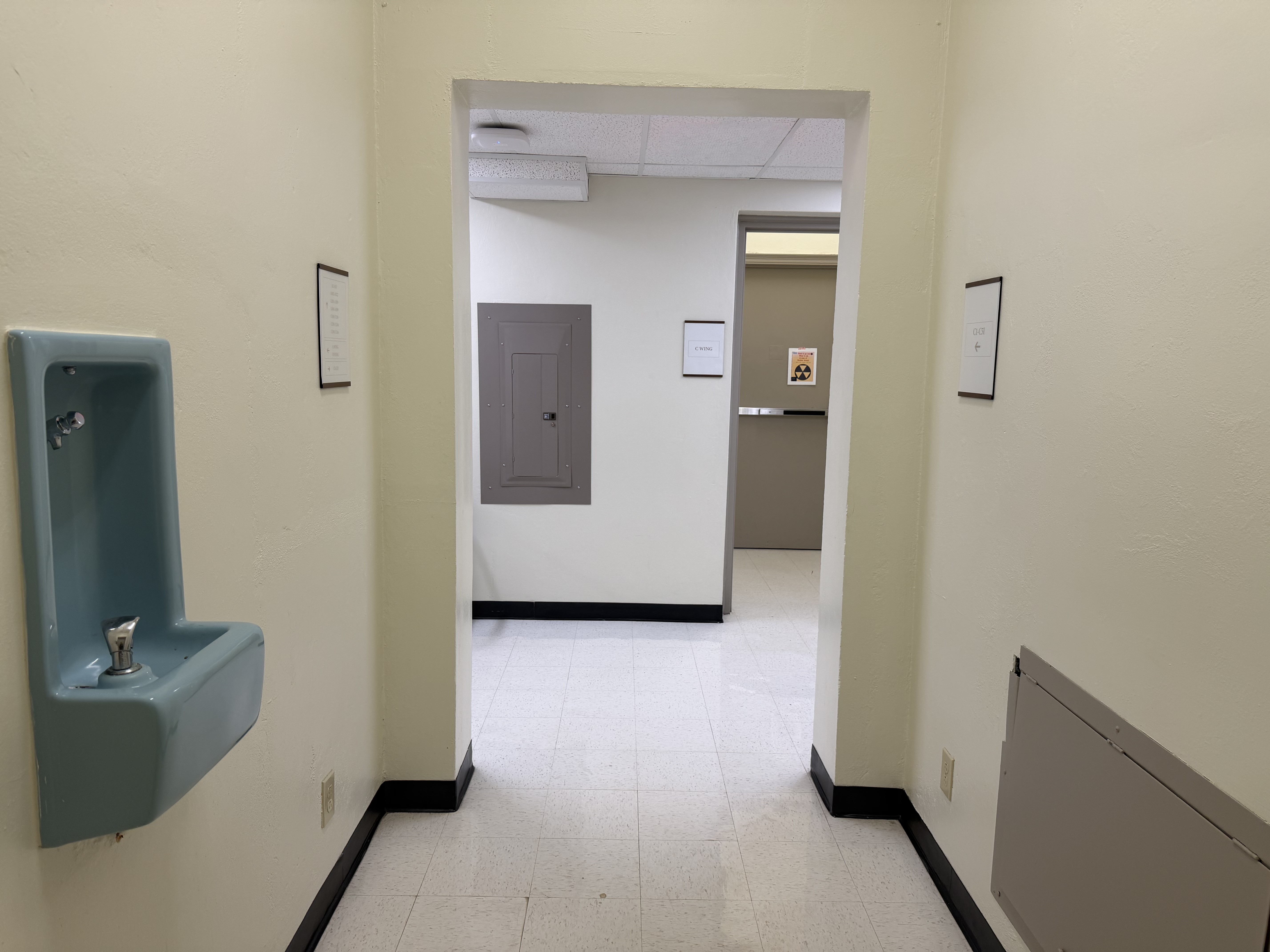
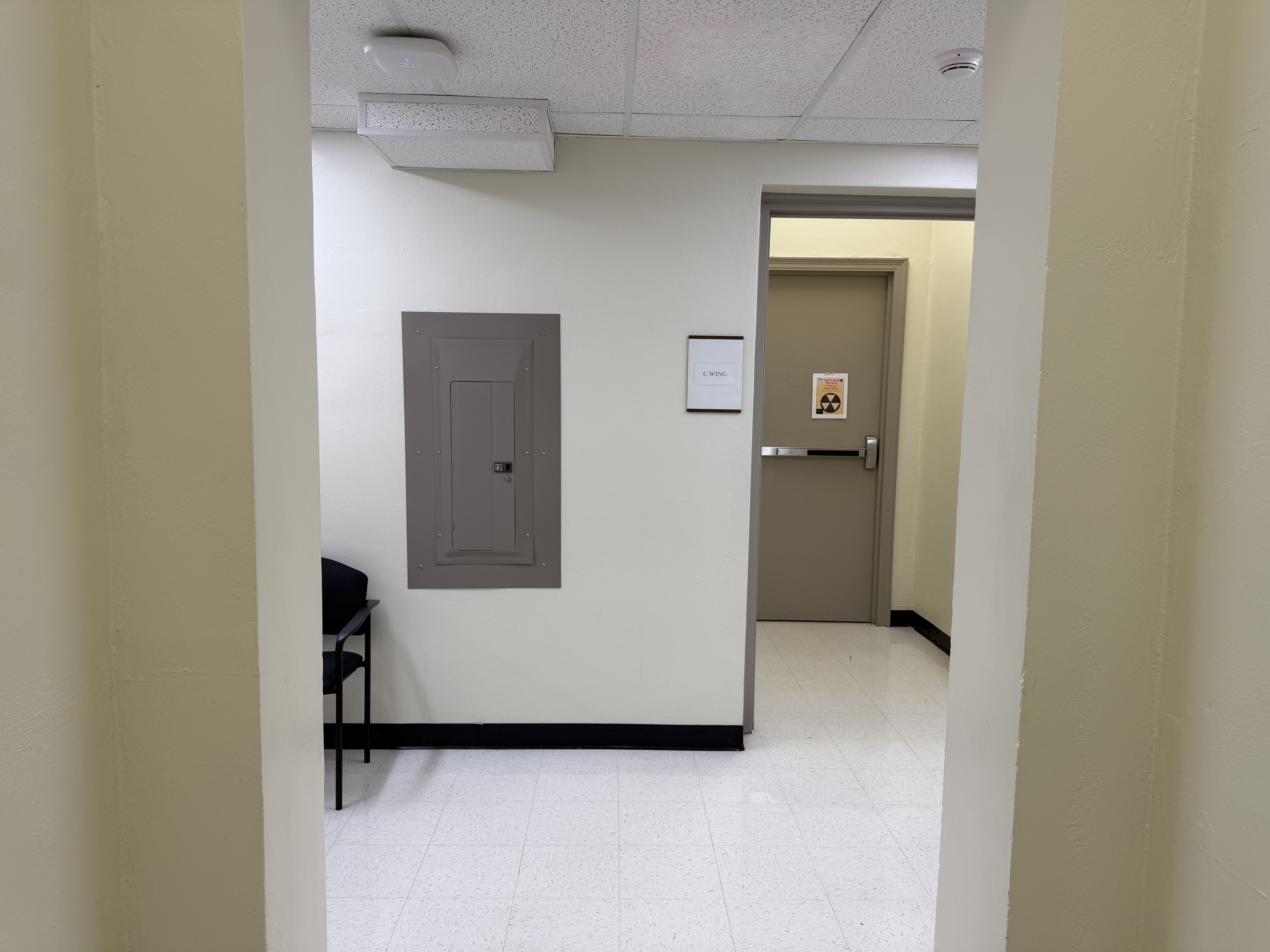
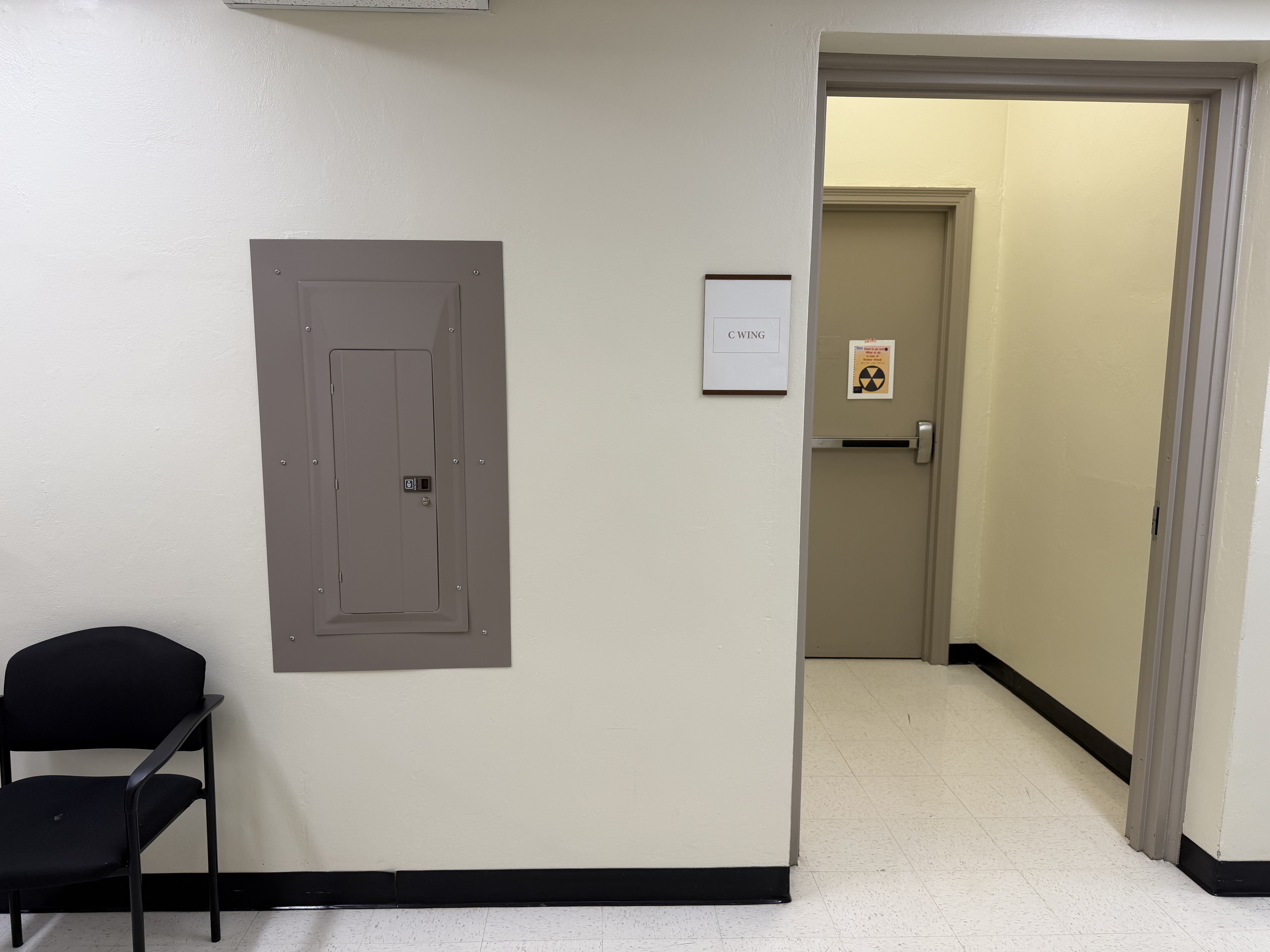
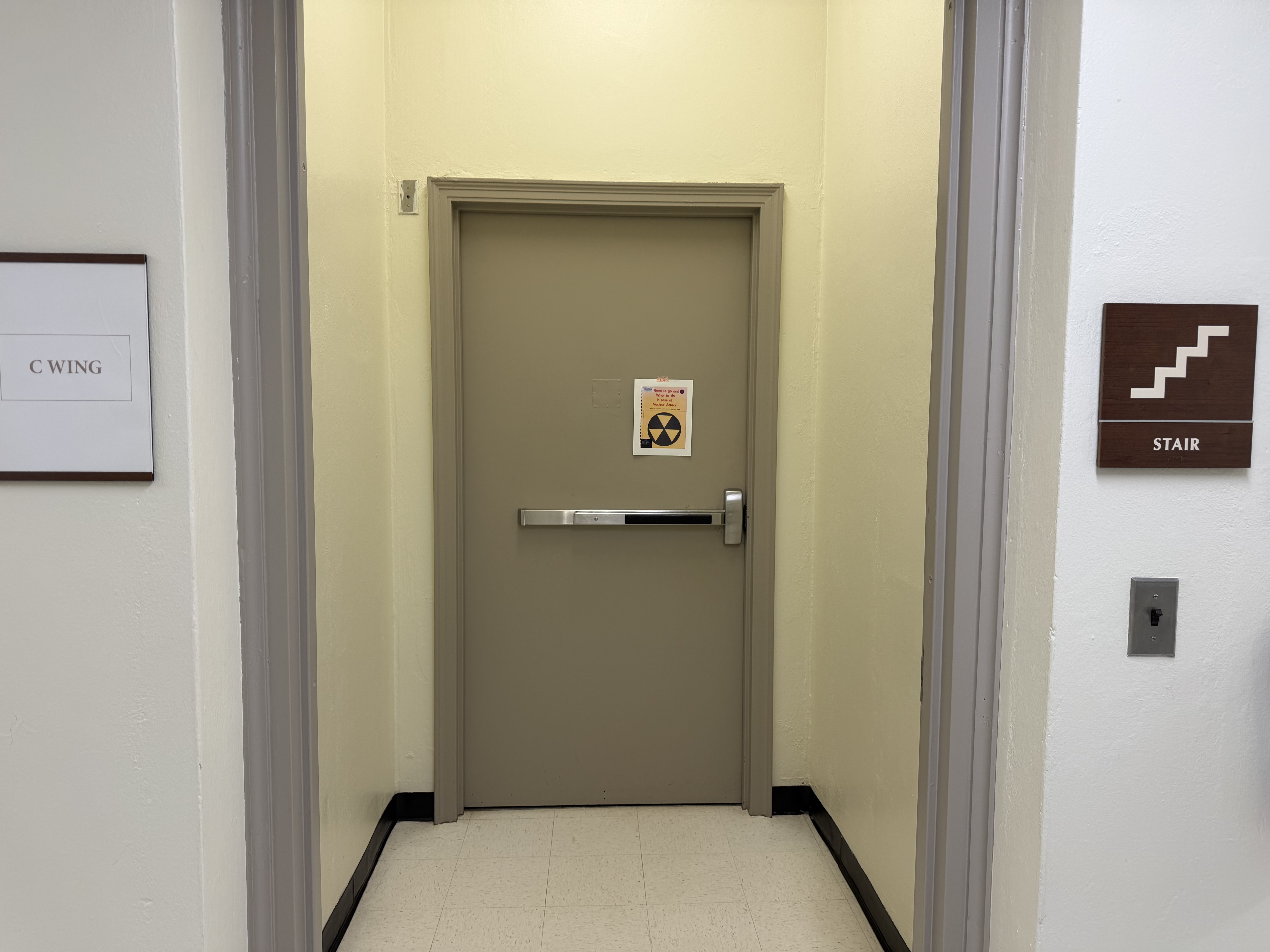
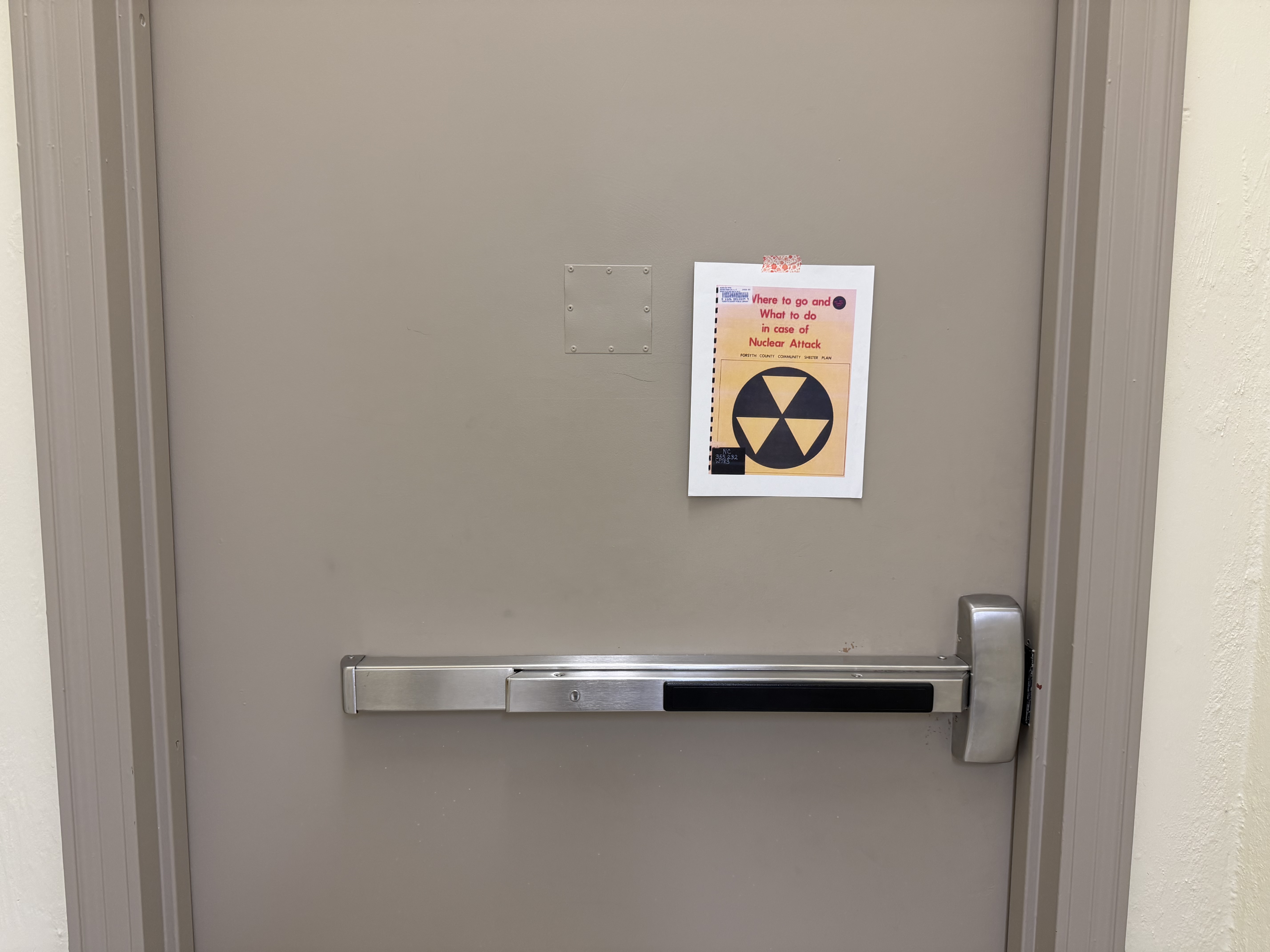
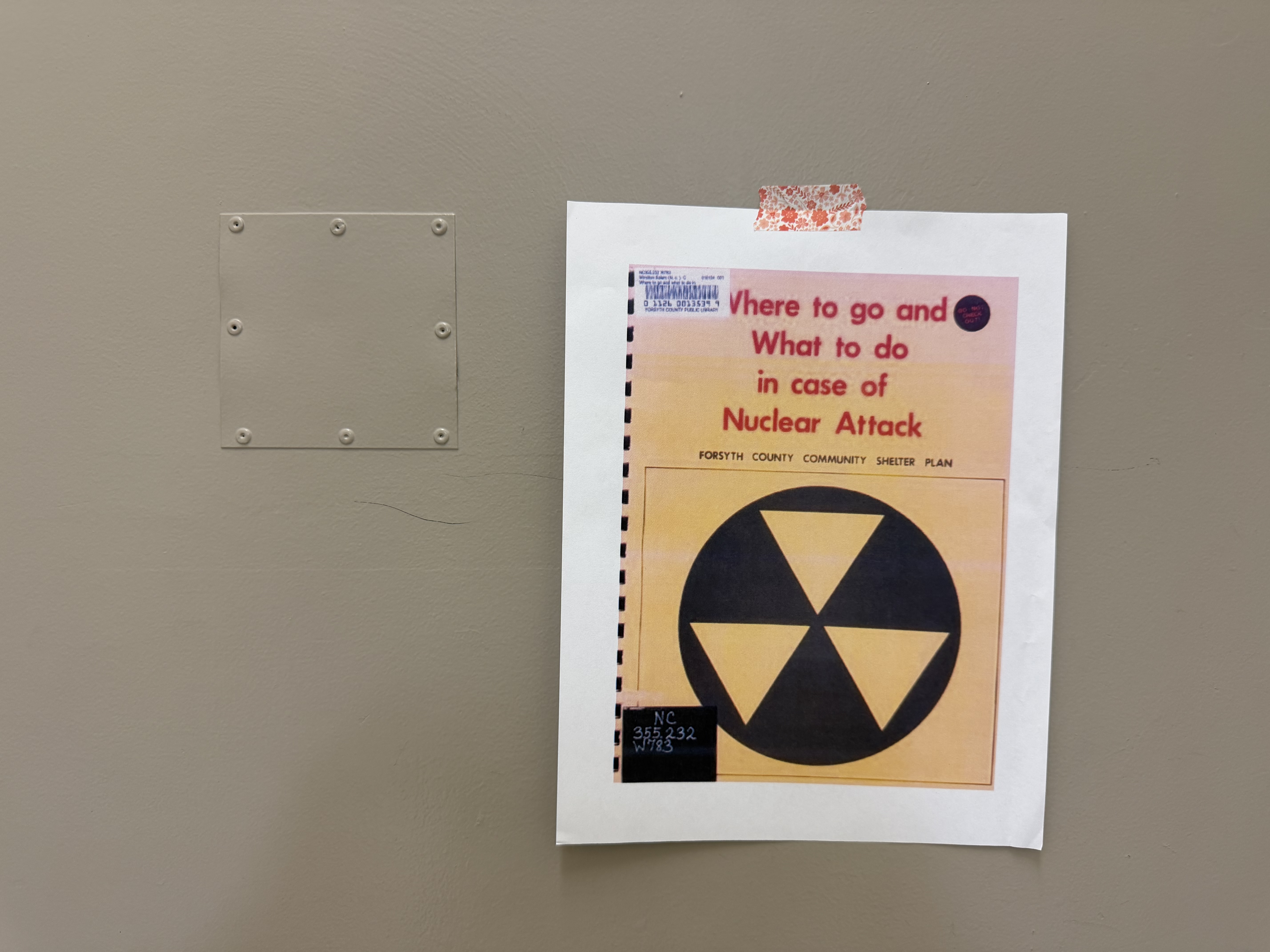
As it was built during the cold war era, the entire c-wing basement was included as a long-term nuclear fallout facility, information about which was not released to the public until the area was converted to faculty offices in 1969. As such, the hall has become a source of rumors, with students claiming that tribble hall was among the list of places the president of the US would go in the case of a nuclear emergency, or that ghosts live amongst the halls.
Tribble Hall – C-Wing Fun Facts
A lot of information about the C-wing basement's history as a nuclear fallout shelter is still unknown. While Tribble was not the only shelter on Wake Forest’s campus in the 1960s—others existed in ZSR, the gym, and additional buildings with assigned emergency plans—the C-wing stood apart for one key reason: it was never publicly announced and remained inaccessible to the general public.
A Hidden Cold War Bunker
According to Wake Forest Magazine’s 2014 post, “How to Survive a Nuclear War,” the Department of the Navy funded the construction of a secret lowest-basement level in the C-wing.
“the Department of the Navy, looking to decentralize its radio facilities in case of a nuclear attack, paid to hastily add the lowest-basement level in the “C” wing. Behind two sets of heavy steel doors, a bunker was built with its own phone hookups, utilities, water supply and special biochemical filers on the air conditioning system.”
This bunker was self-sustaining and sealed off, designed to operate independently during a nuclear emergency. Its hidden location and restricted access made it one of the most secretive spaces on campus.
A Bunker No One Saw
In a 1994 Wake Forest Magazine article, Tom Phillips described how little activity the space actually saw:
“No Navy personnel were ever seen entering or leaving the room — just a single civilian employee who kept it in readiness for a day of doom that never came.”
By 1969, the bunker had already been converted into faculty offices.
Strange Design Features
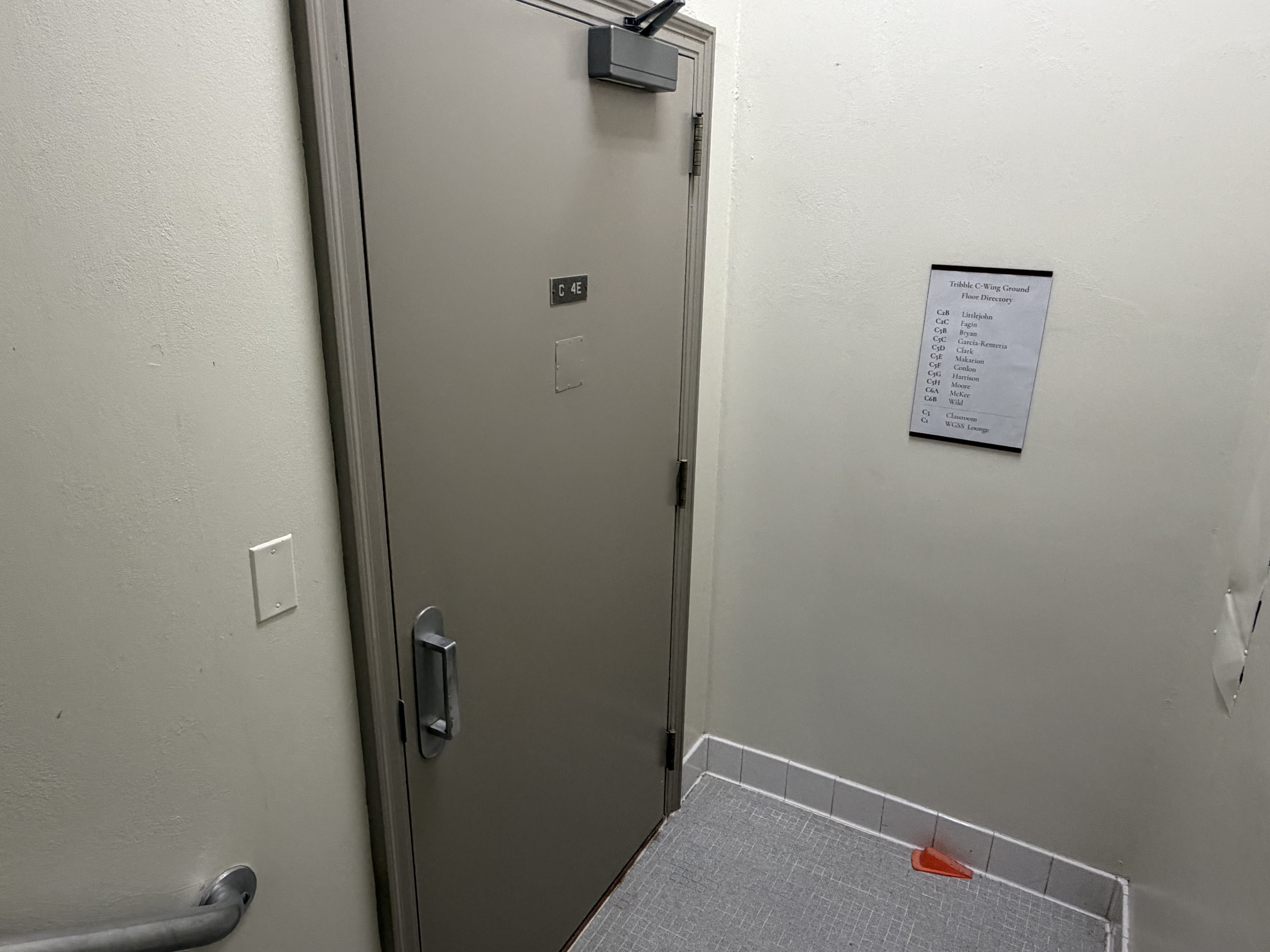
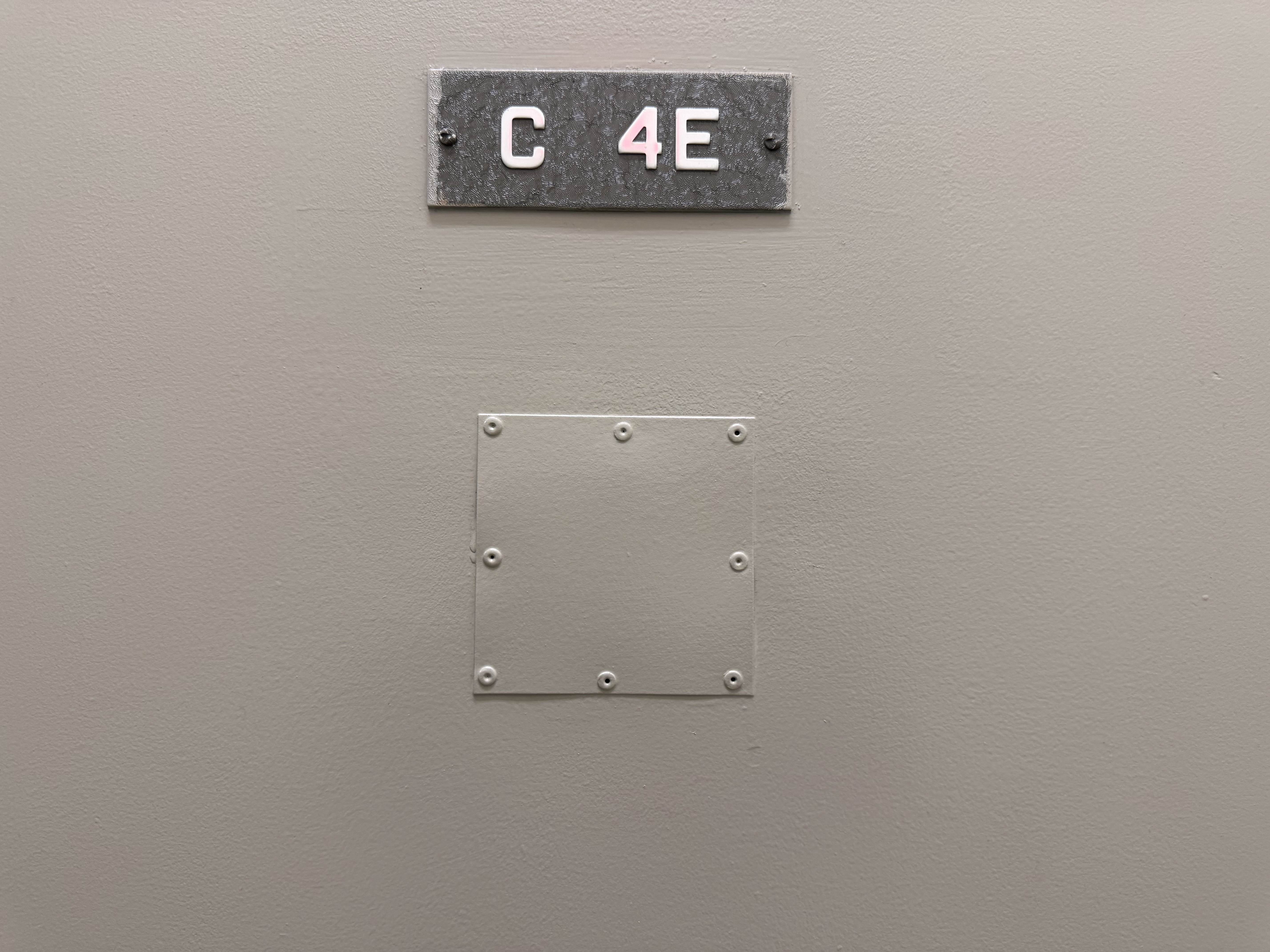
Some sources, including the Old Gold and Black, claim that metal plates on the C-wing basement doors were intended for gun barrels—suggesting the bunker may have been designed with defensive capabilities.
The Tunnel System Below
The tunnels beneath Wake Forest’s campus are one of its largest points of speculation. While often rumored to have stored emergency rations or supported the shelter system during a nuclear crisis, their original full purpose remains unclear.
The system includes multiple branching corridors, and there are documented images of bolted or heavily secured doors along certain sections. However, there is no publicly available information confirming what these doors lead to or what their purpose was, adding to ongoing speculation about sealed-off rooms or restricted utility spaces within the network.
Today, access is restricted primarily due to safety hazards such as low oxygen levels and exposed hot pipes, but the sense of hidden infrastructure continues to fuel curiosity about what remains behind these barriers.
Not Just History—Still Used Today
Despite restrictions, tunnels near Wait Chapel have been used in recent years. According to “The Secret Life of Wake Forest” by Betsy Chapman (2015):
“When Michelle Obama came to campus to speak at the memorial service for Maya Angelou, she was whisked in and out of Wait Chapel via the tunnels. And of course Secret Service was down there with her.”
Unauthorized Tunnel Exploration
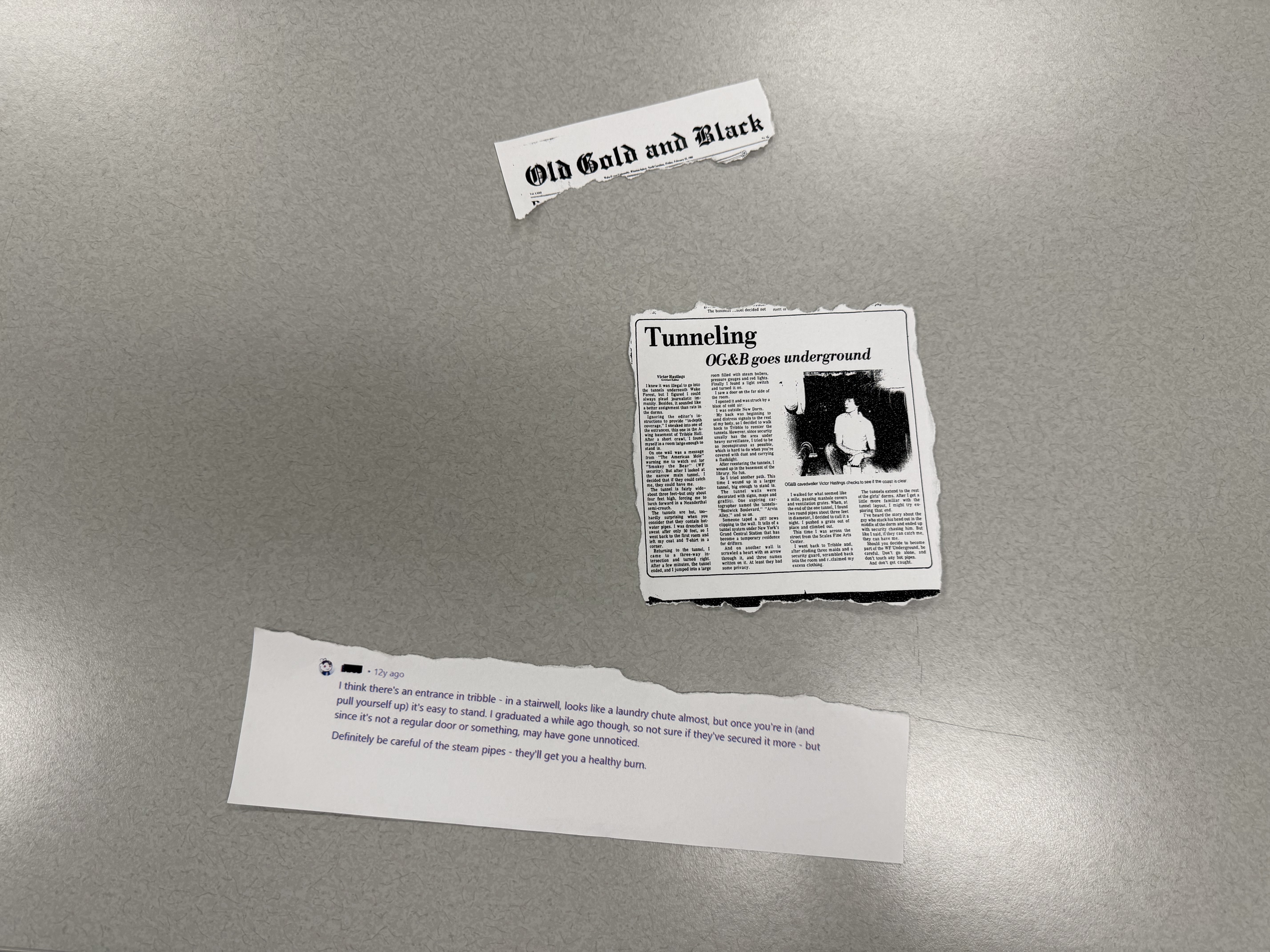
Student groups such as Operation Black Mask and the Seductive Elephants became known for sneaking into these restricted tunnels, adding to the mystery surrounding what lies beneath campus. Another article on unauthorized access into the tunnels may be found in the game !
Development
Images:
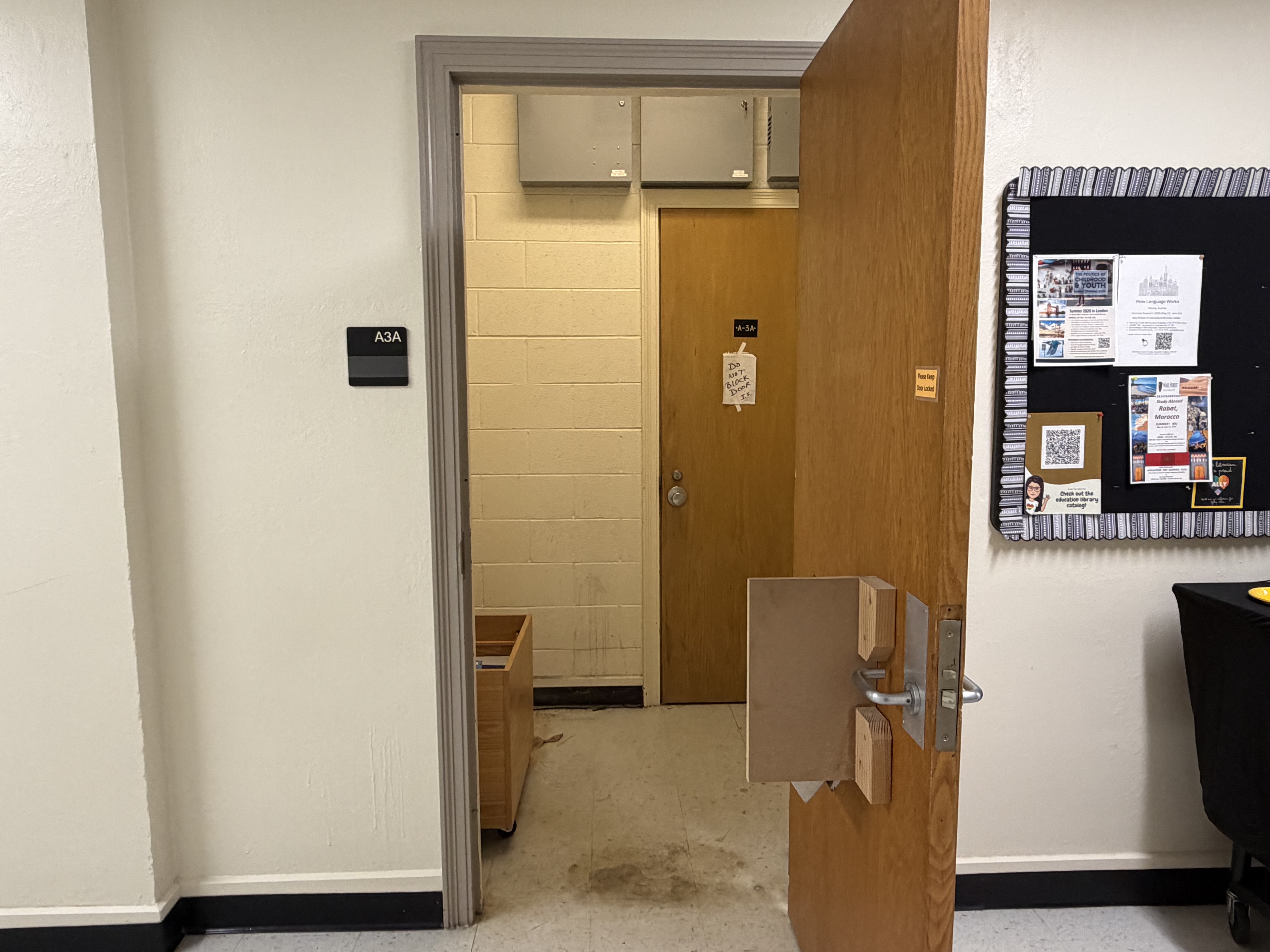
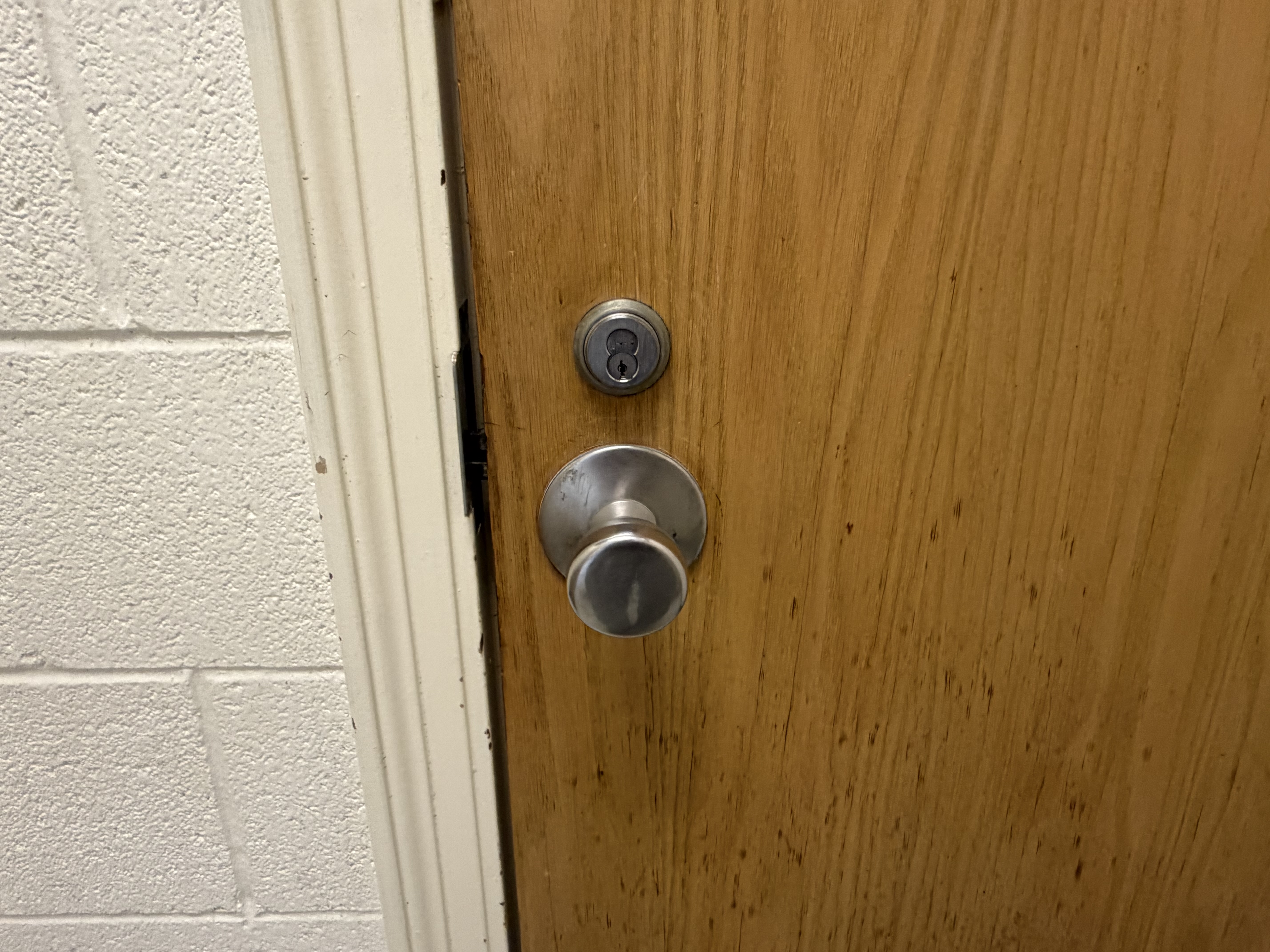
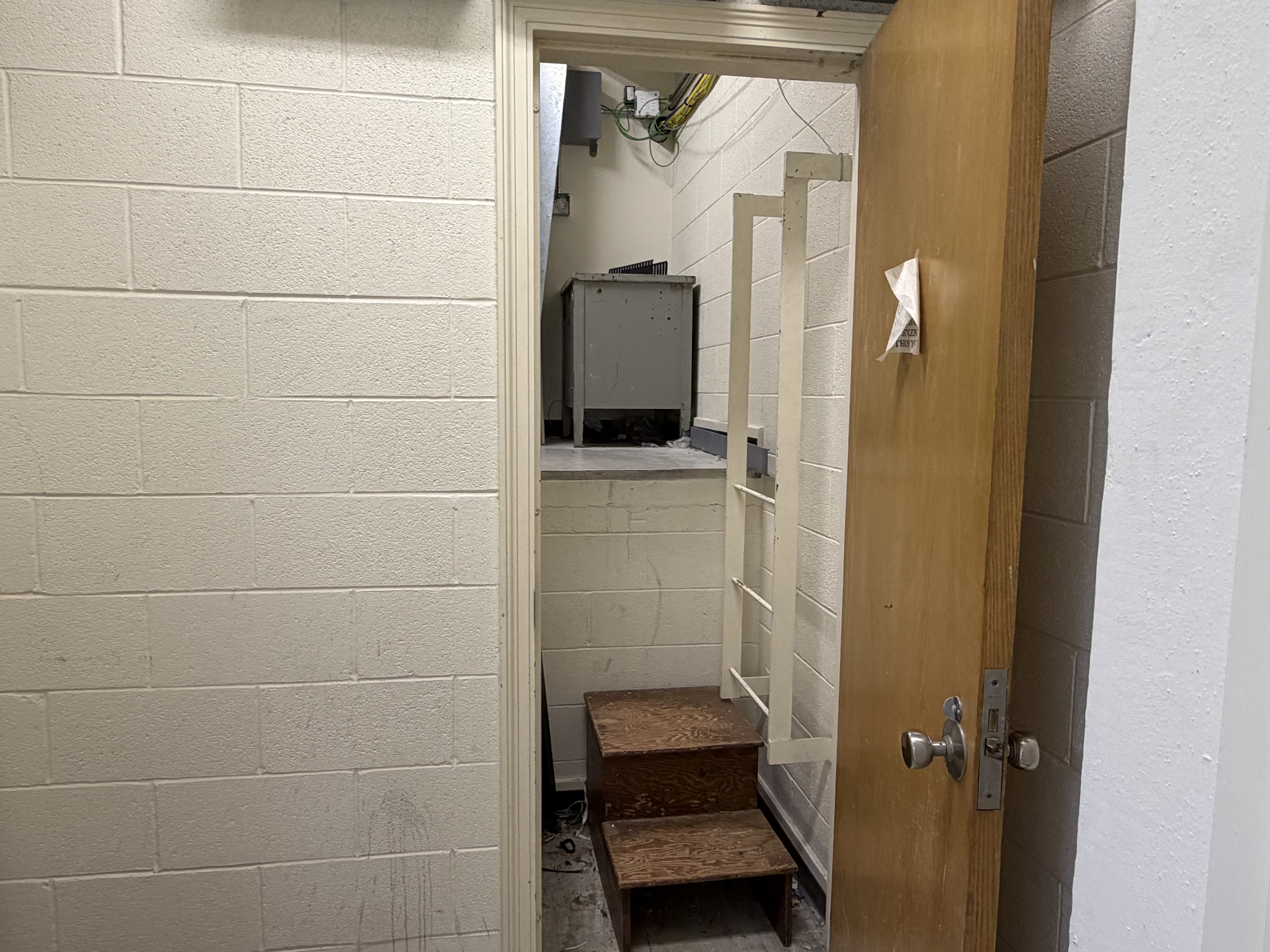
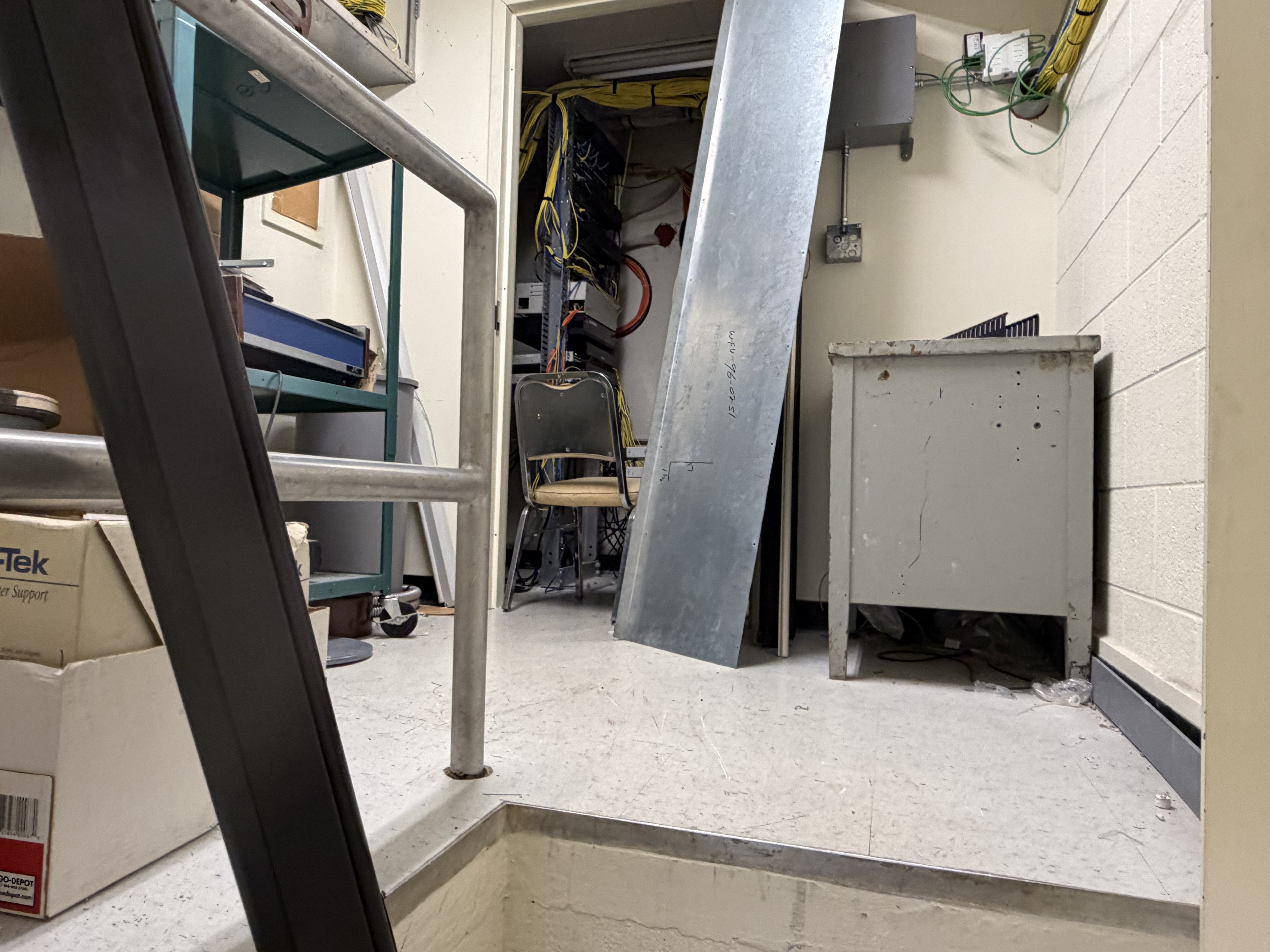
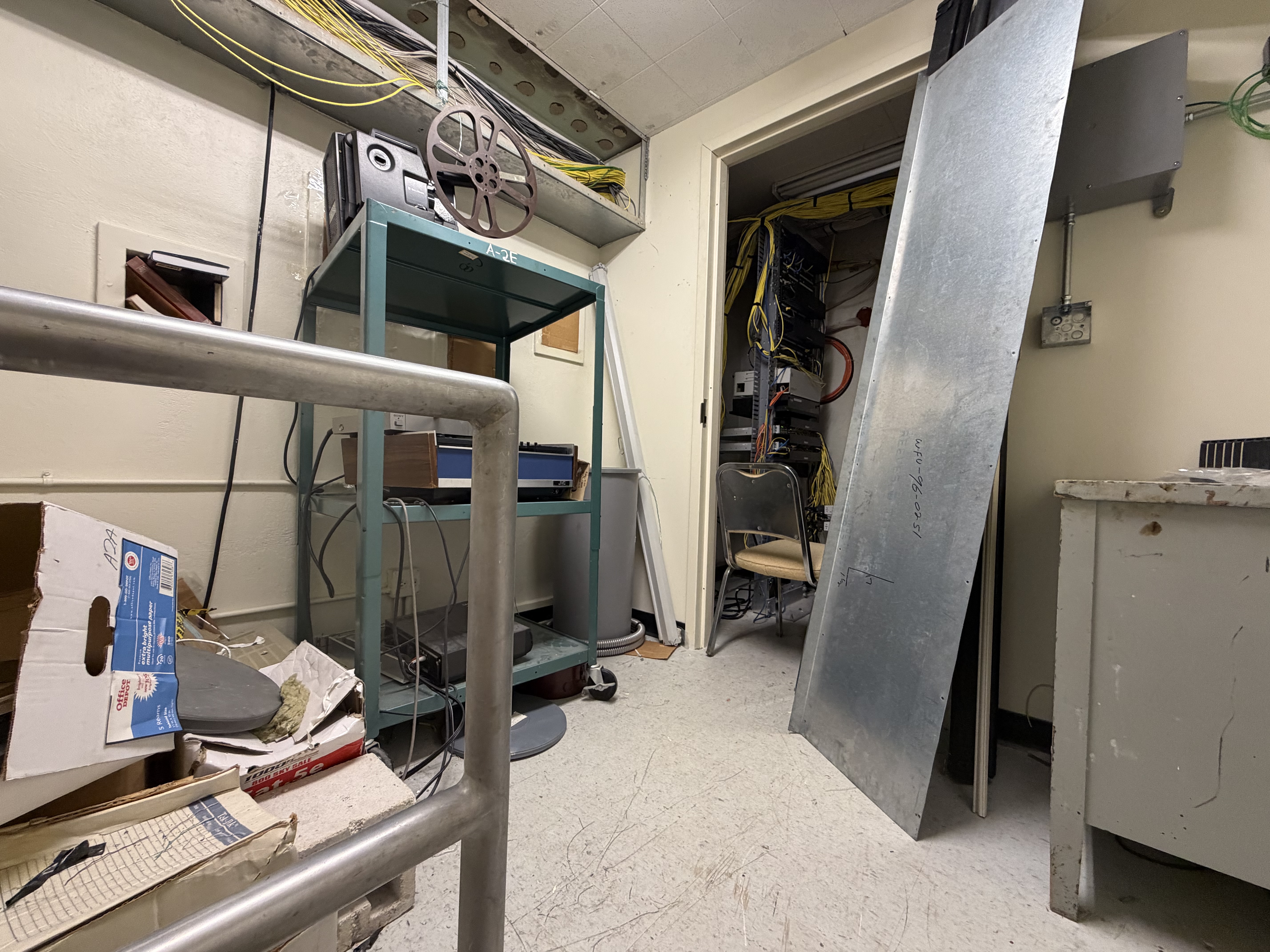
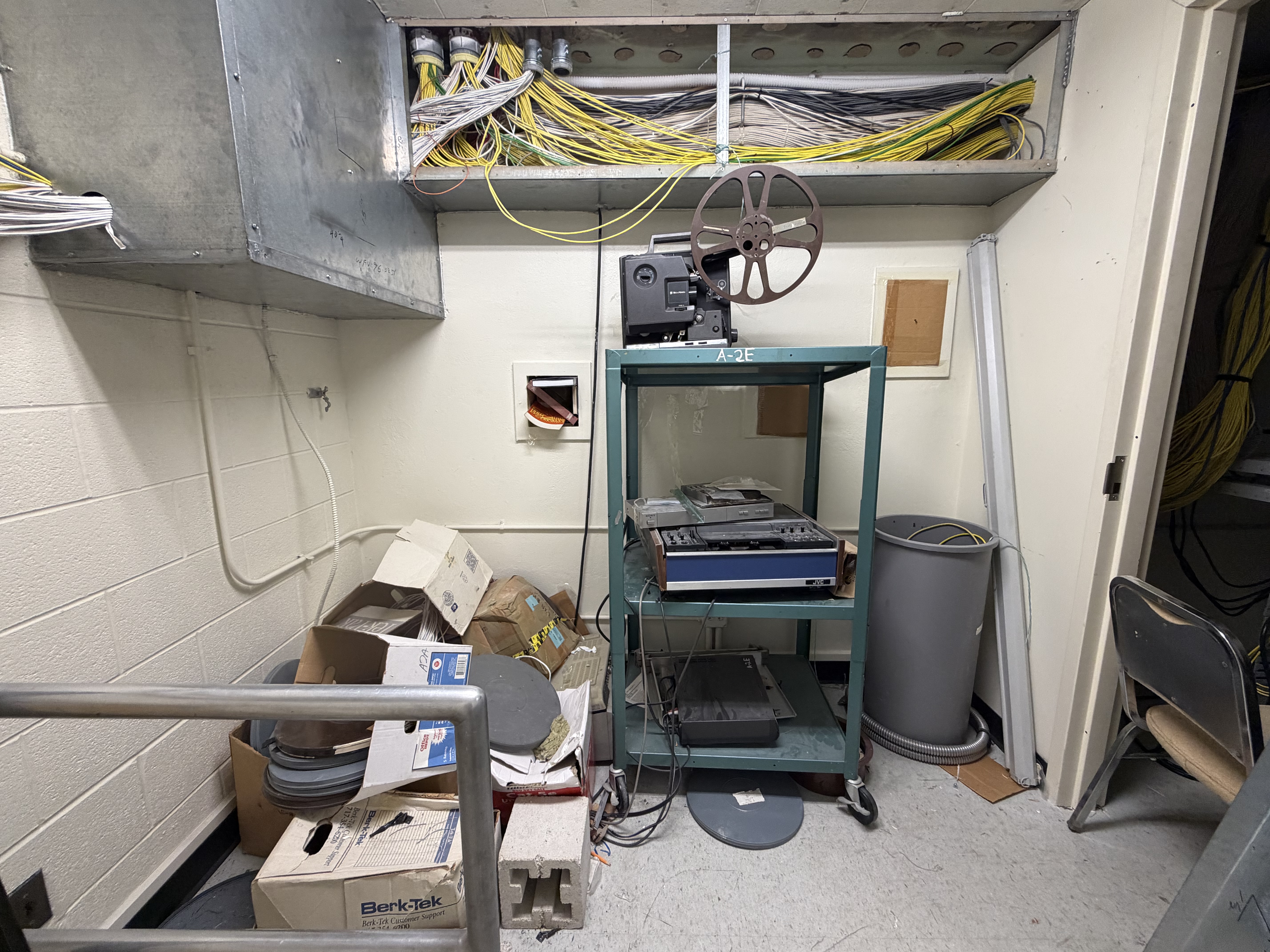
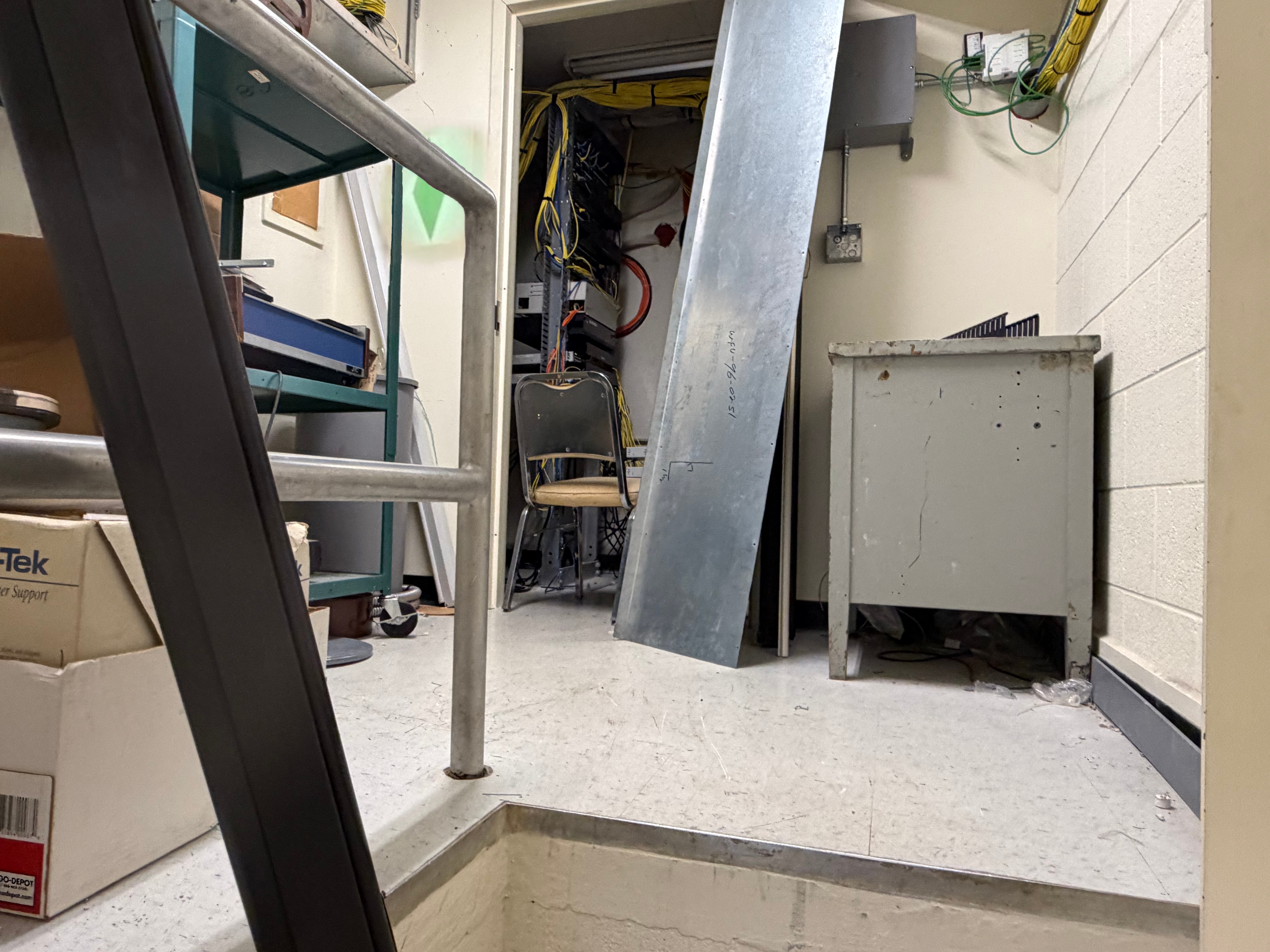
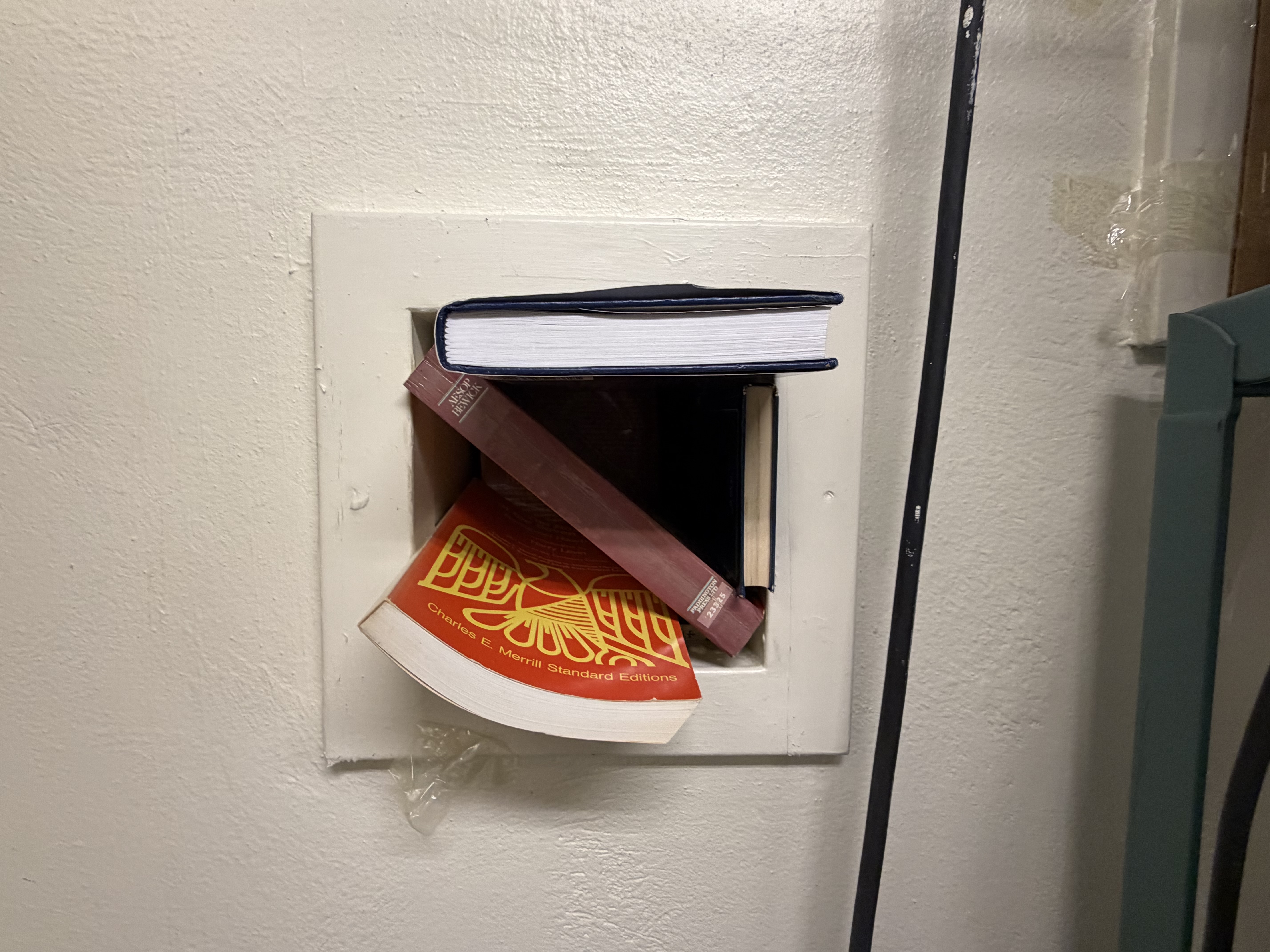
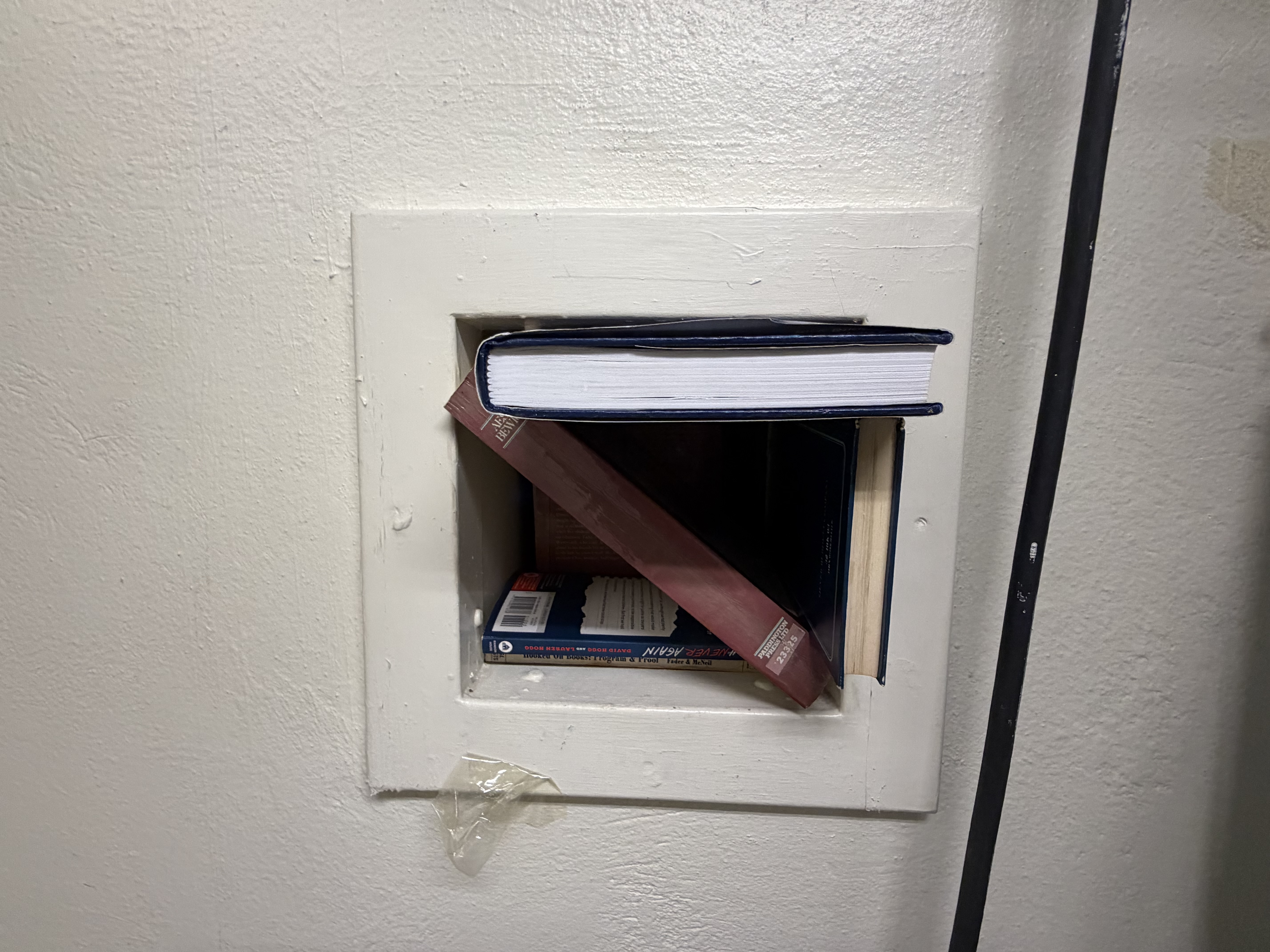
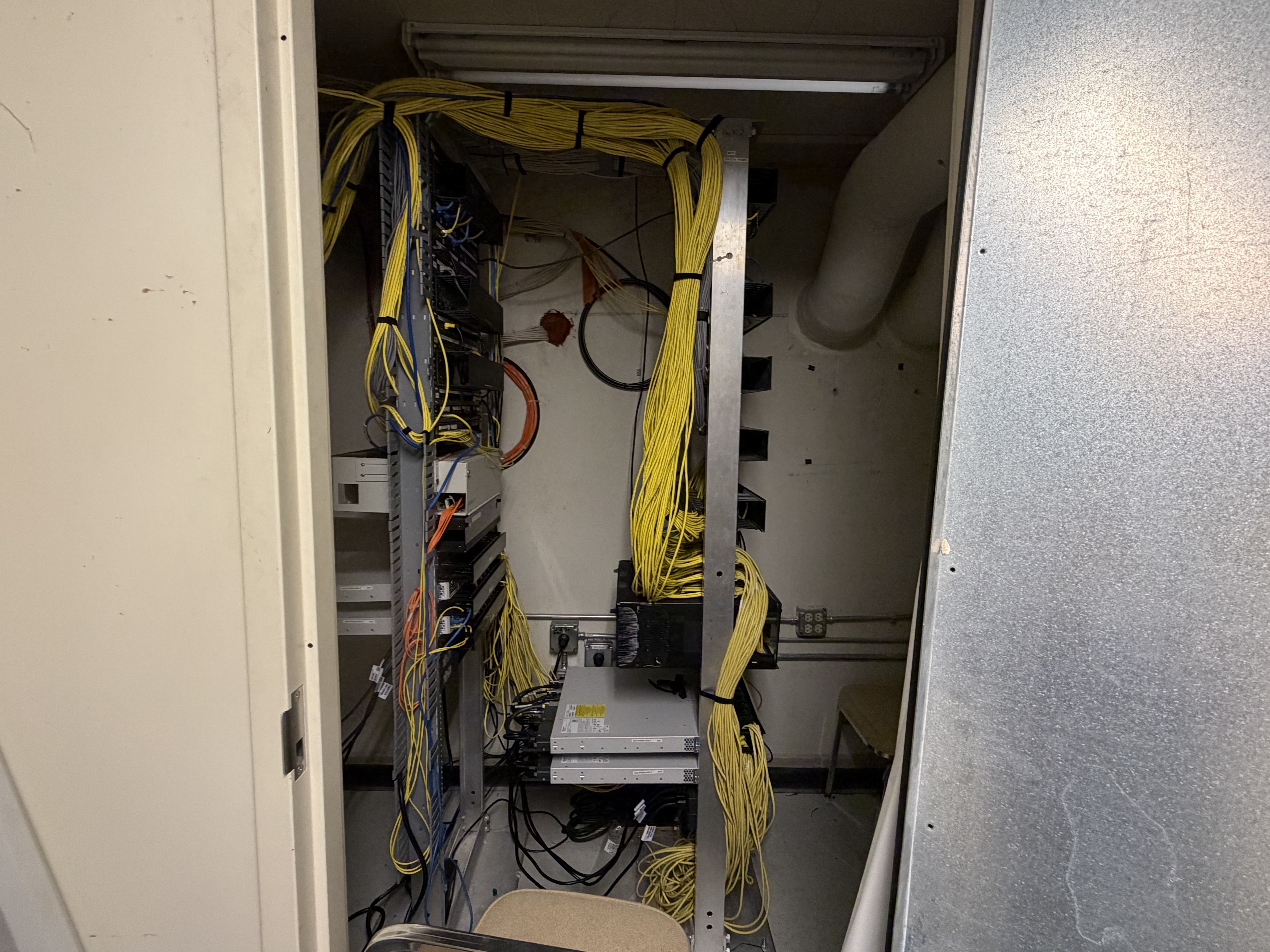
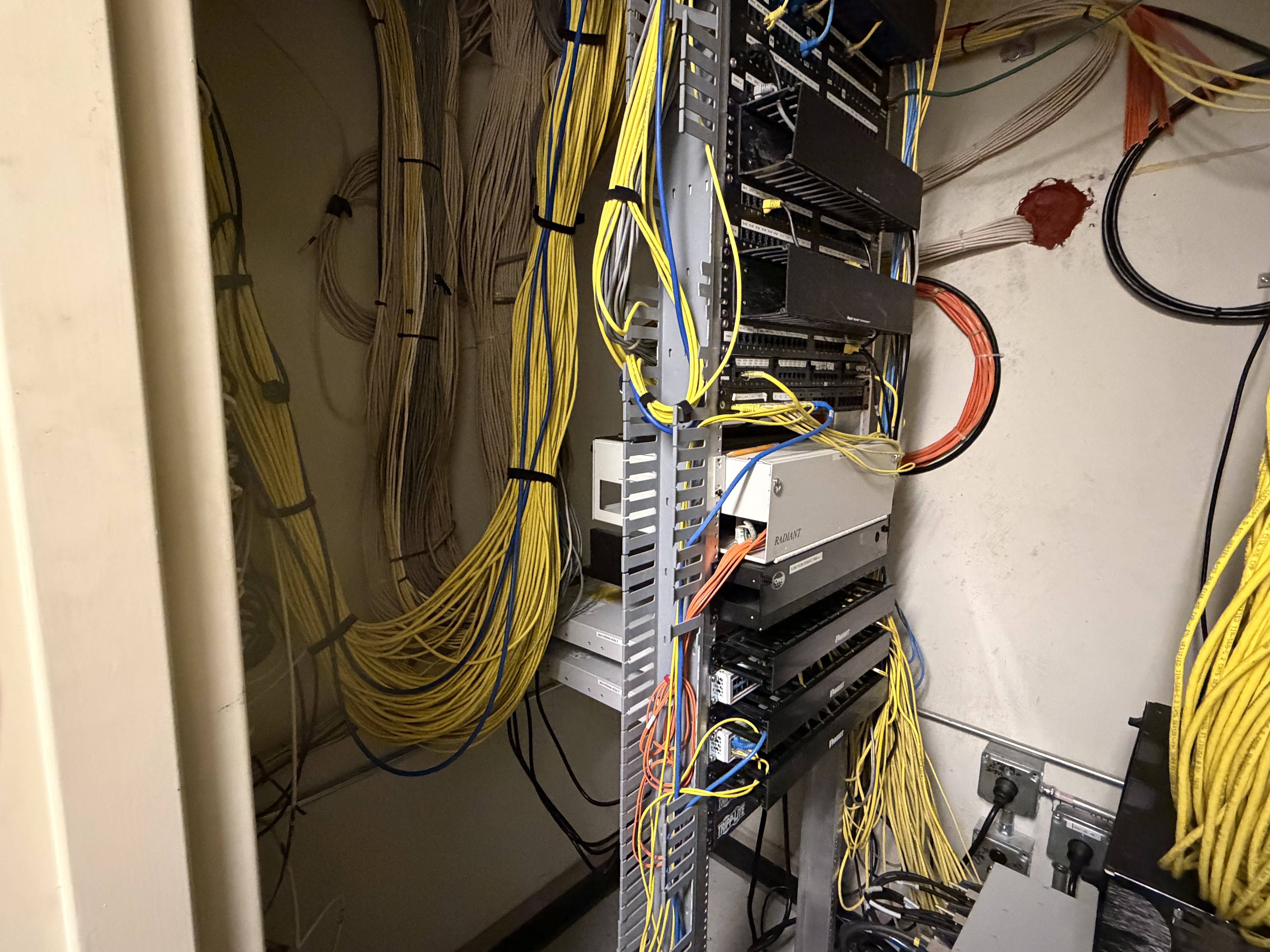
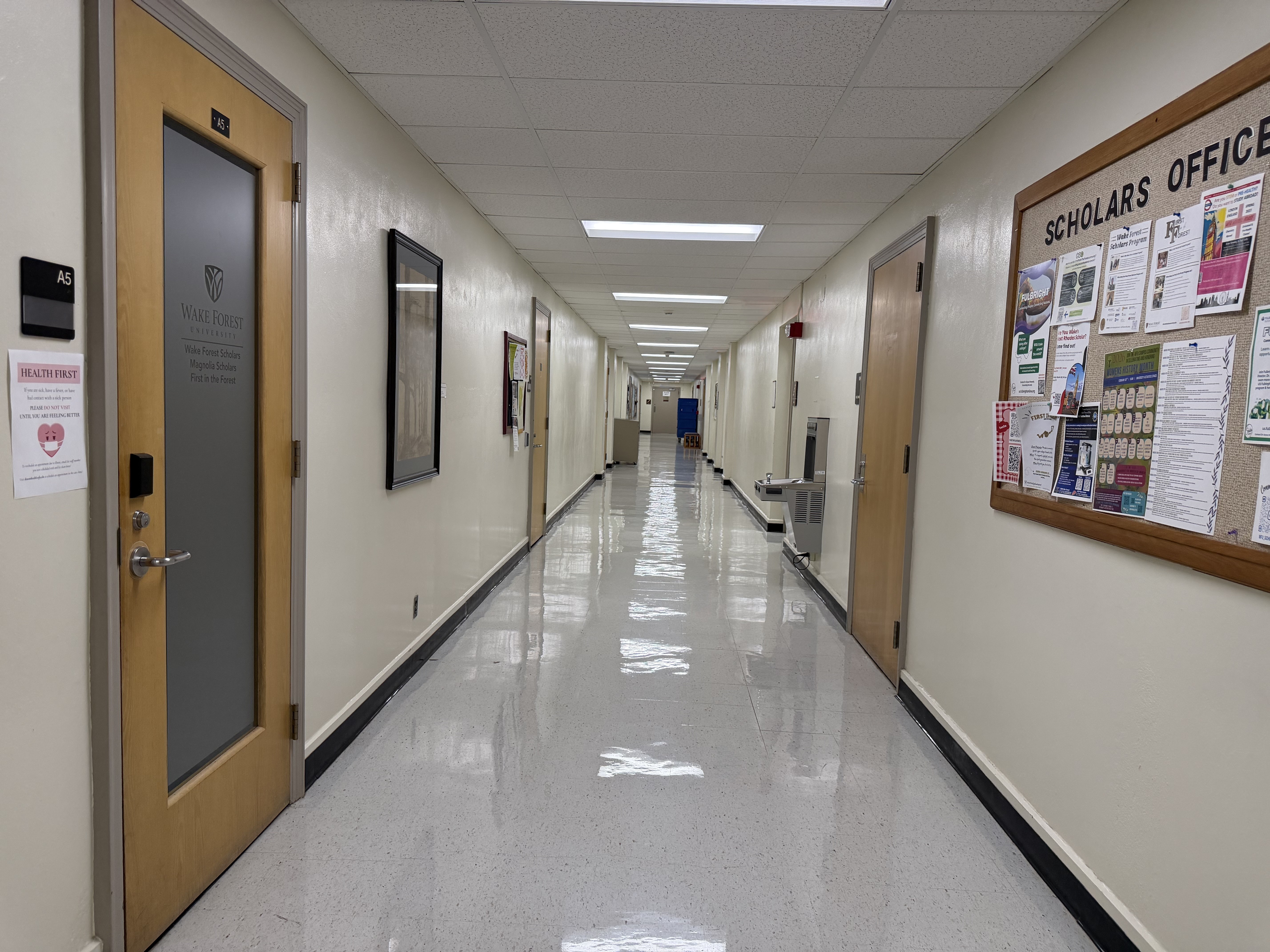
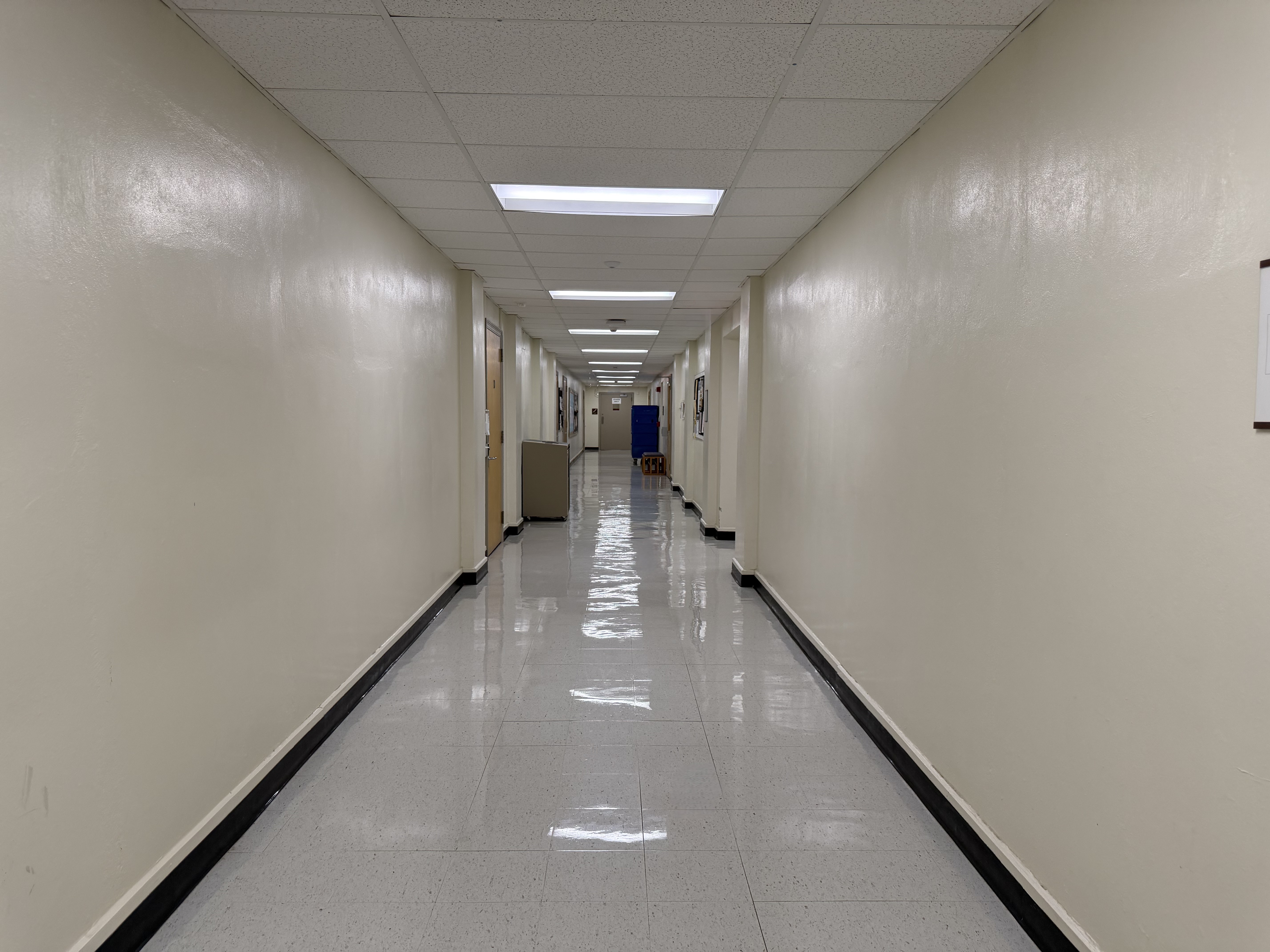
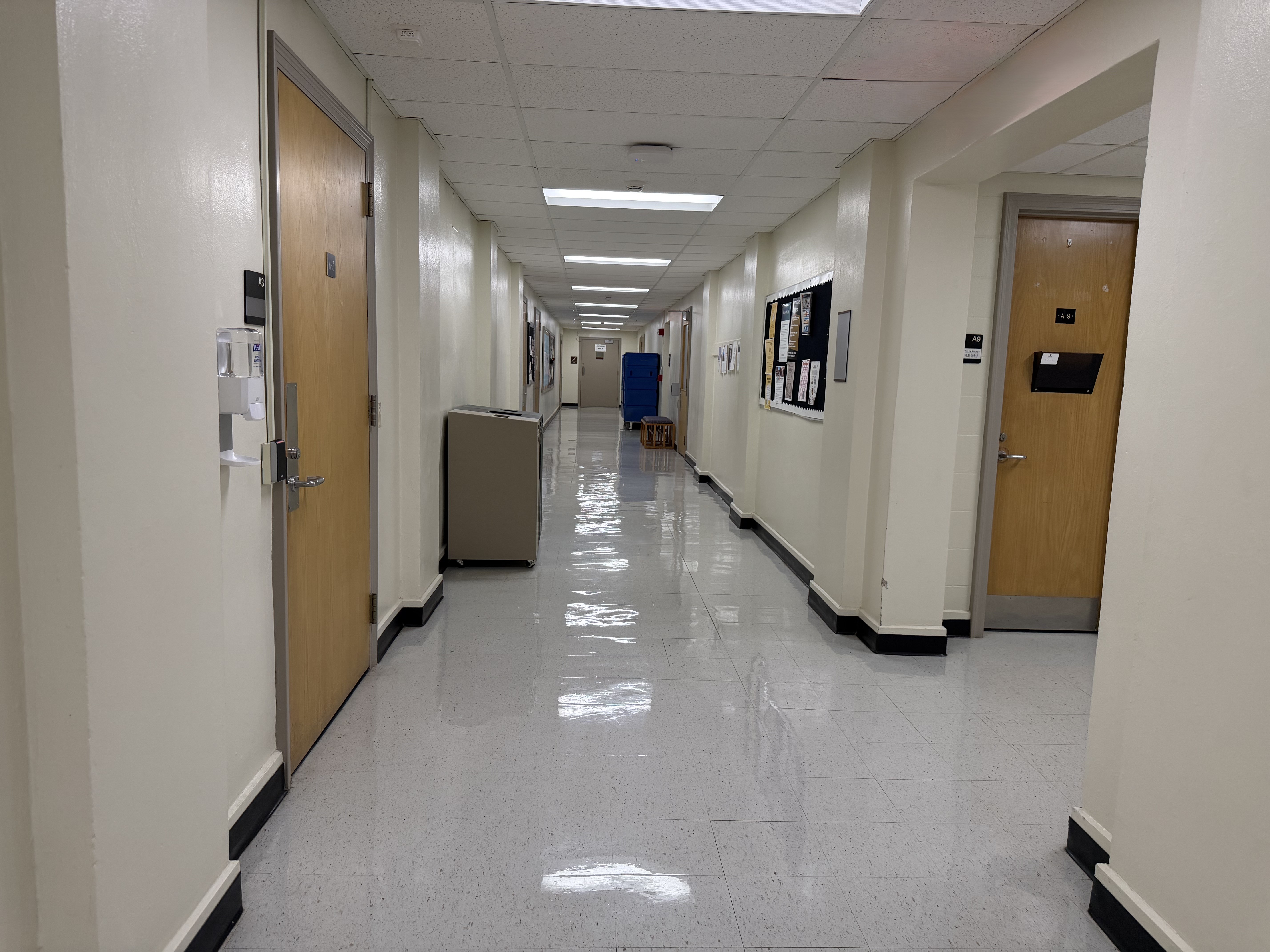
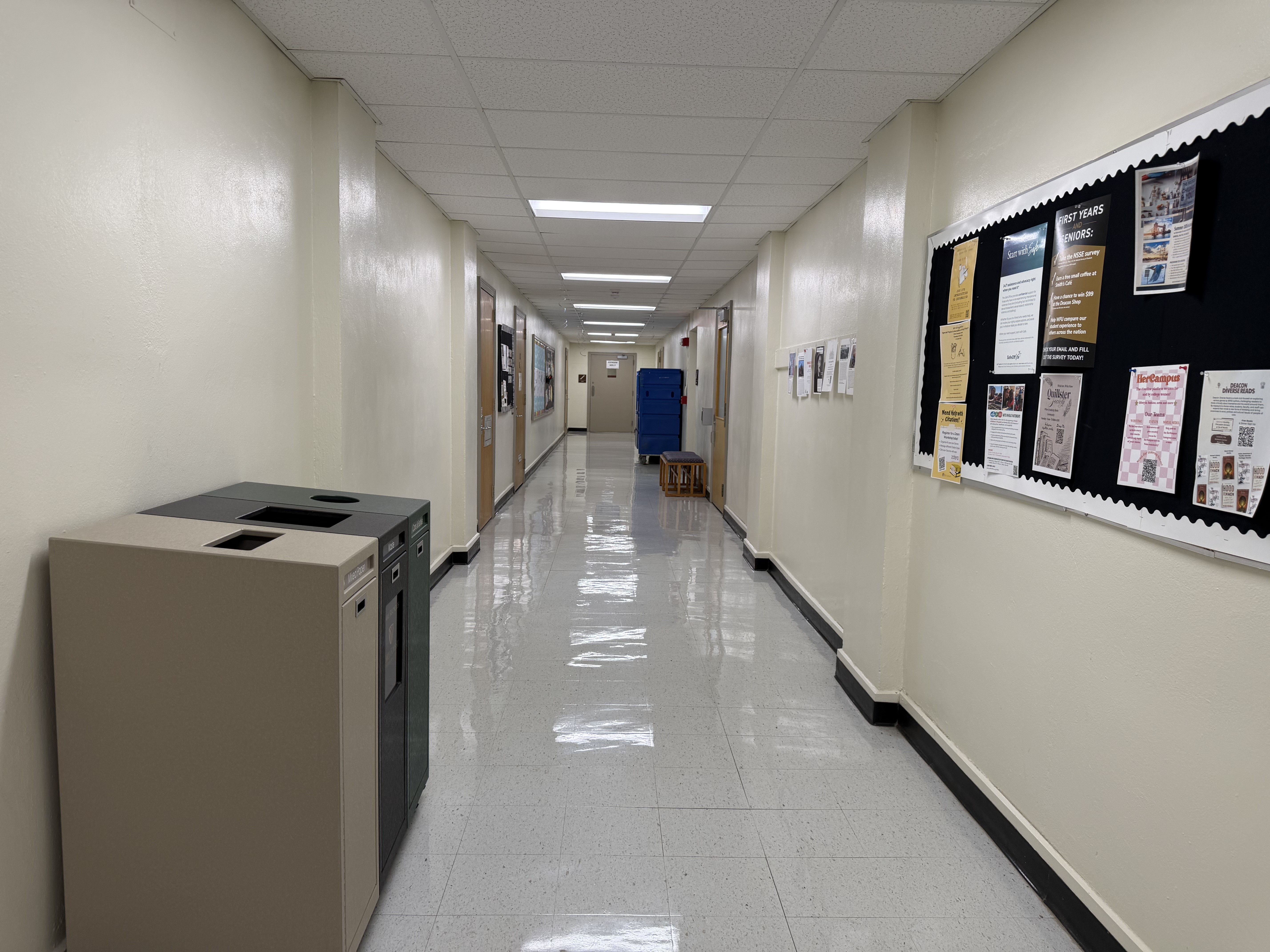
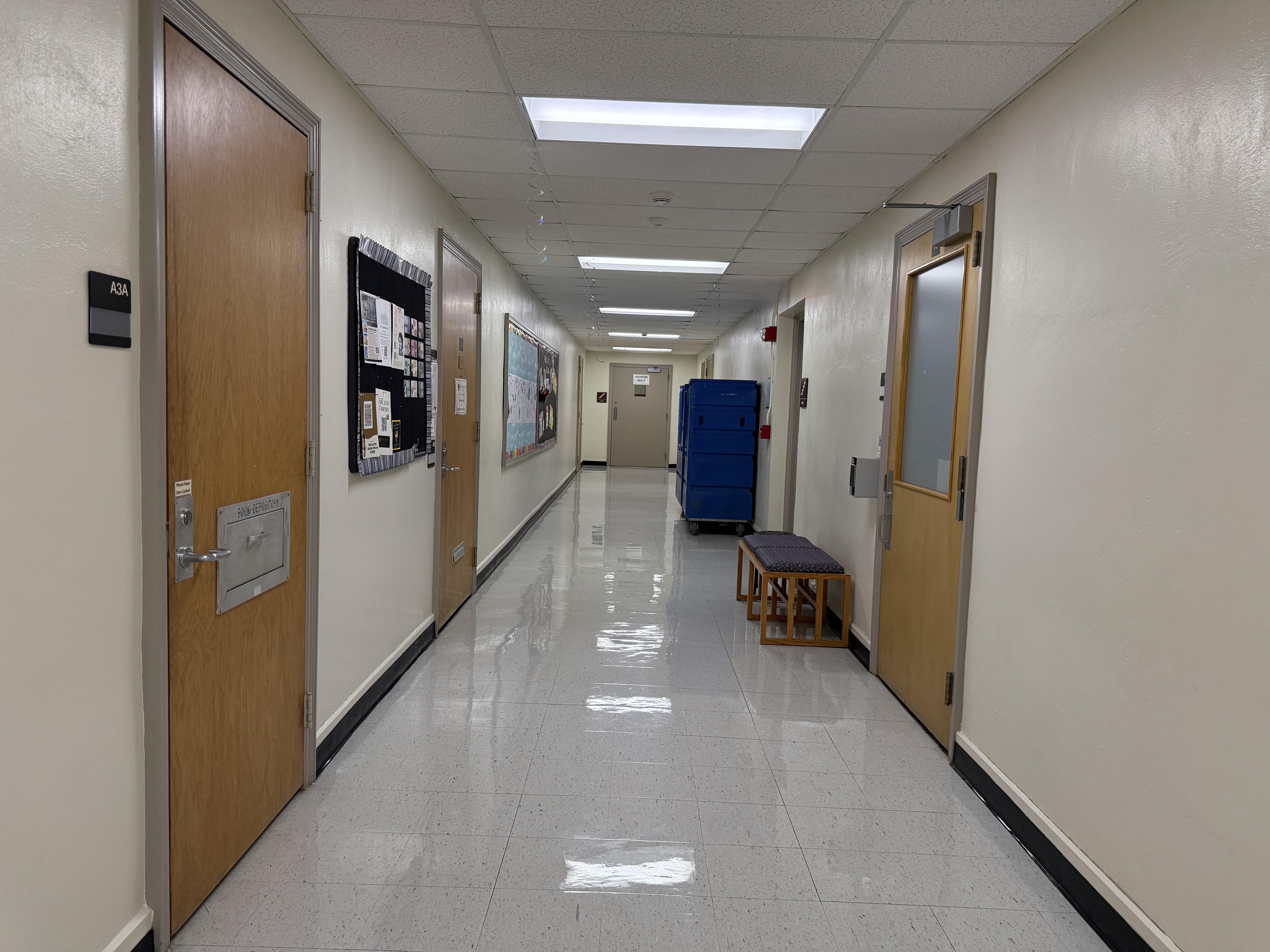
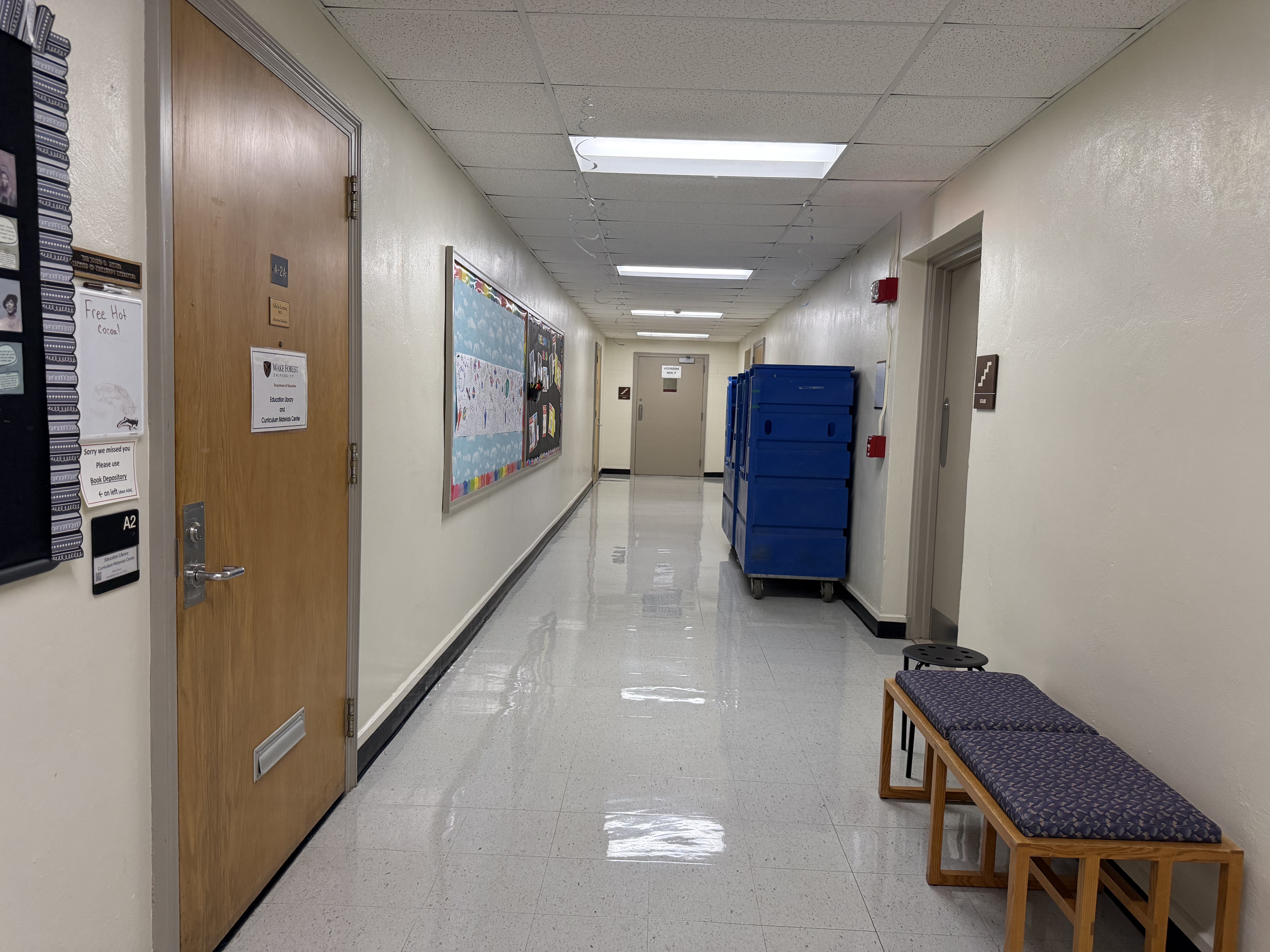
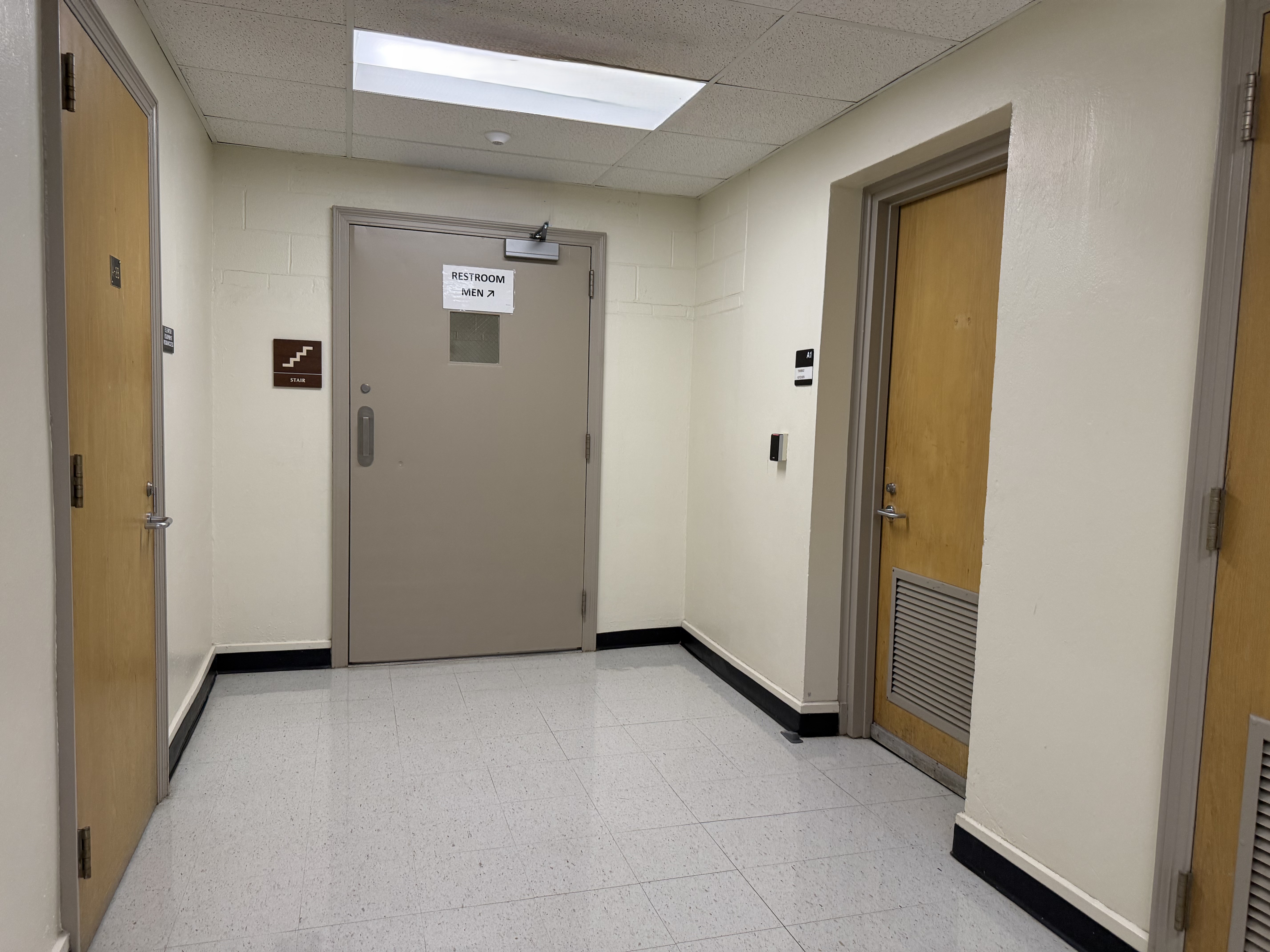
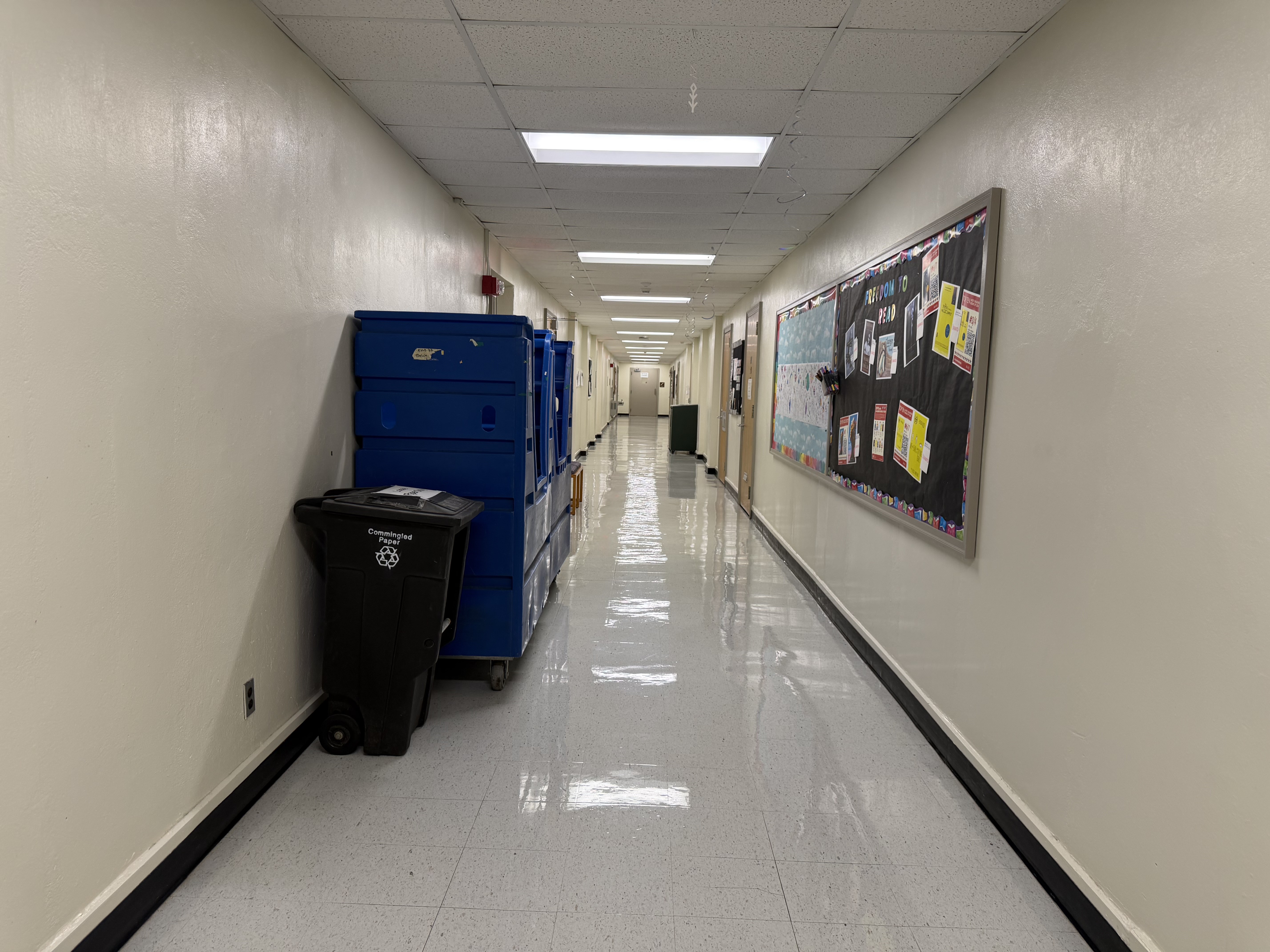
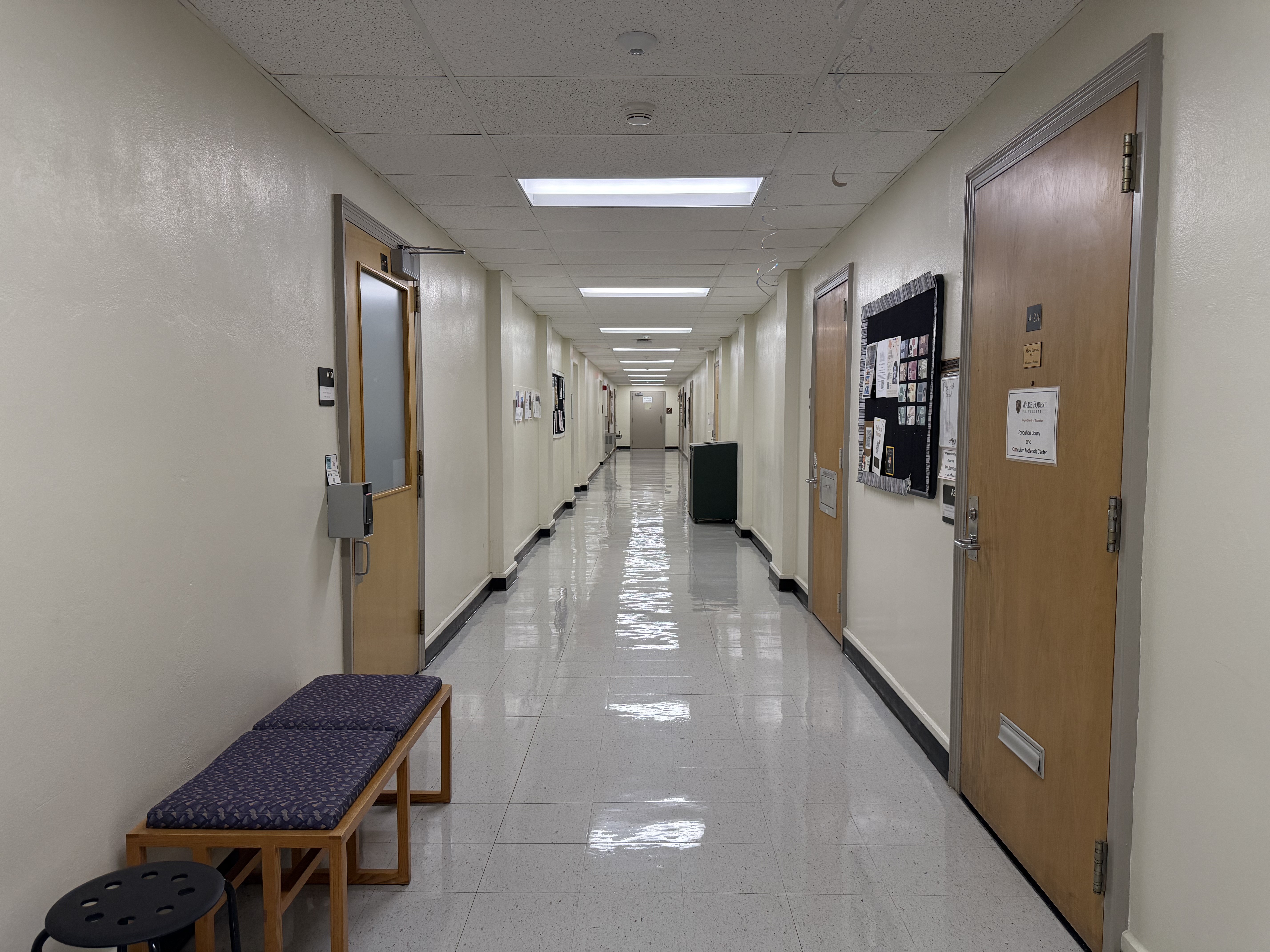
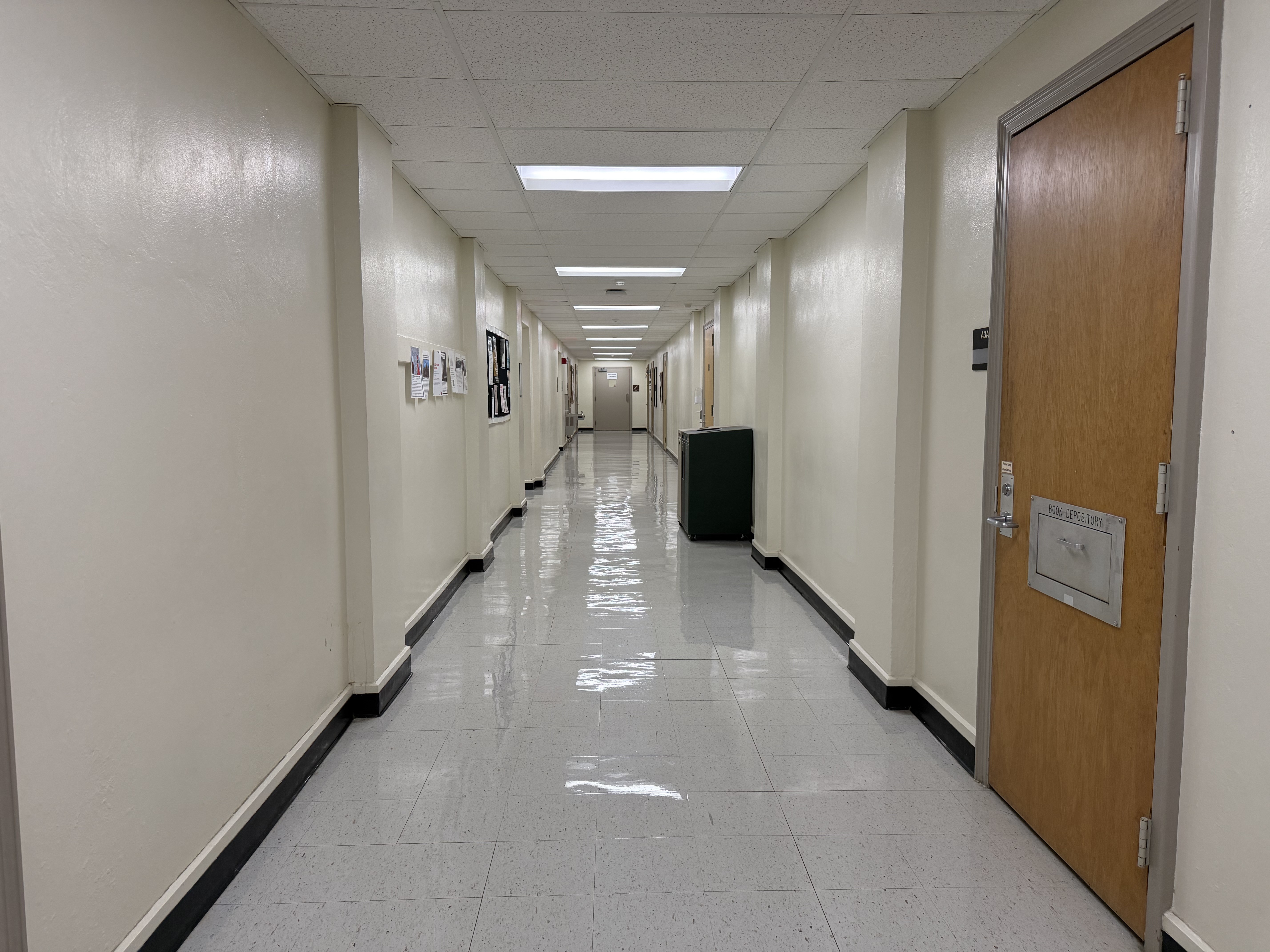
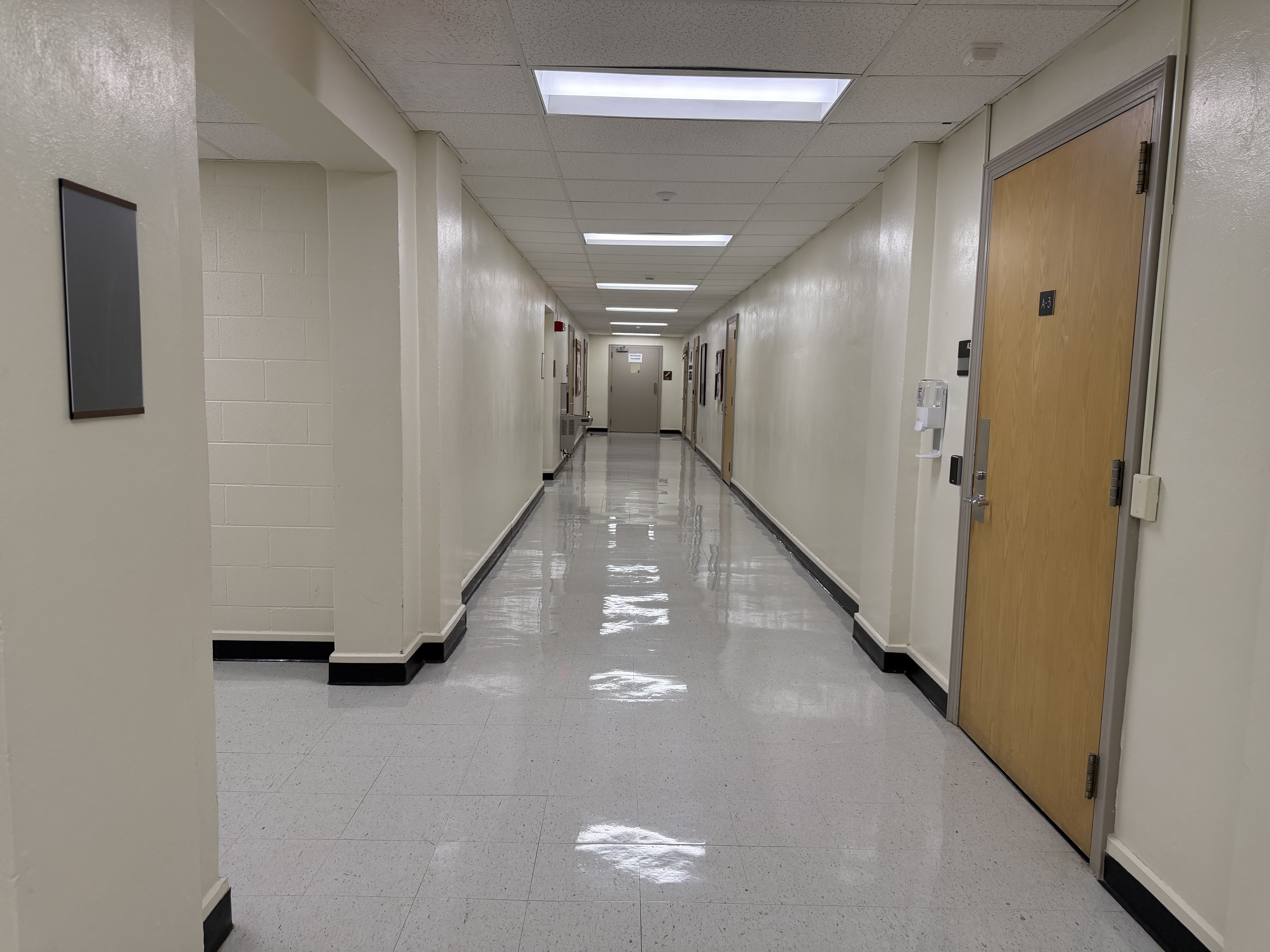
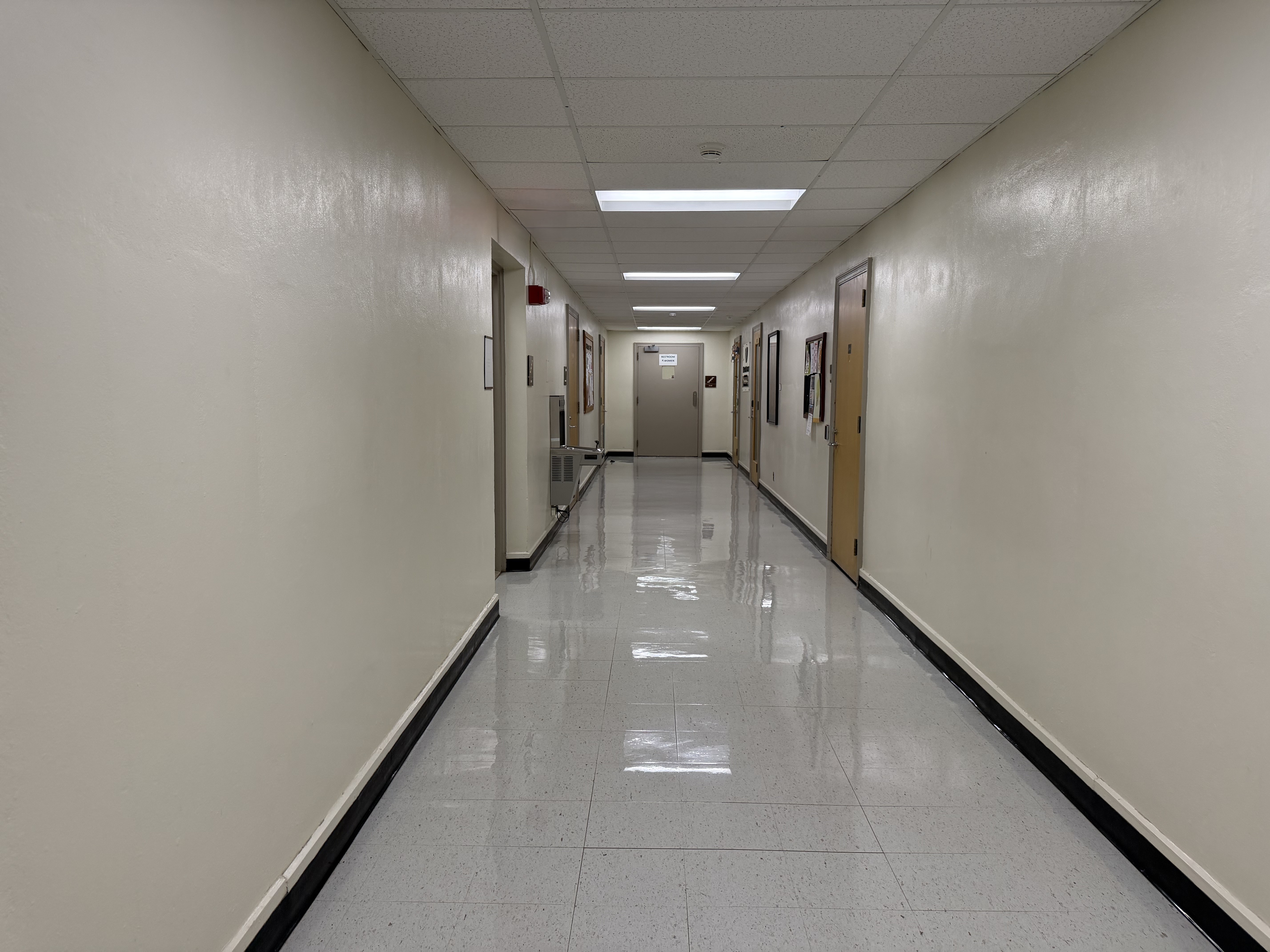
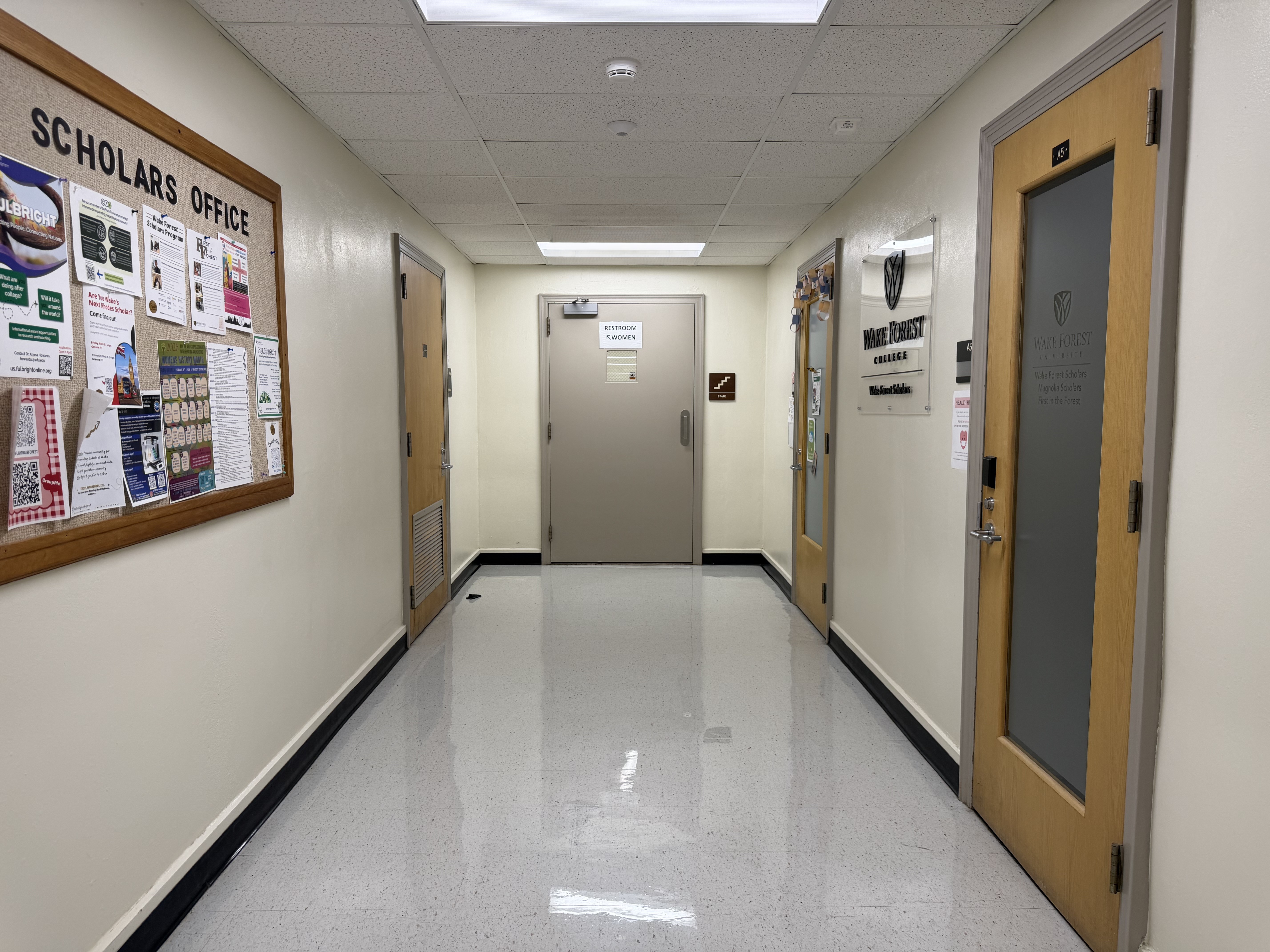
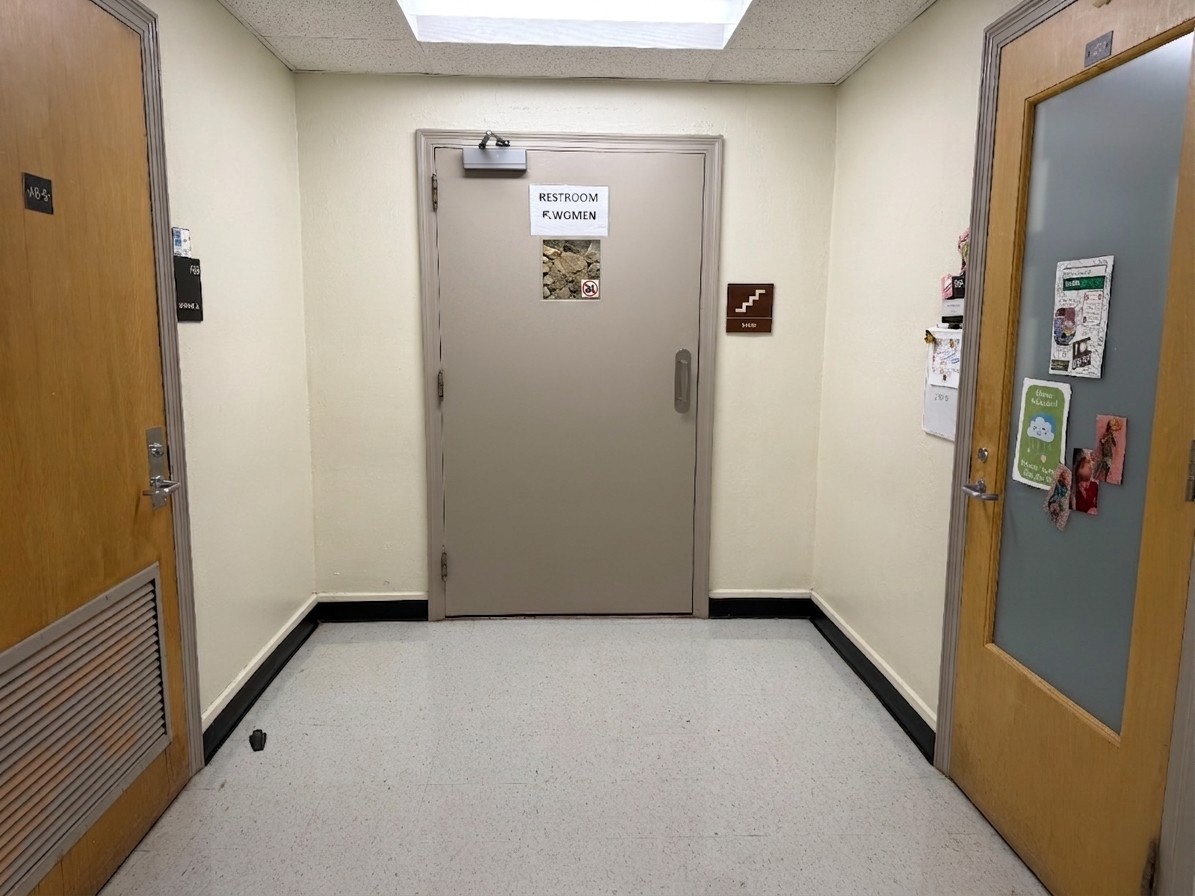
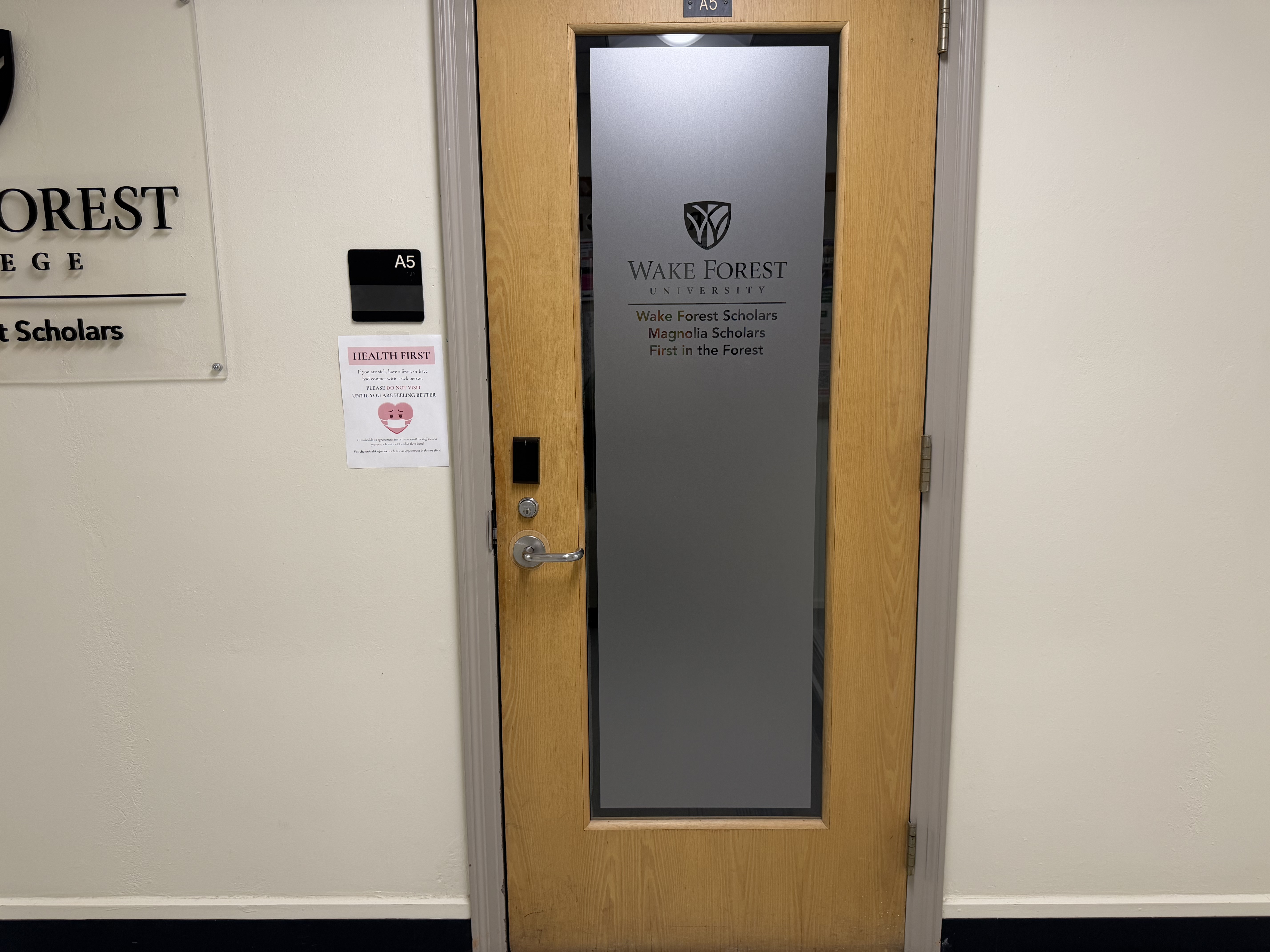
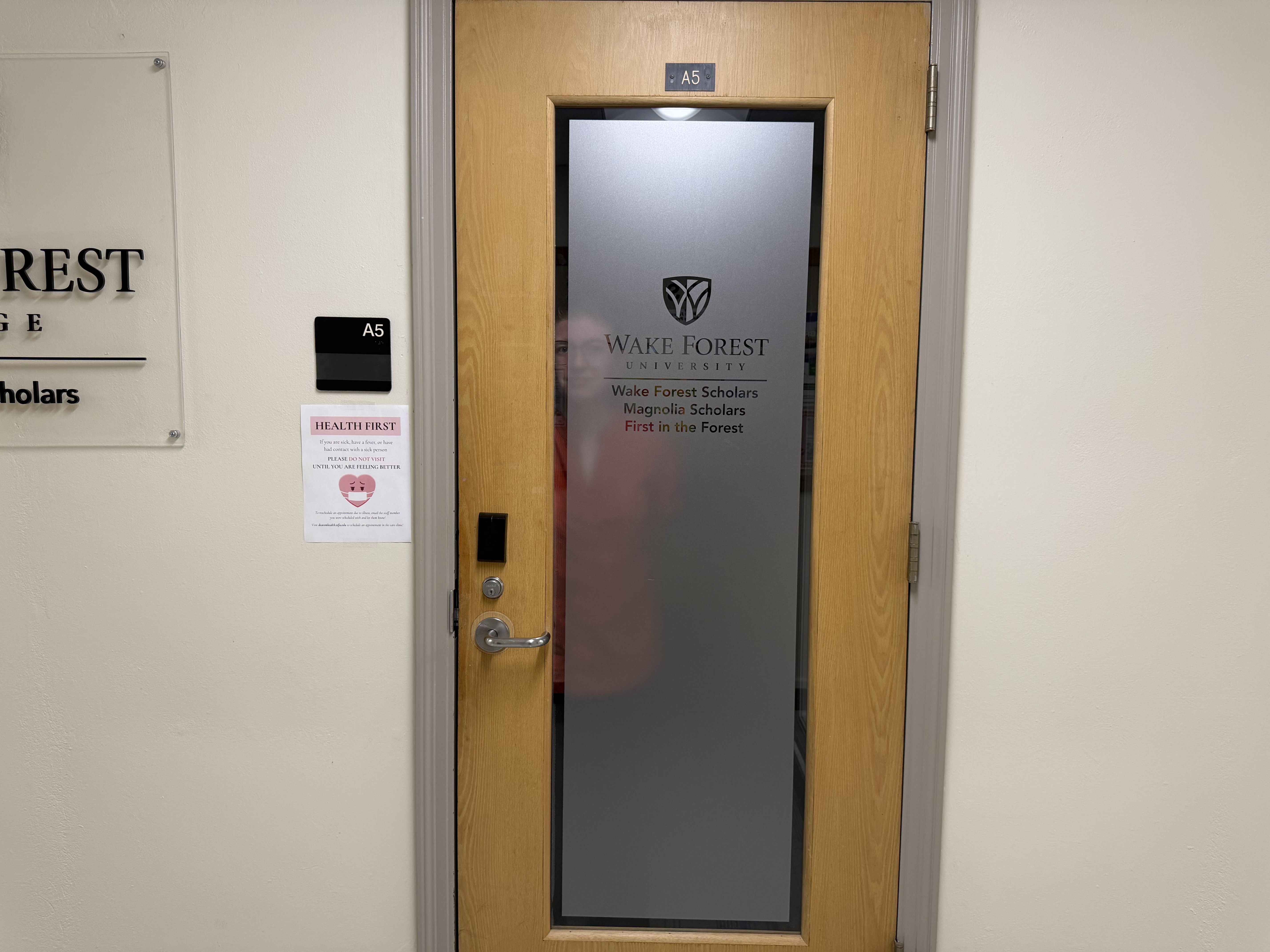
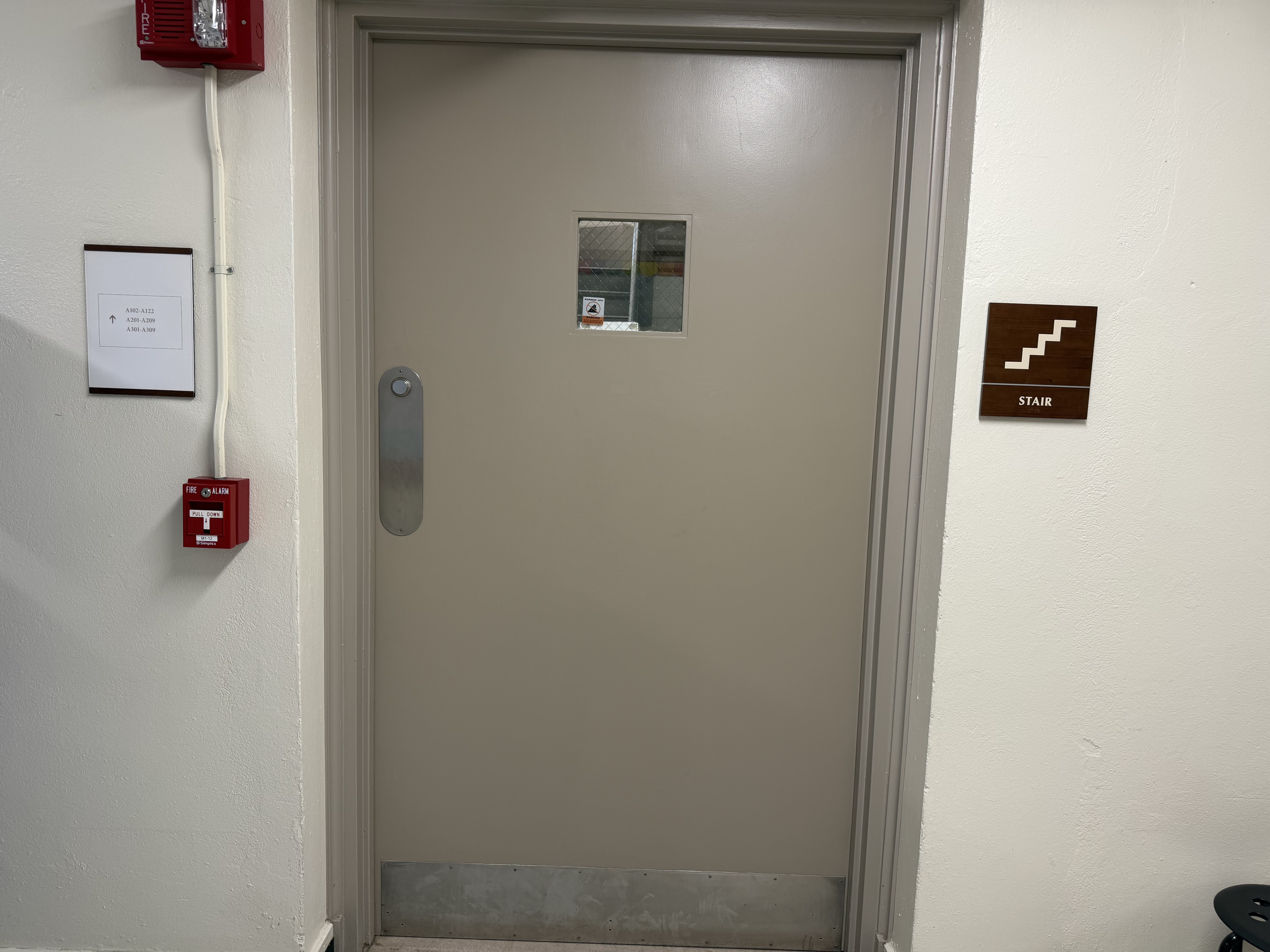
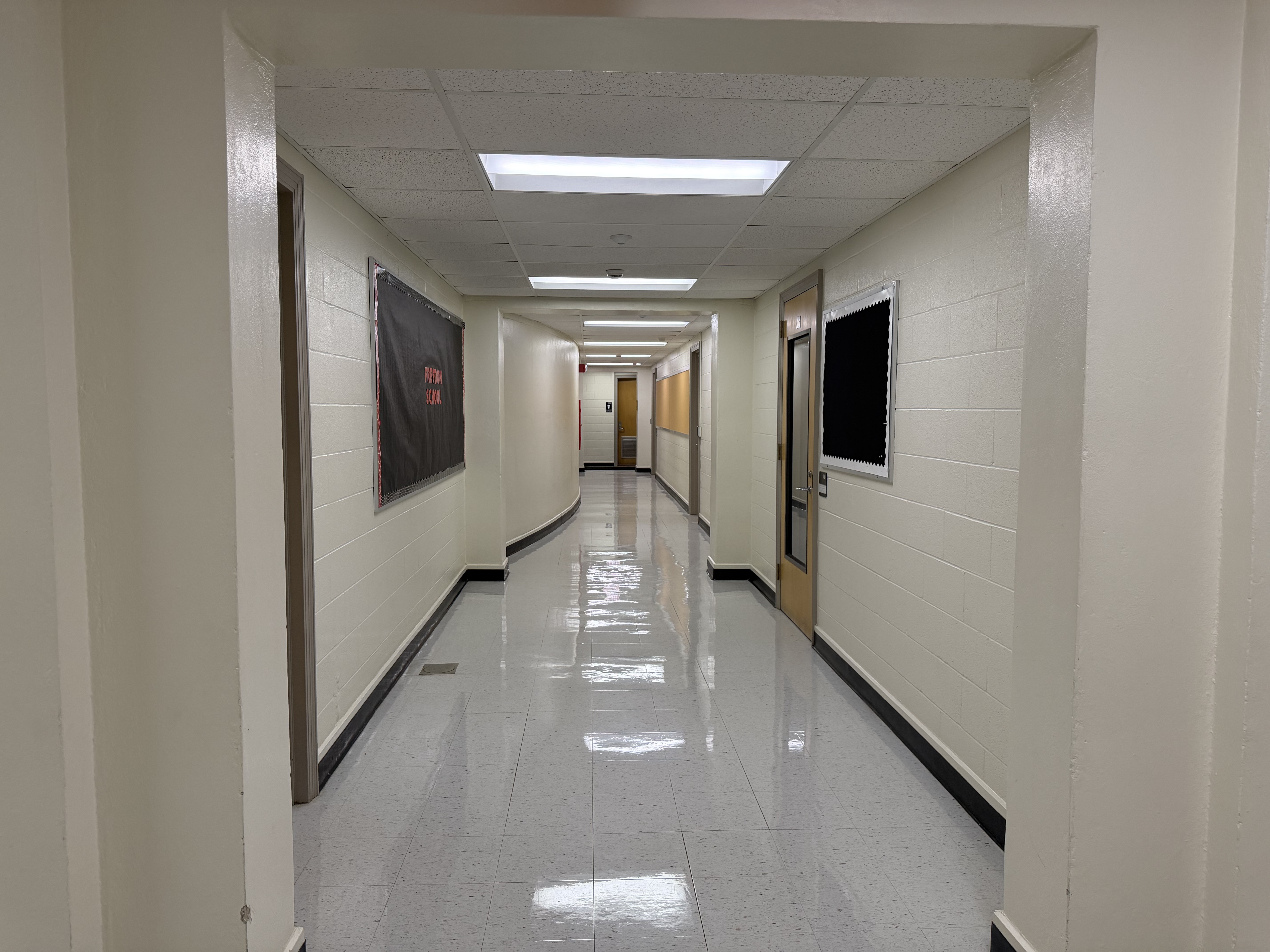
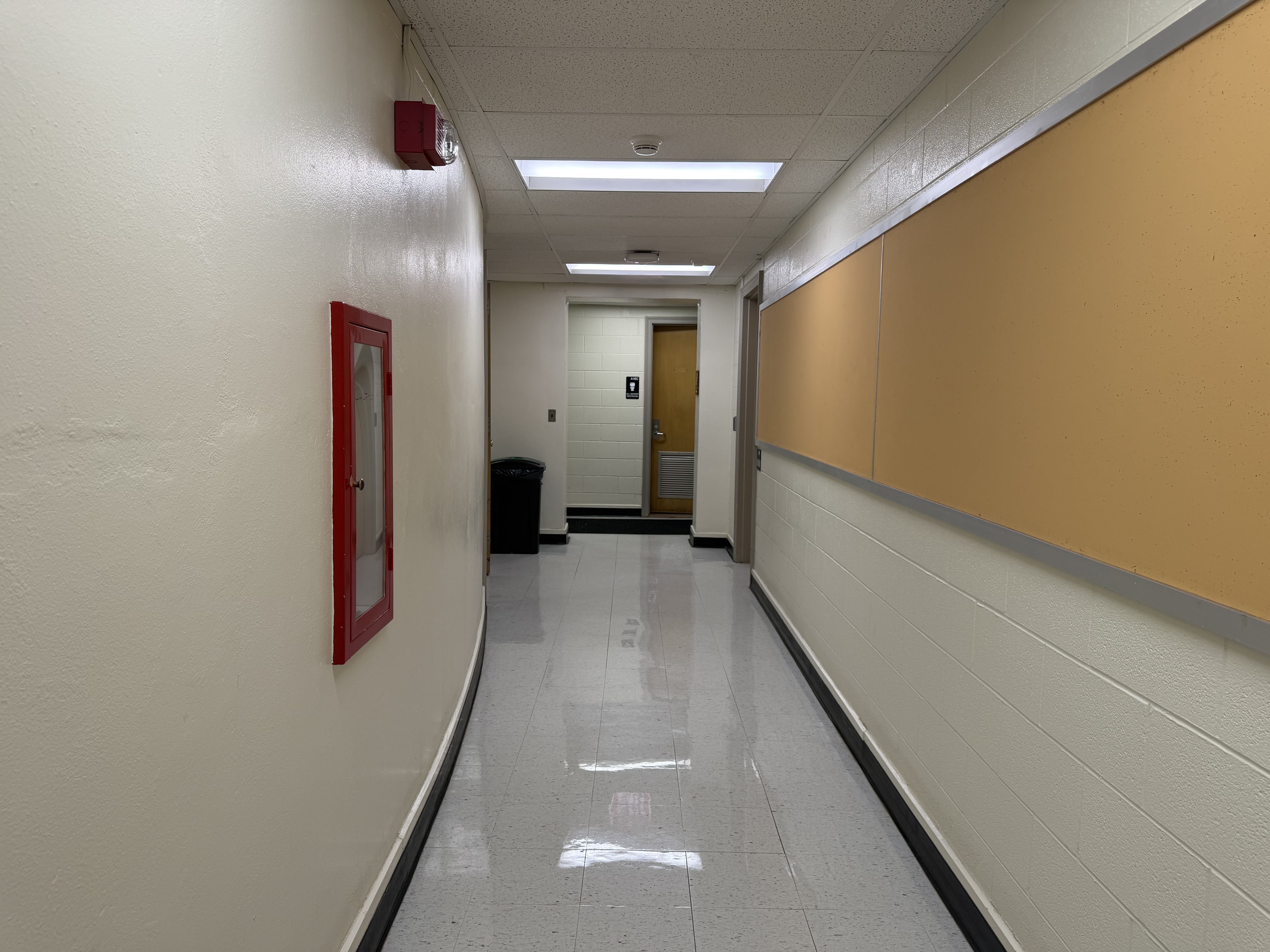
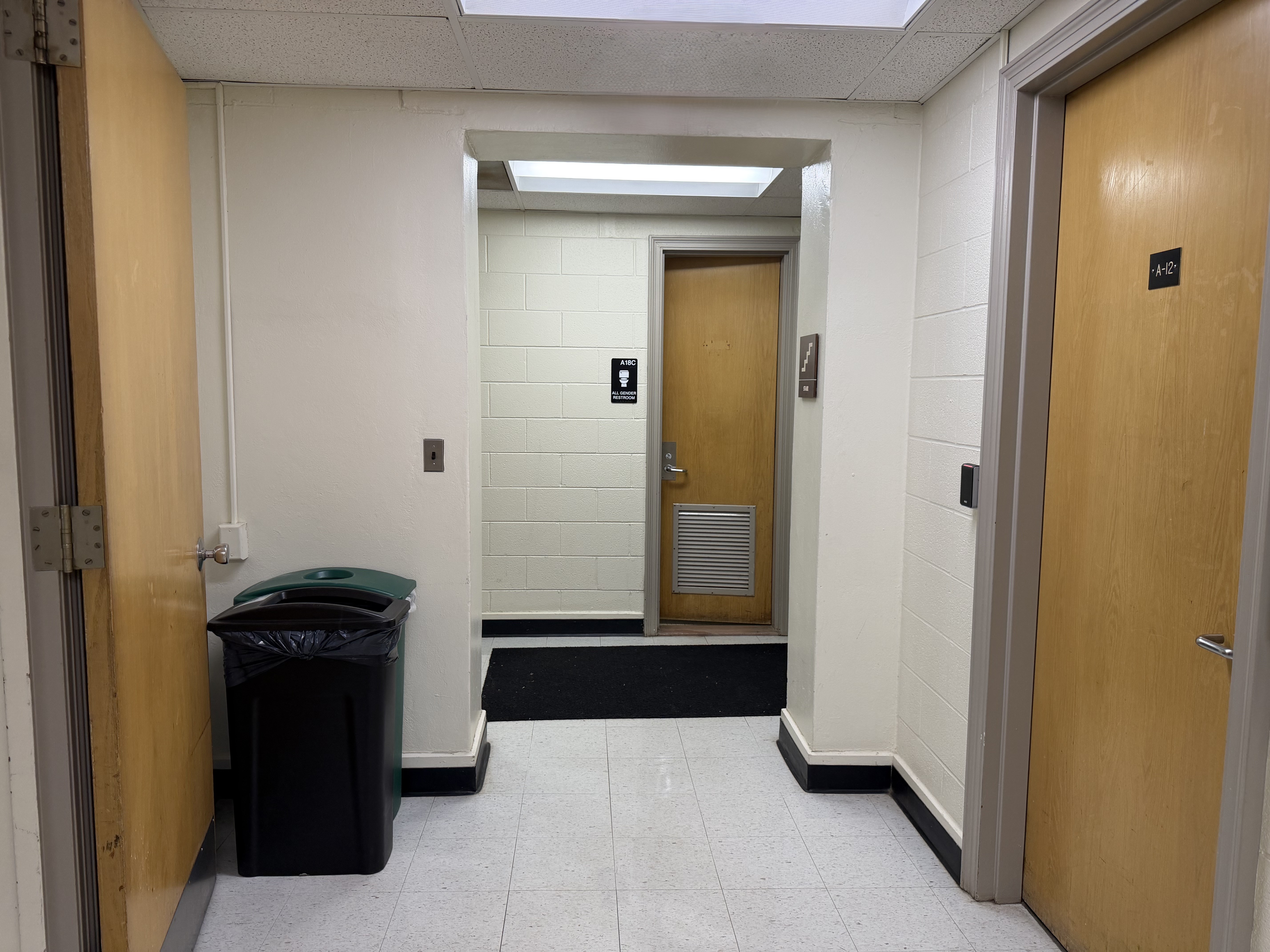
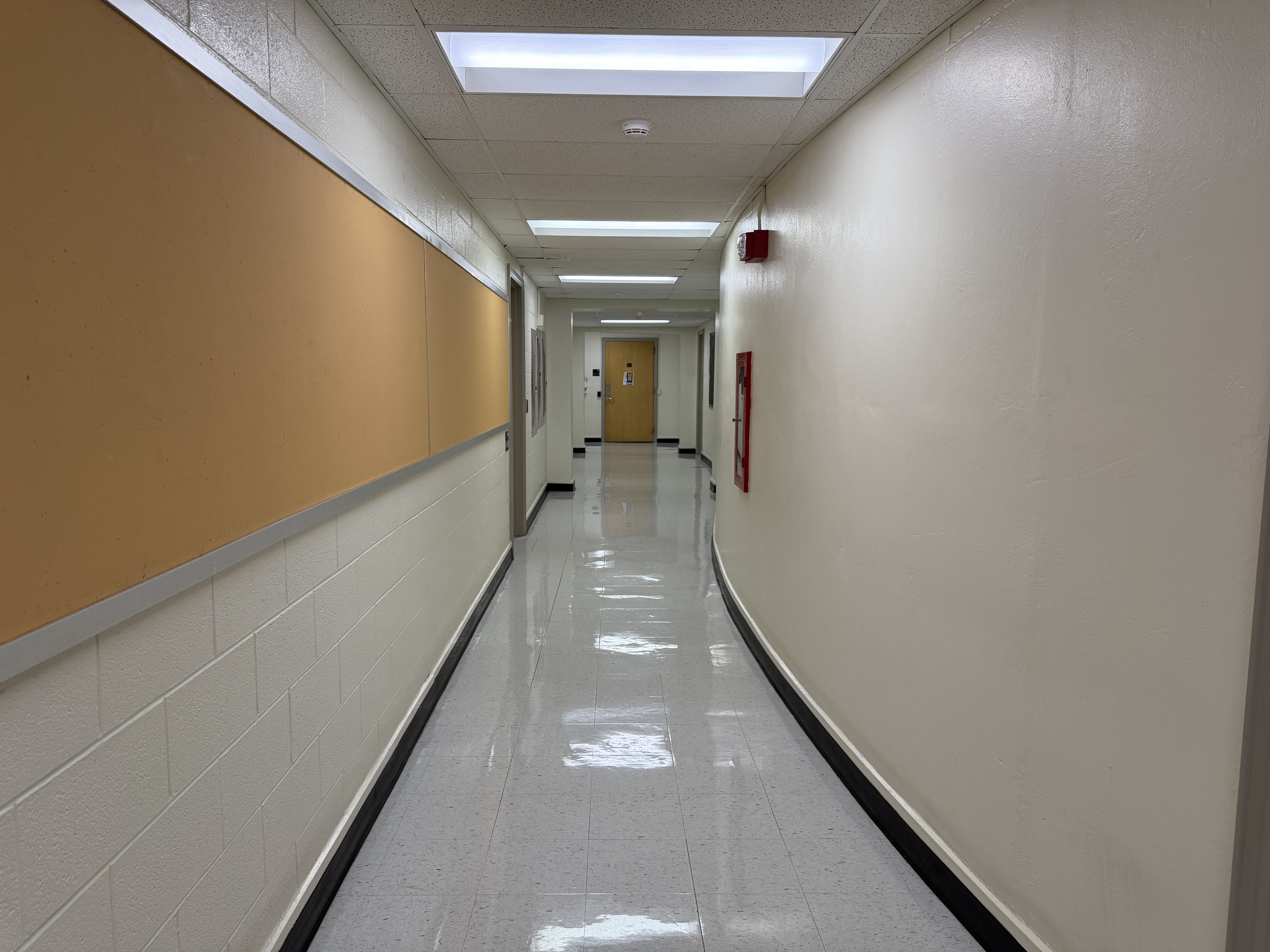
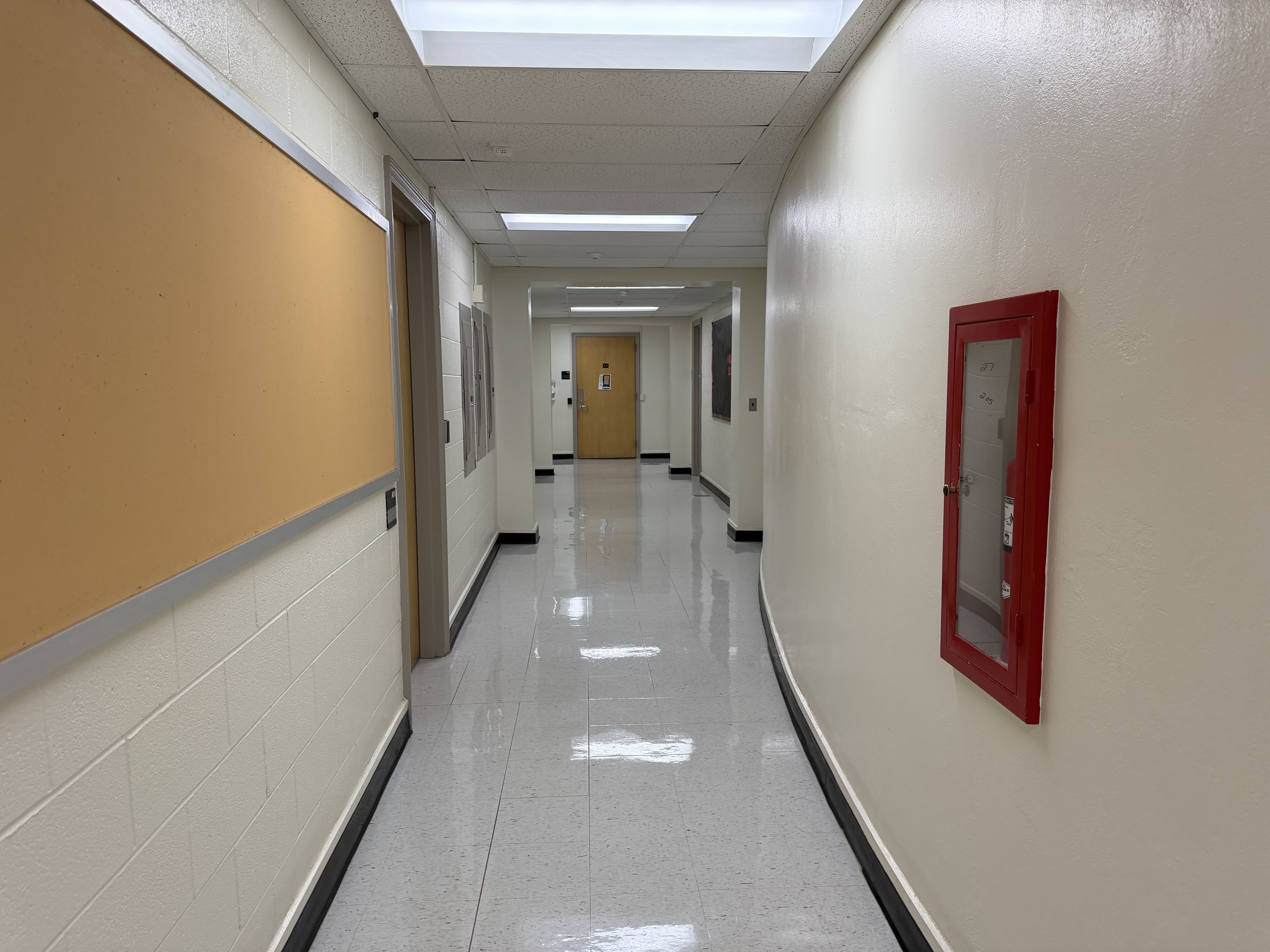
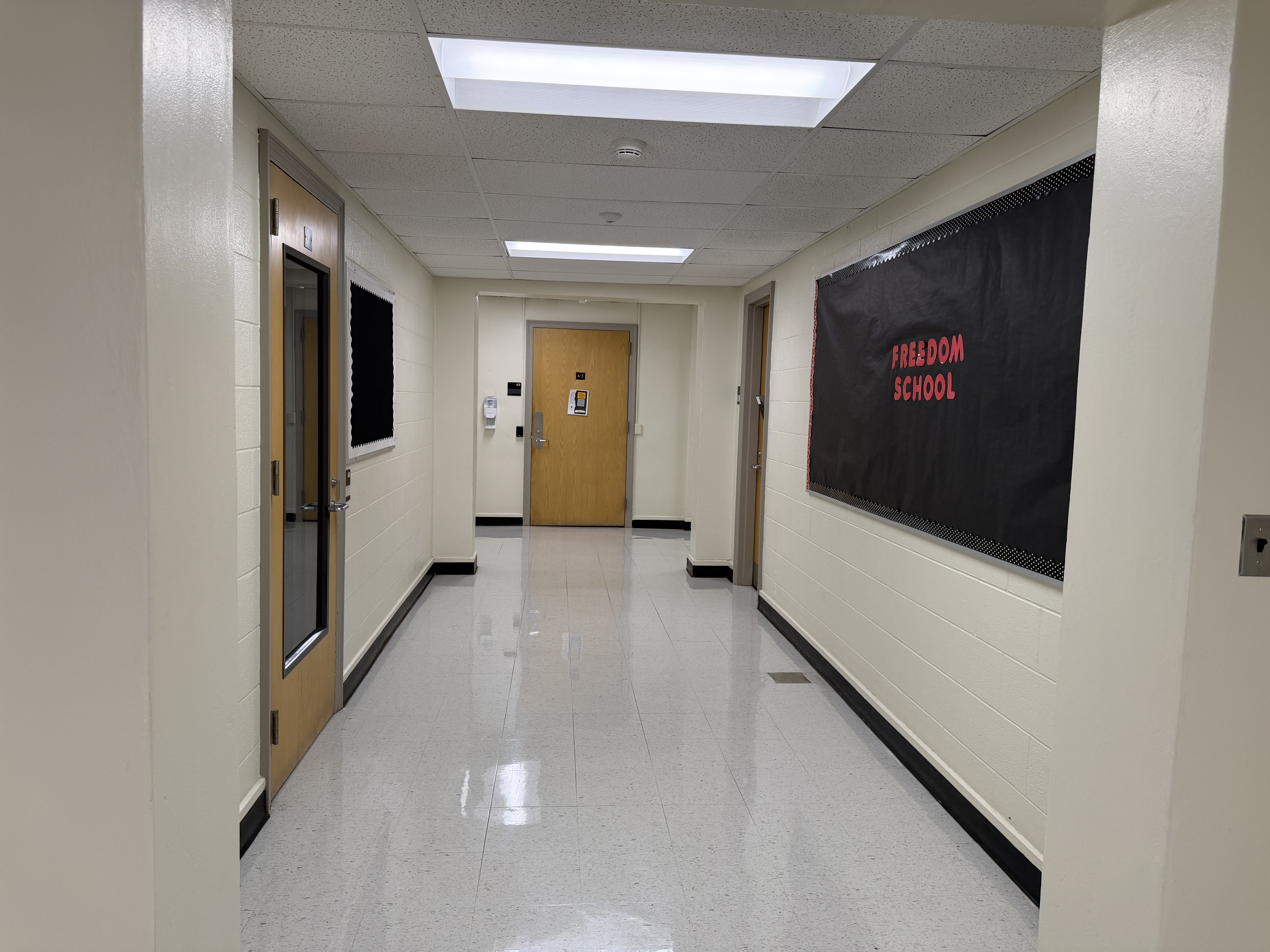
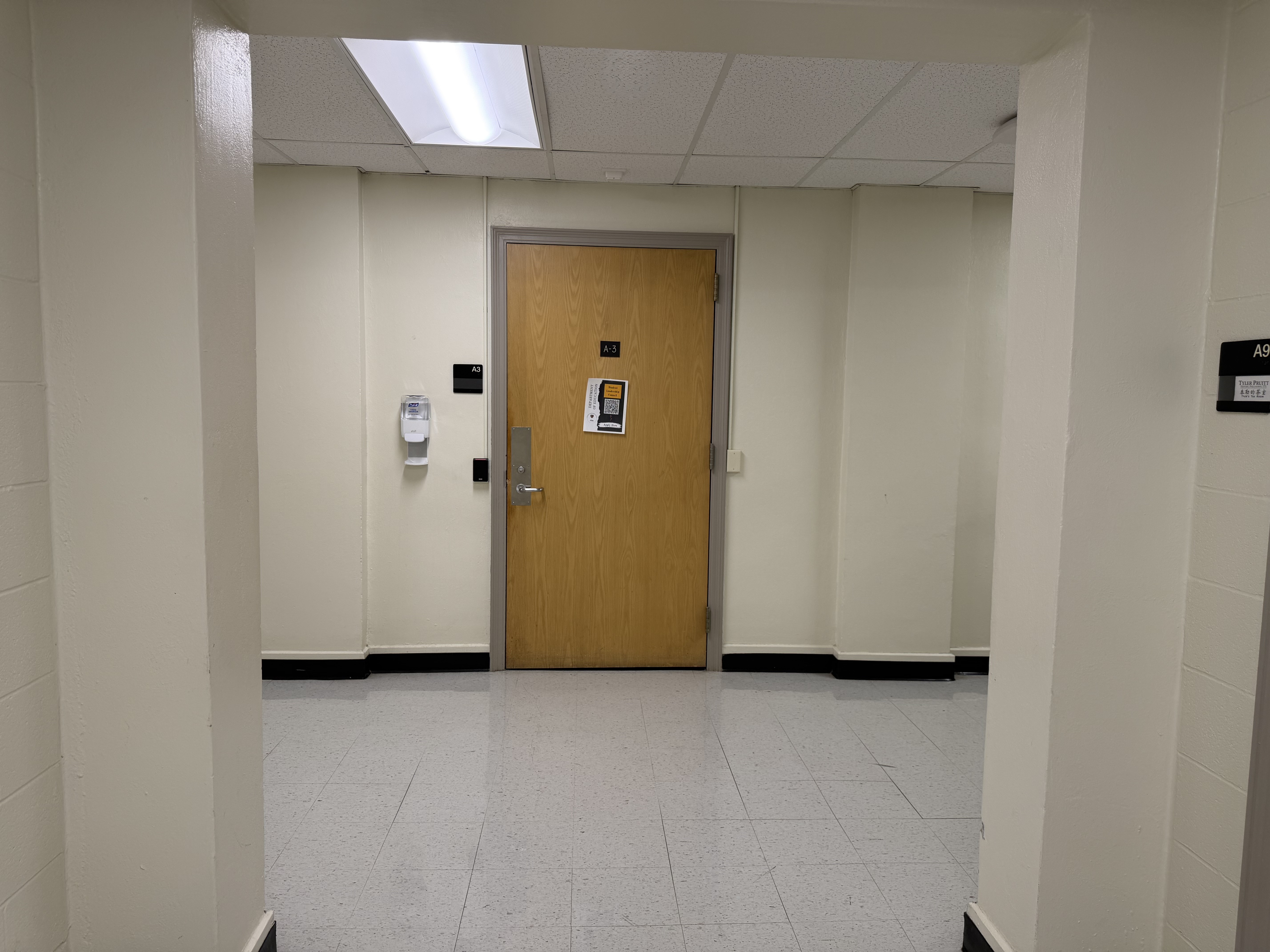
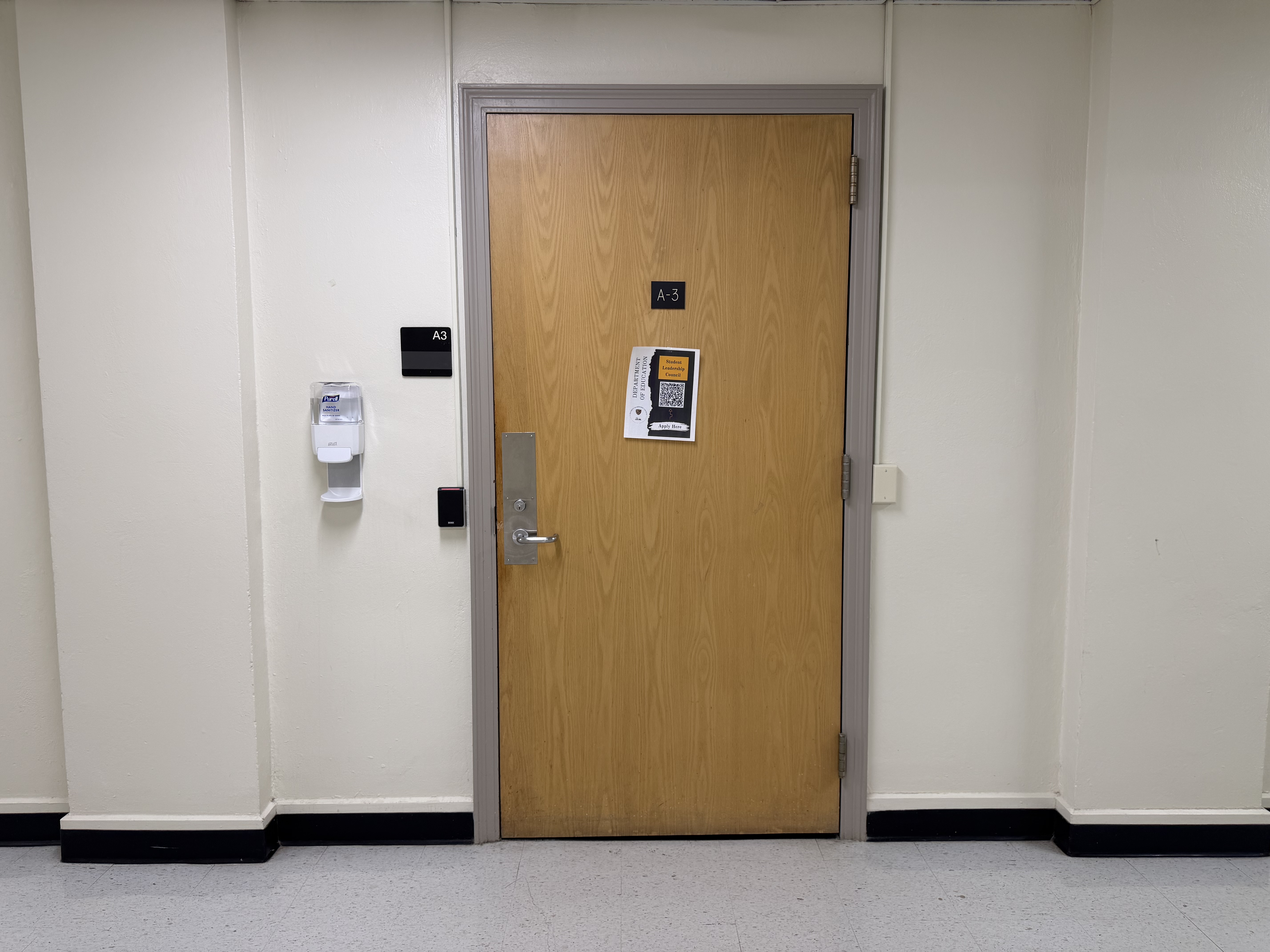
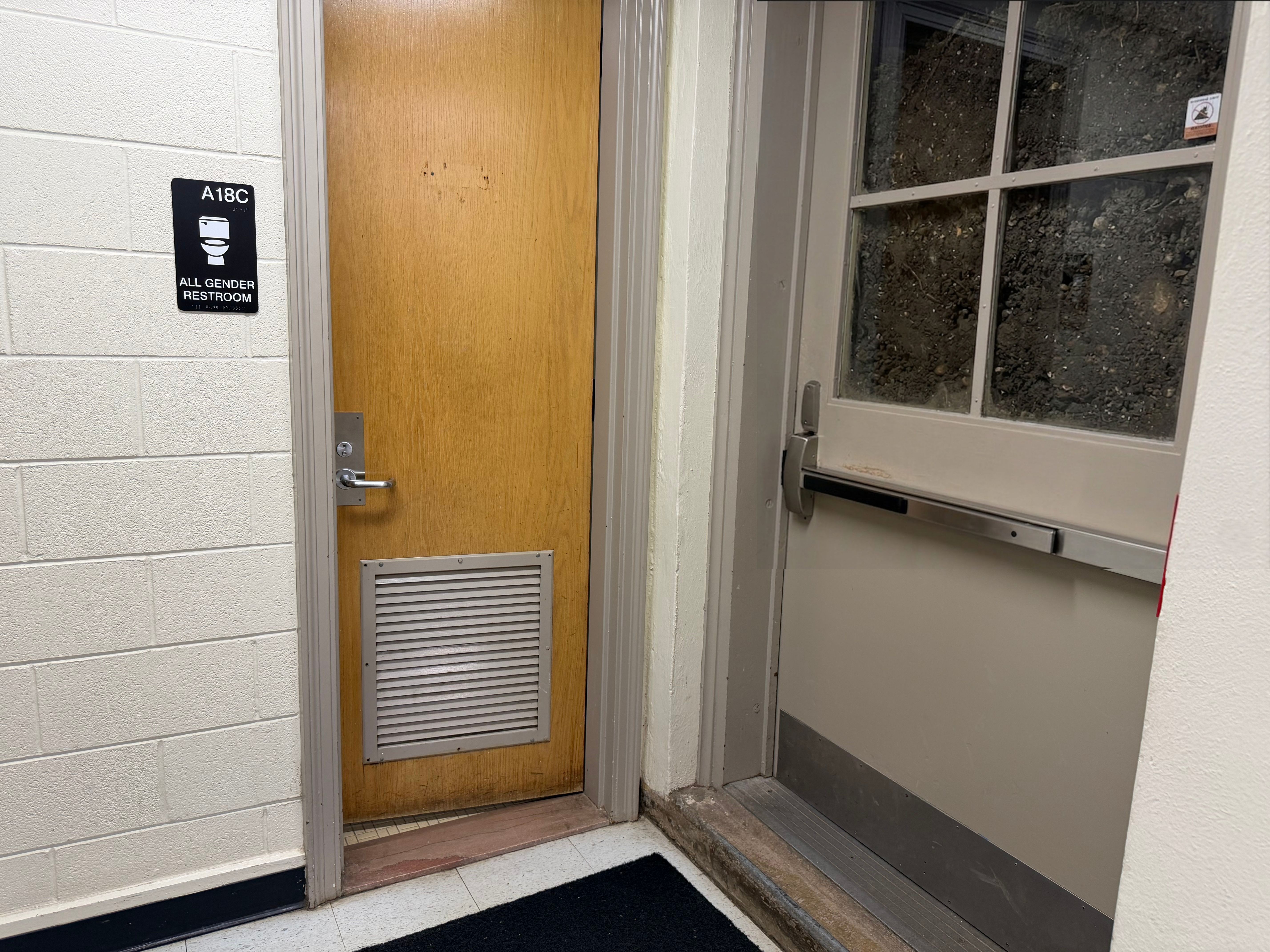
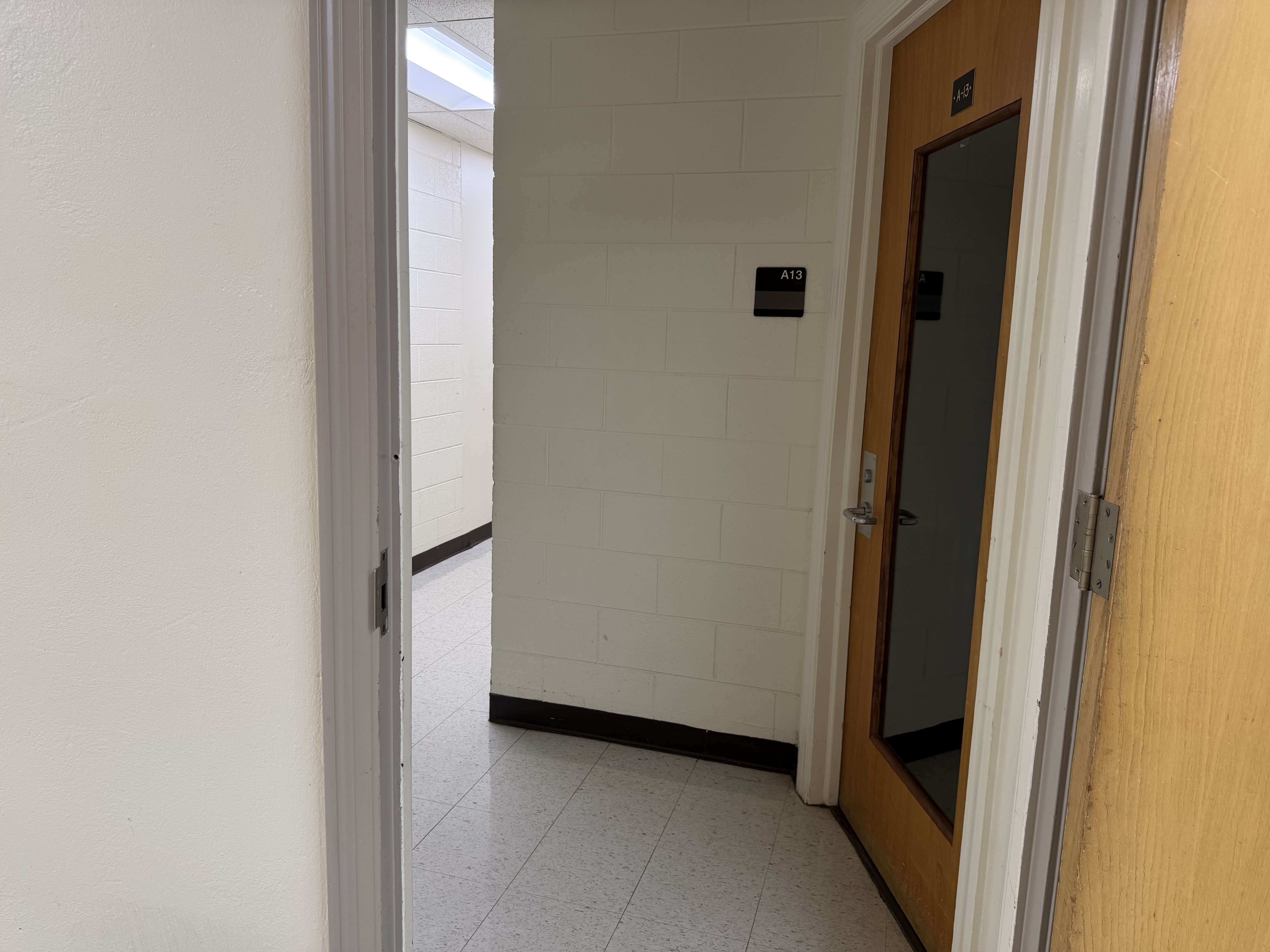
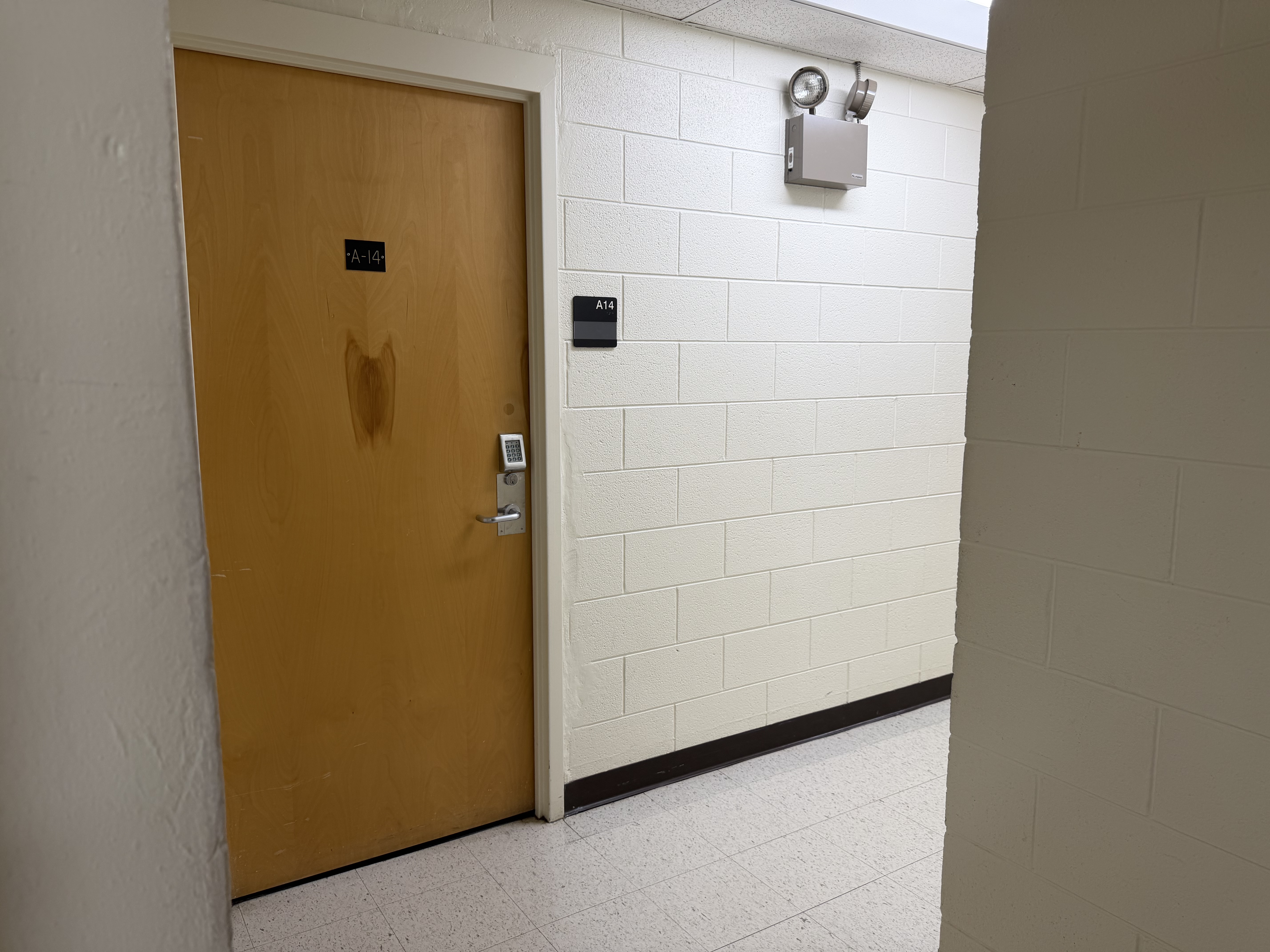
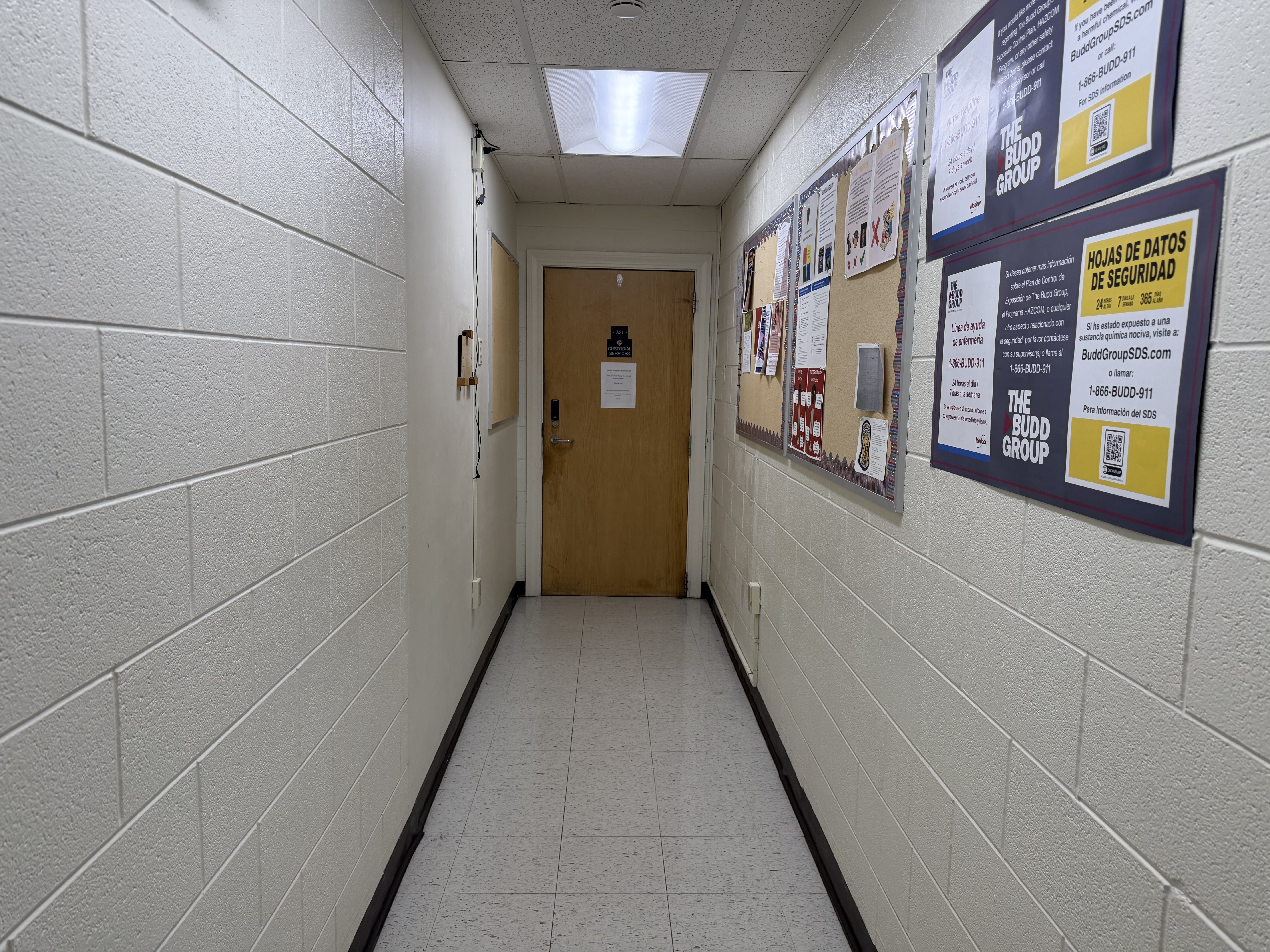
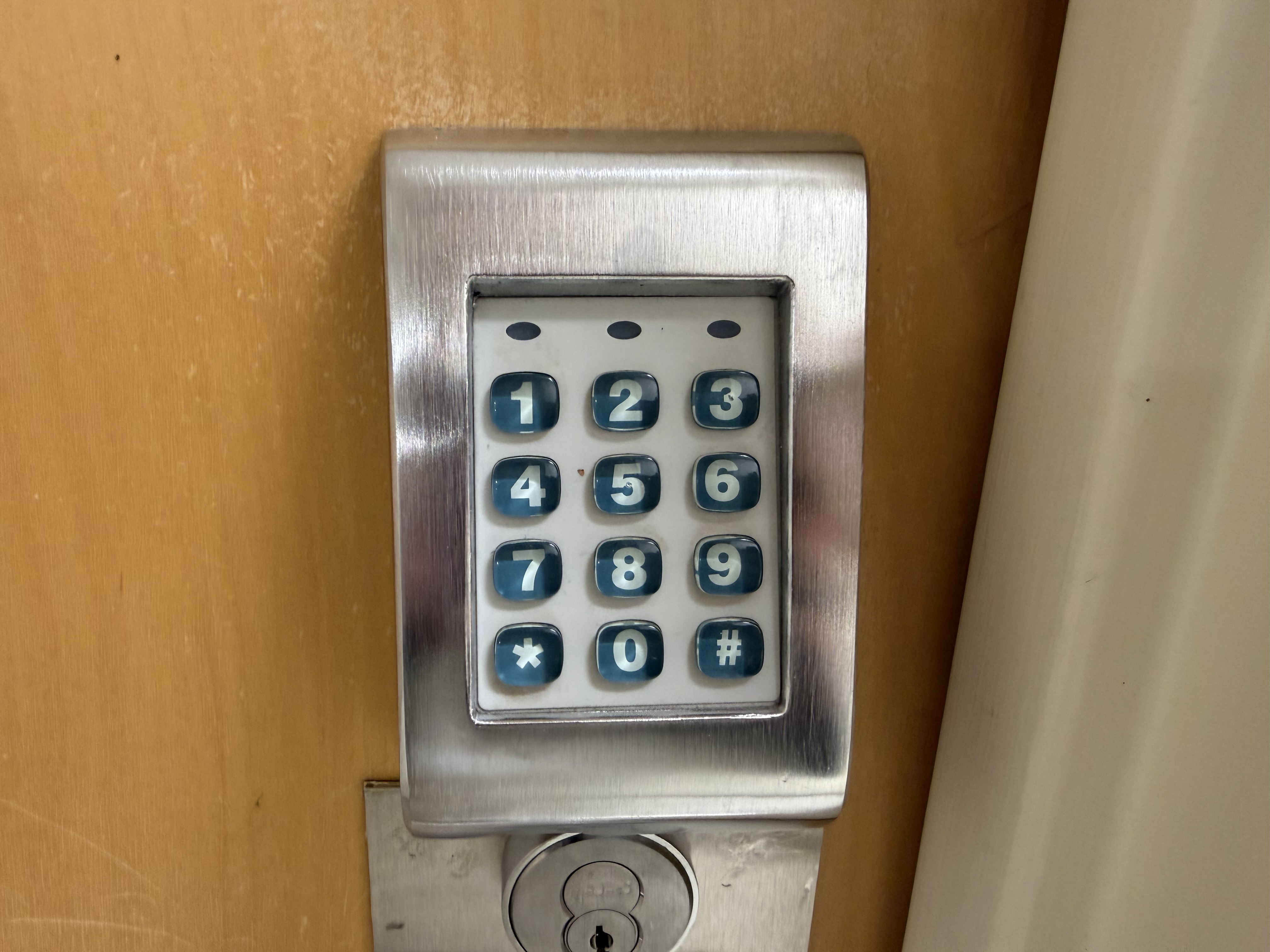
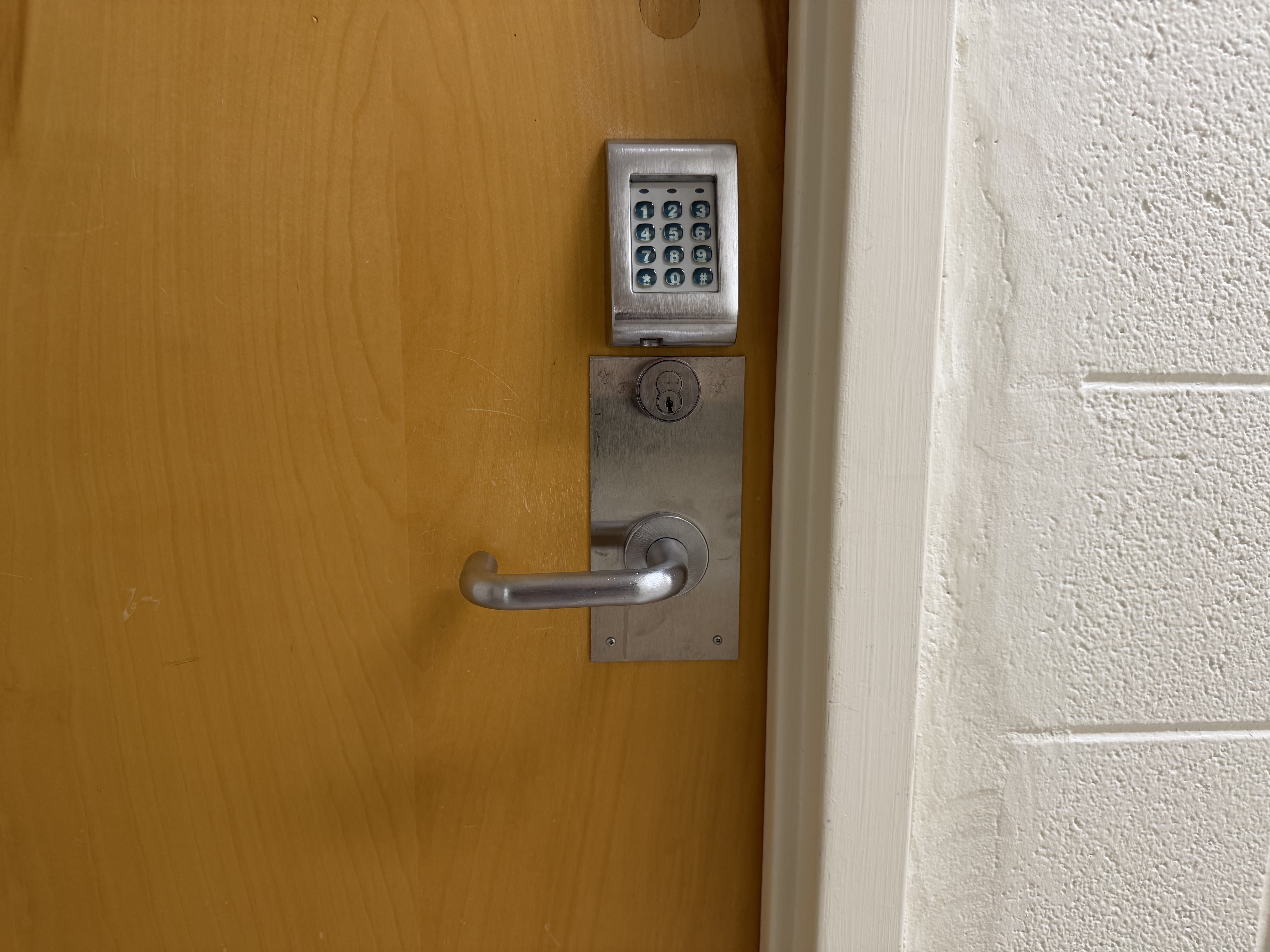
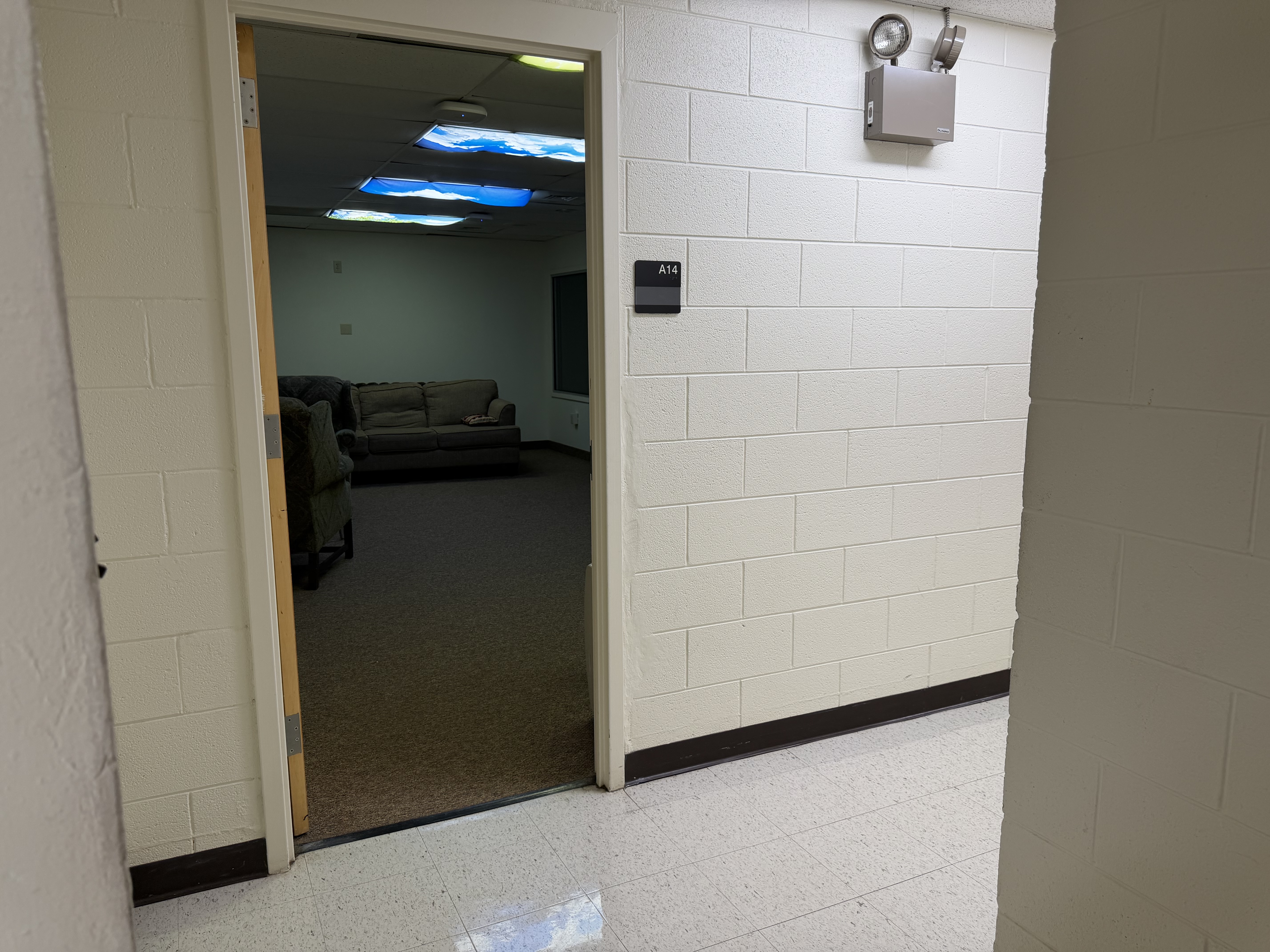
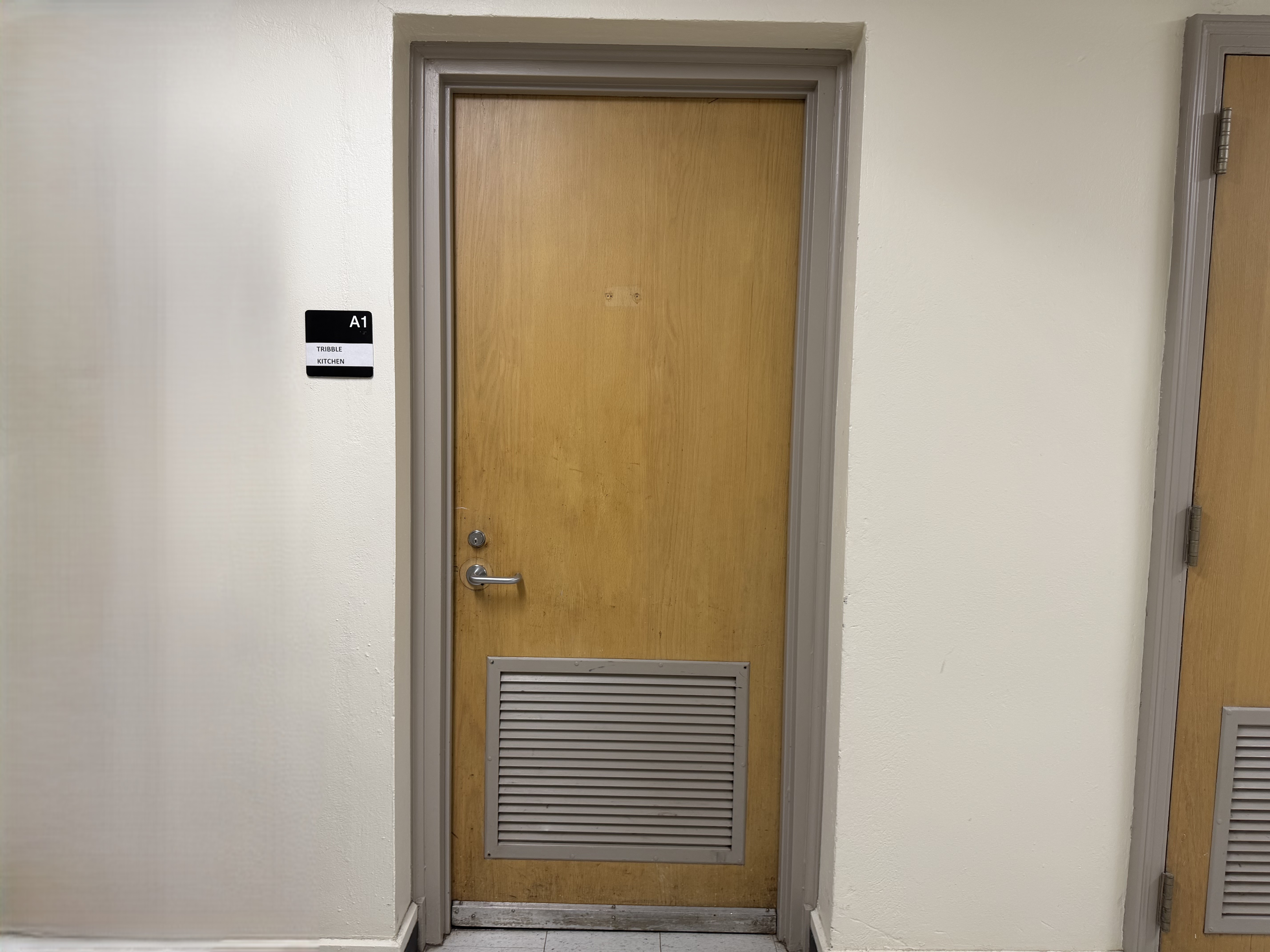
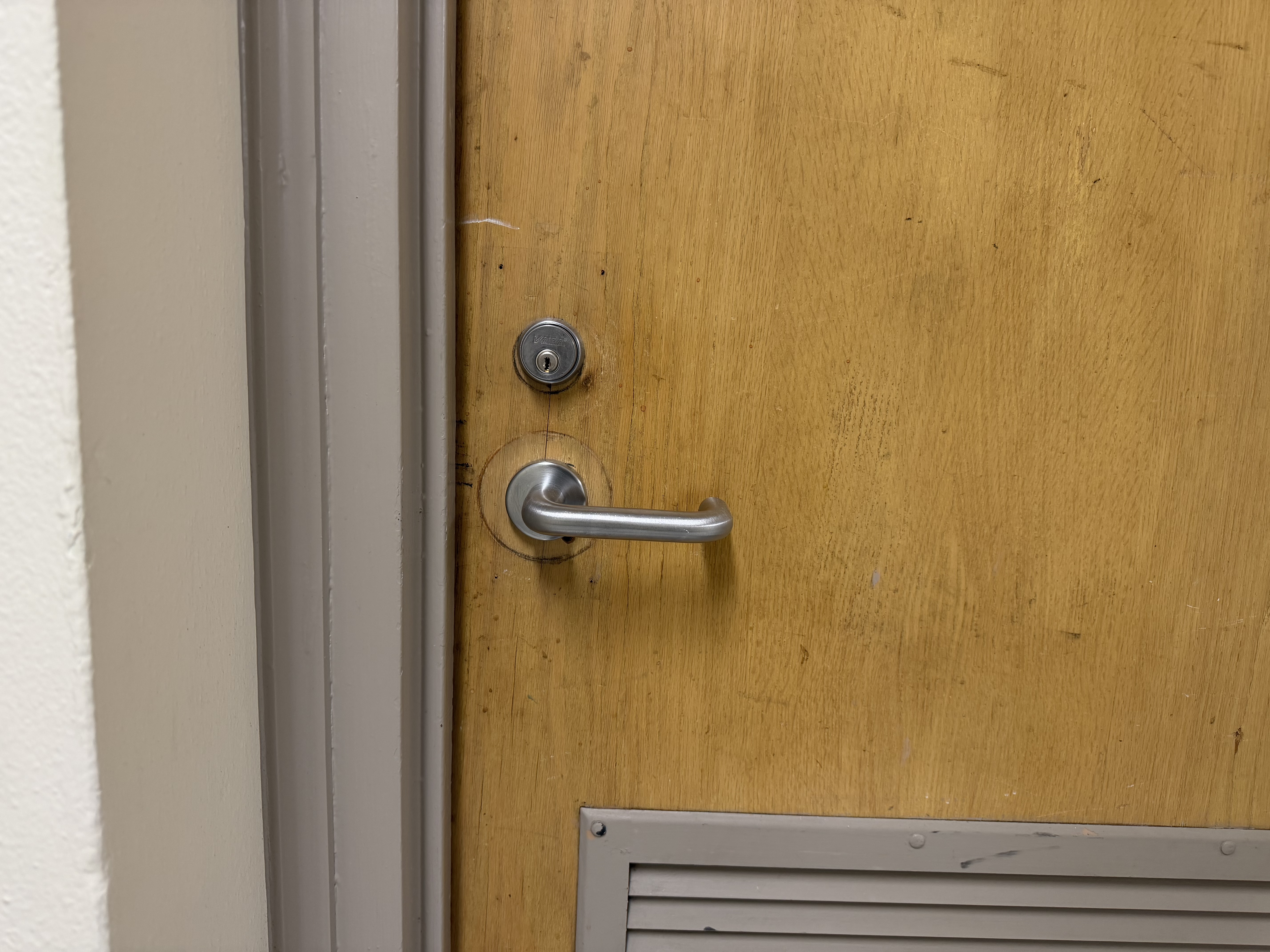
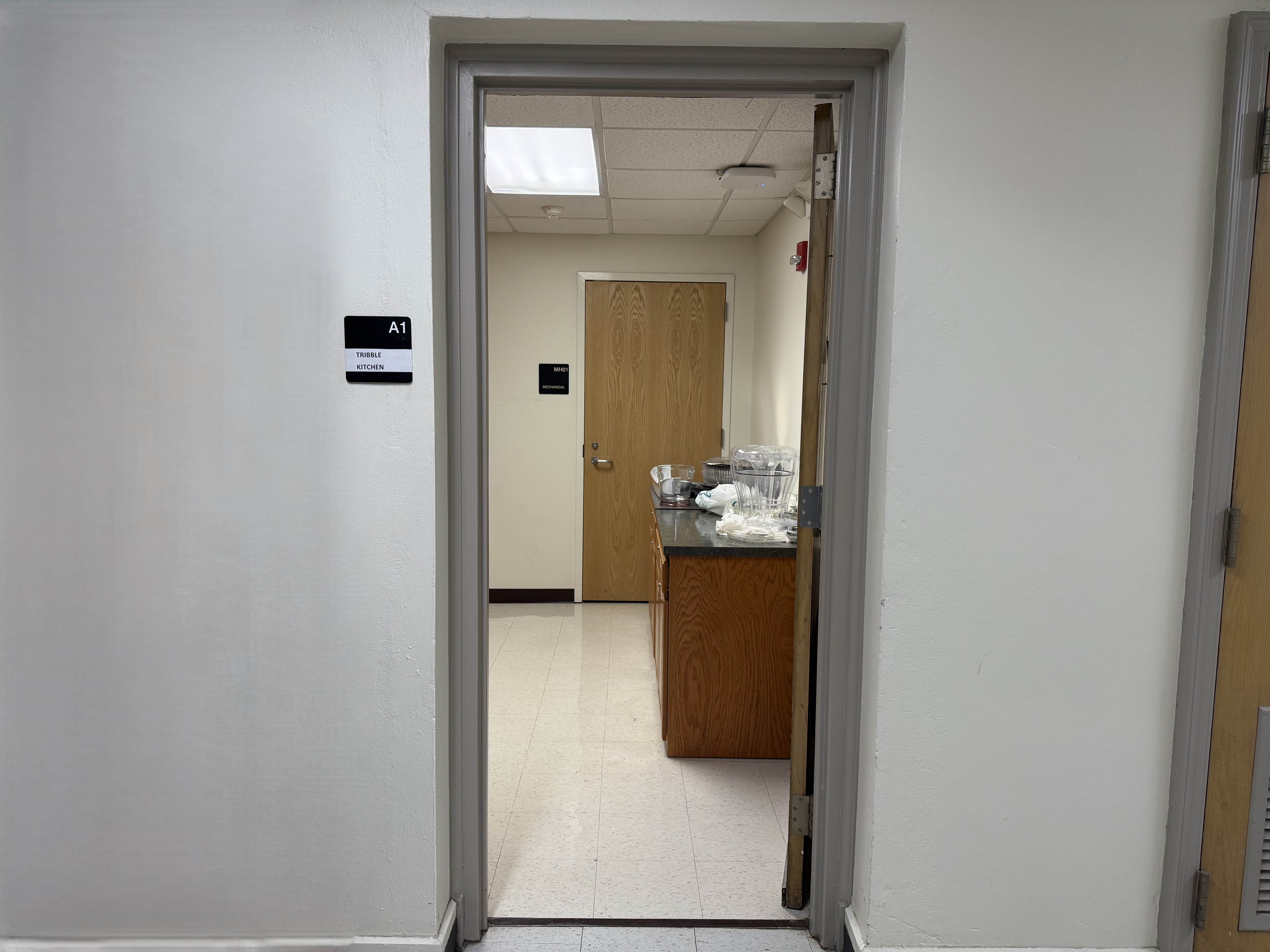
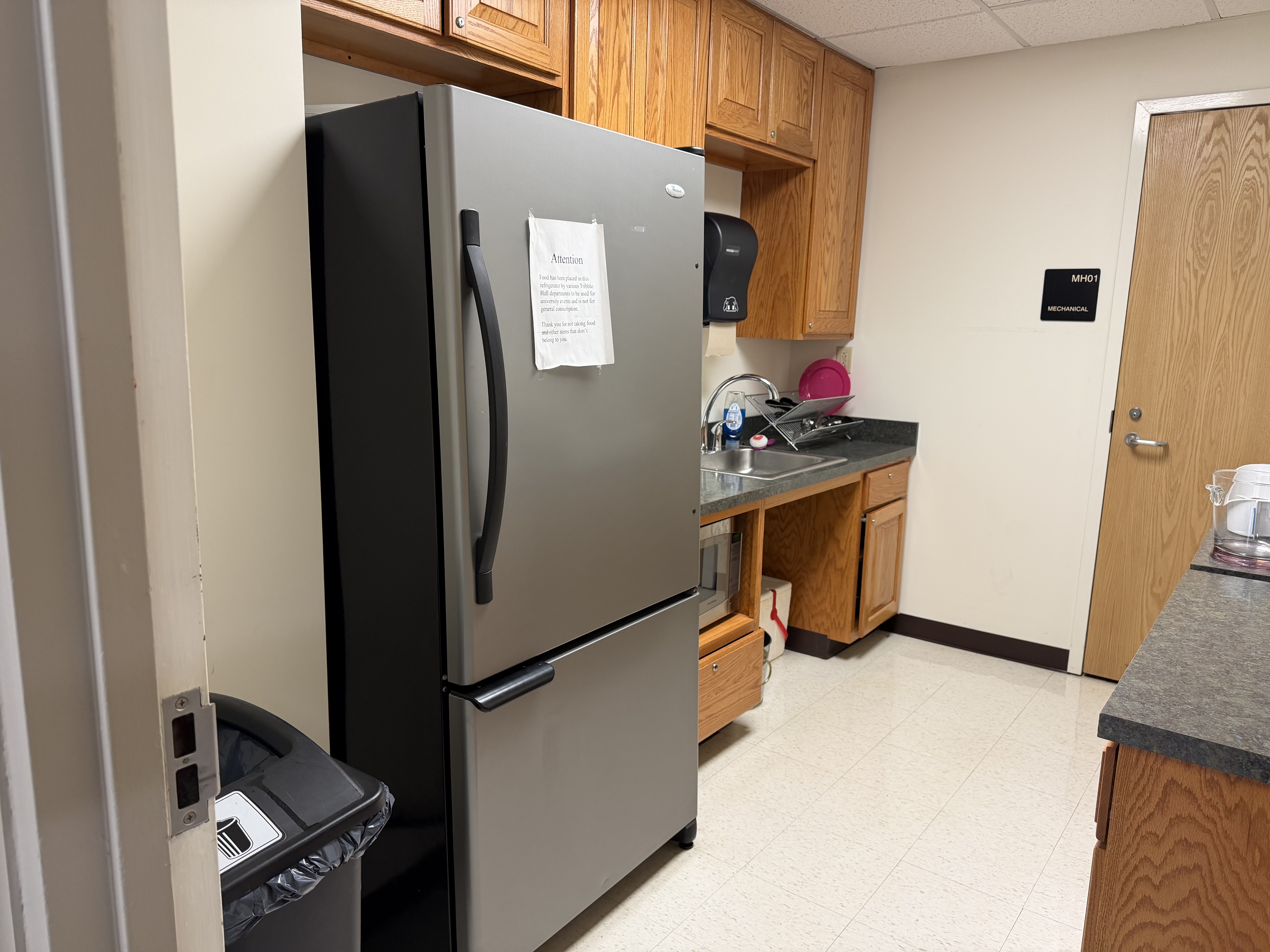
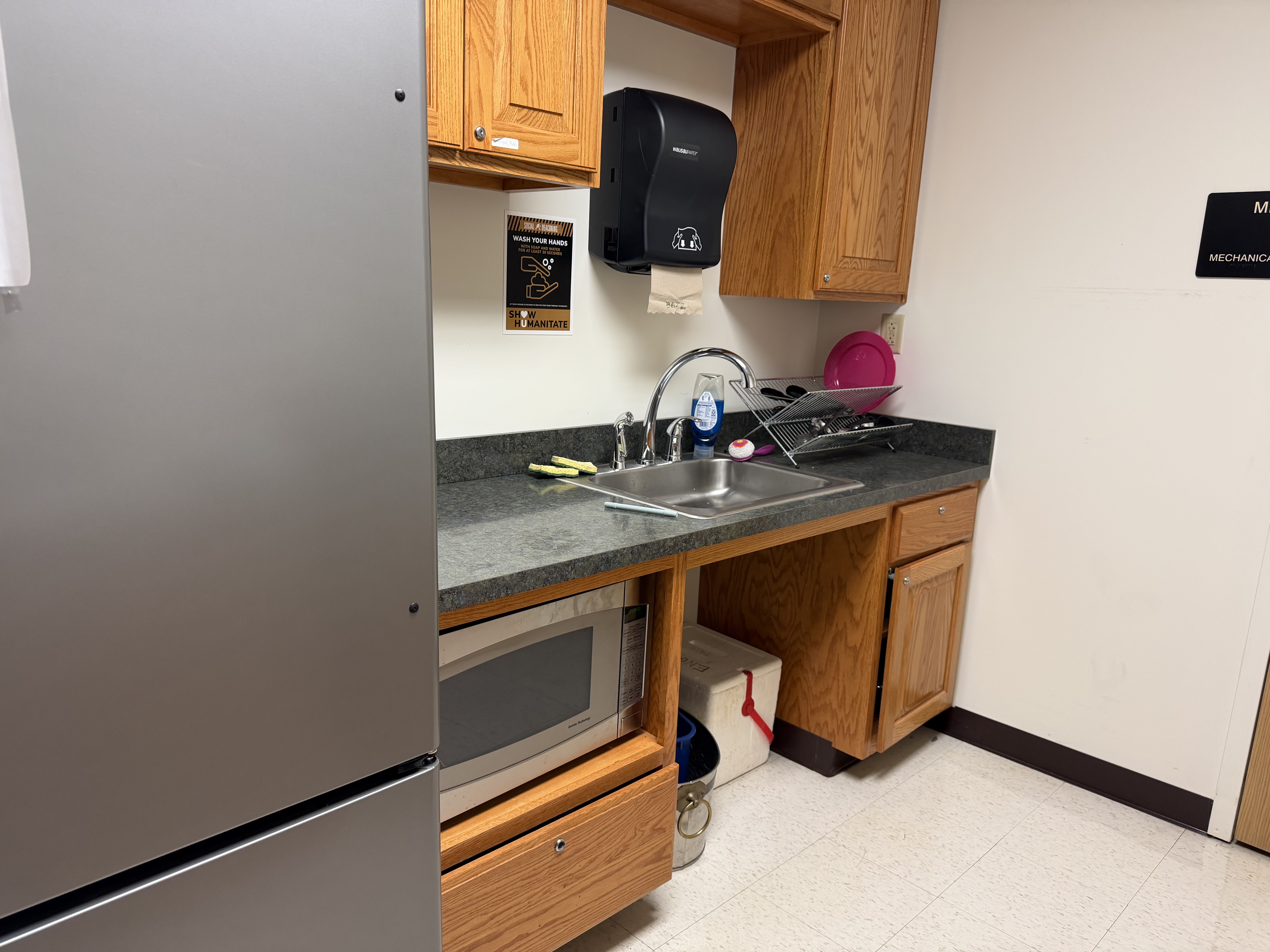
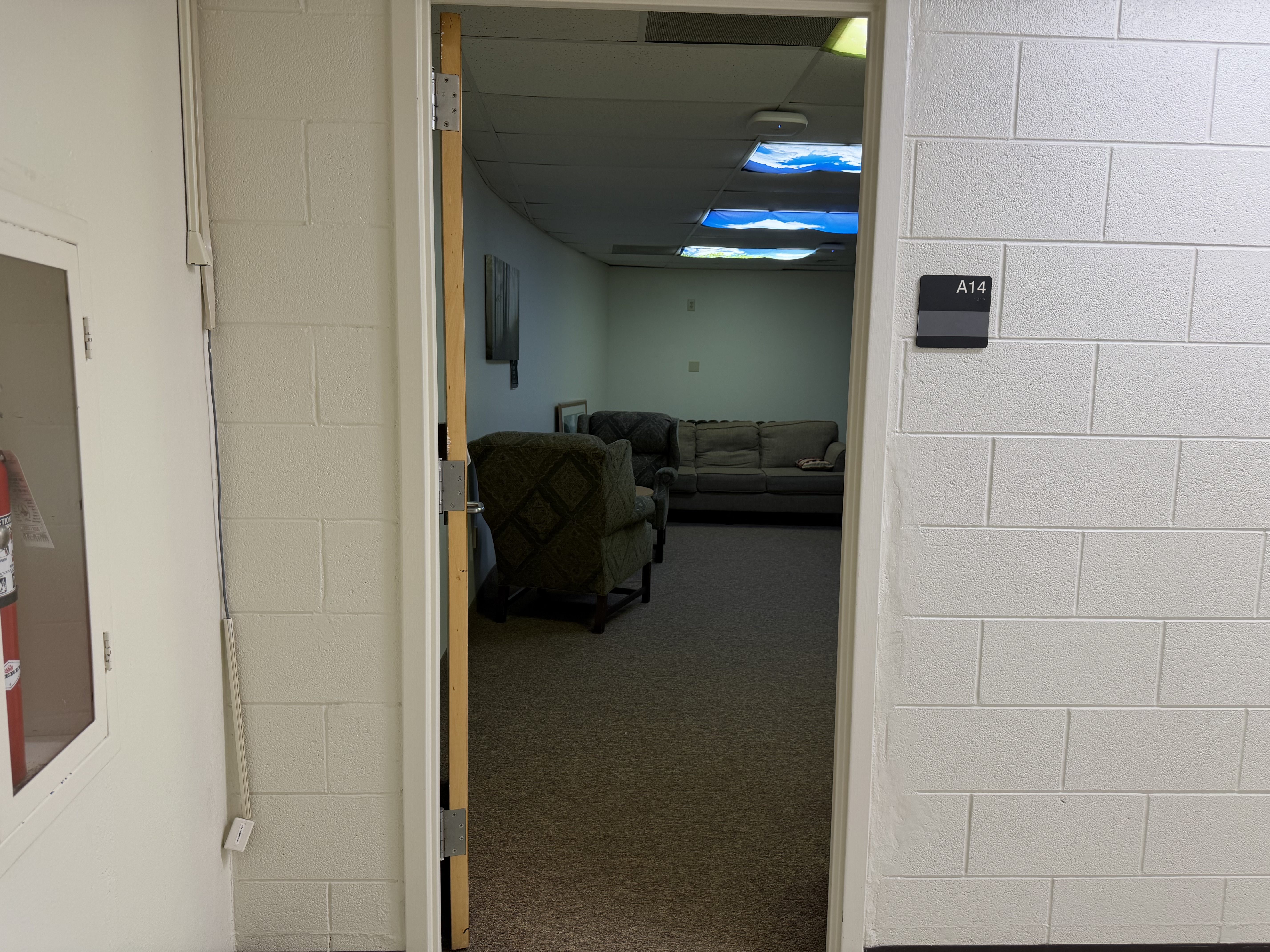
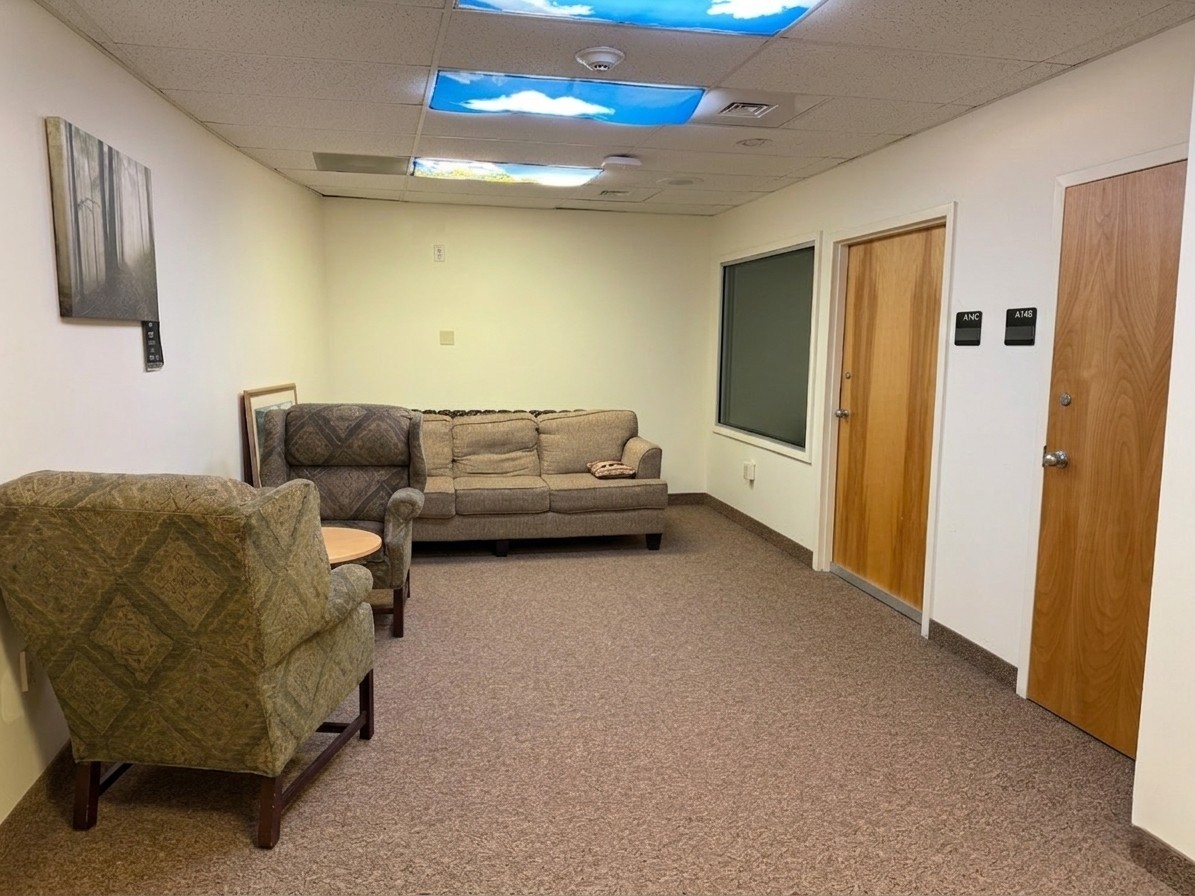
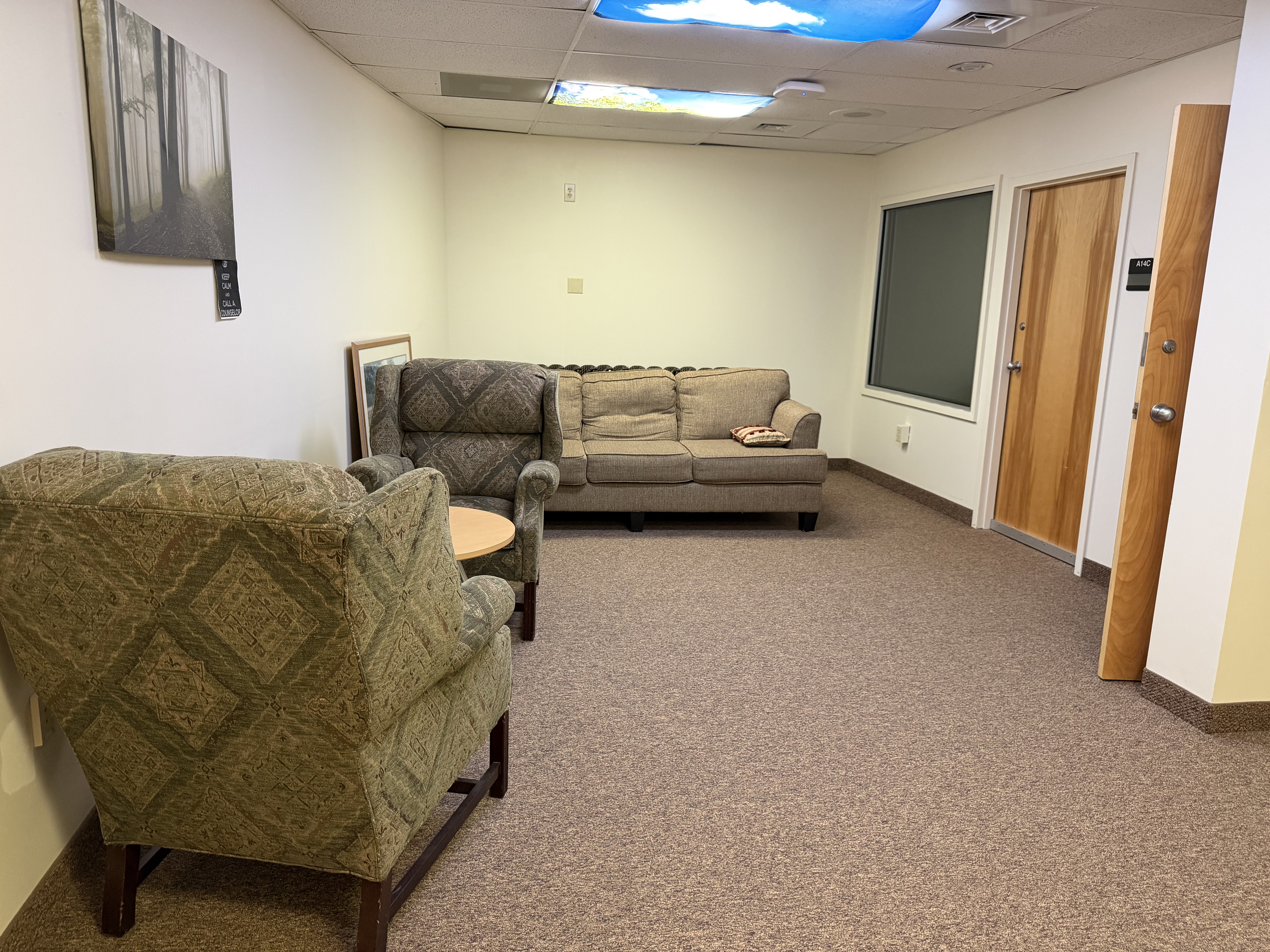
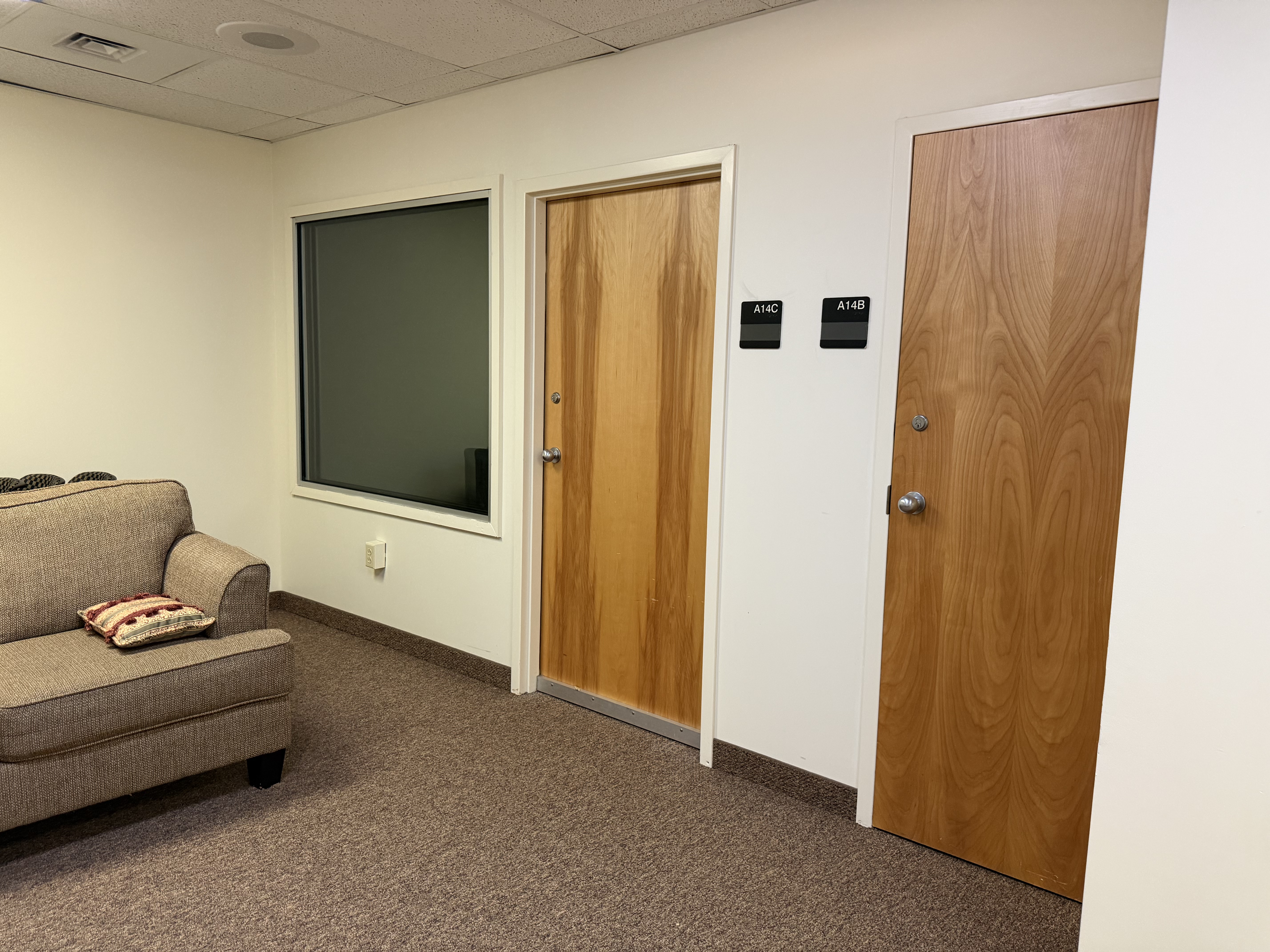
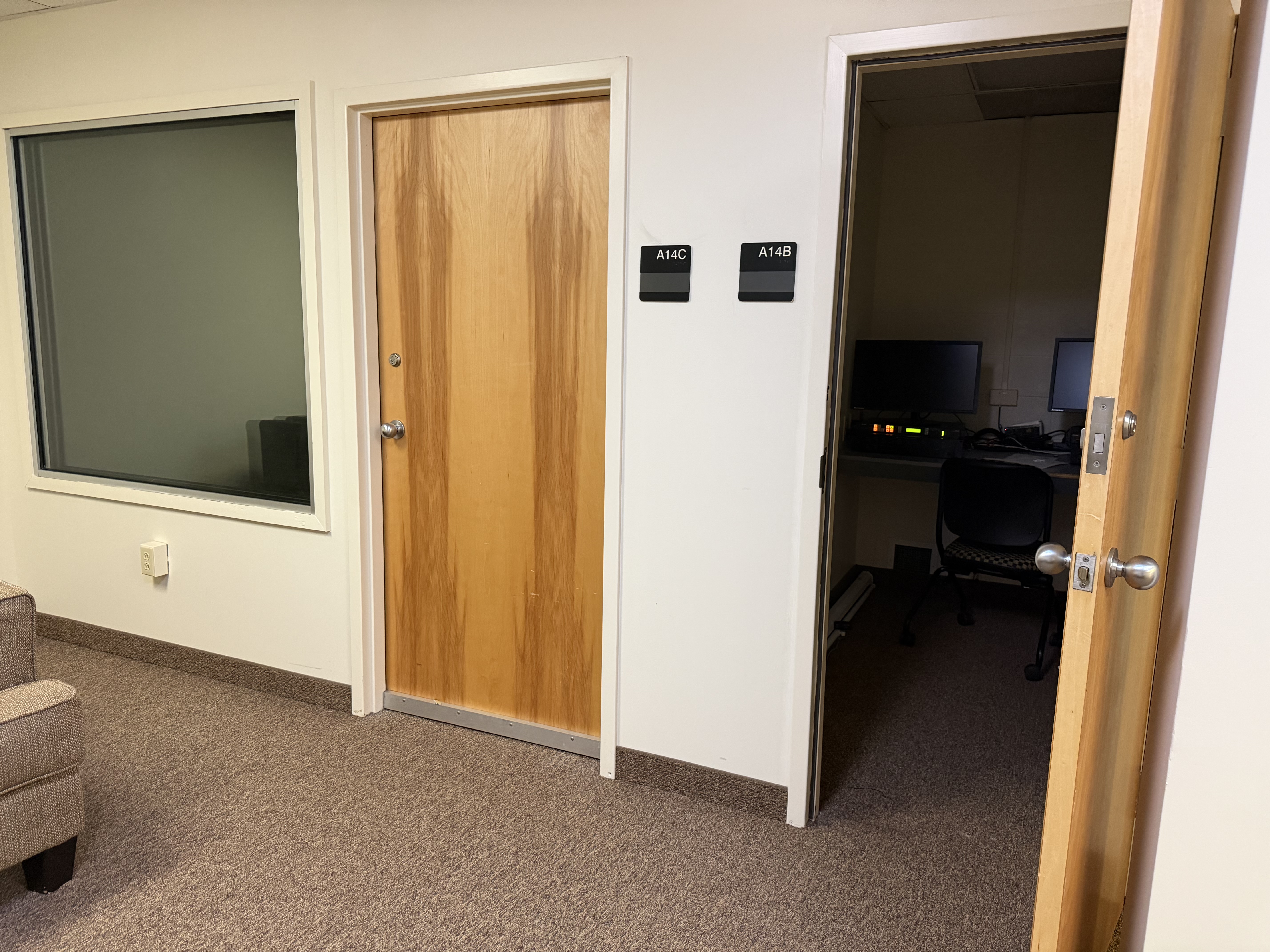
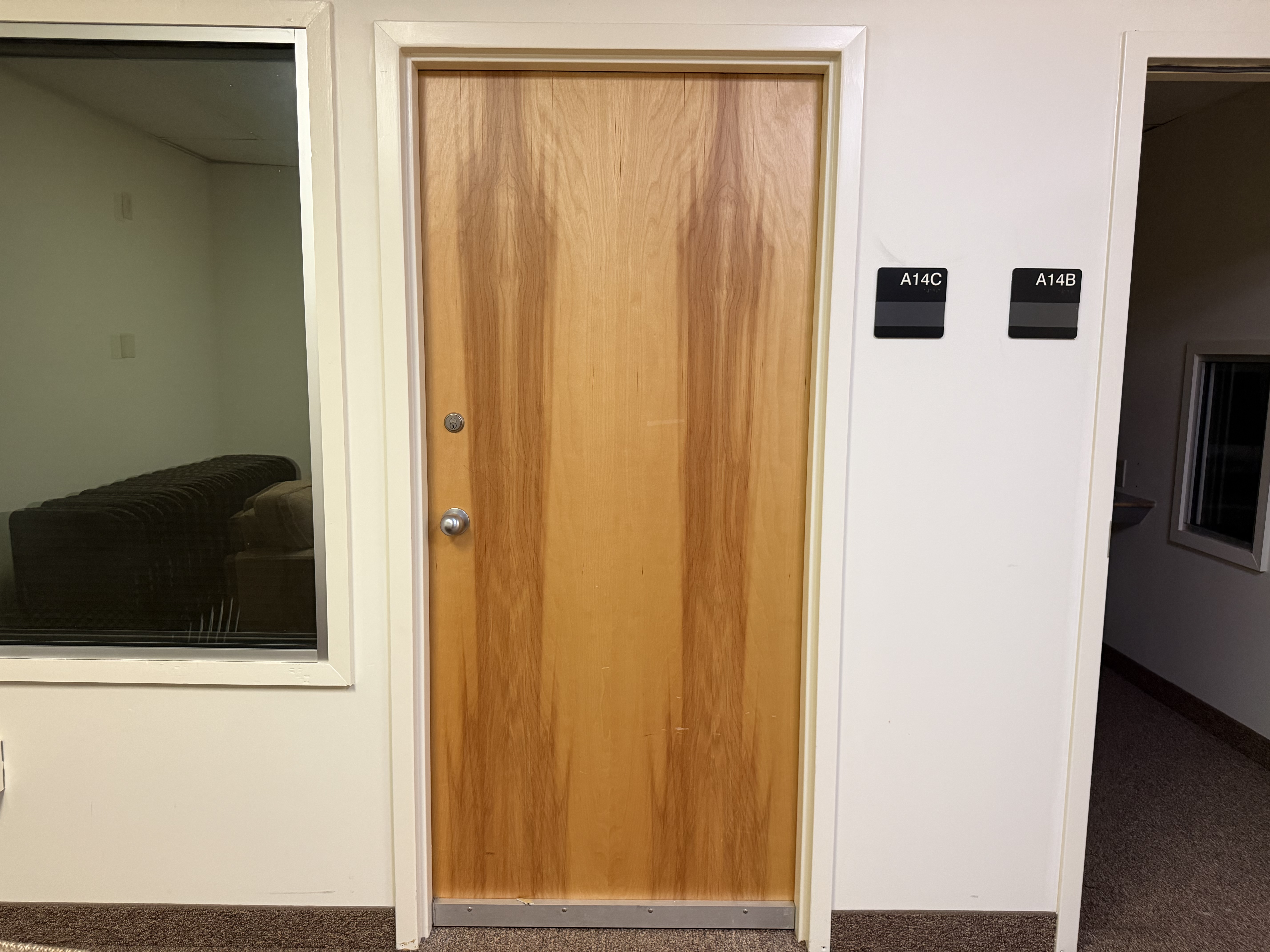
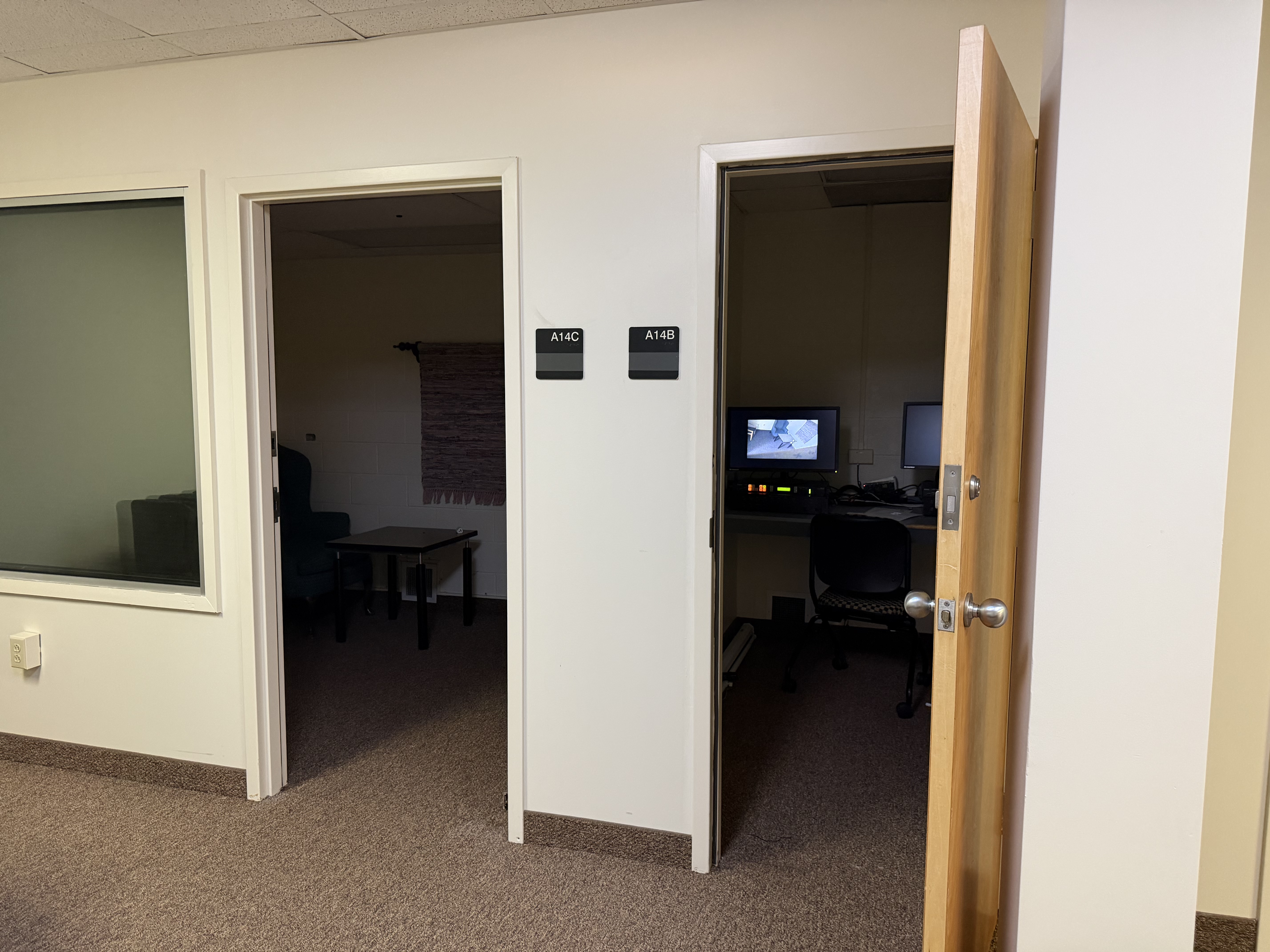
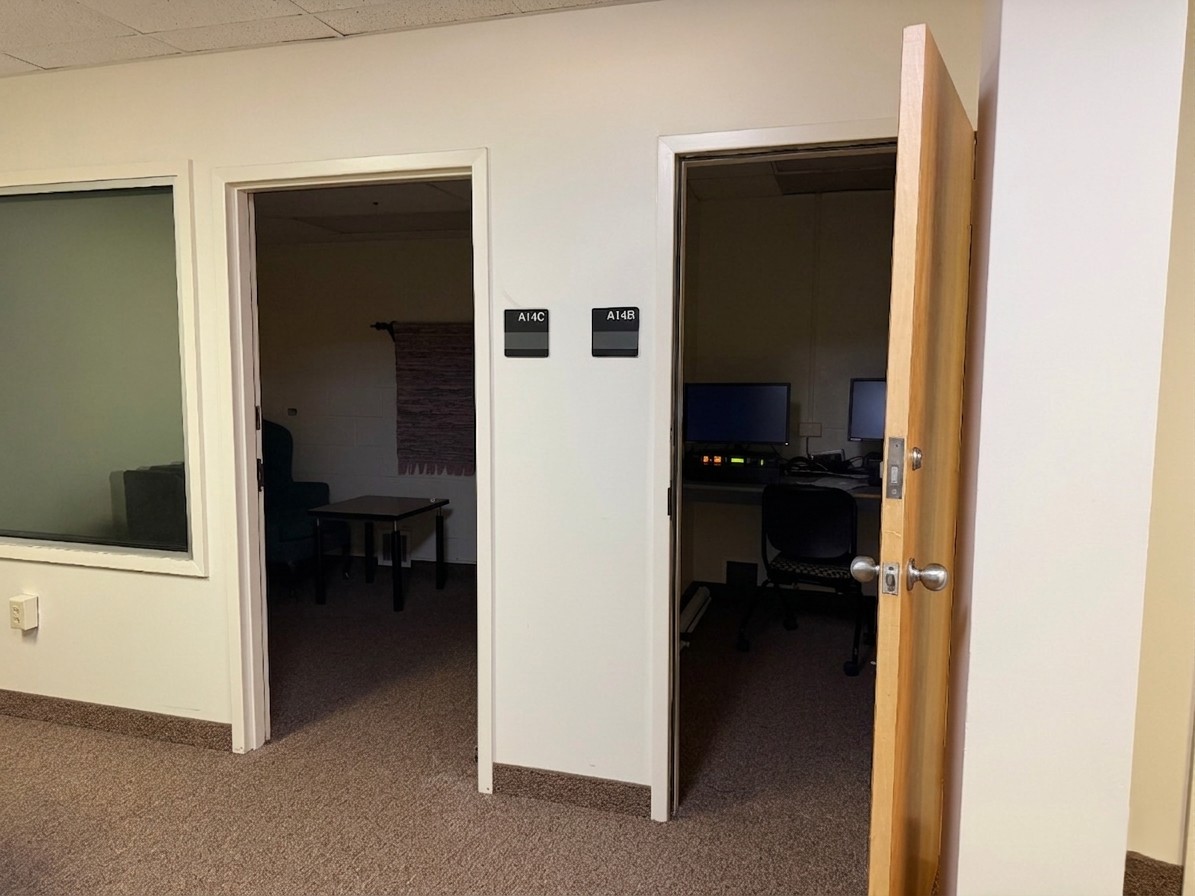
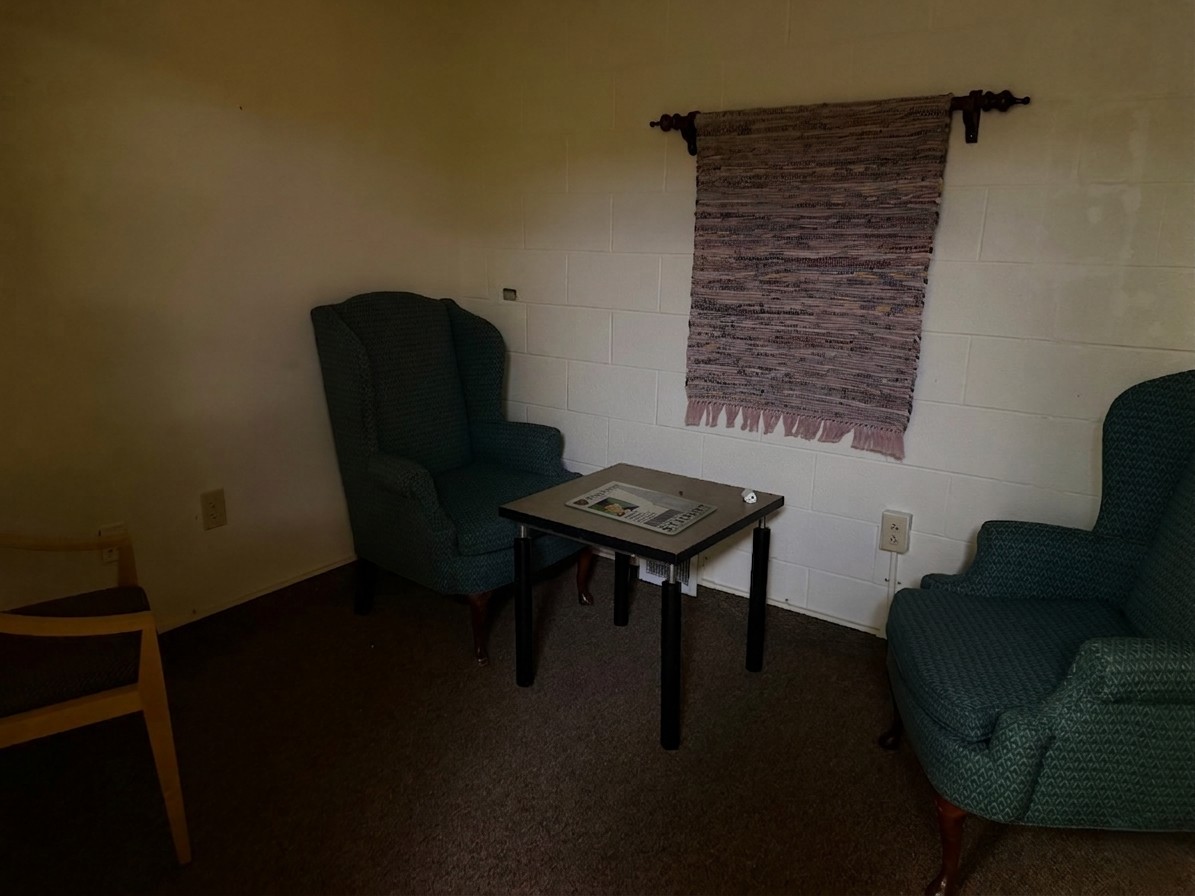
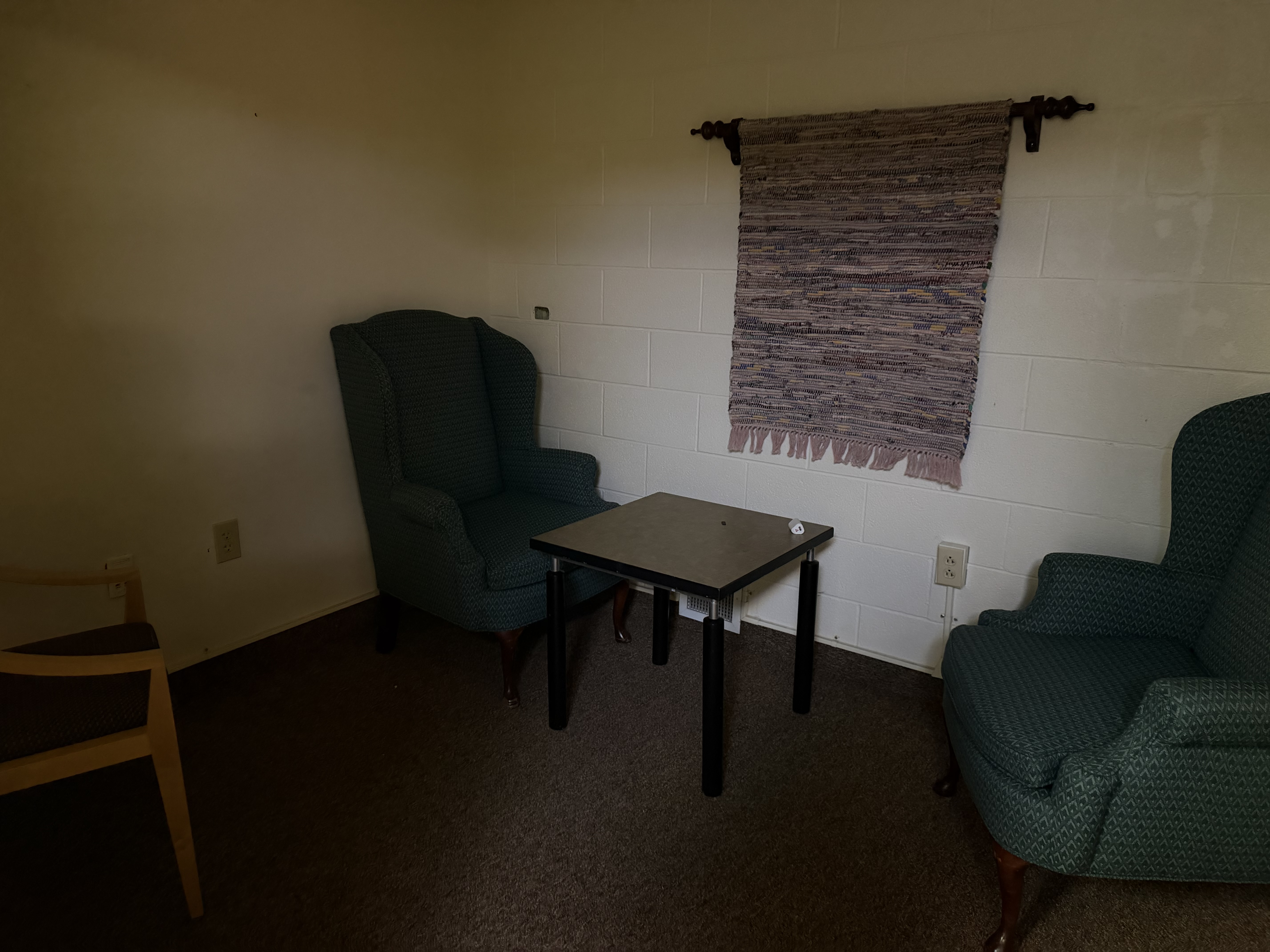
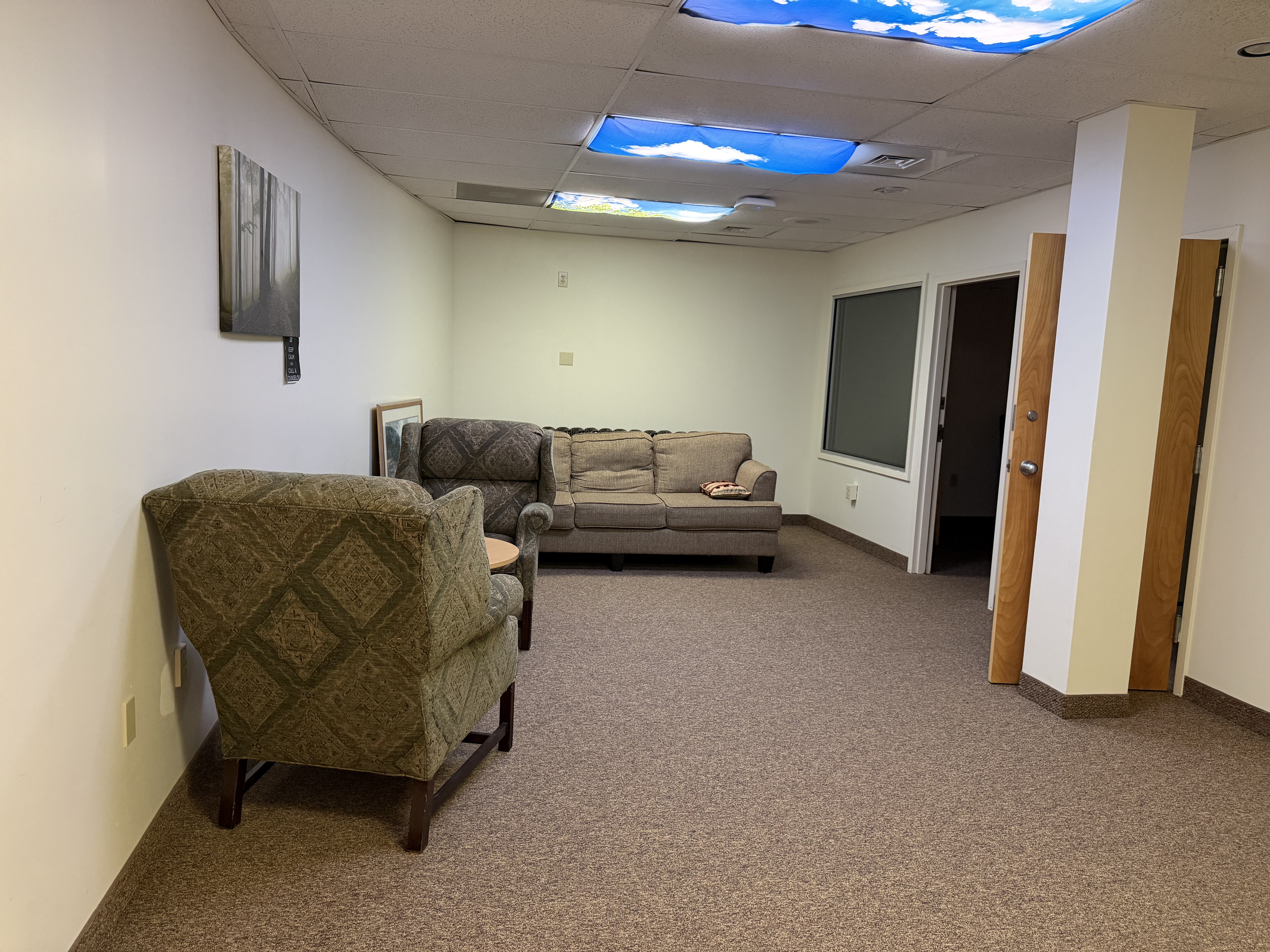
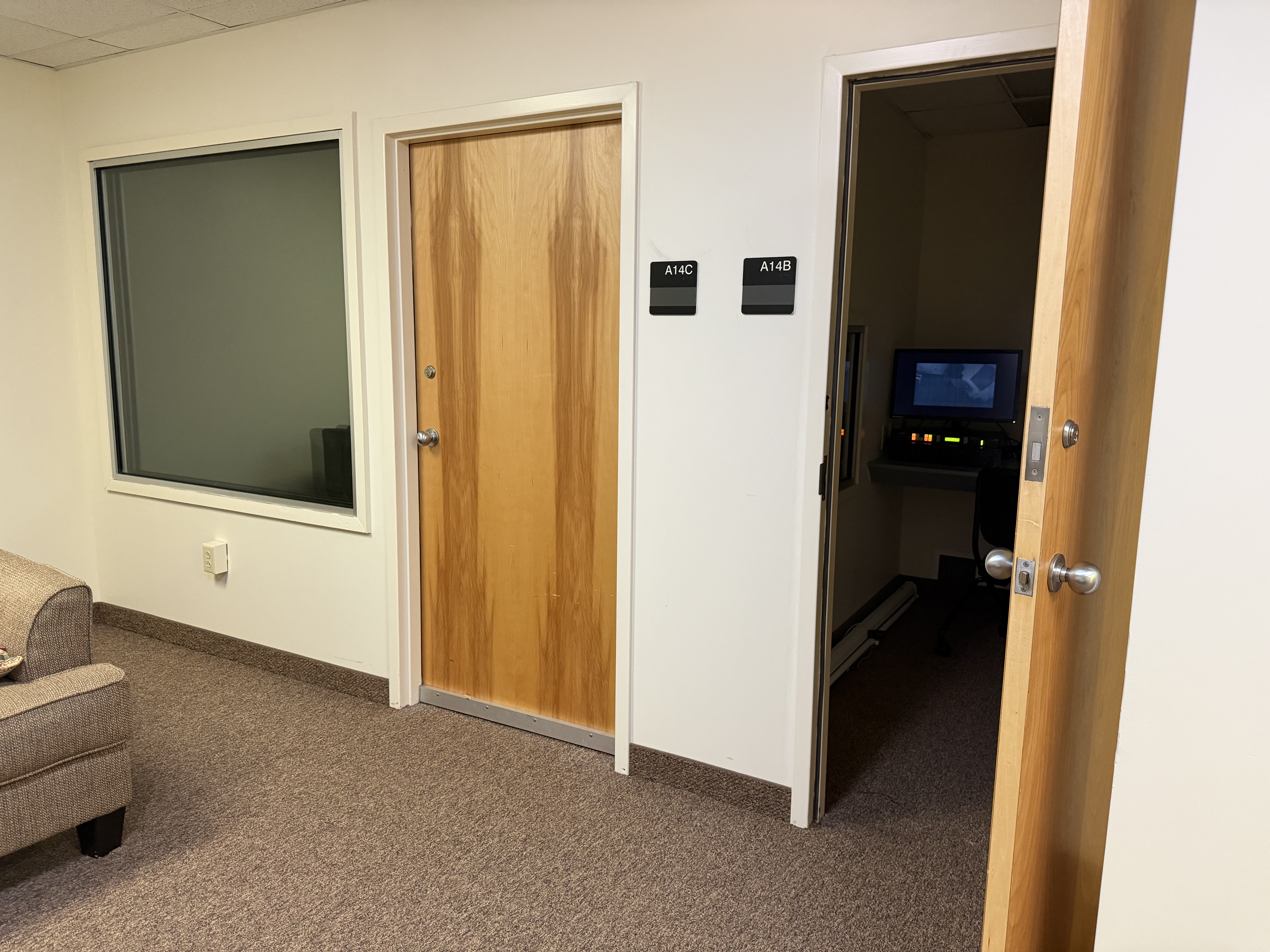
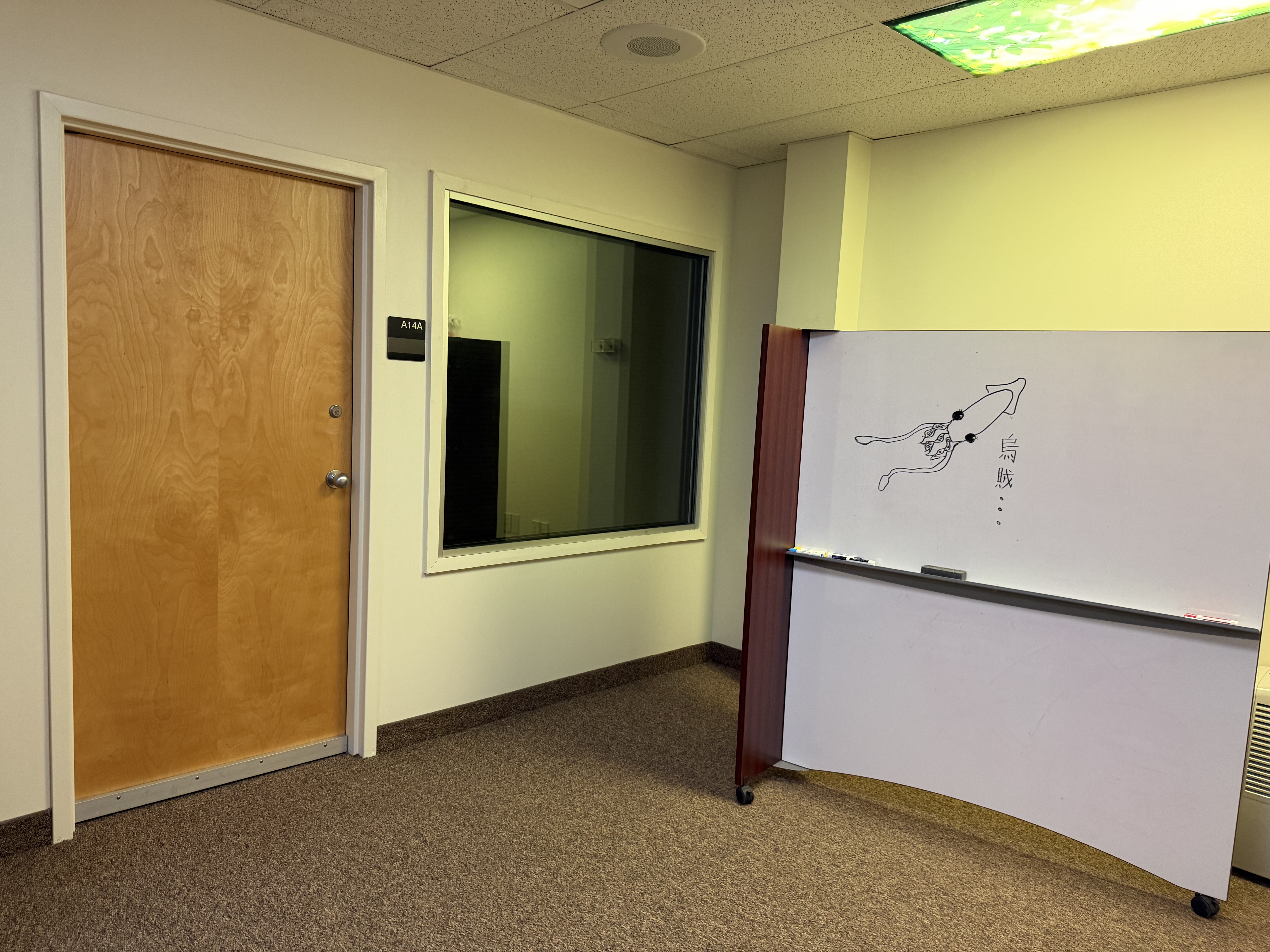
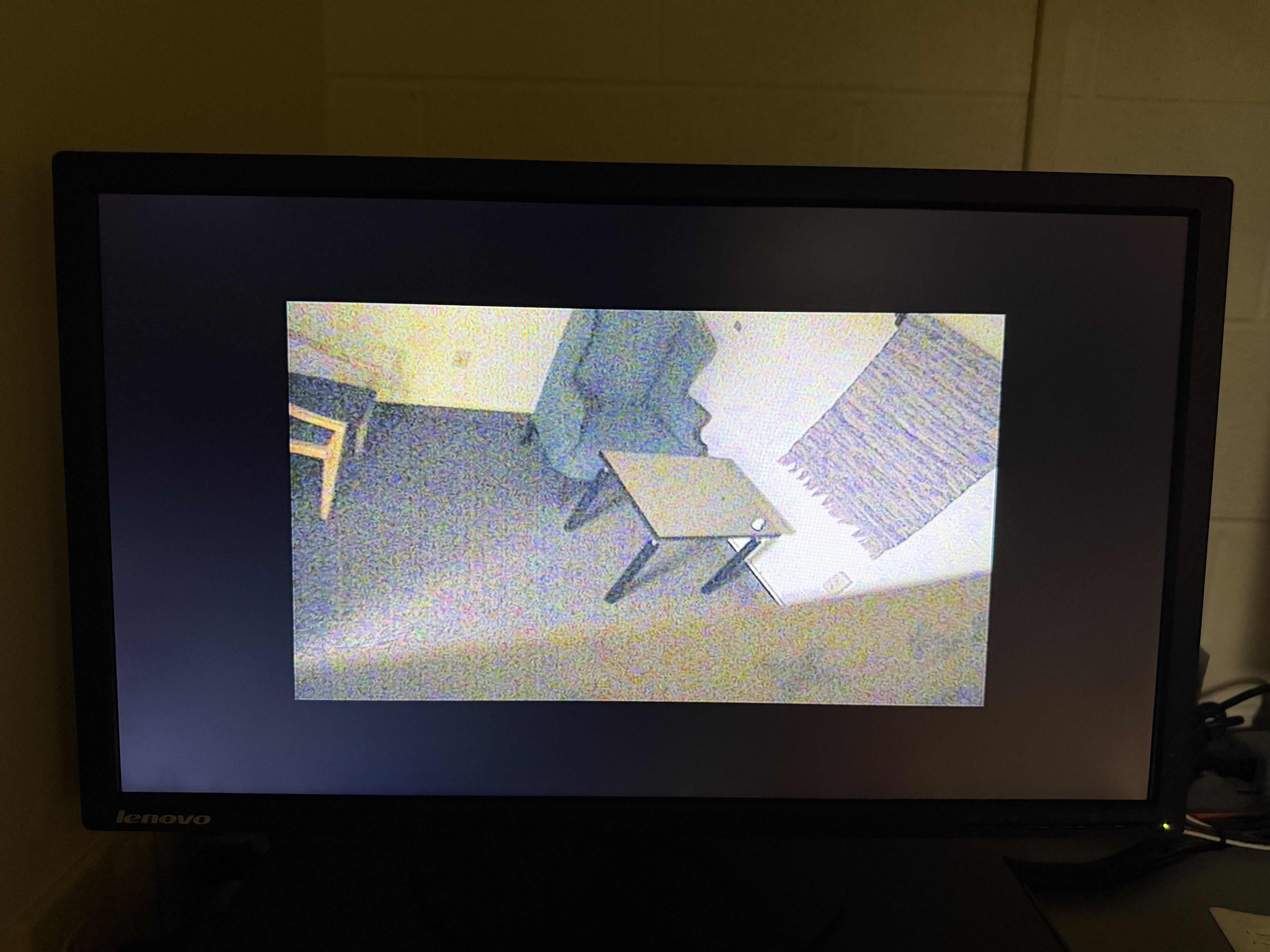
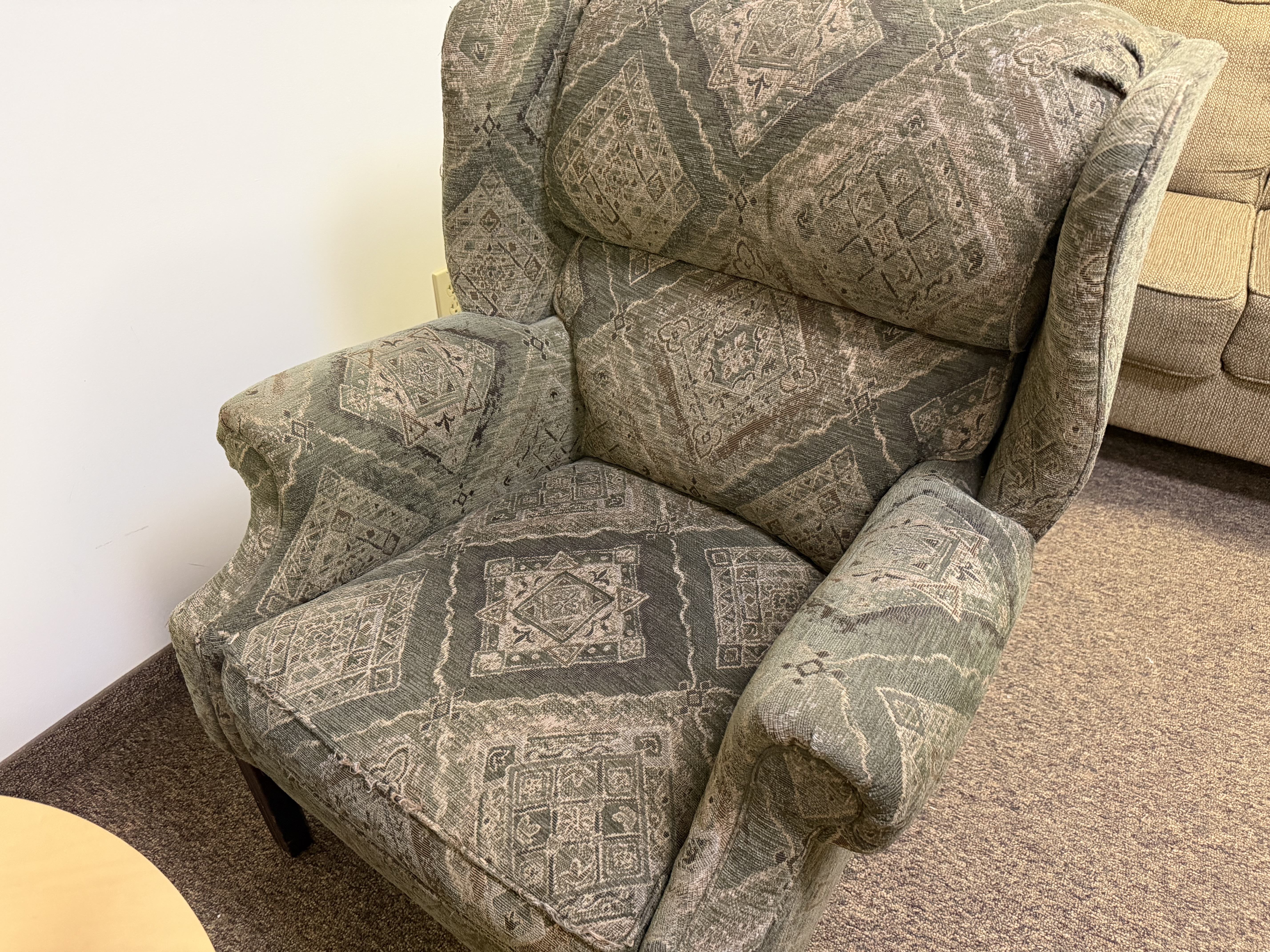
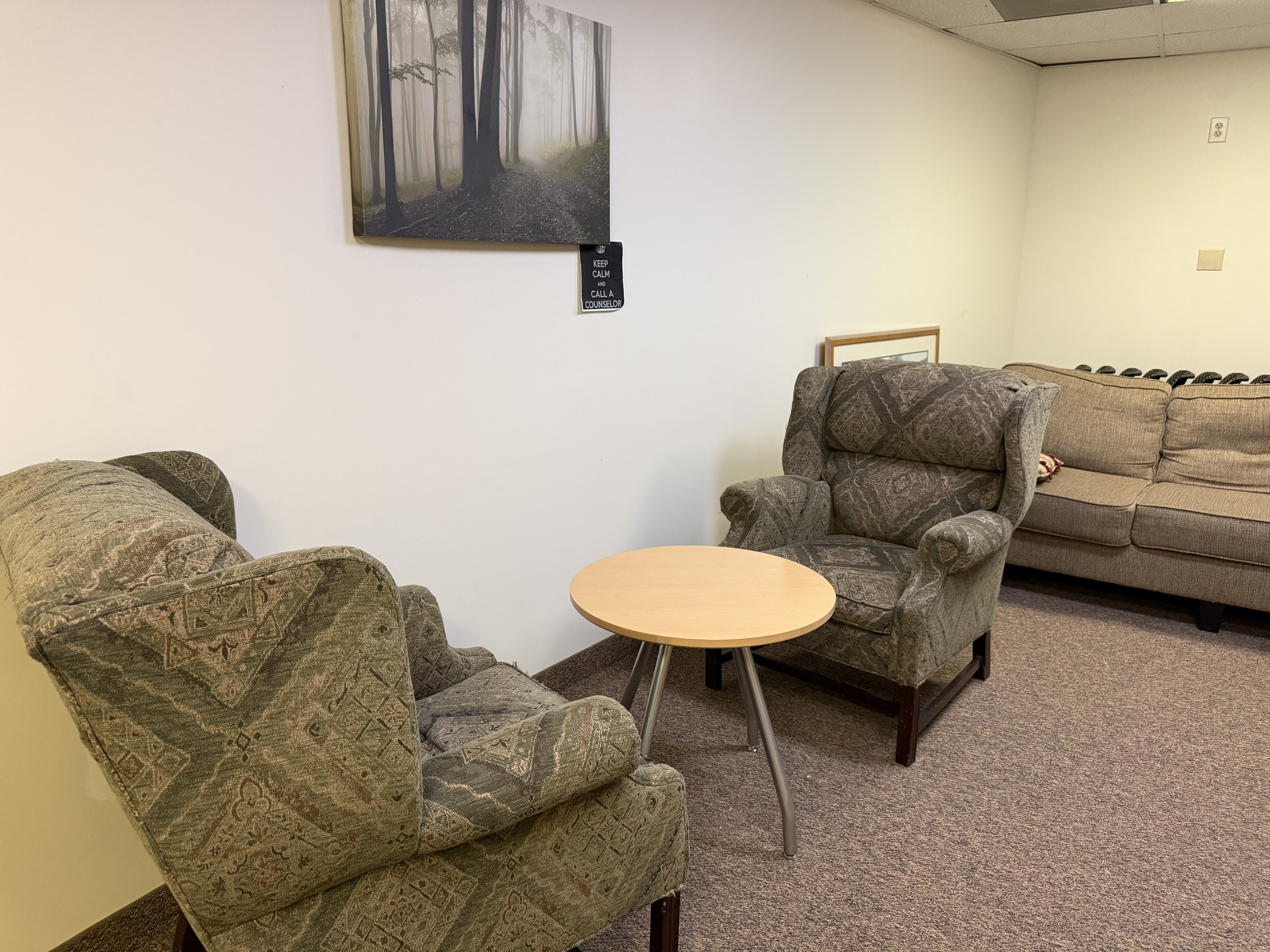
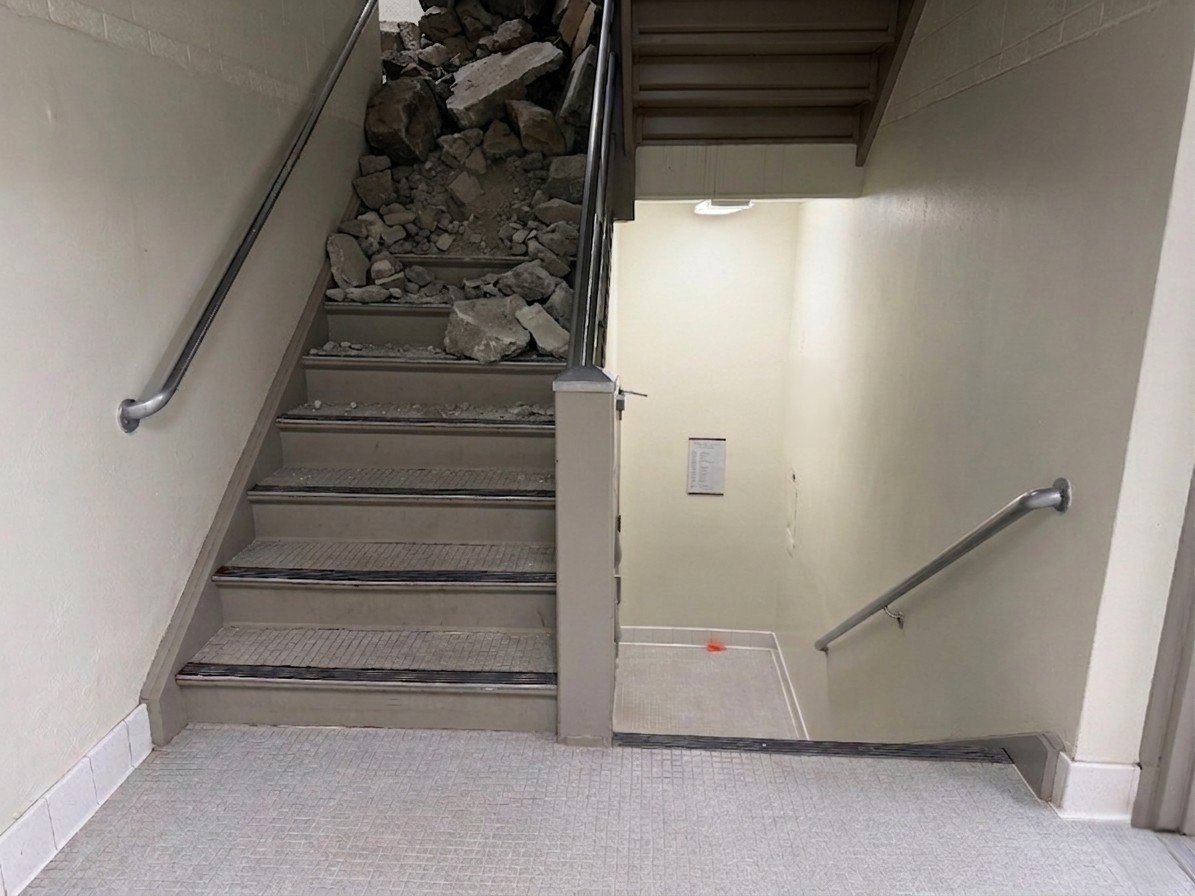
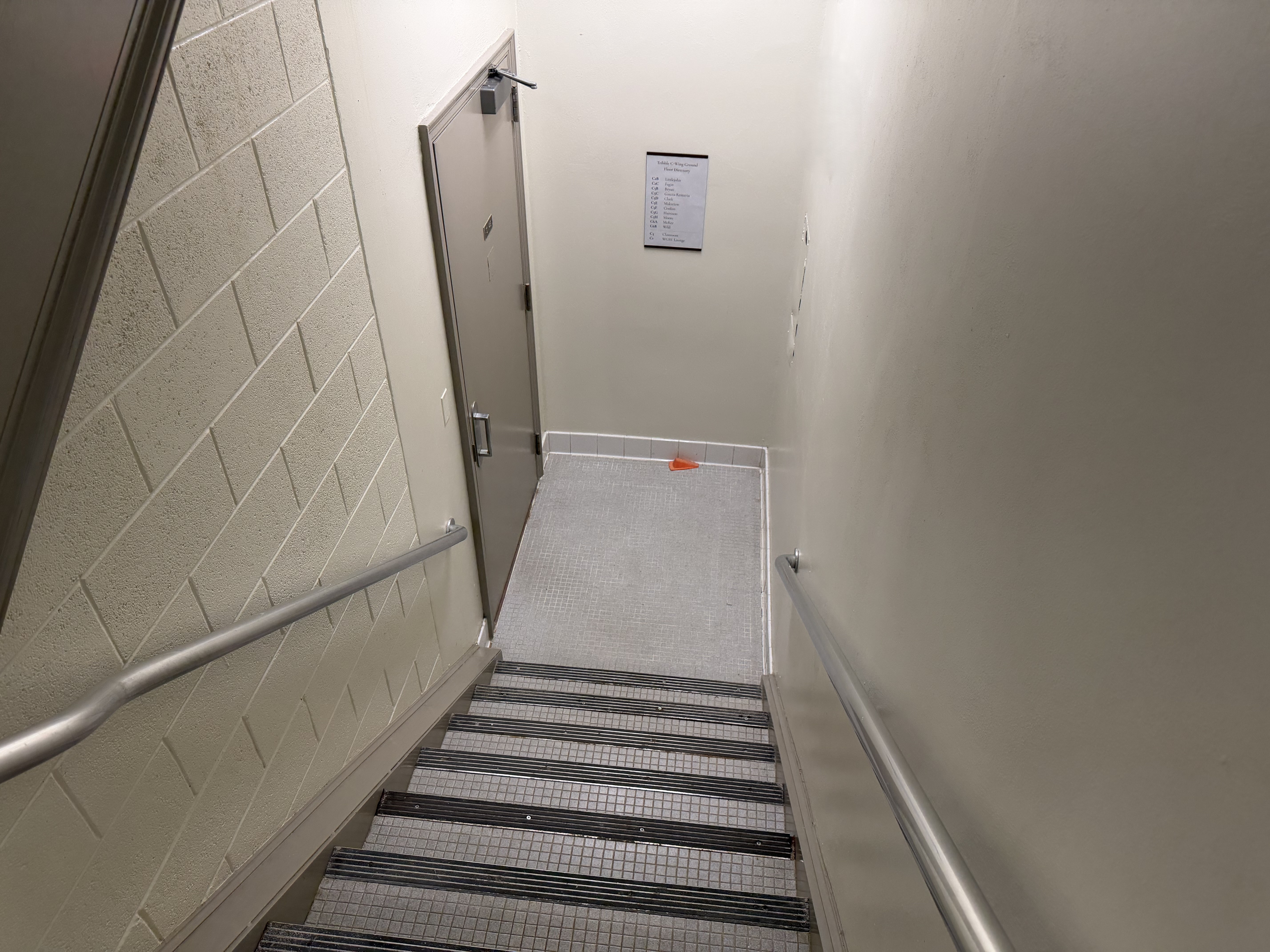
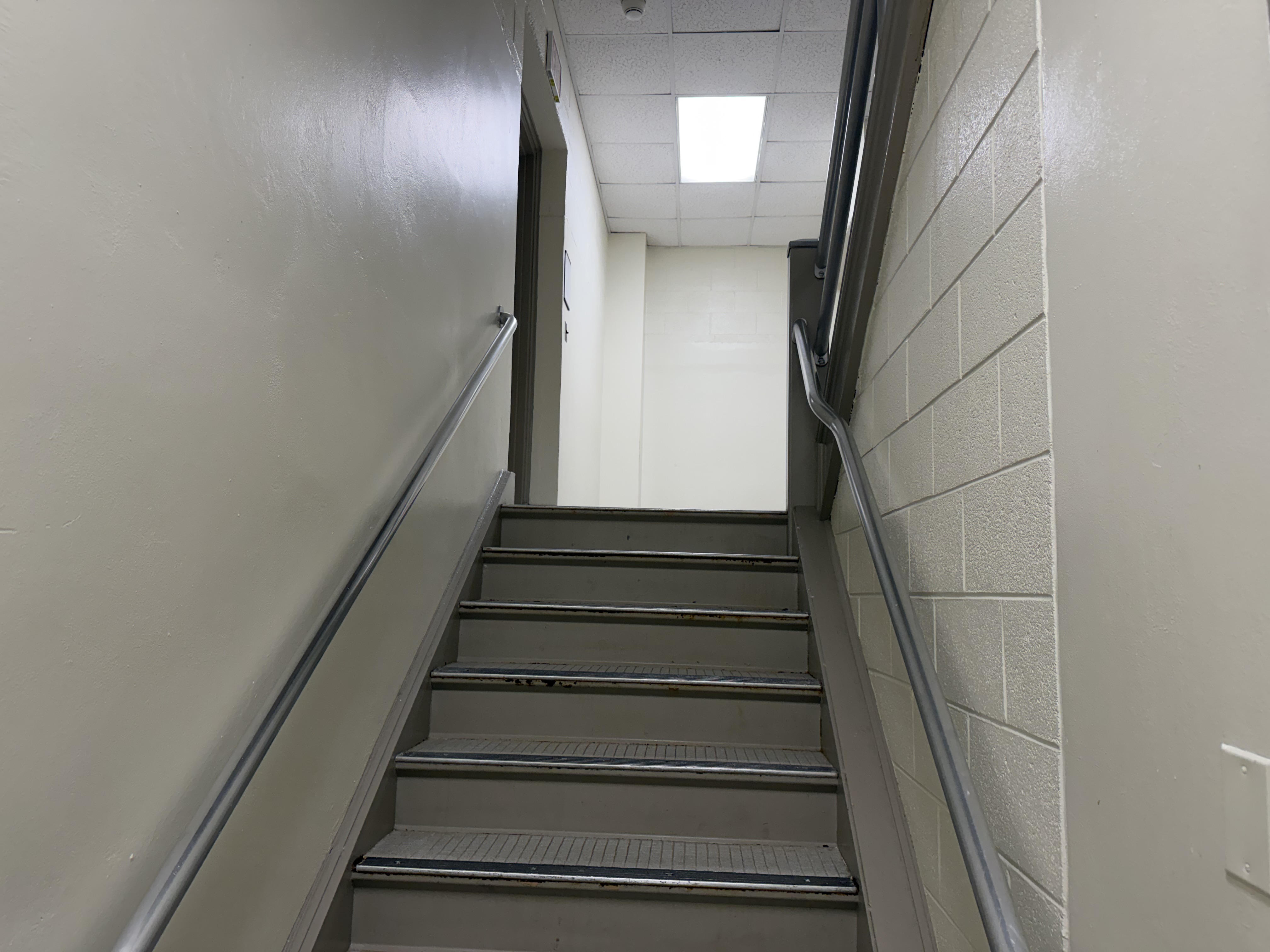
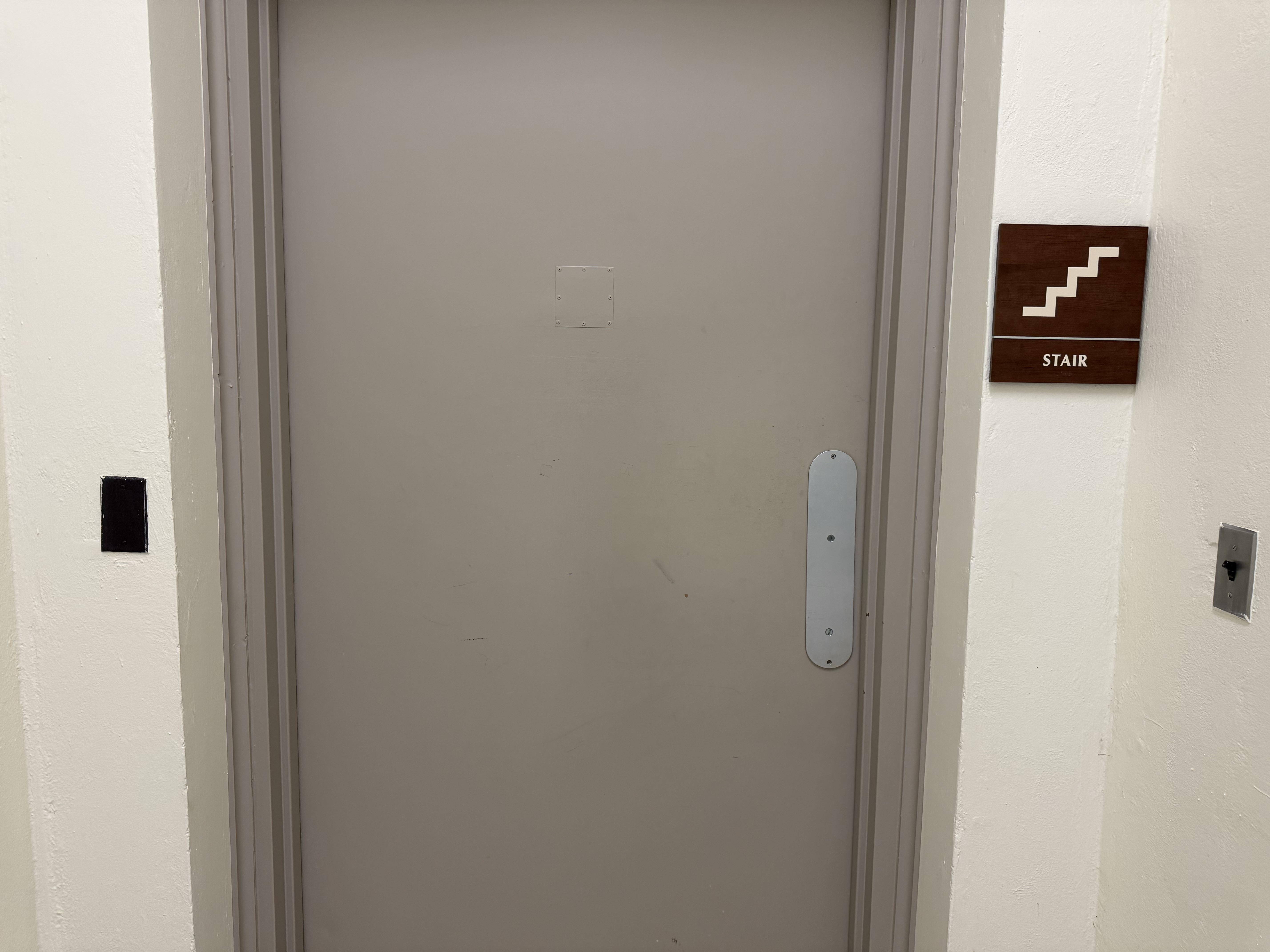
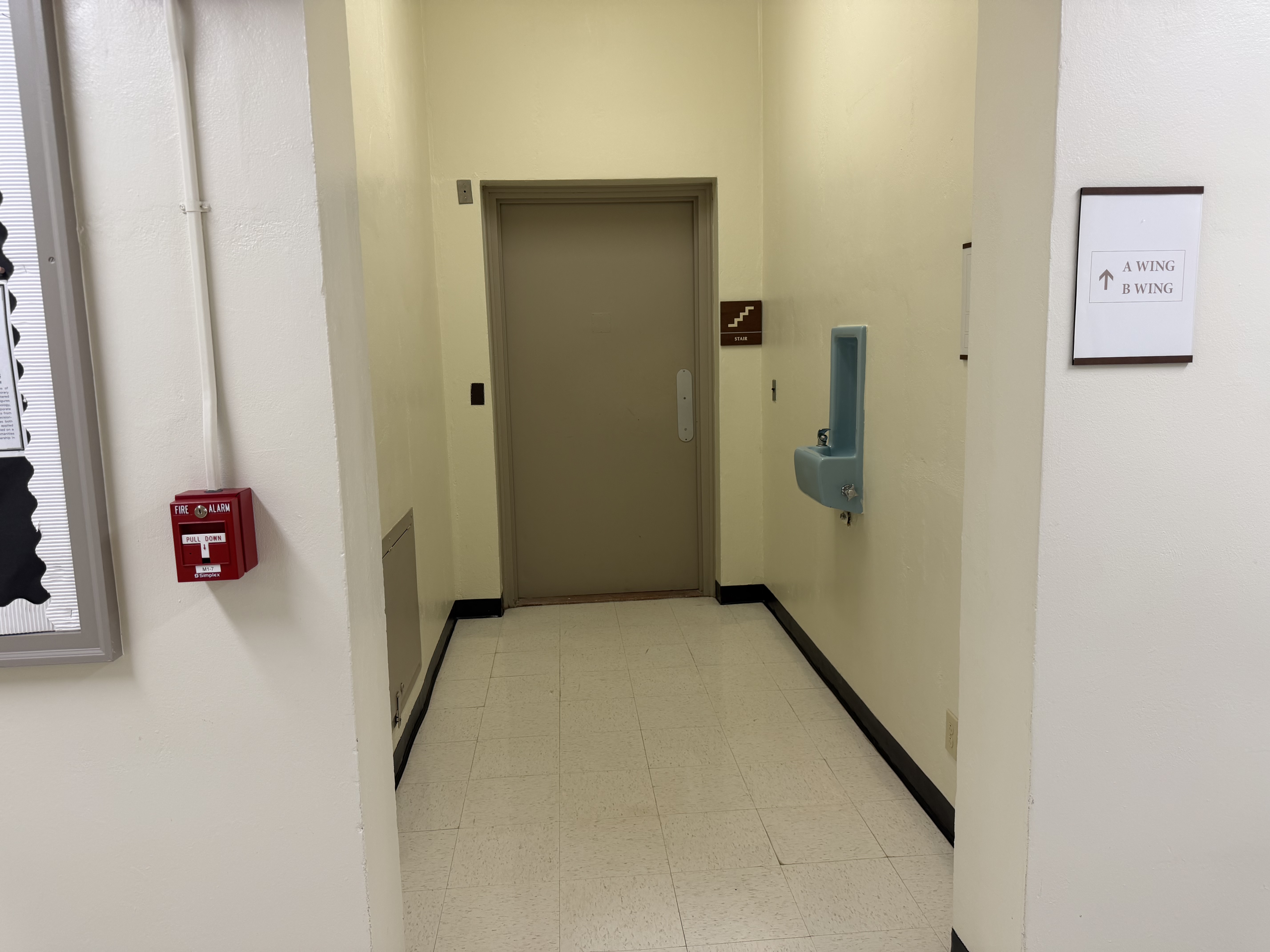
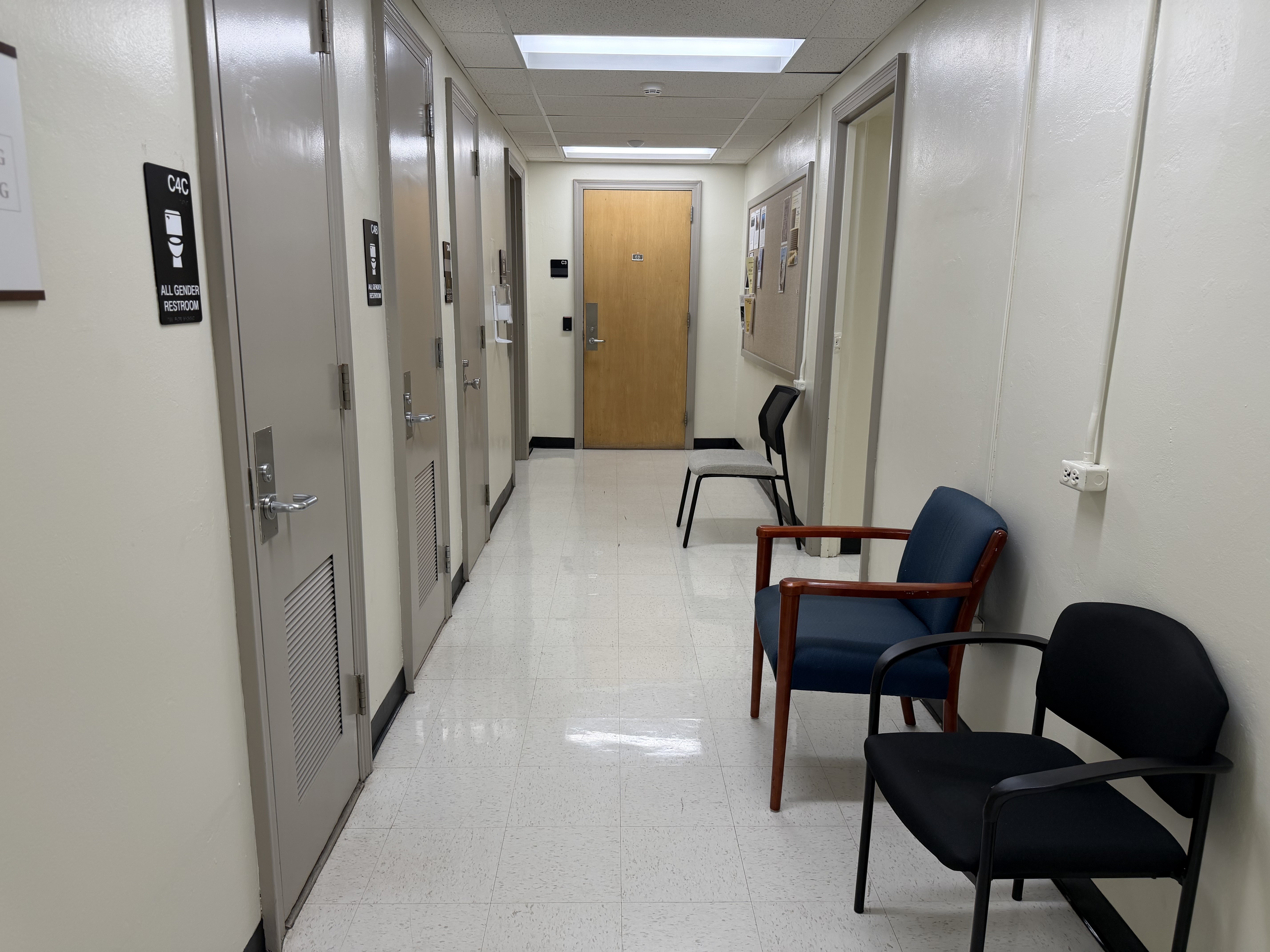
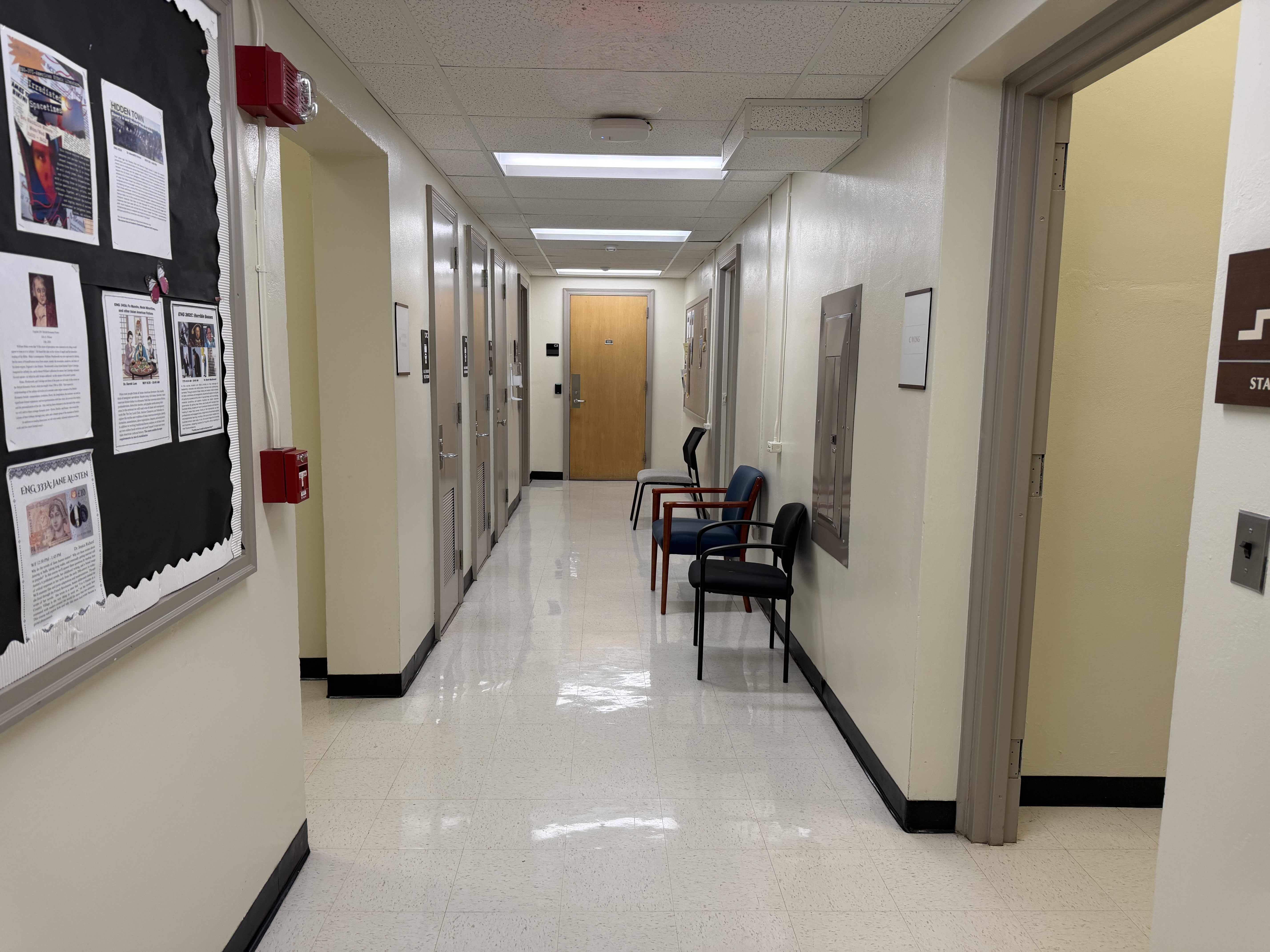
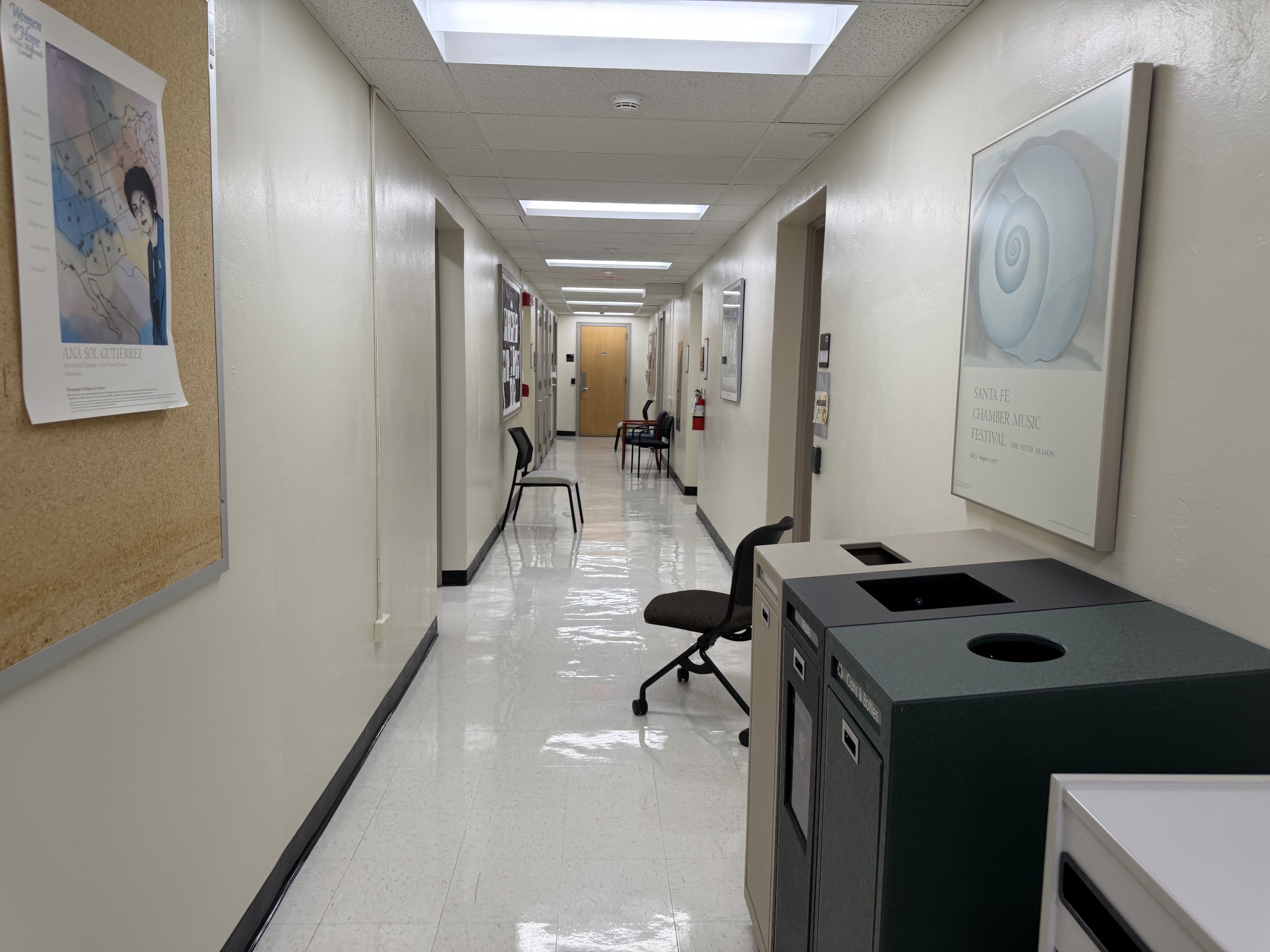
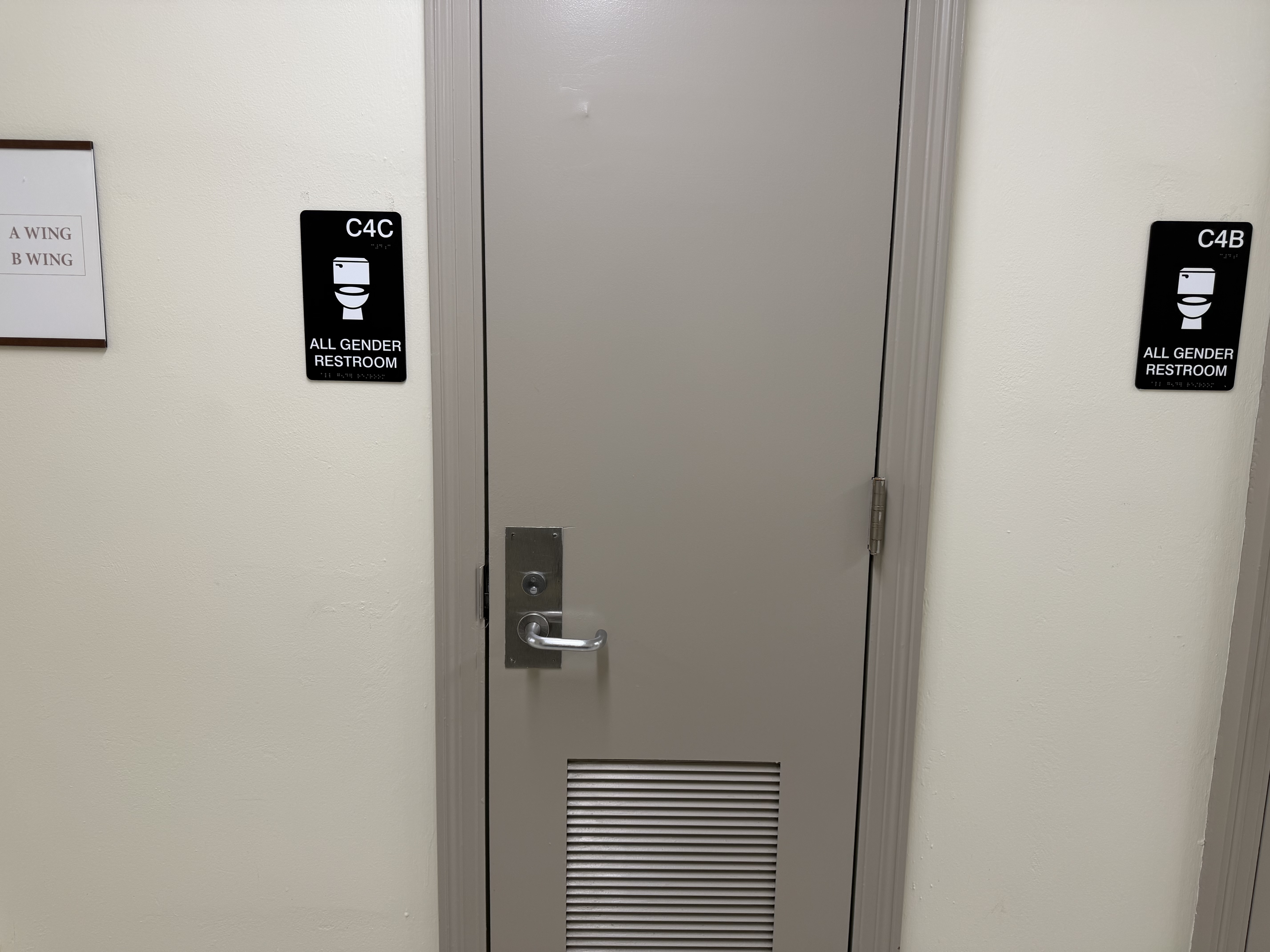
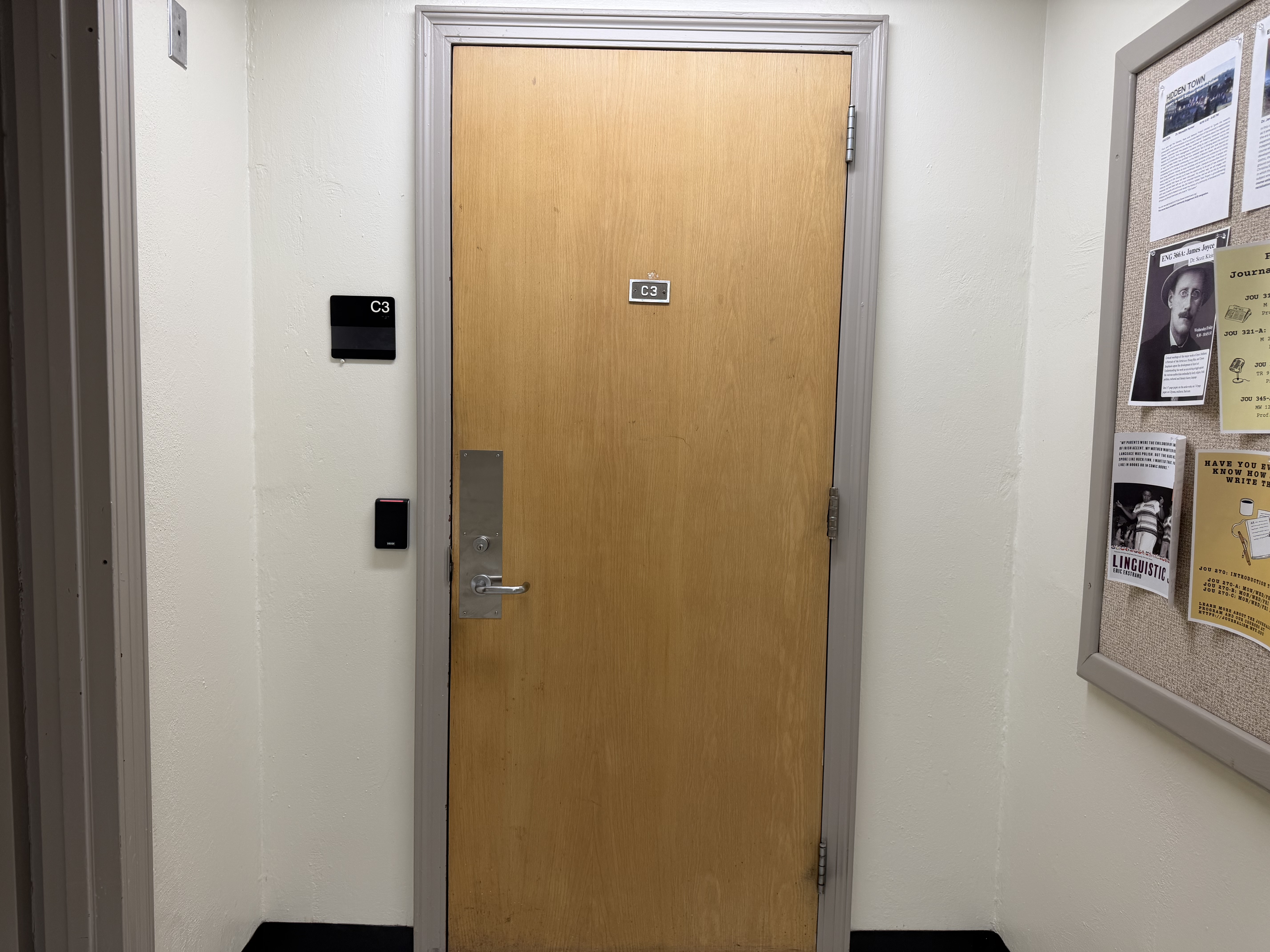
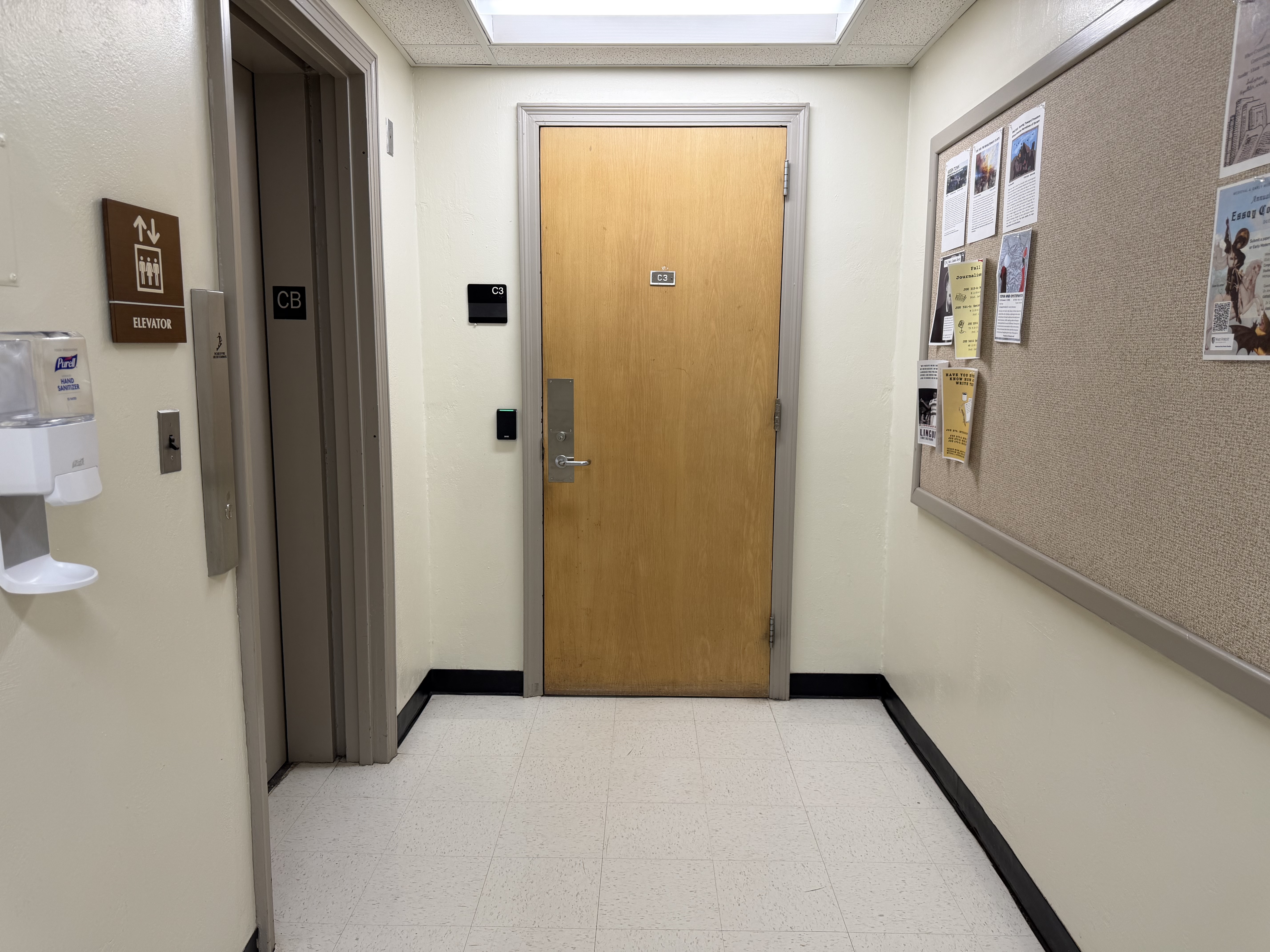
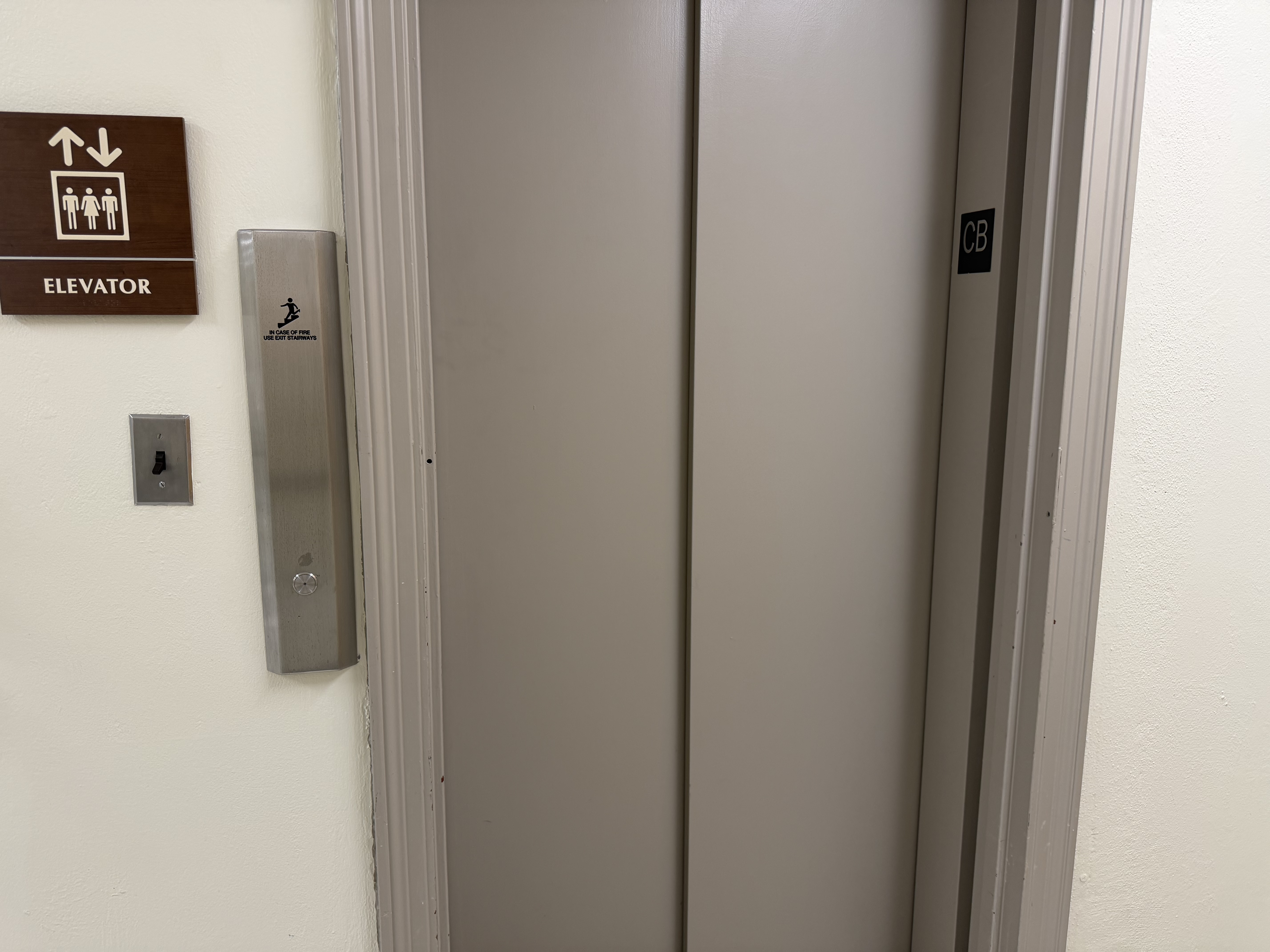
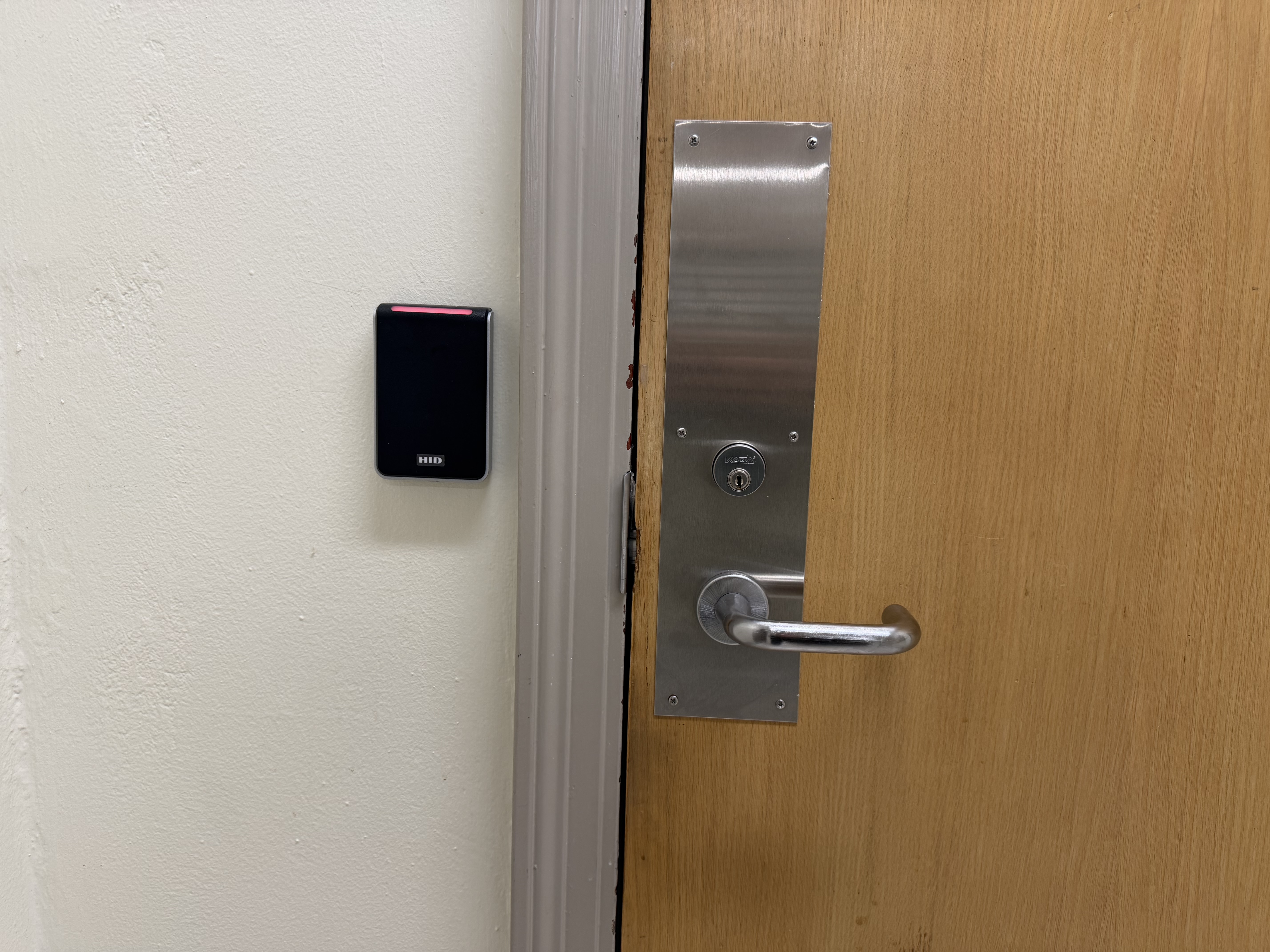
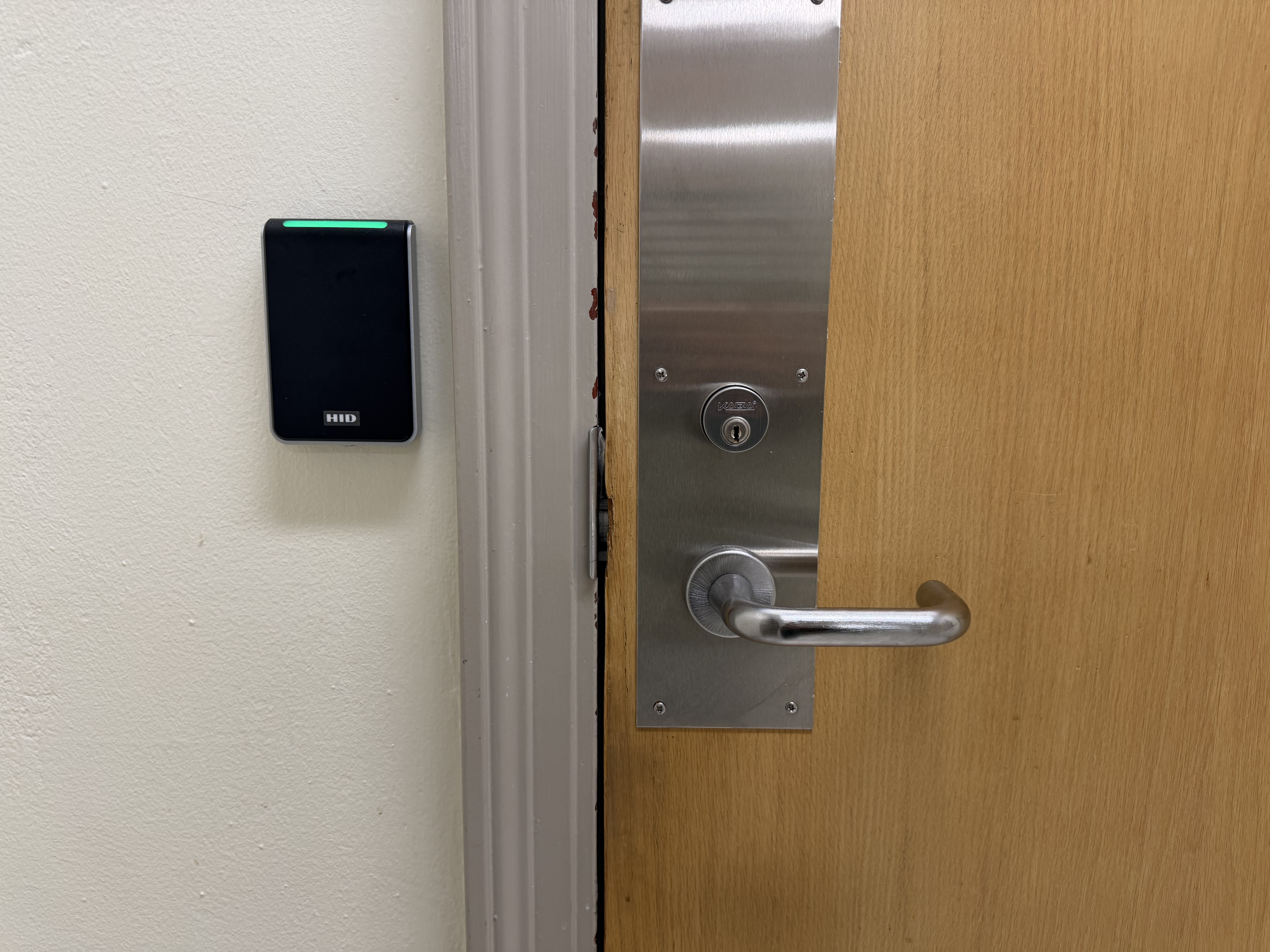
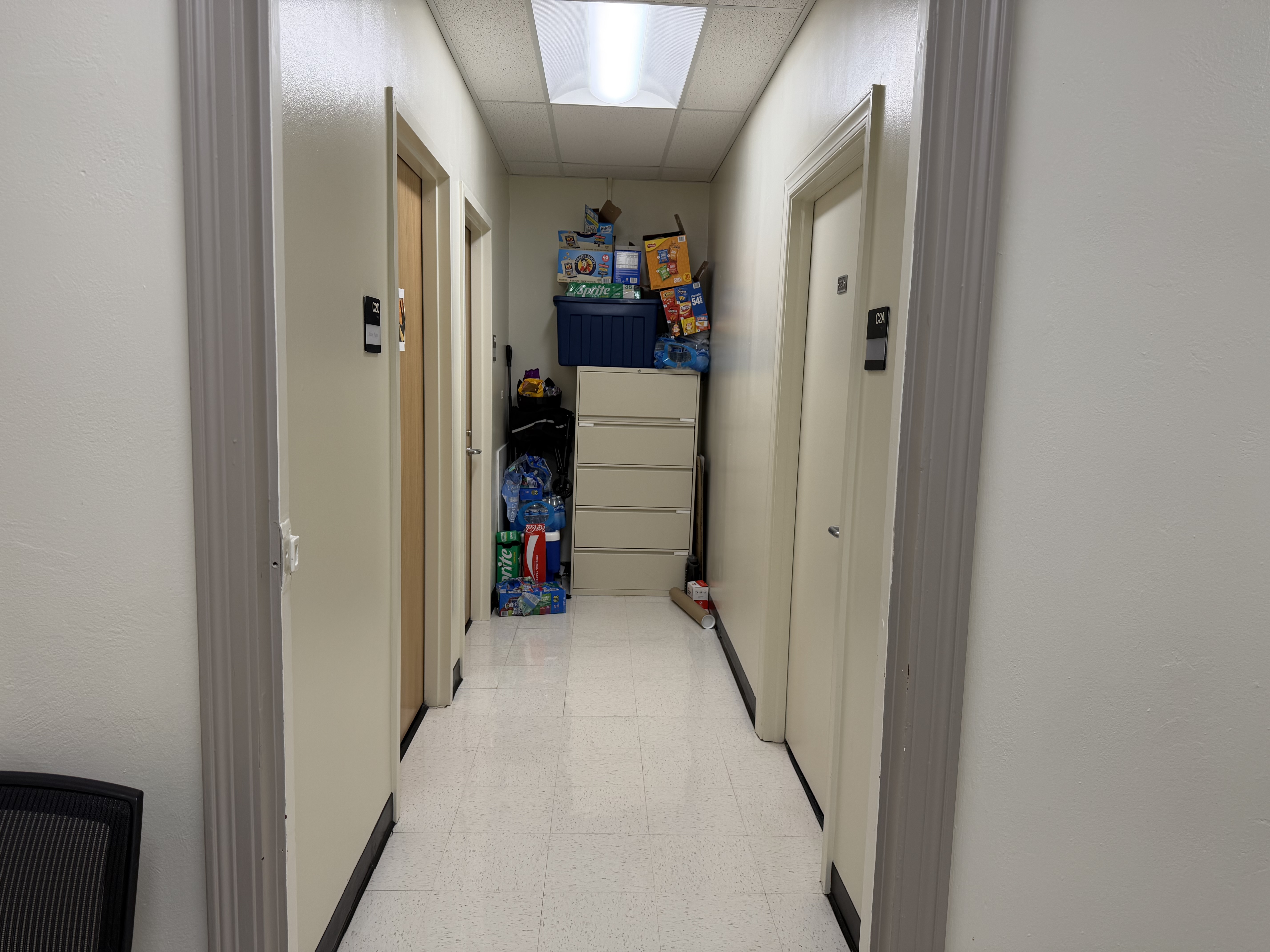
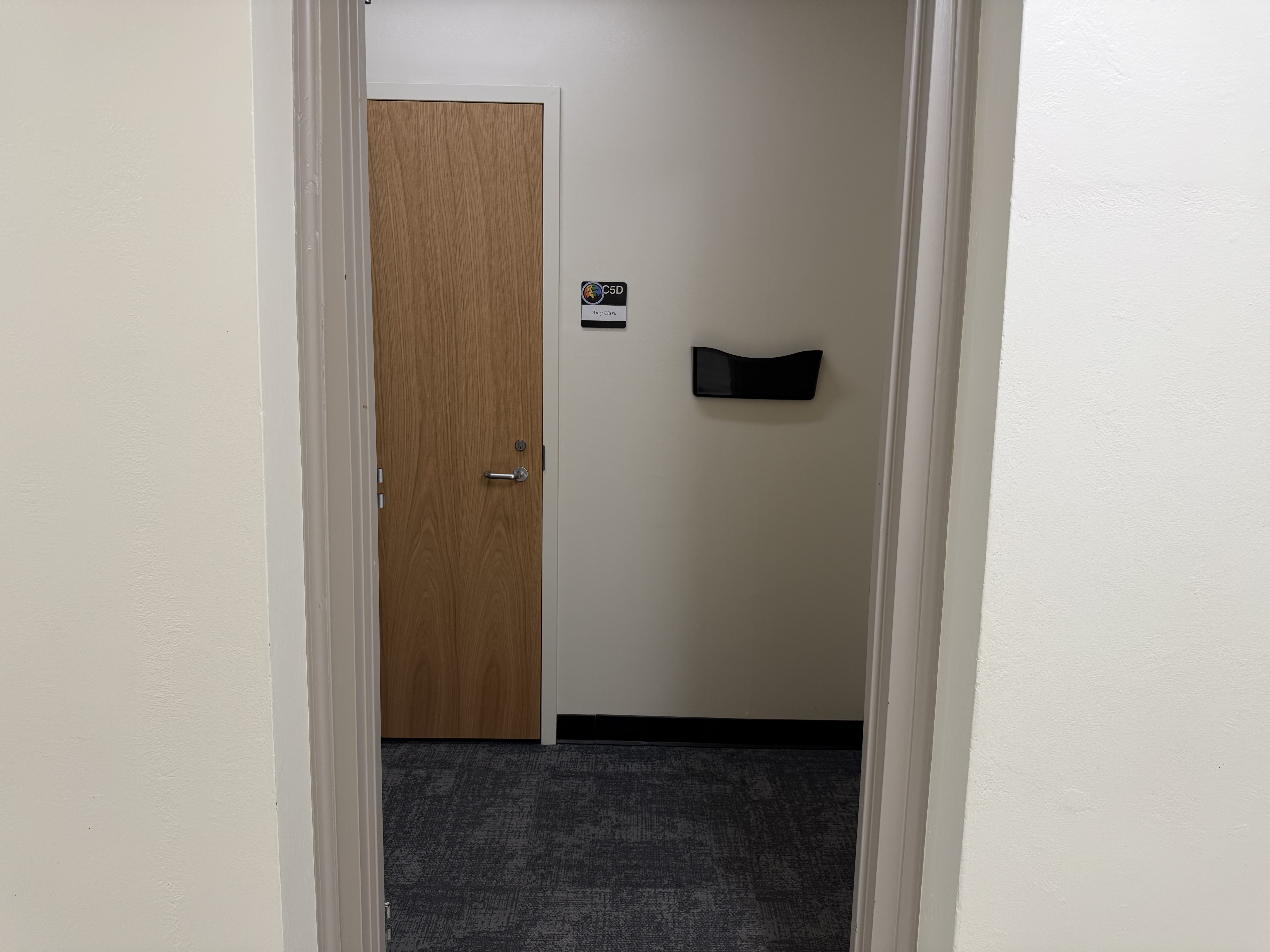
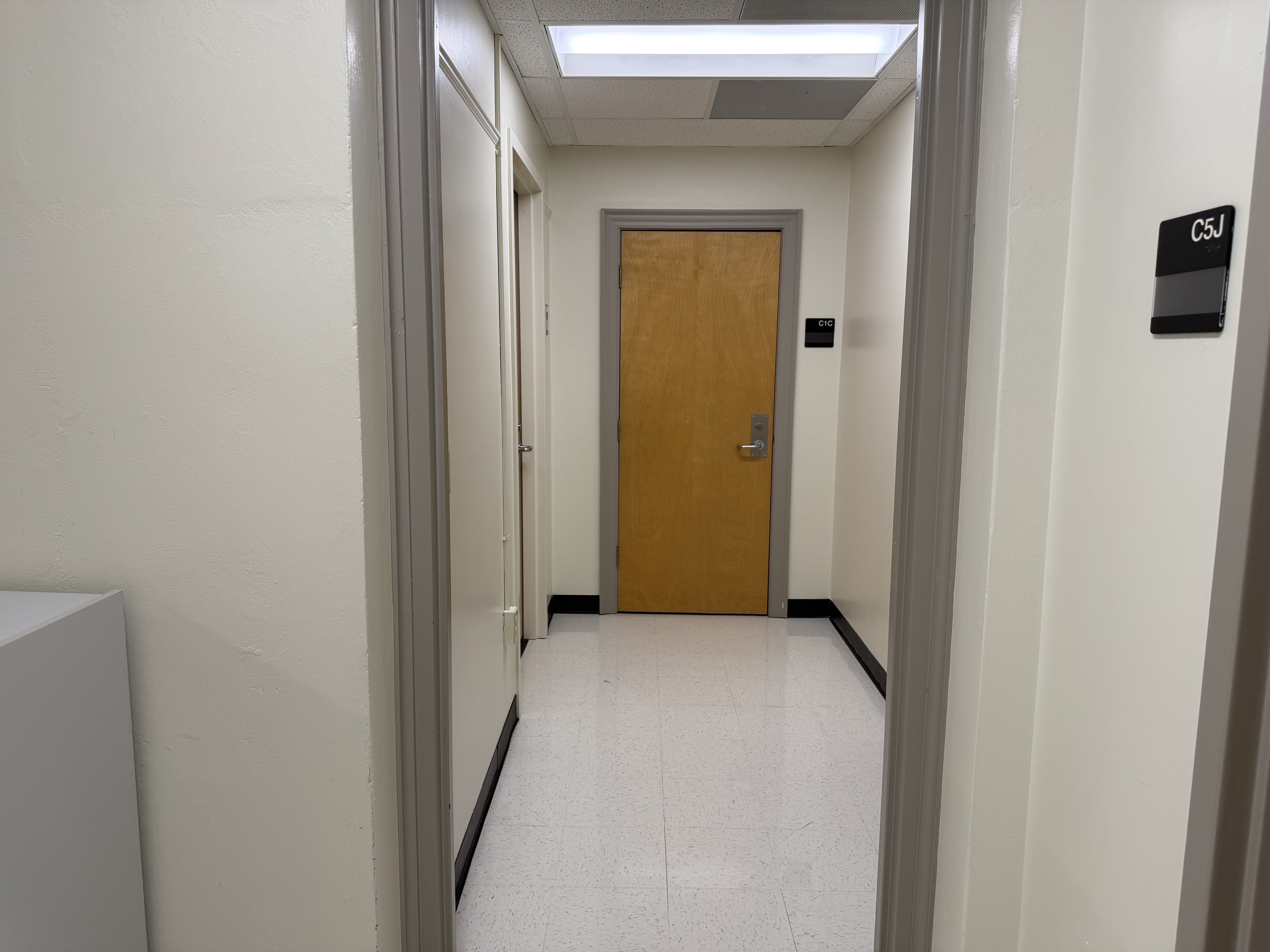
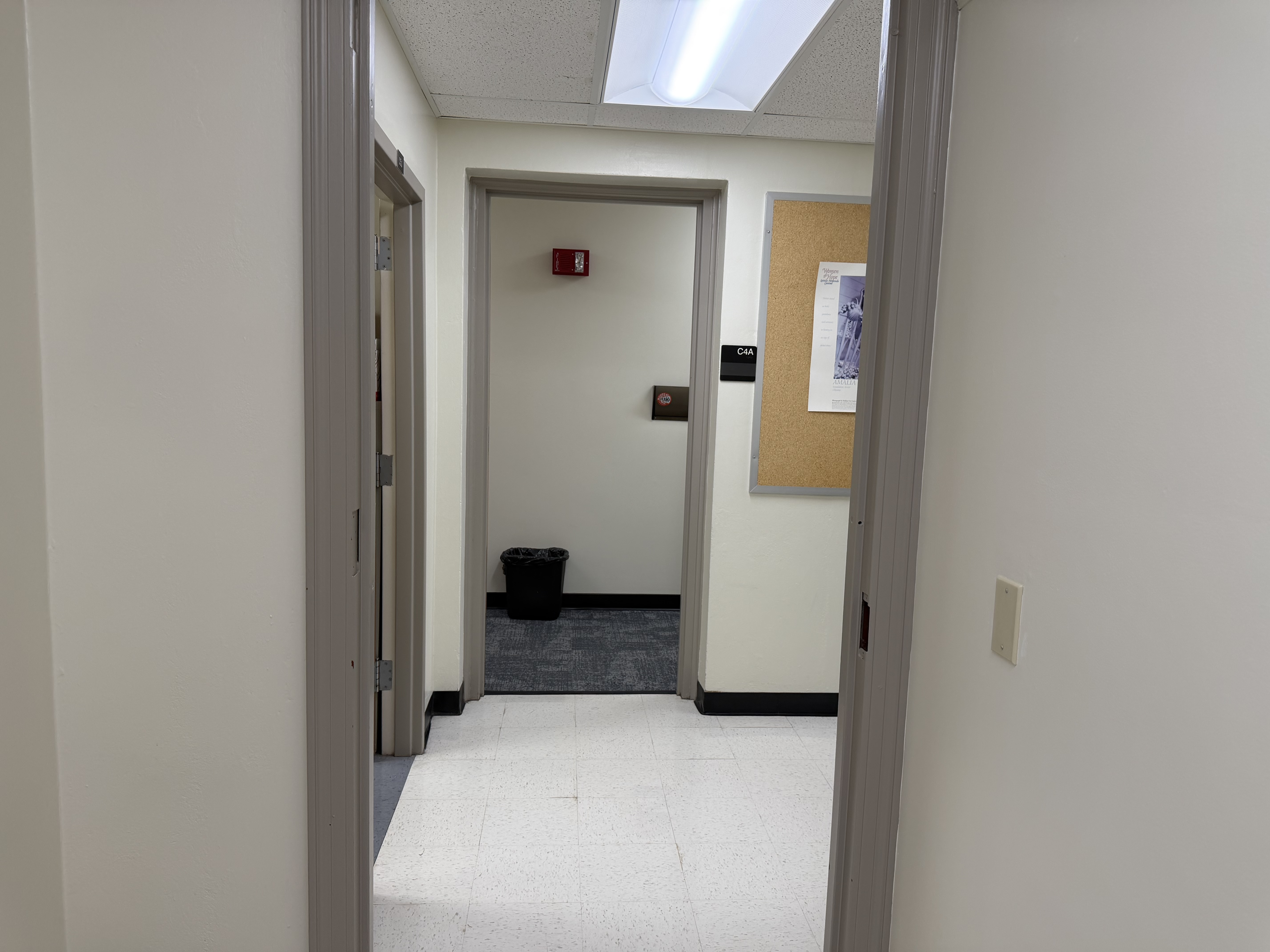
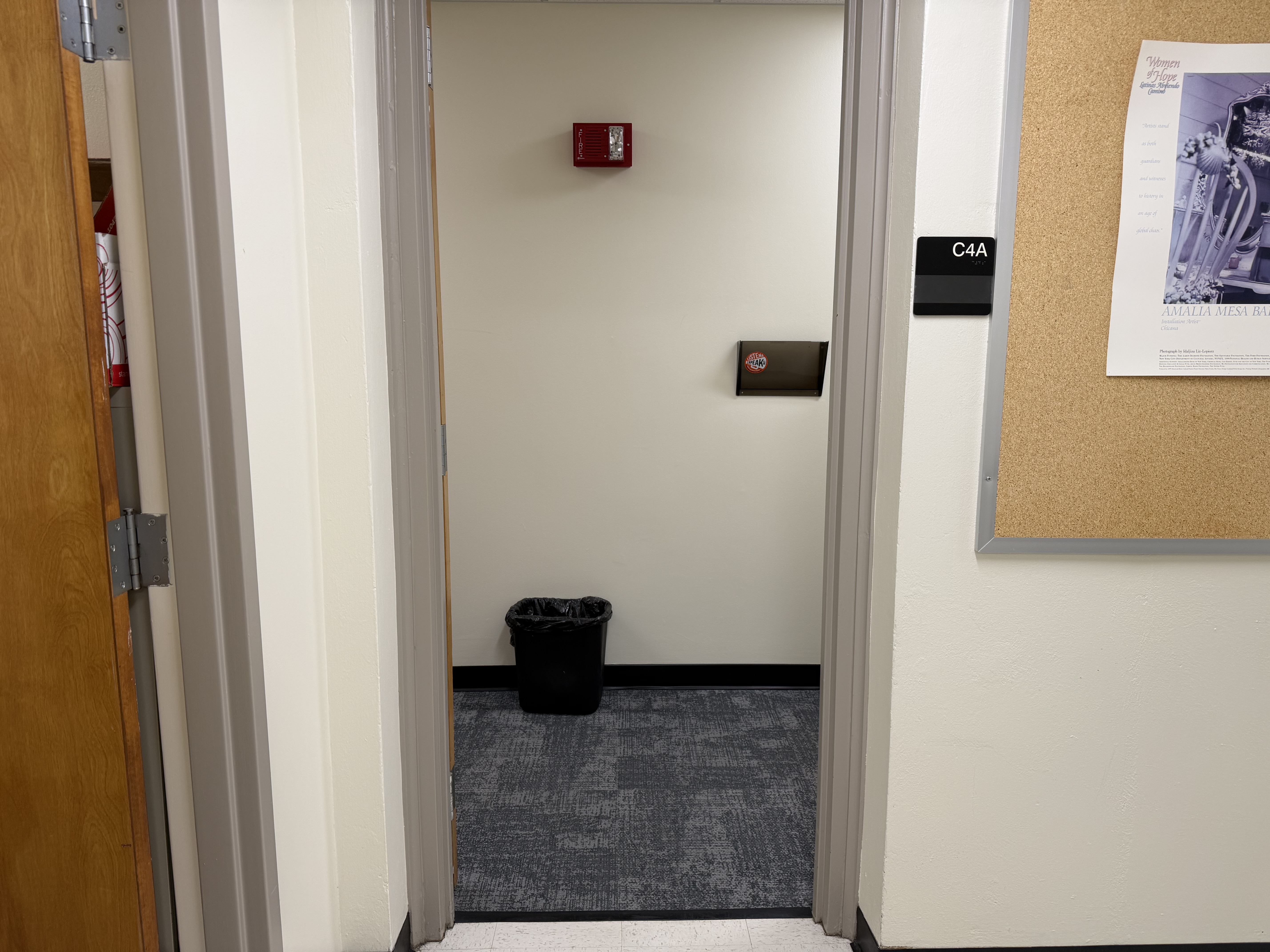
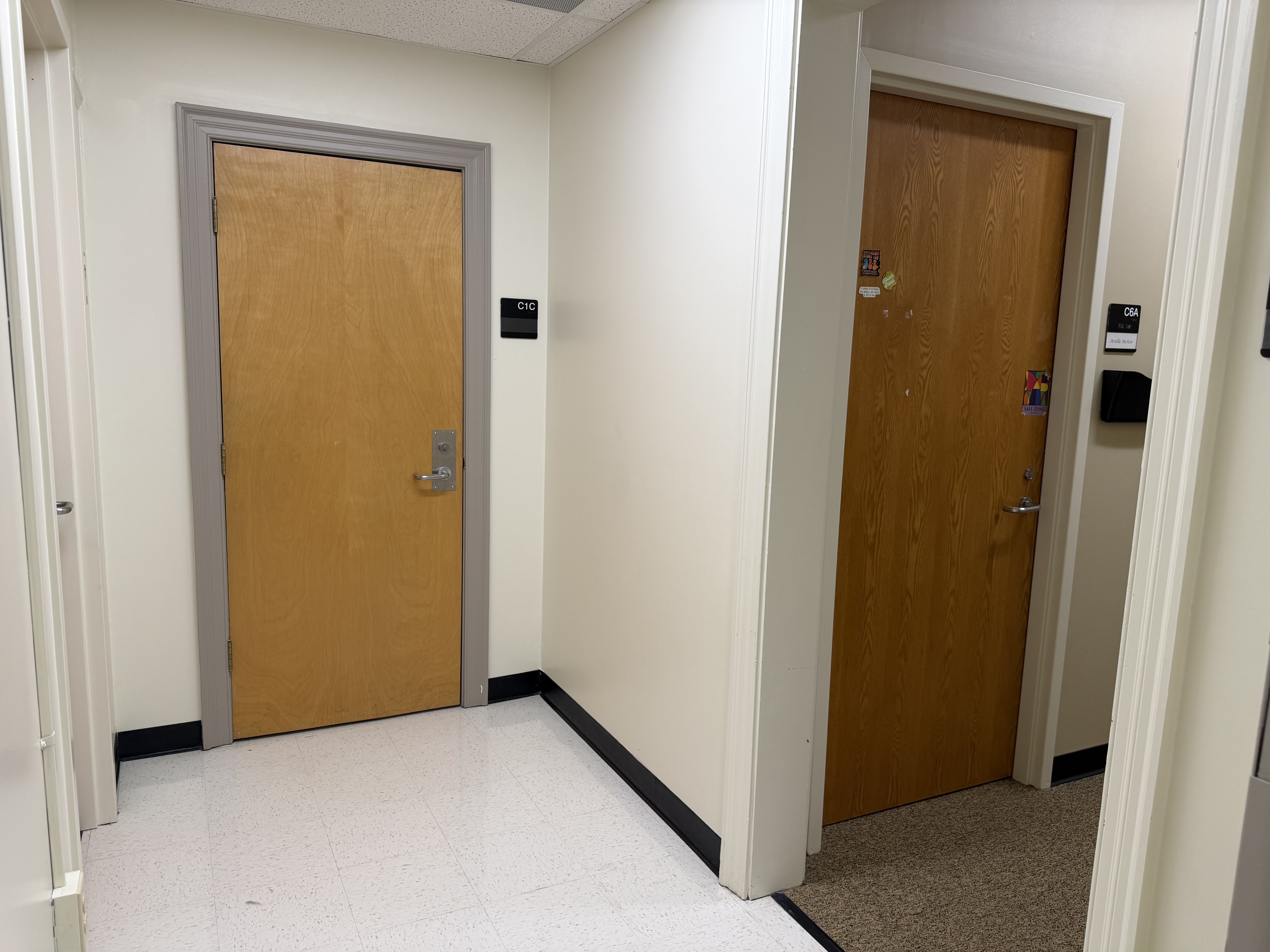
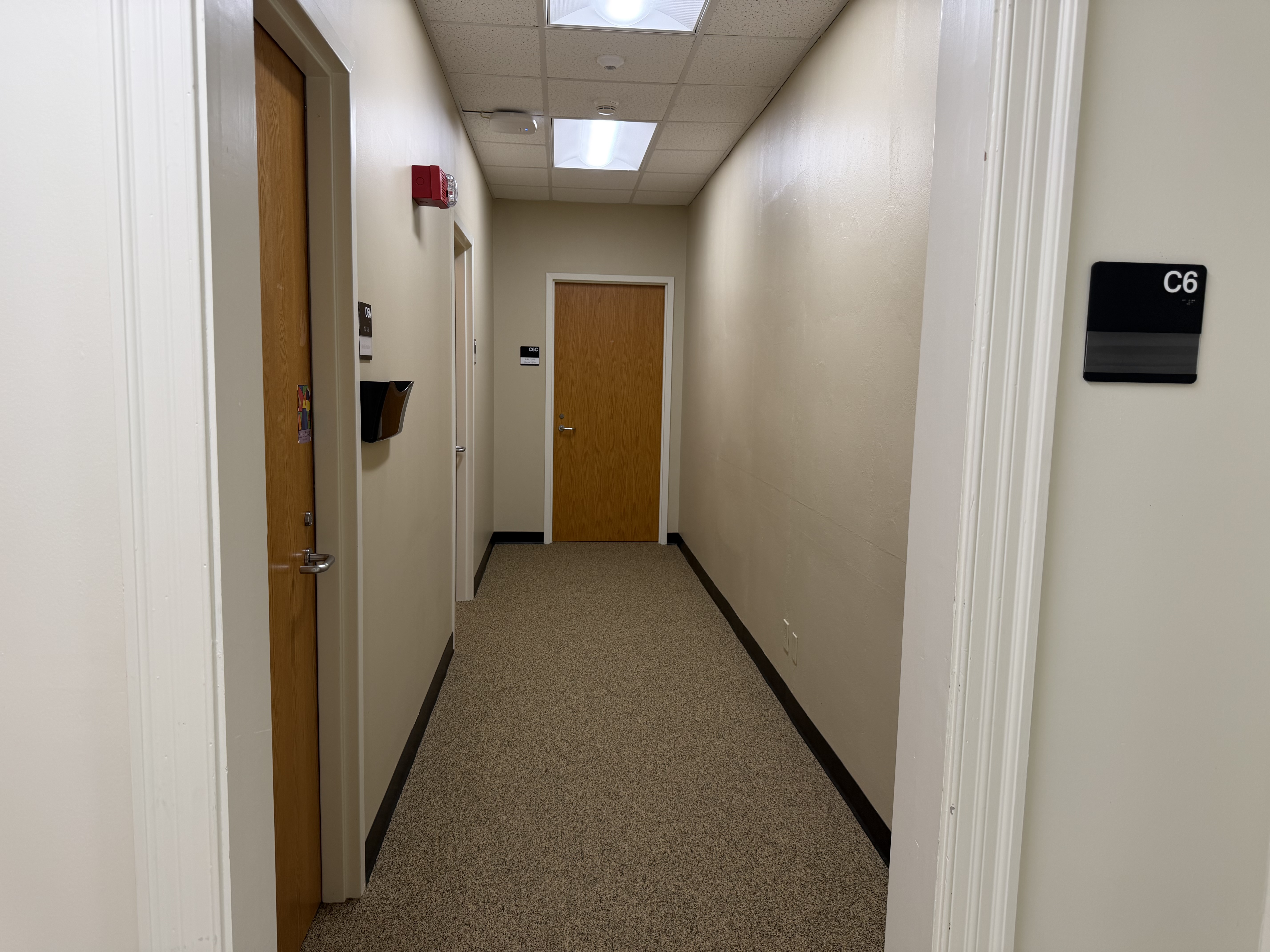
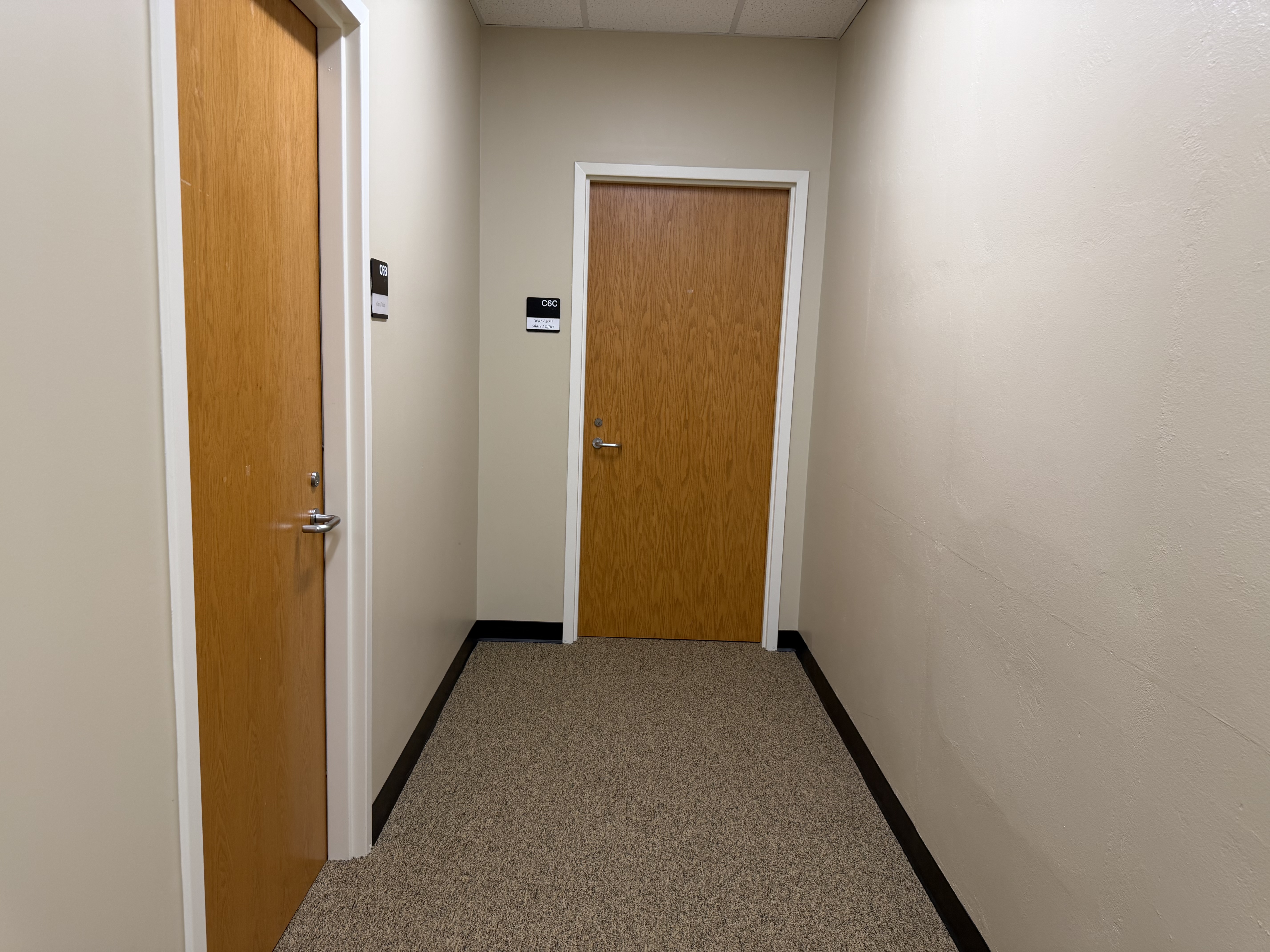
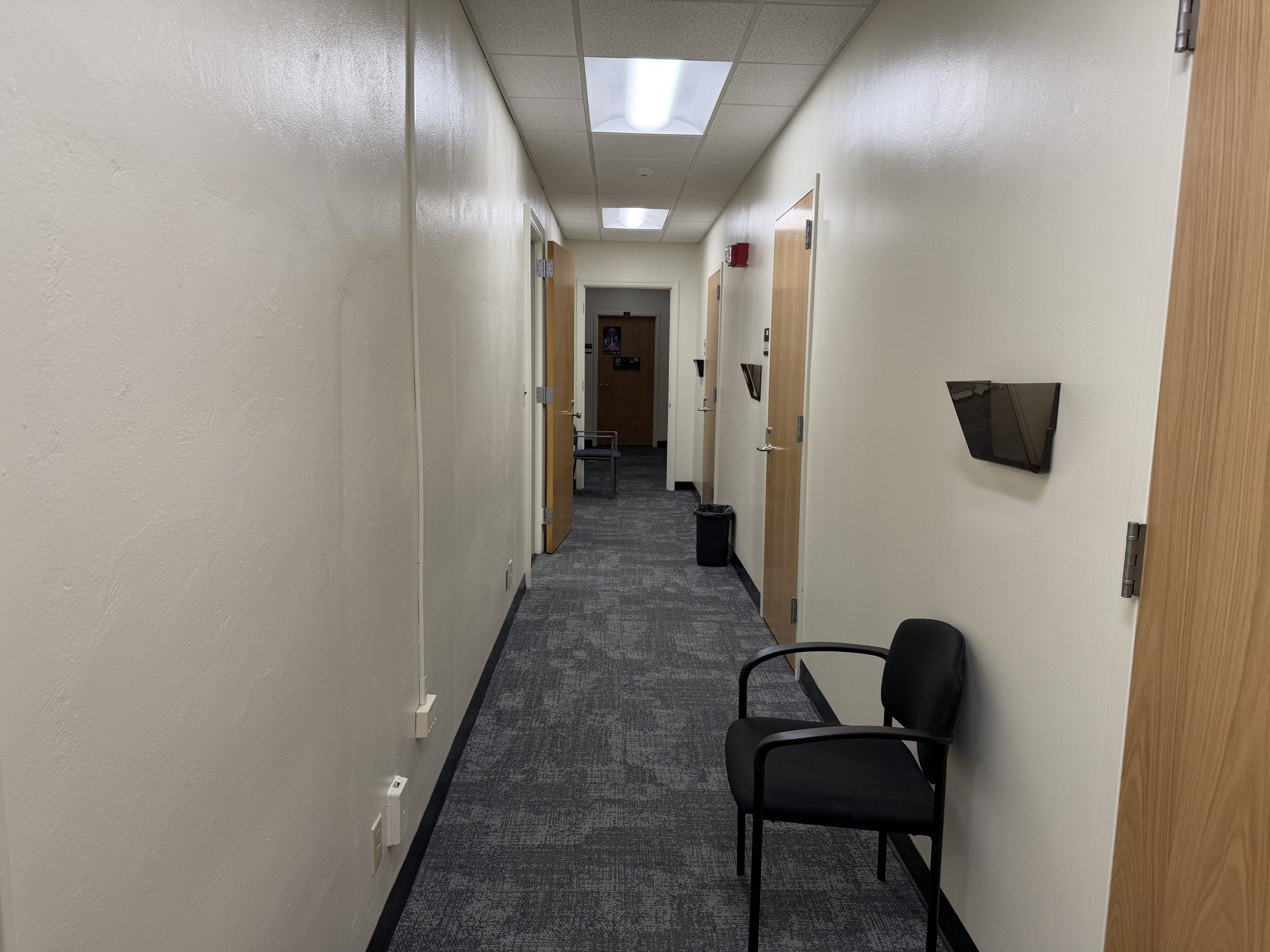
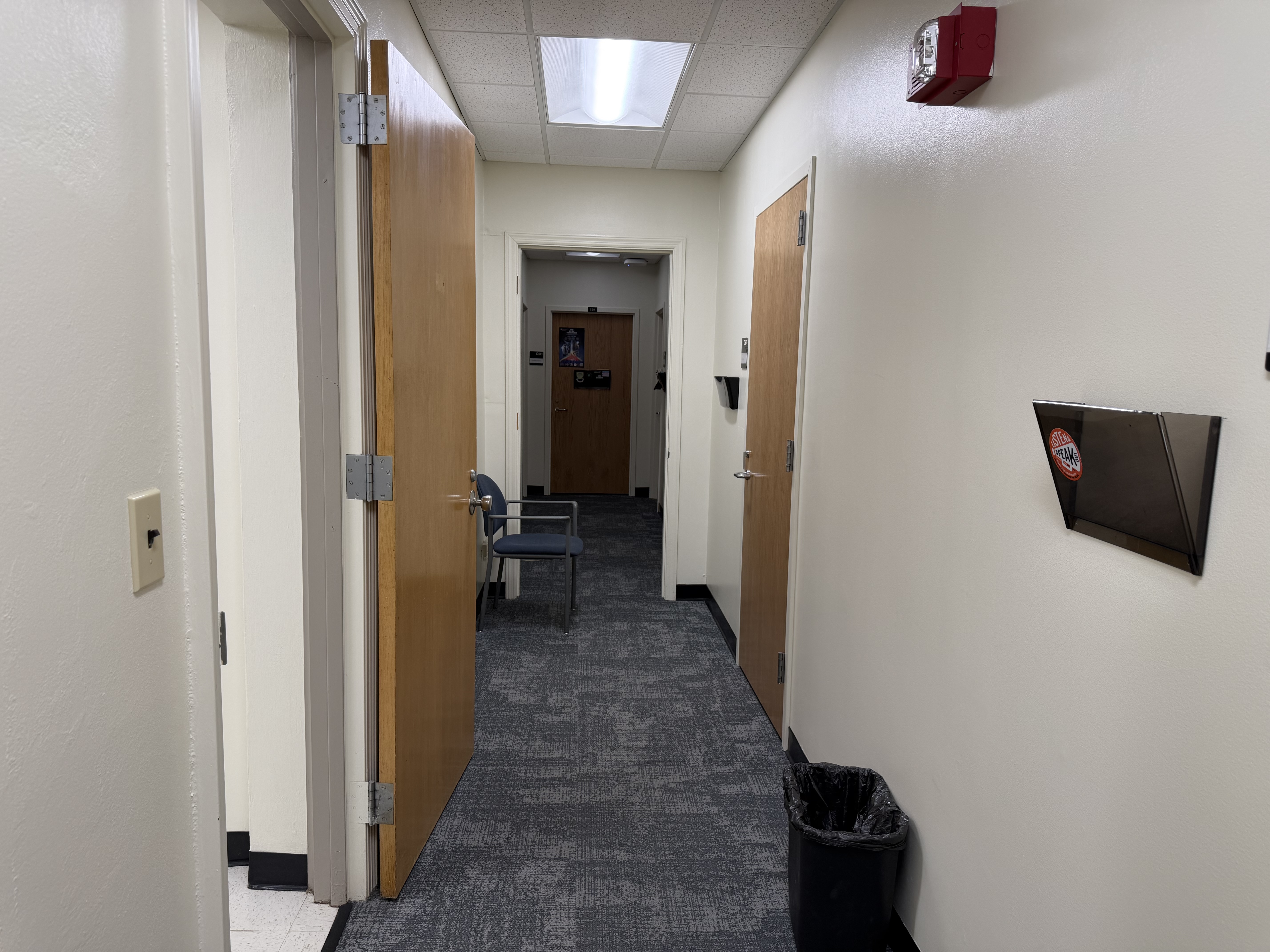
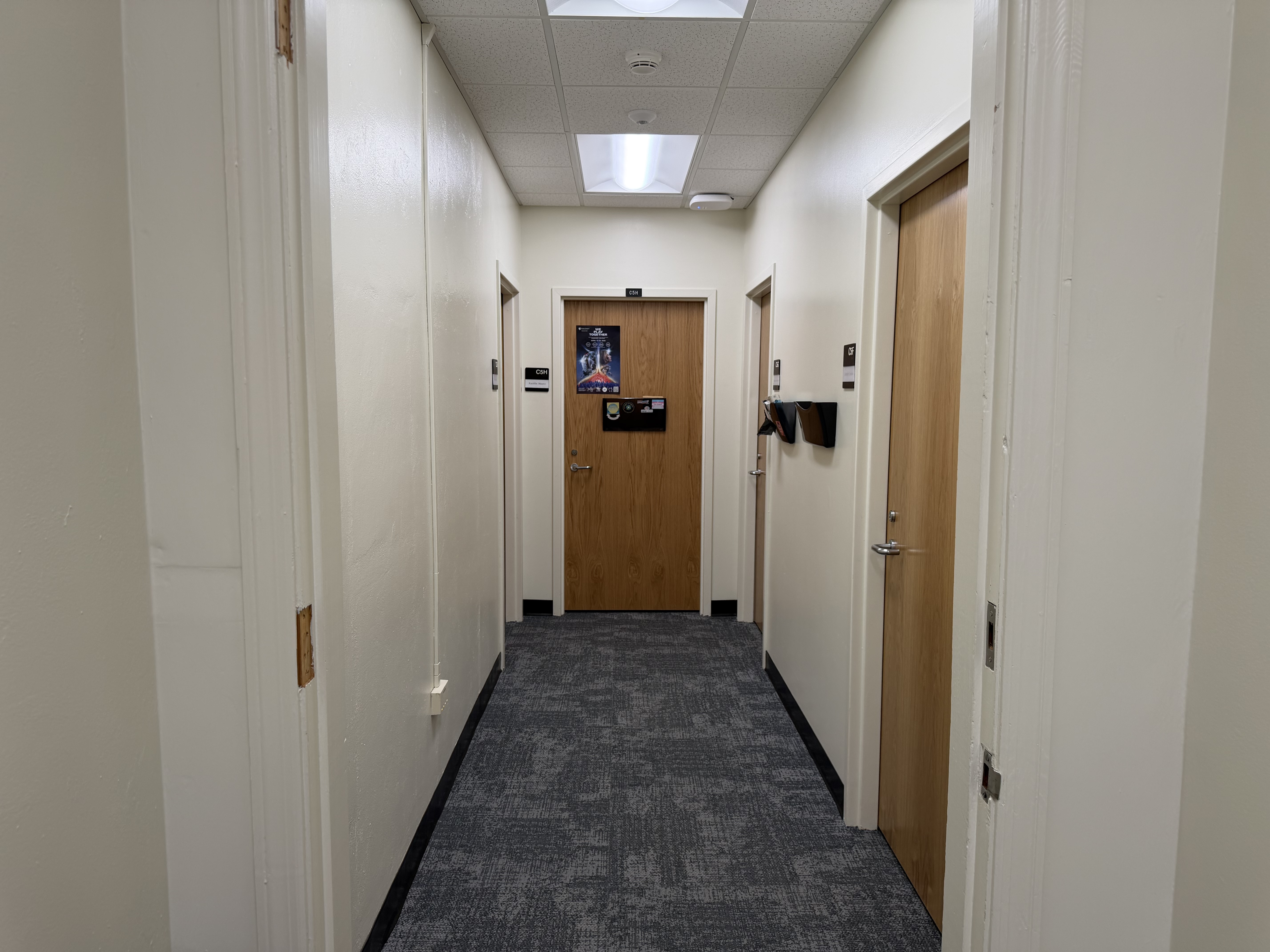
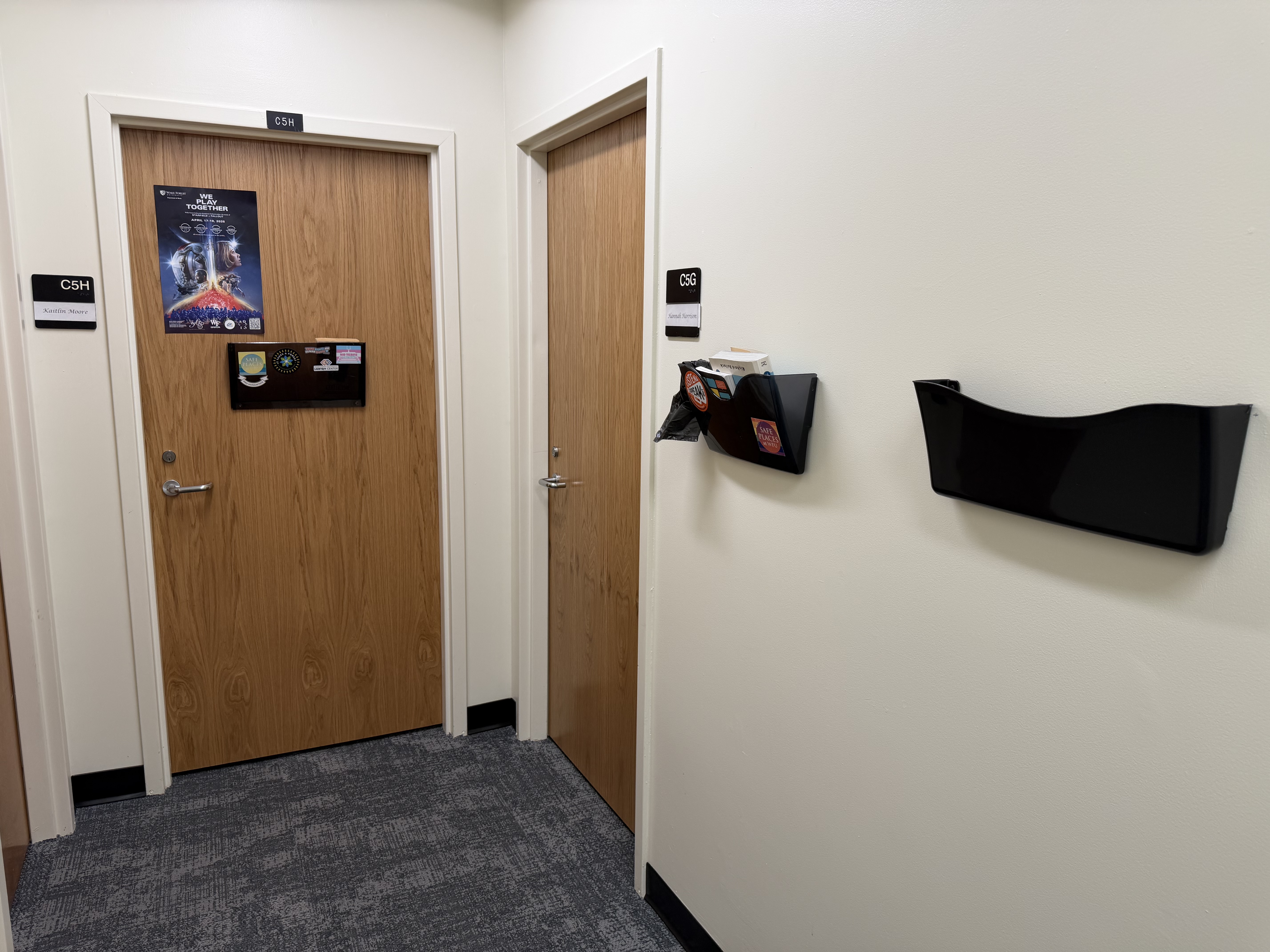
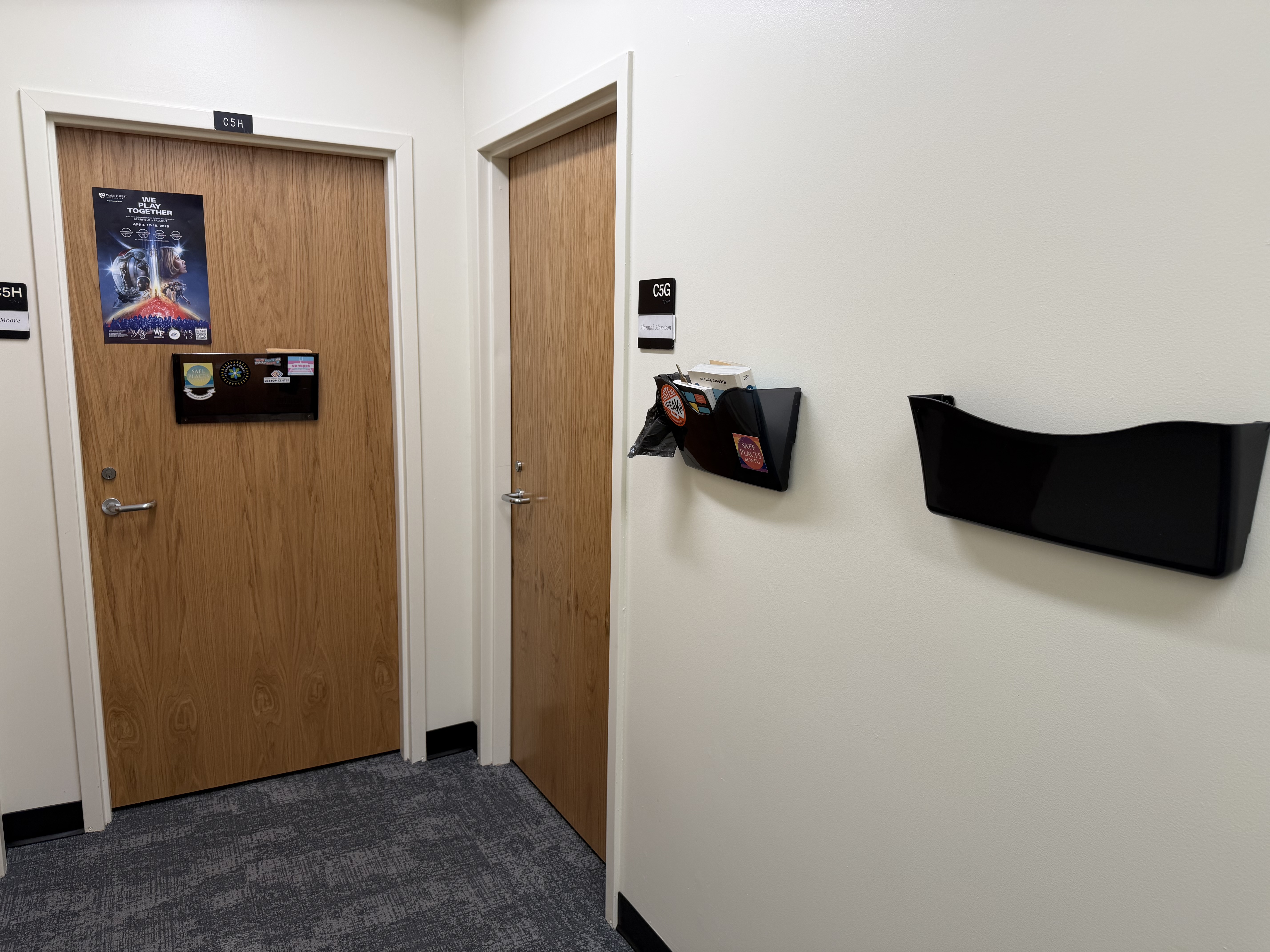
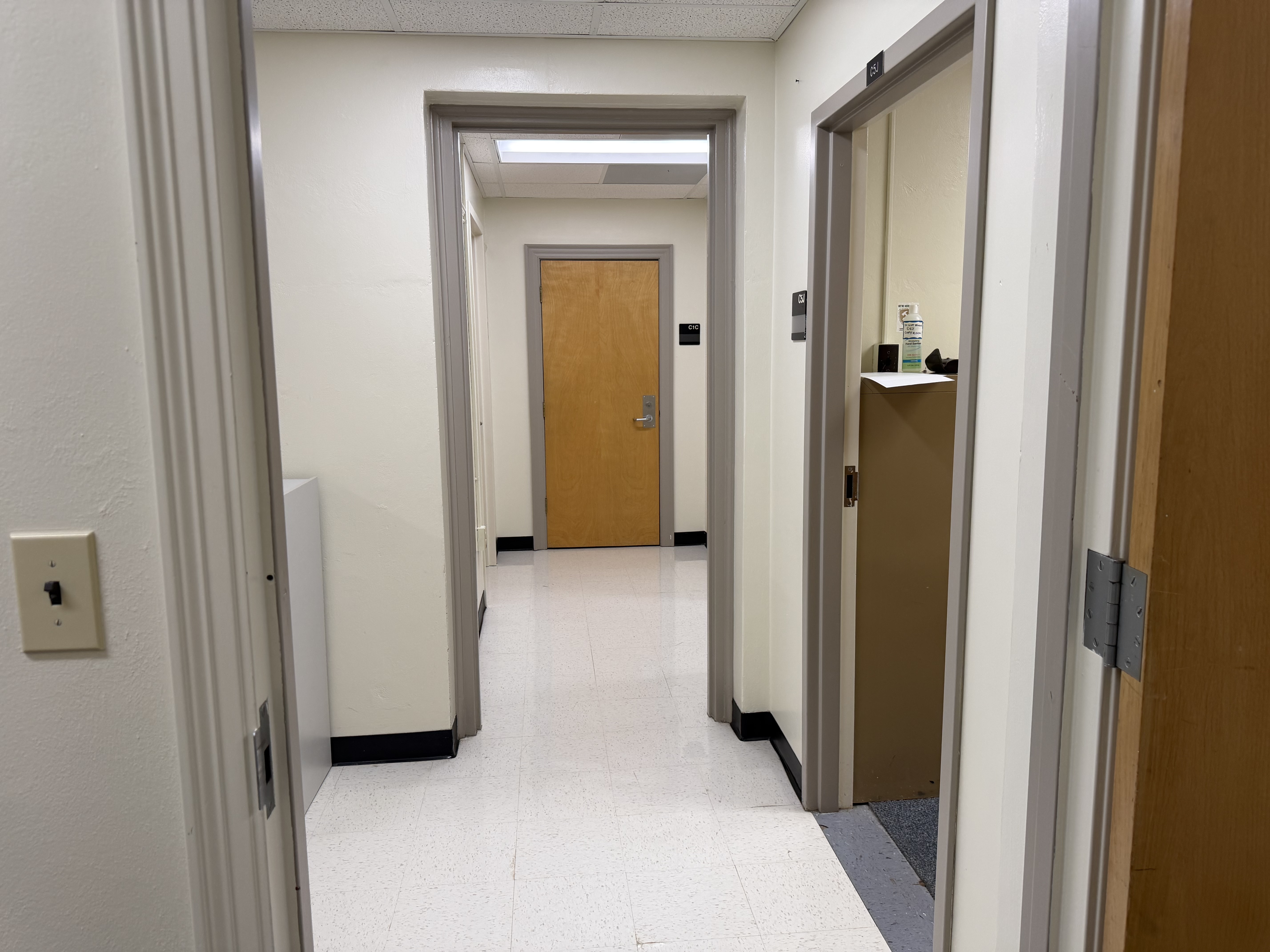
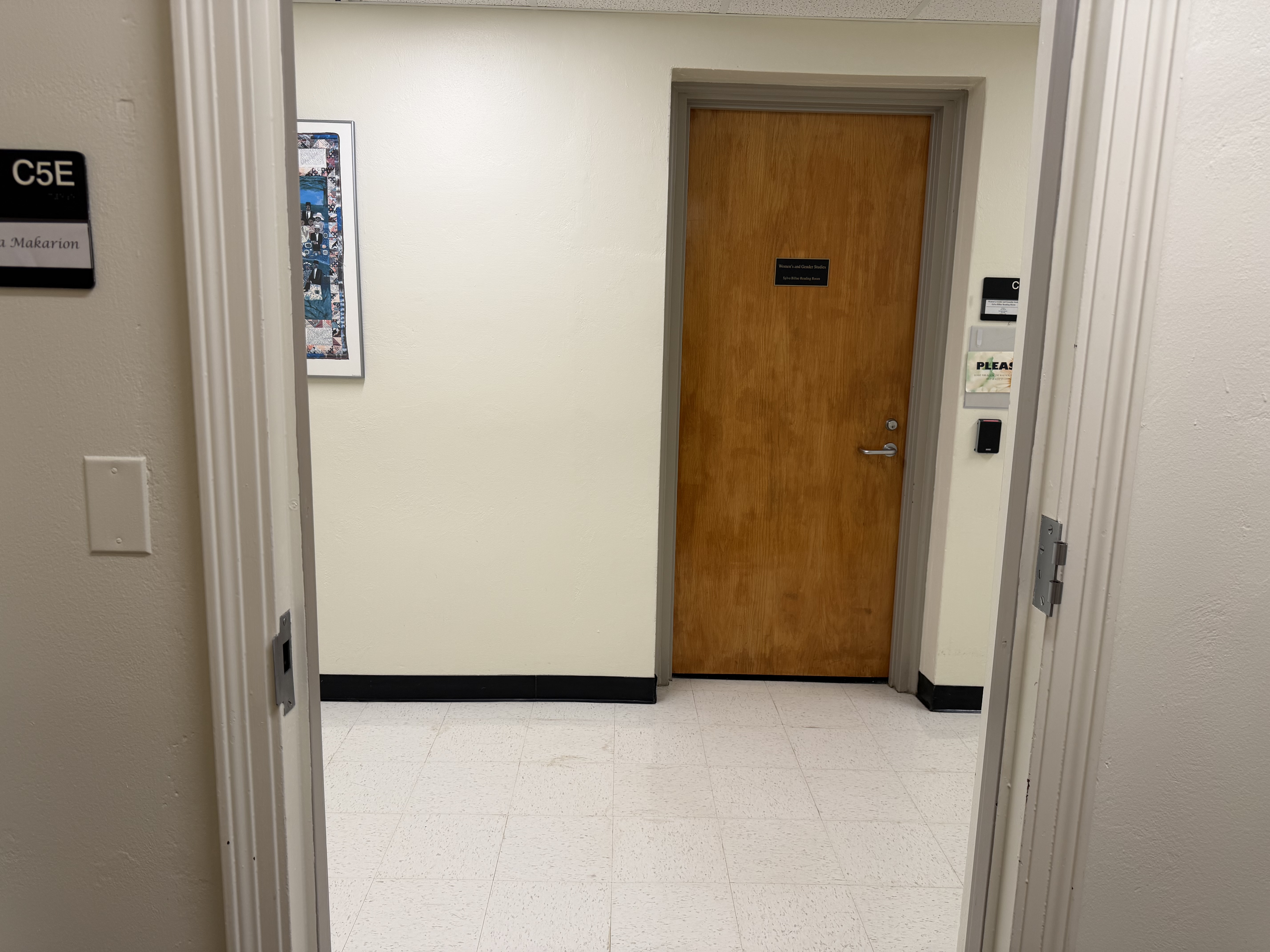
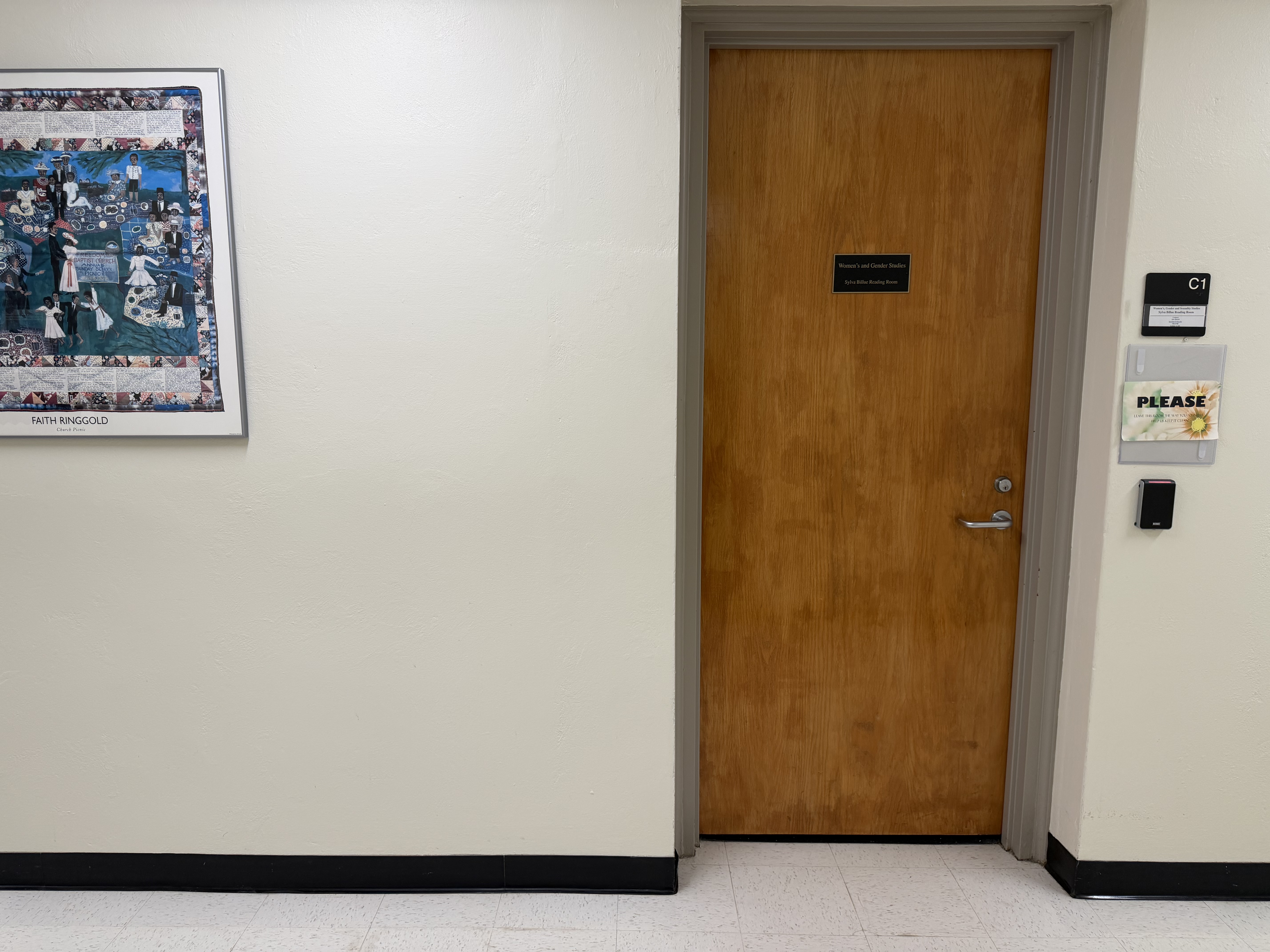
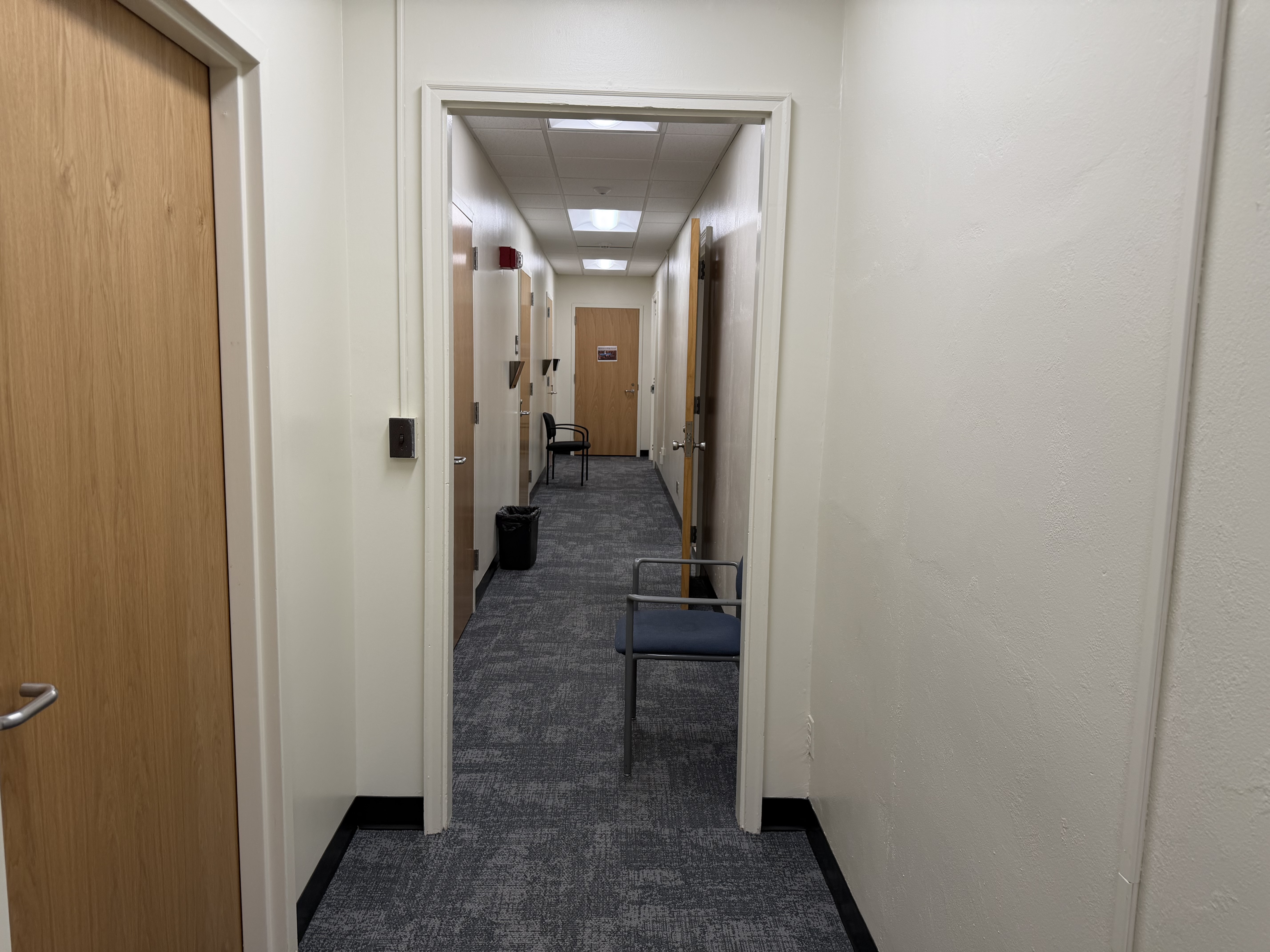
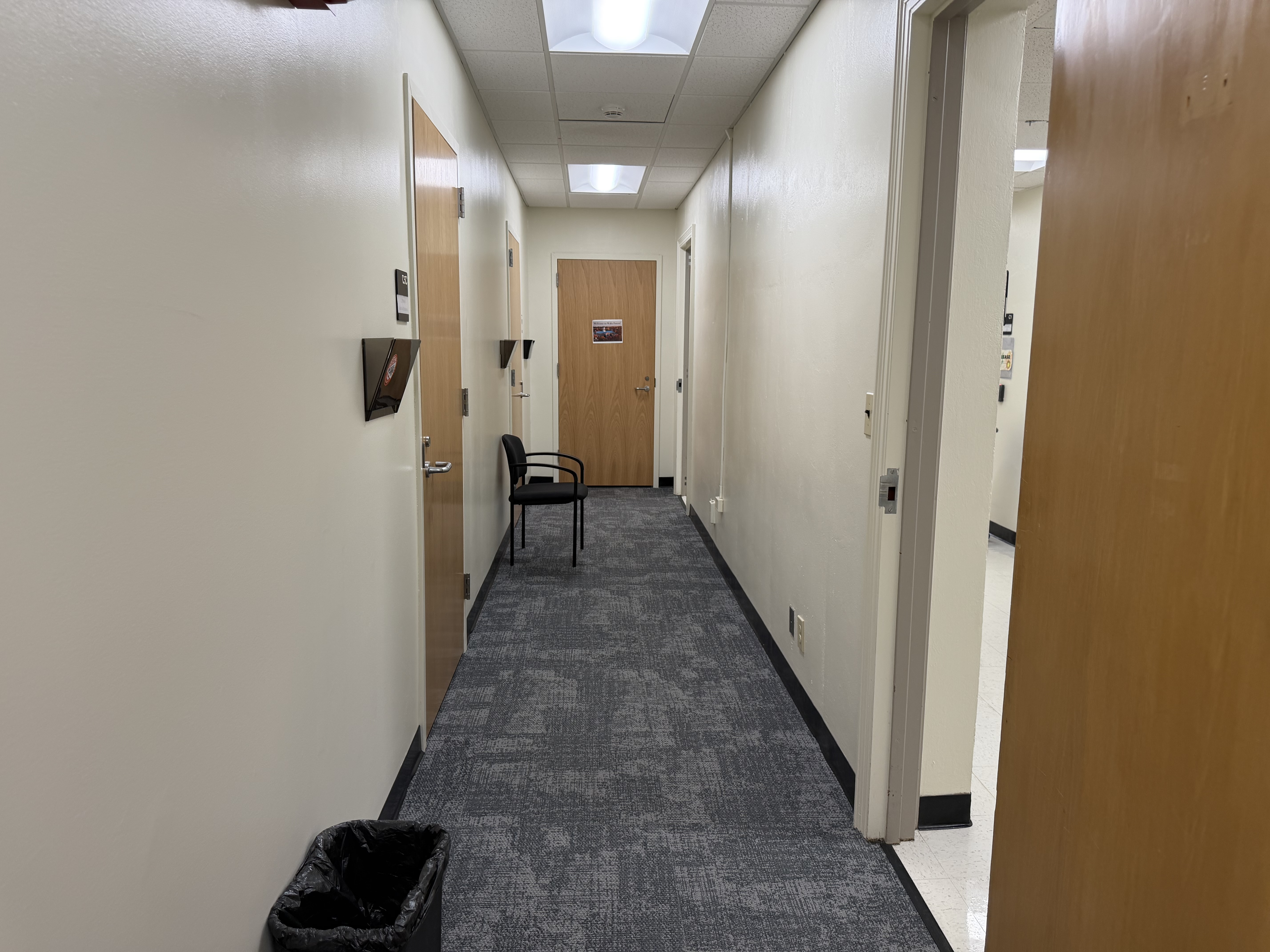
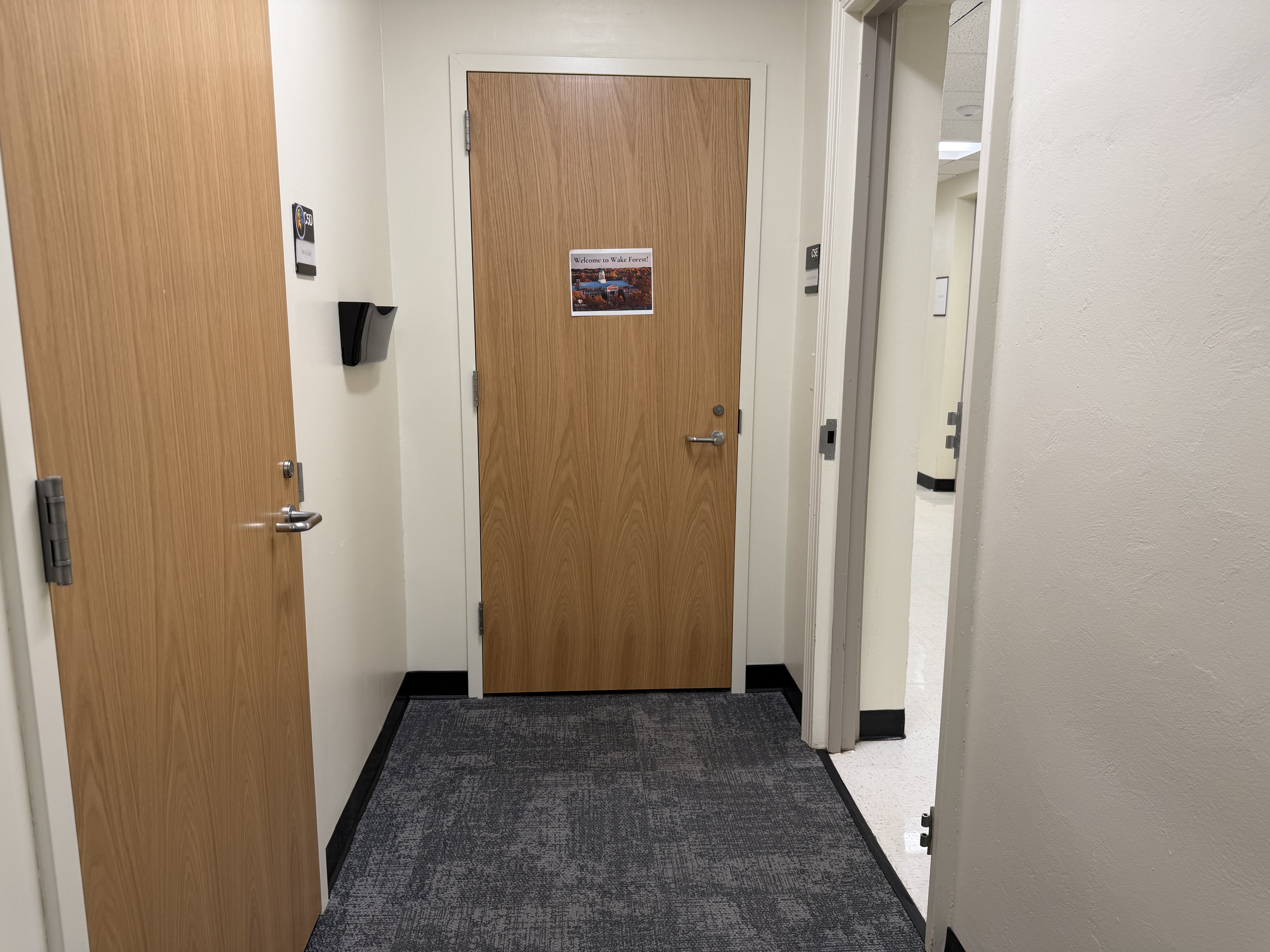
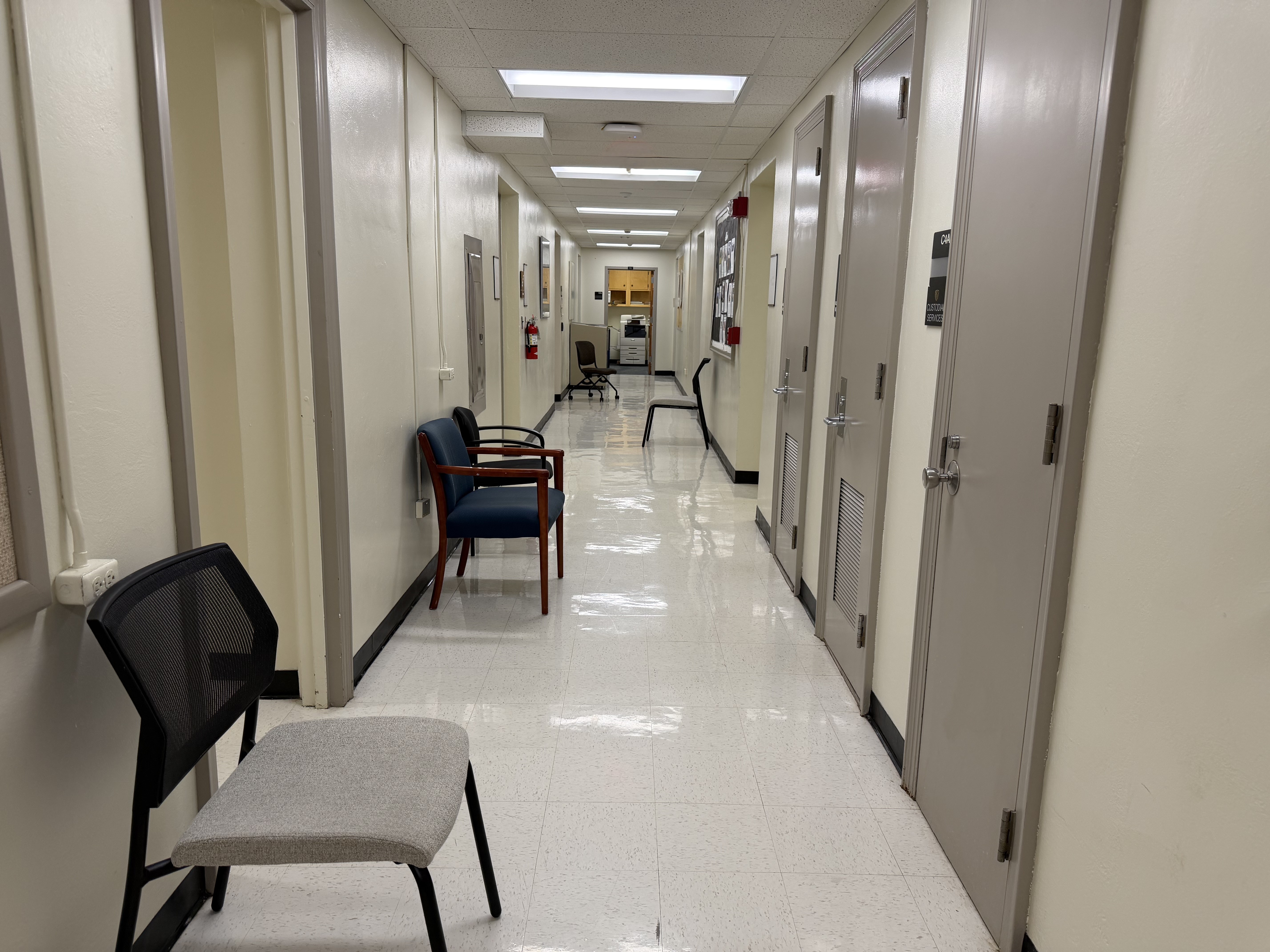
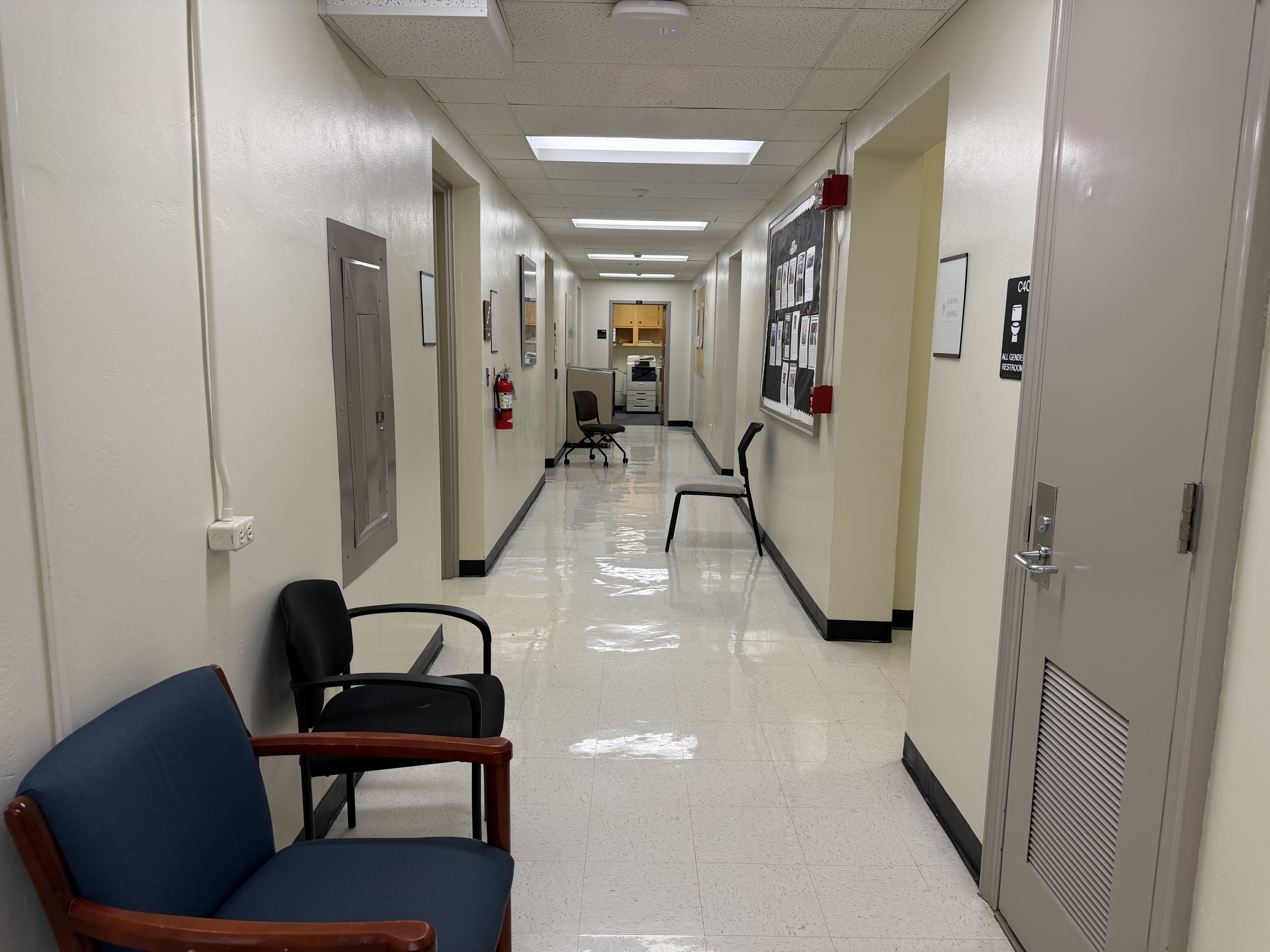
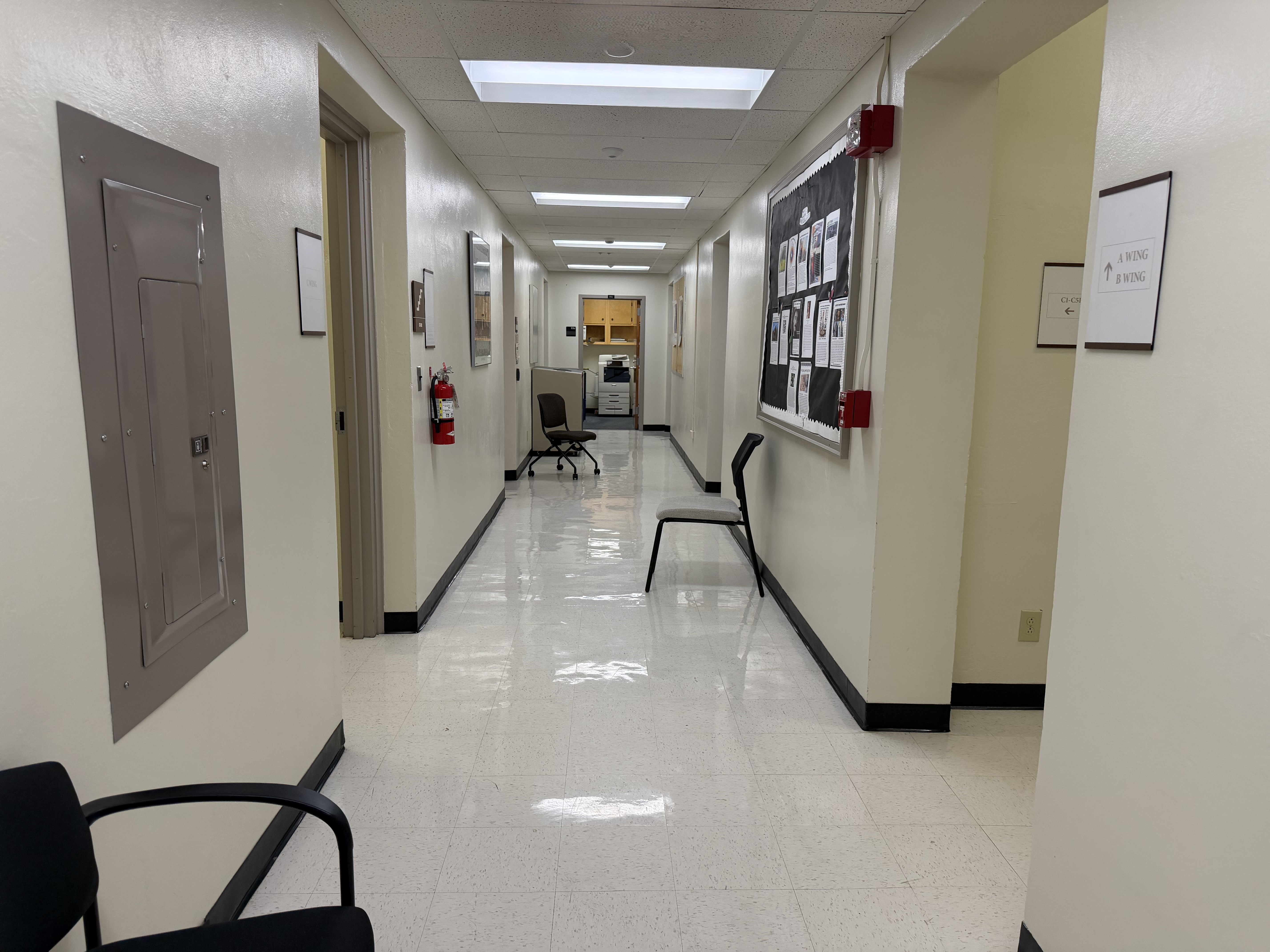
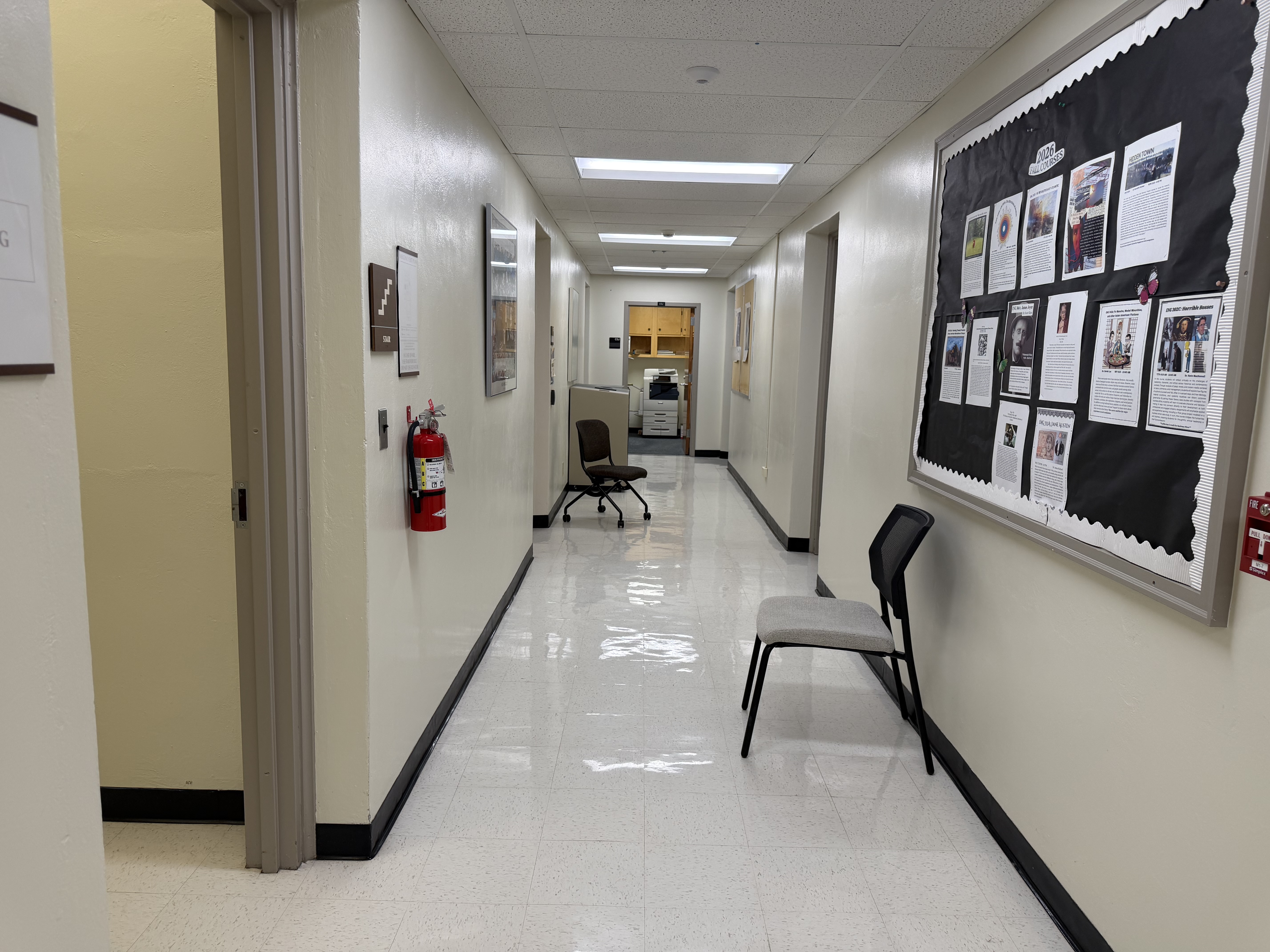
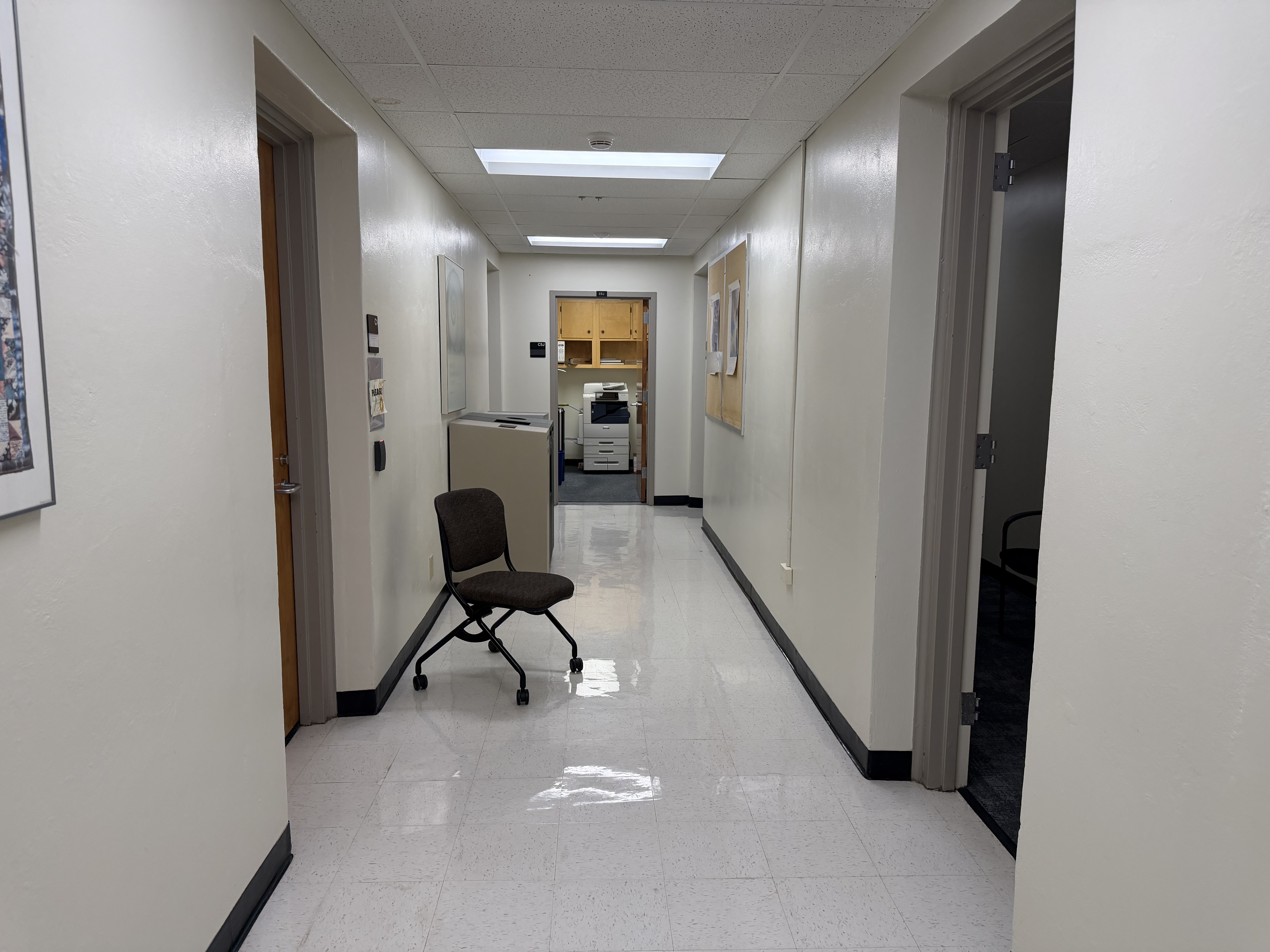
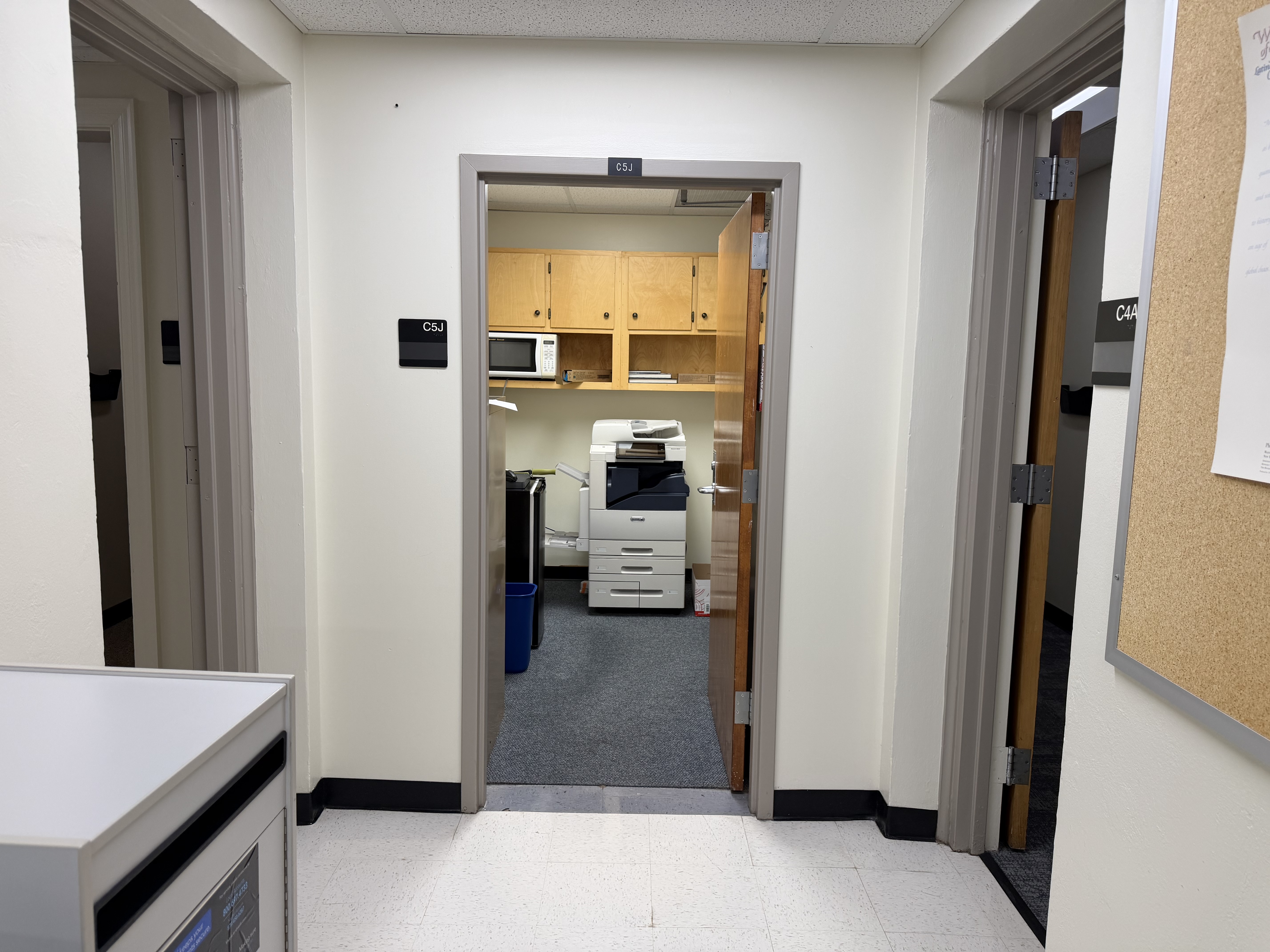
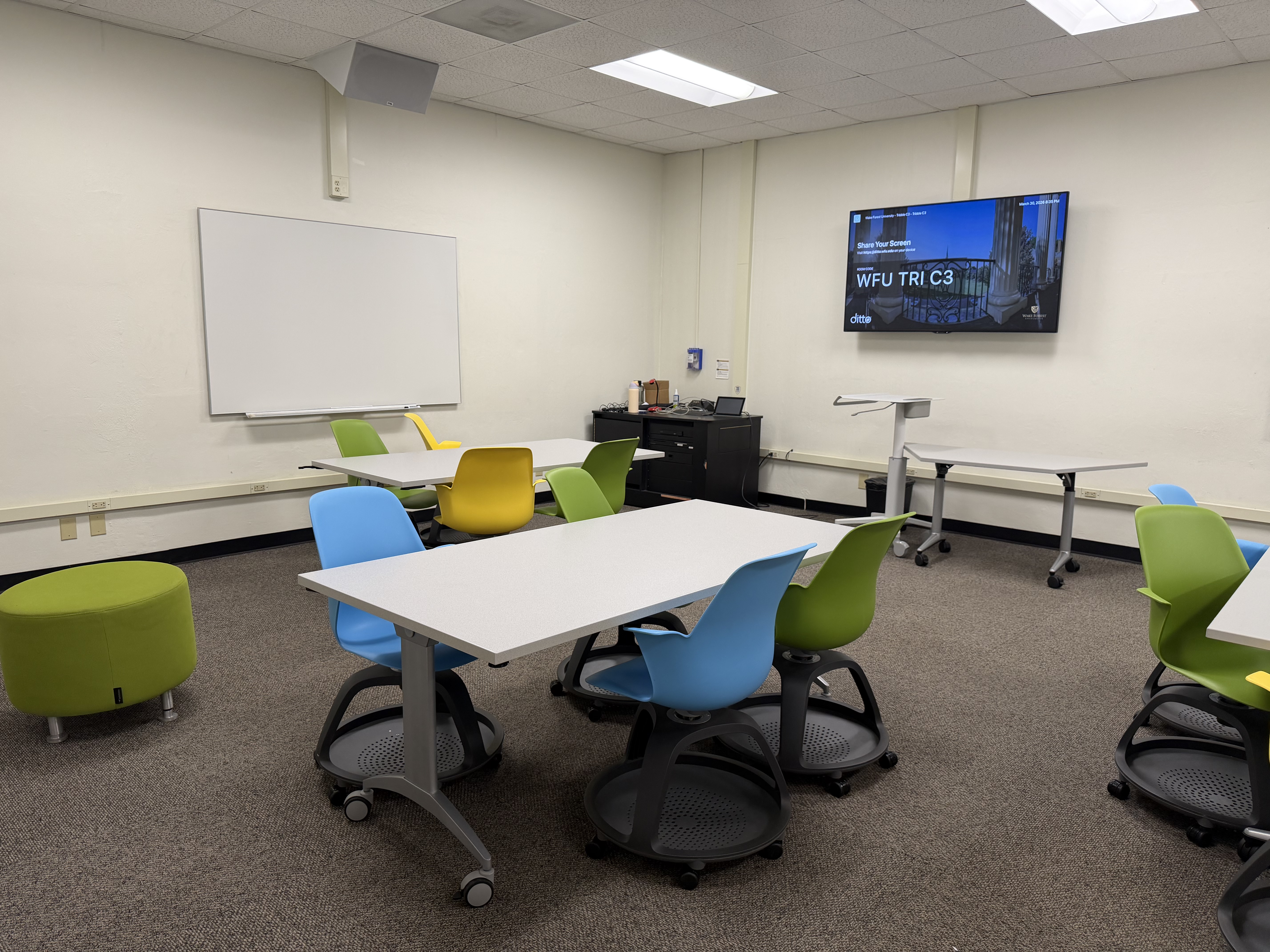
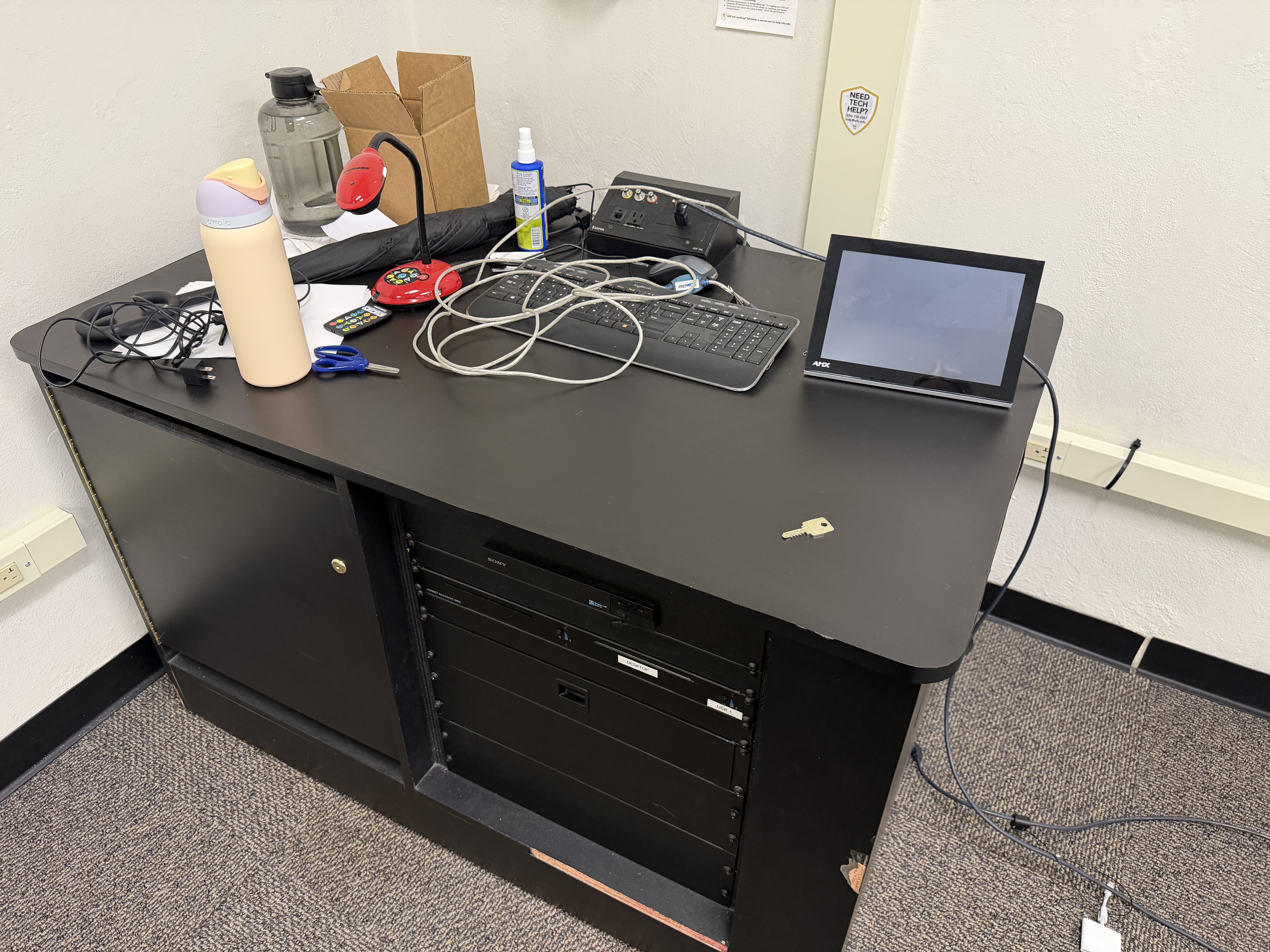
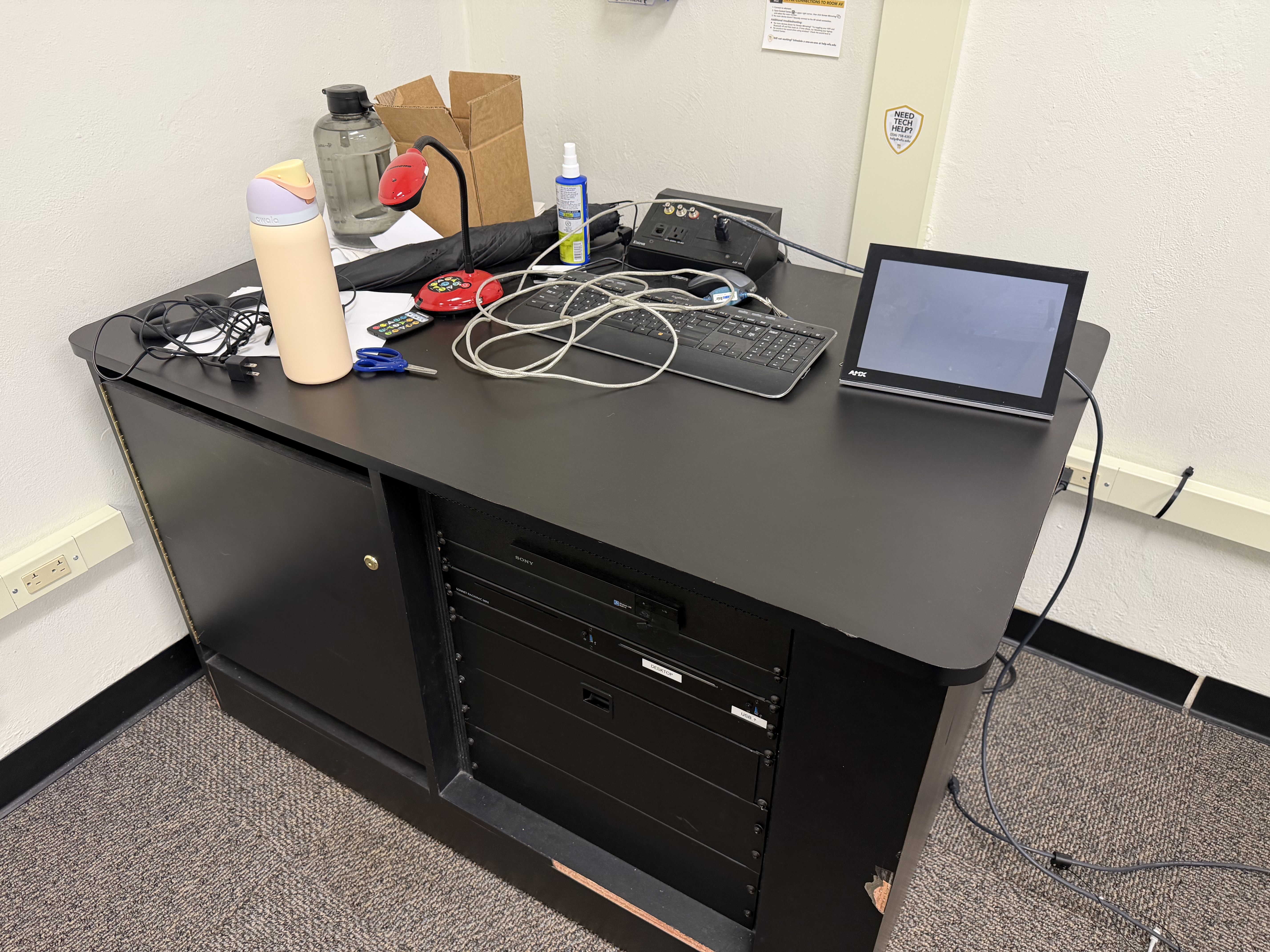
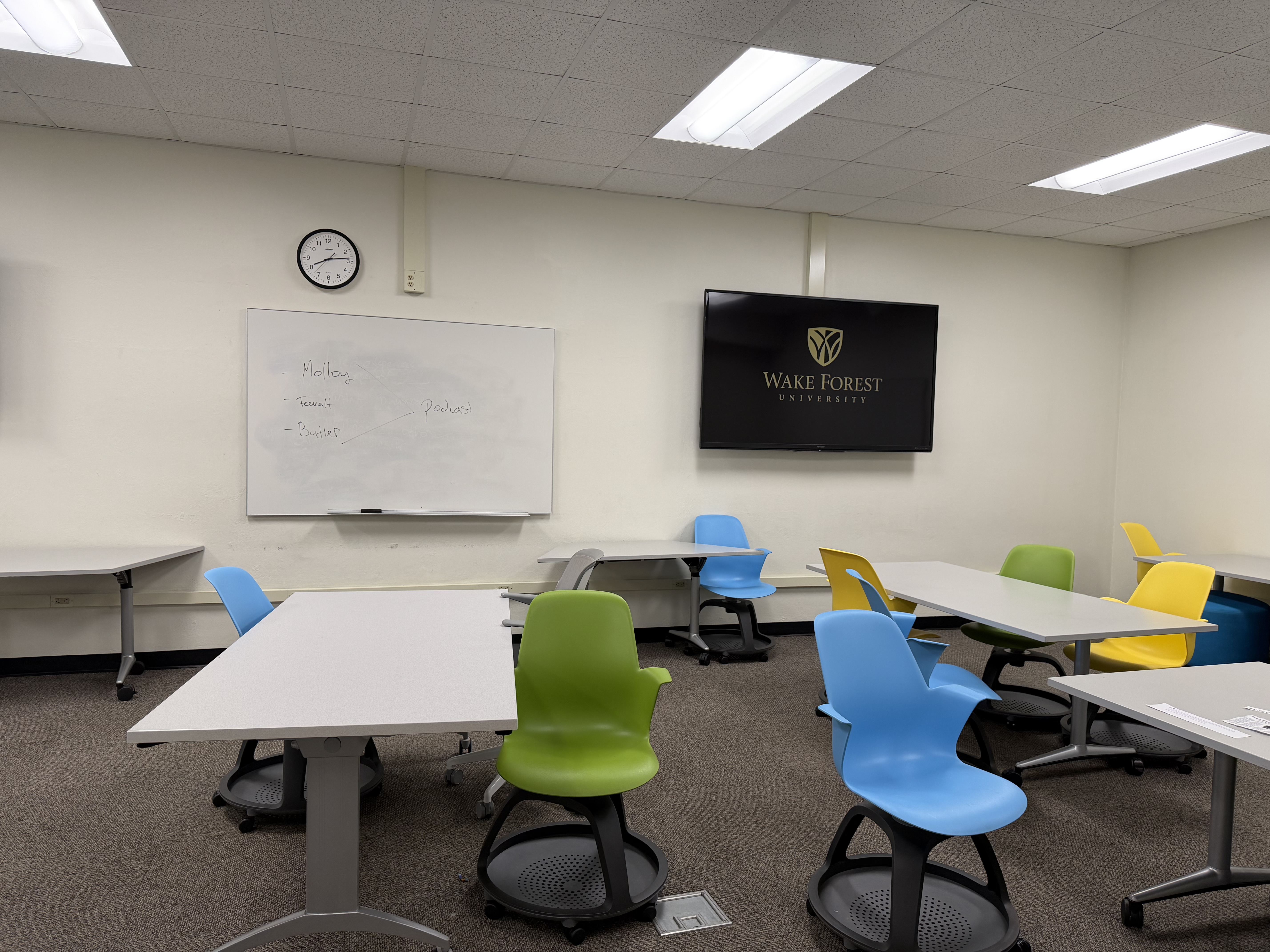
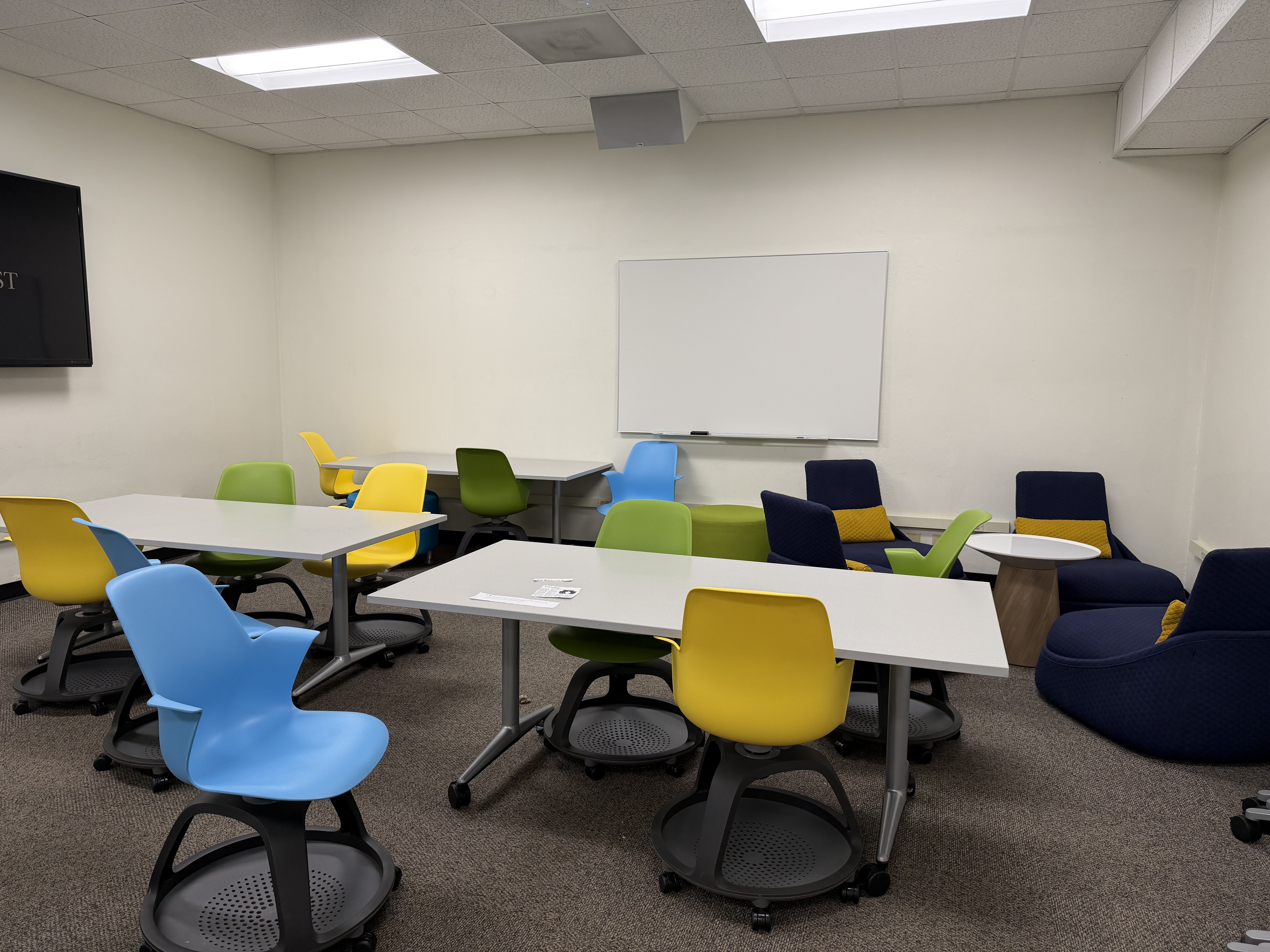
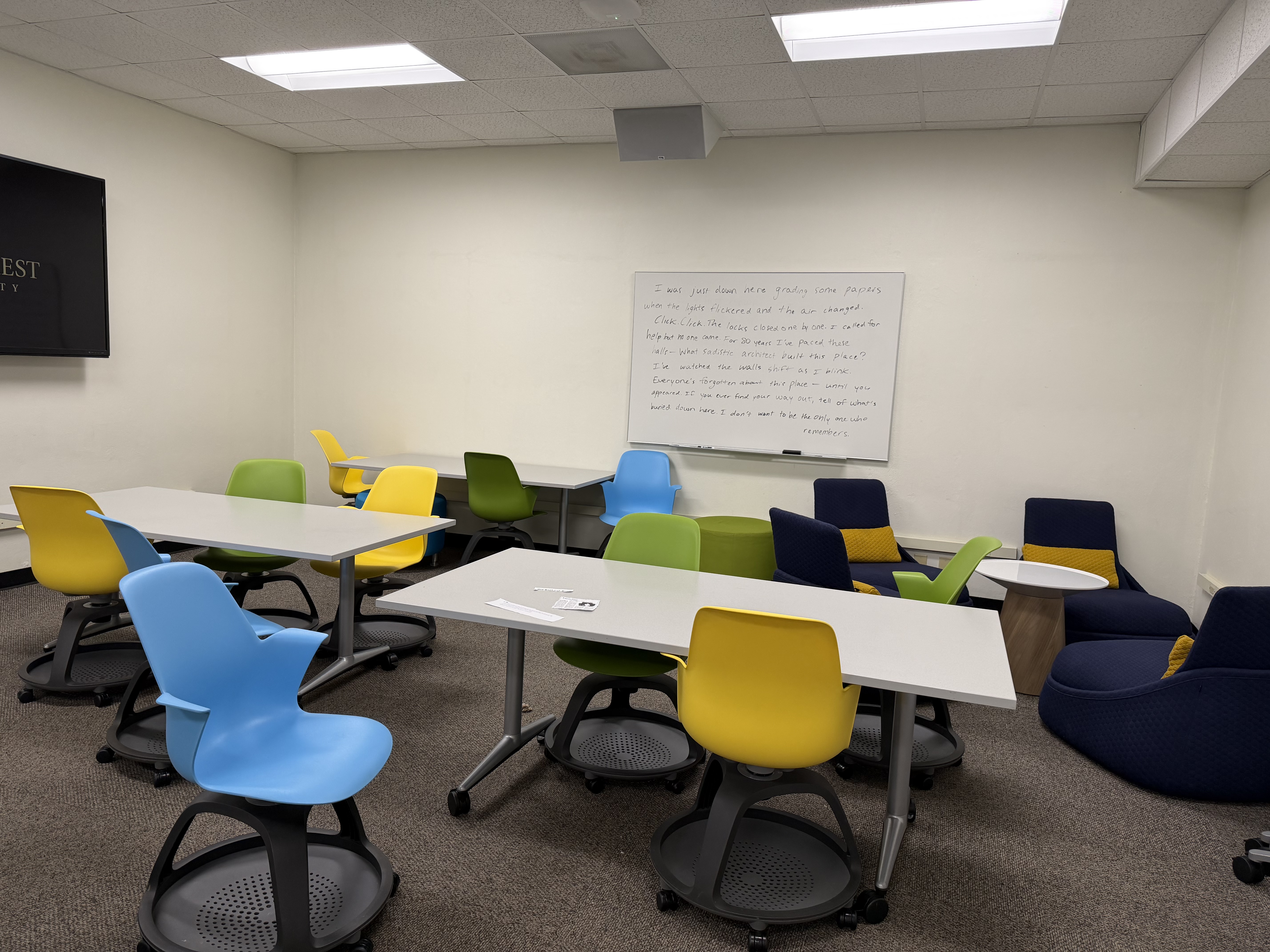
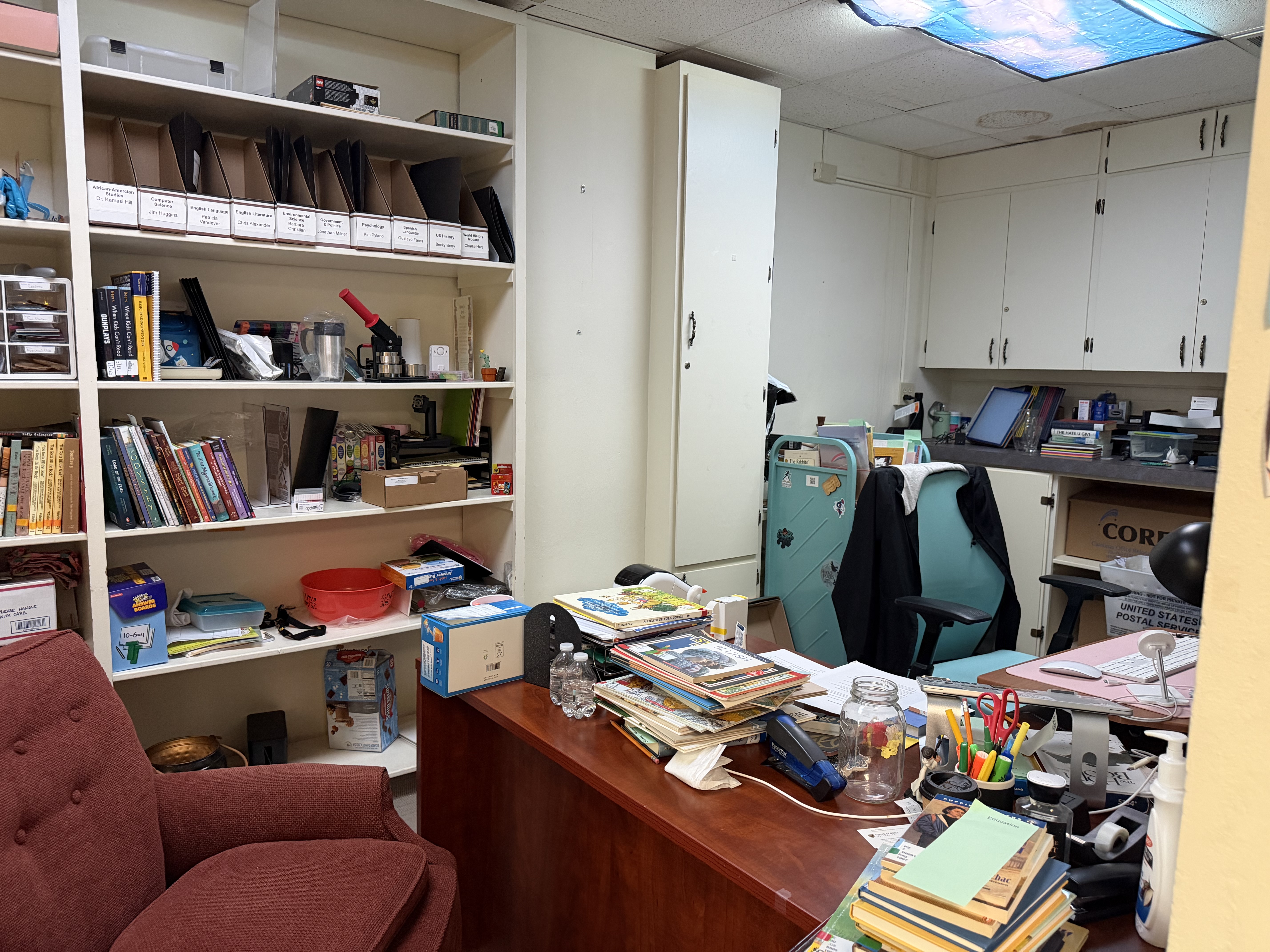
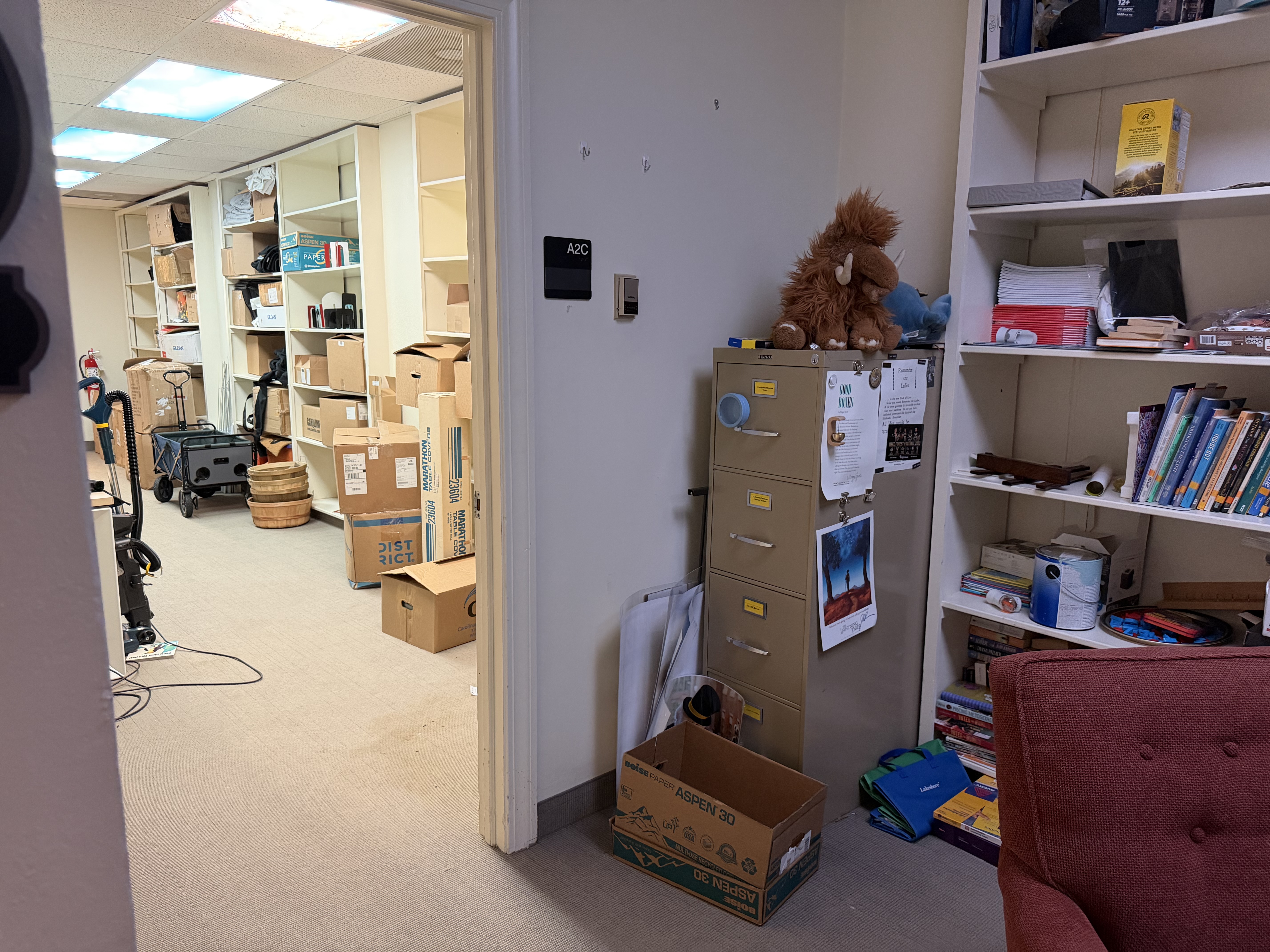
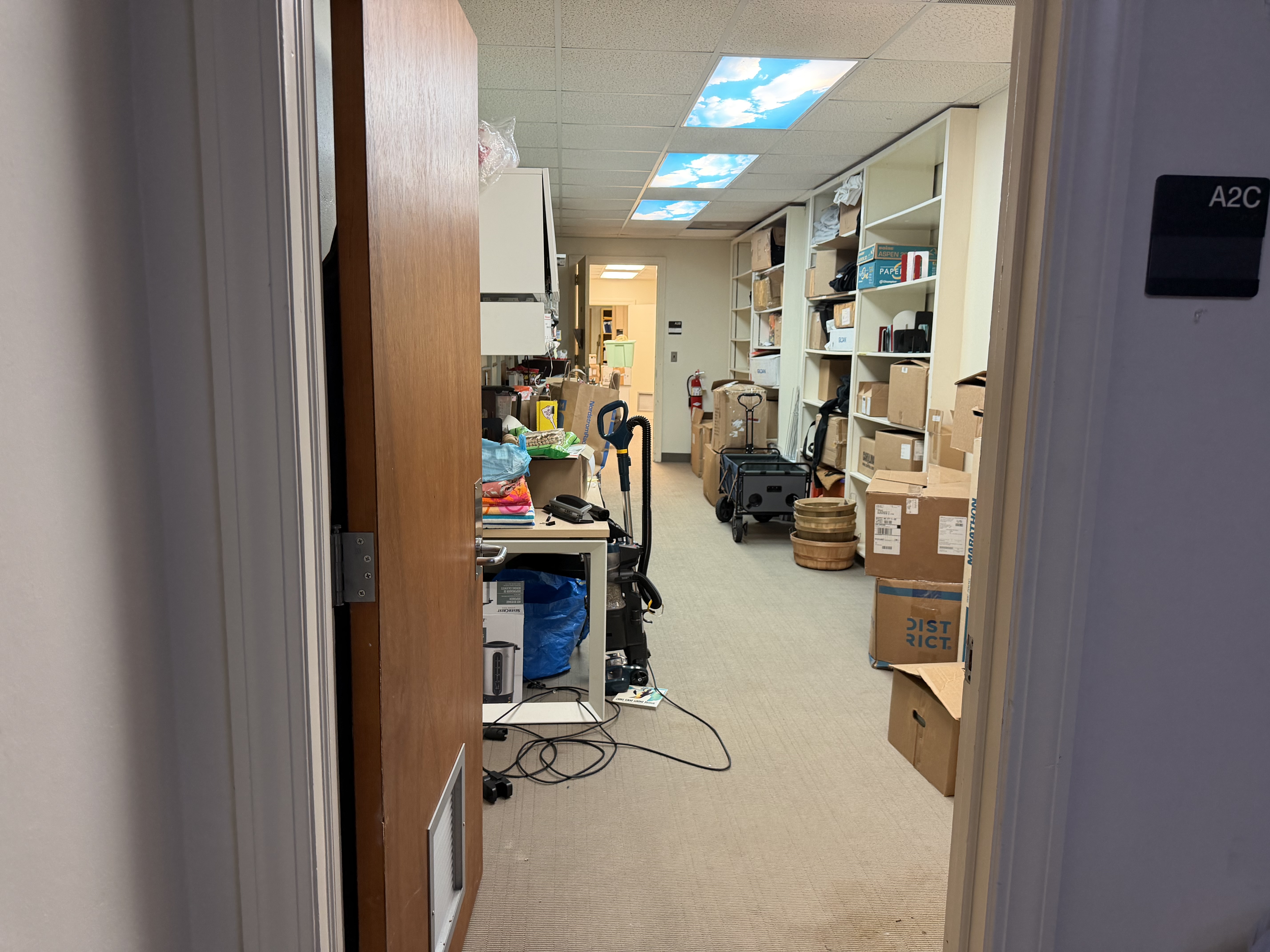
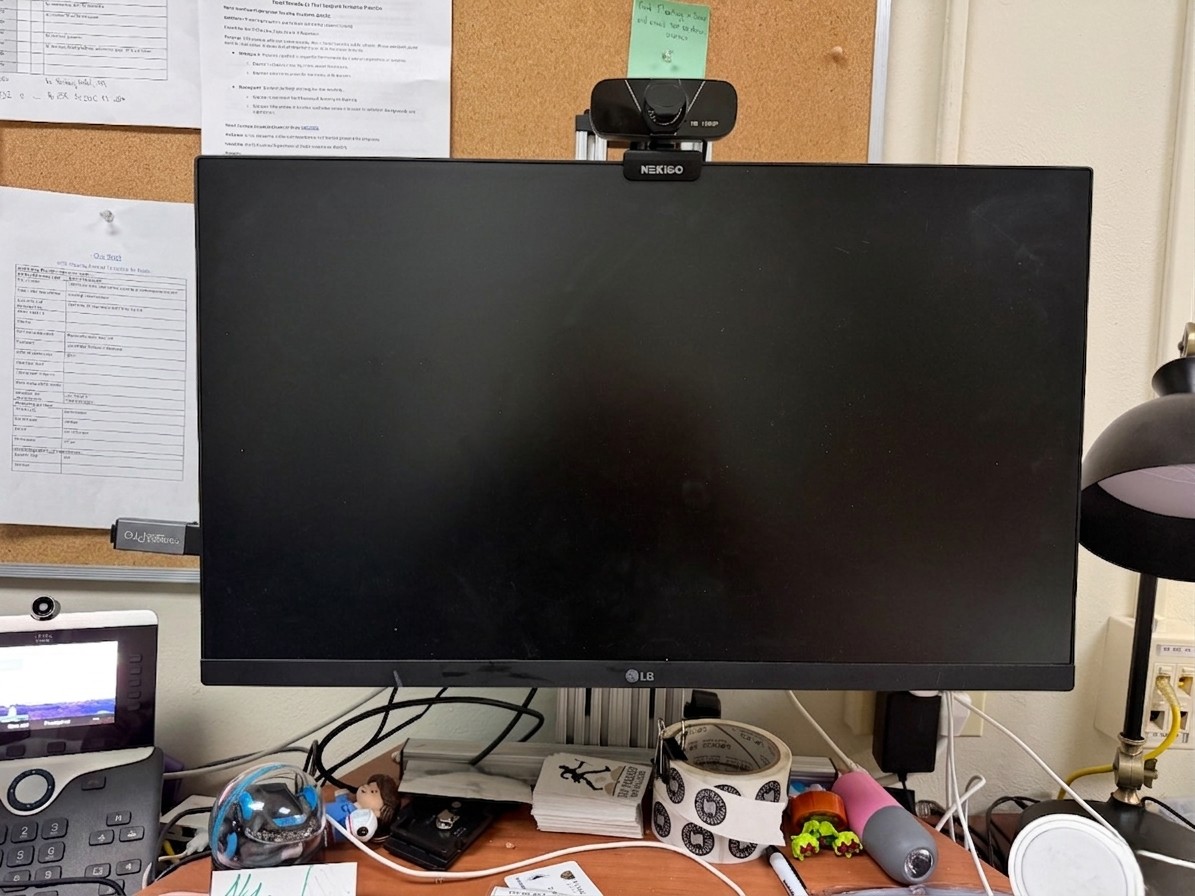
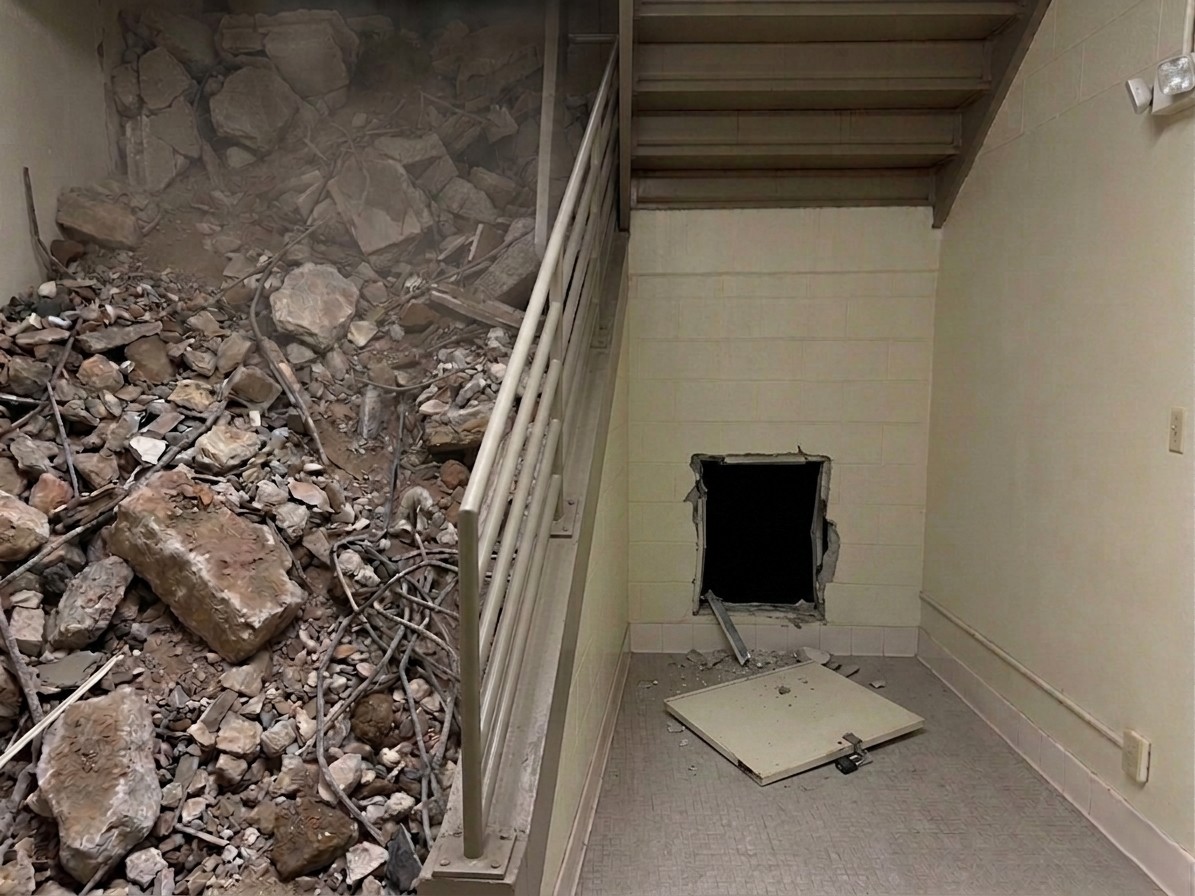
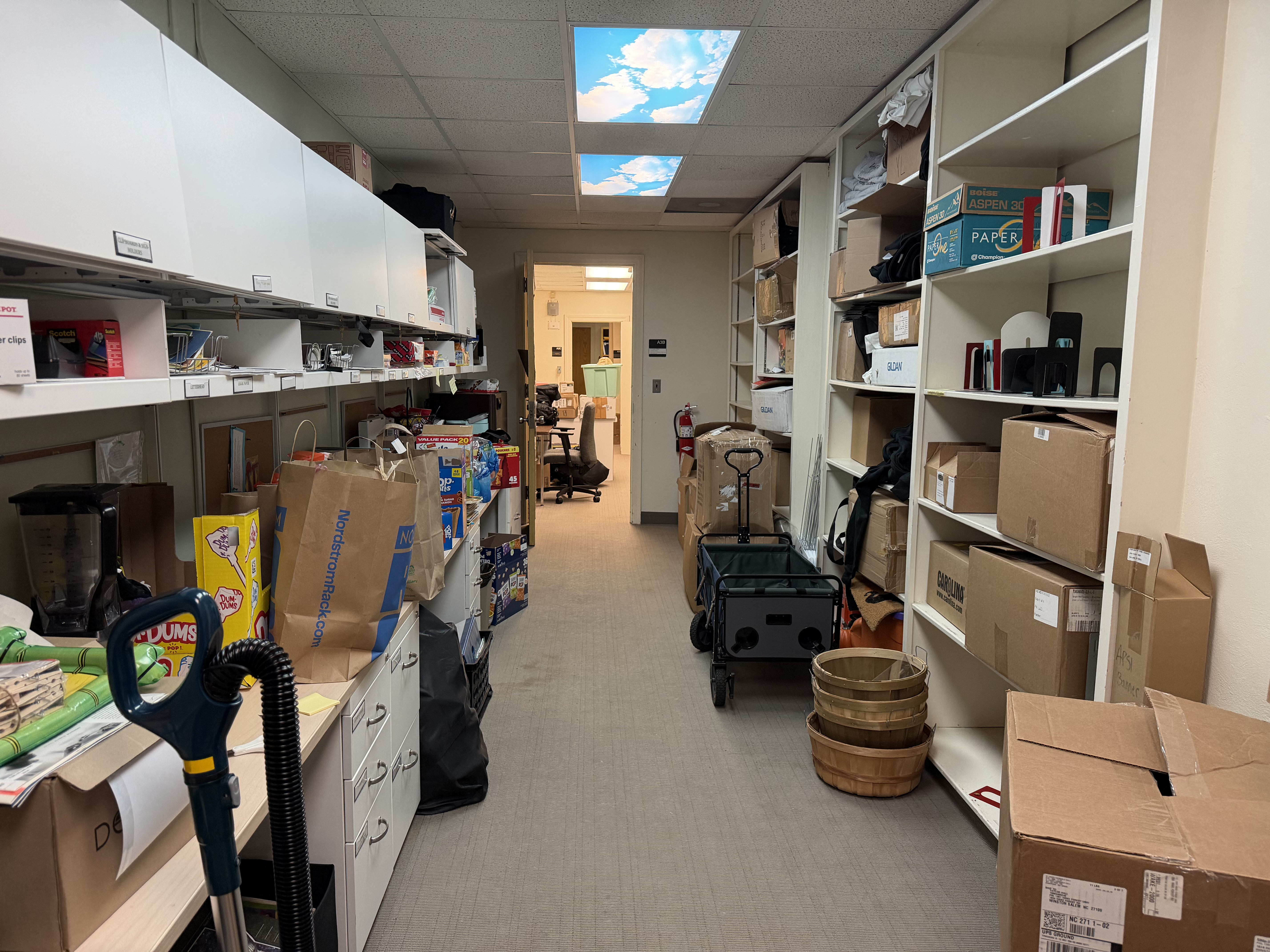
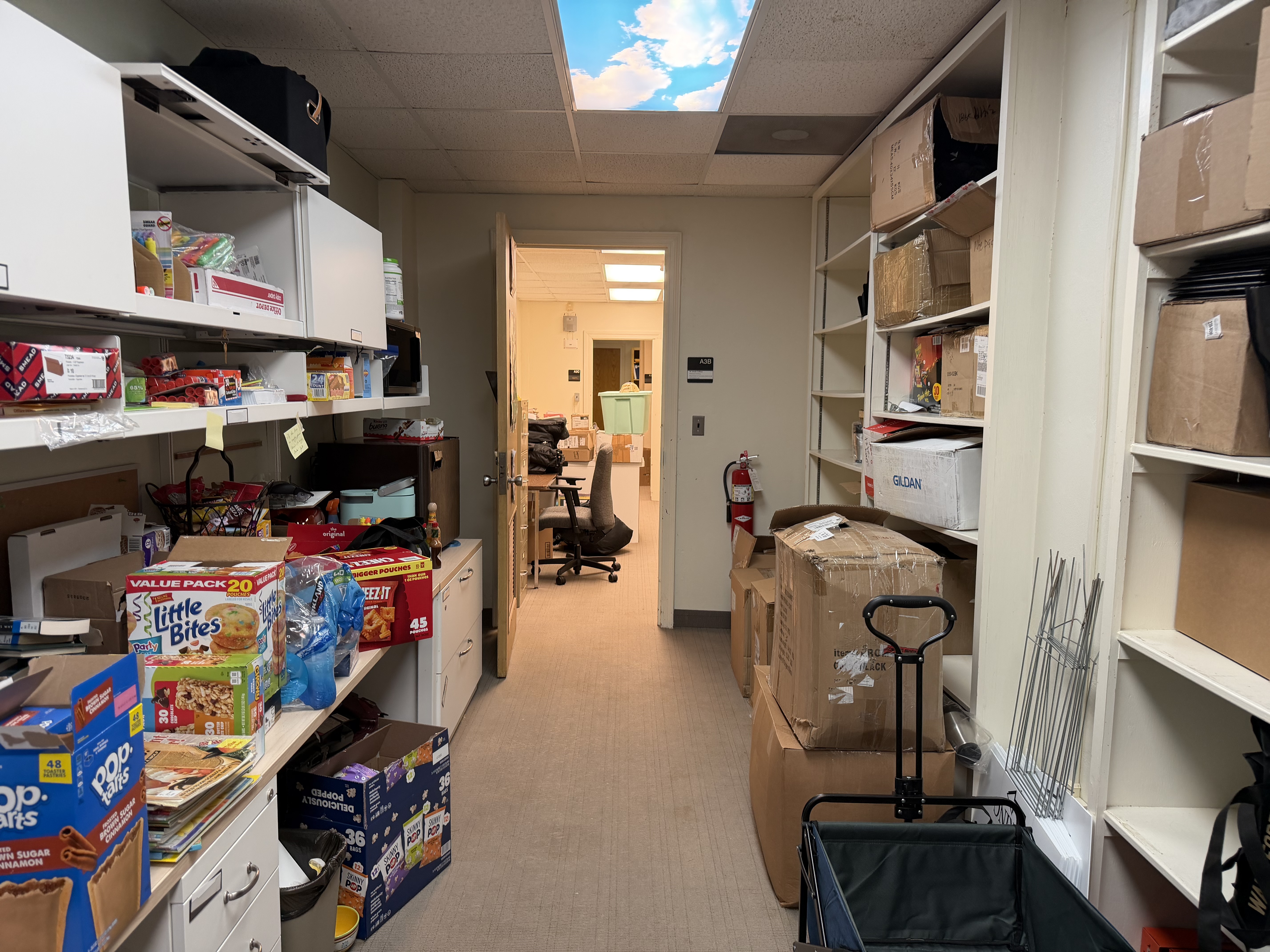
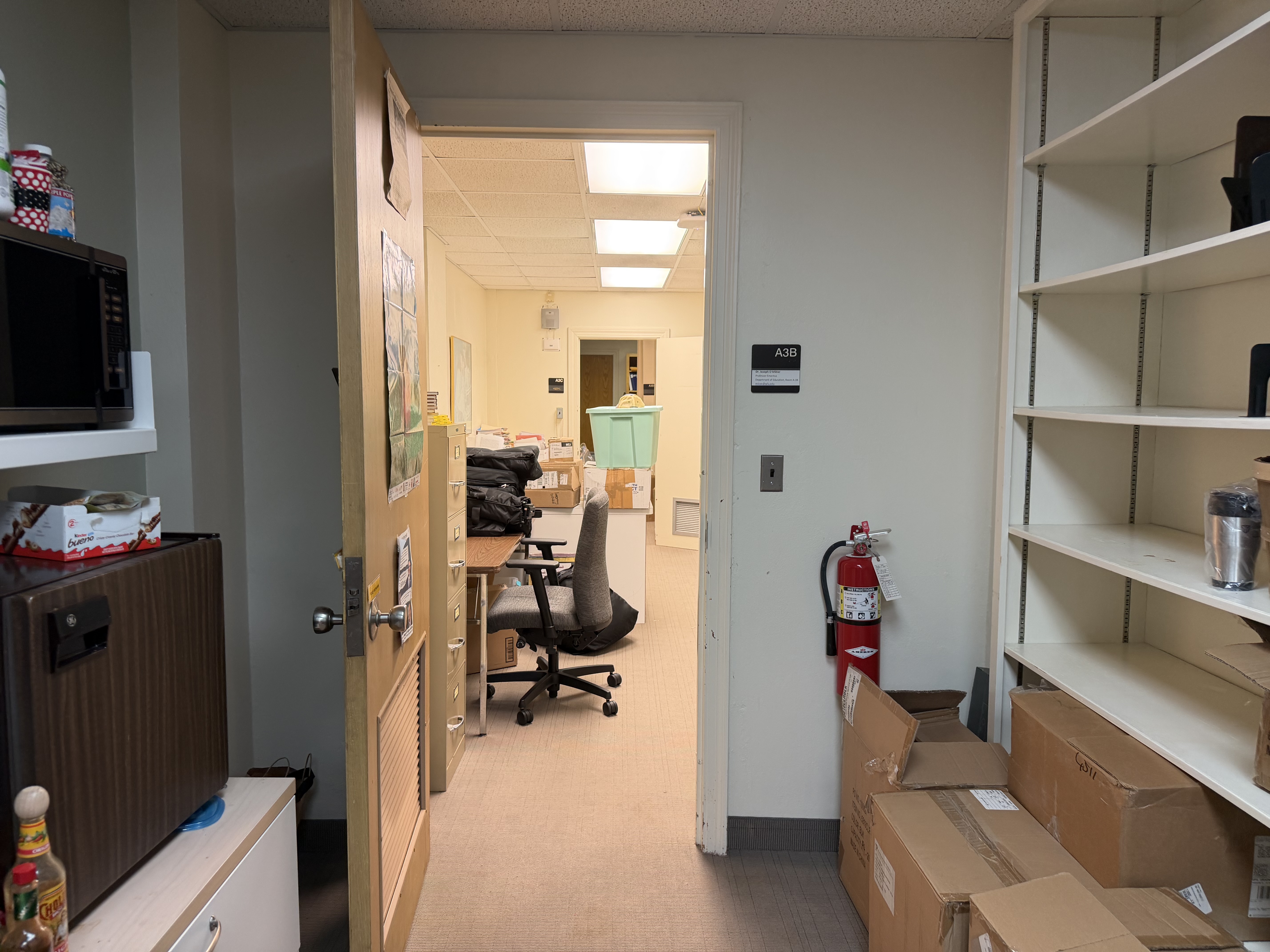
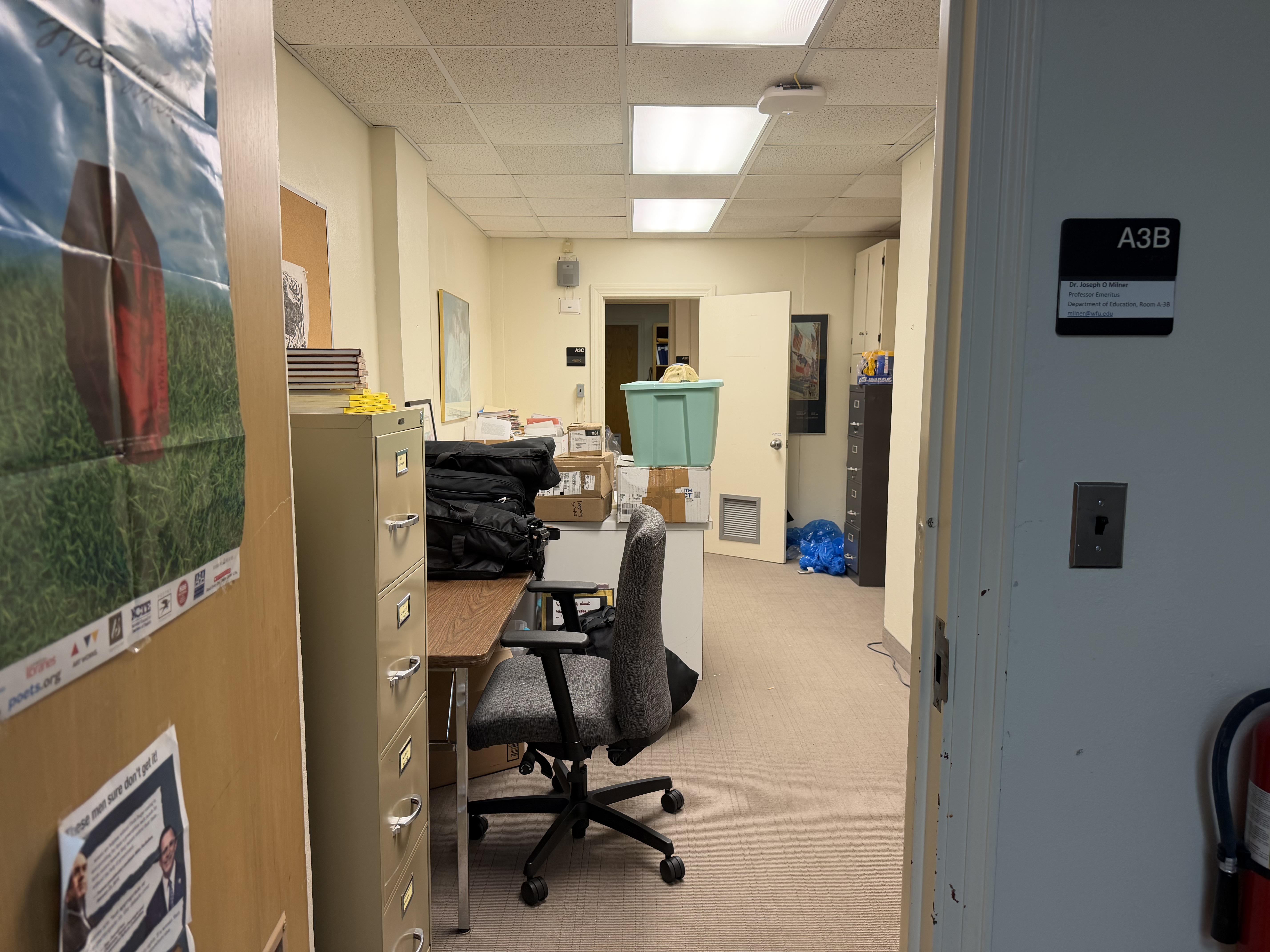
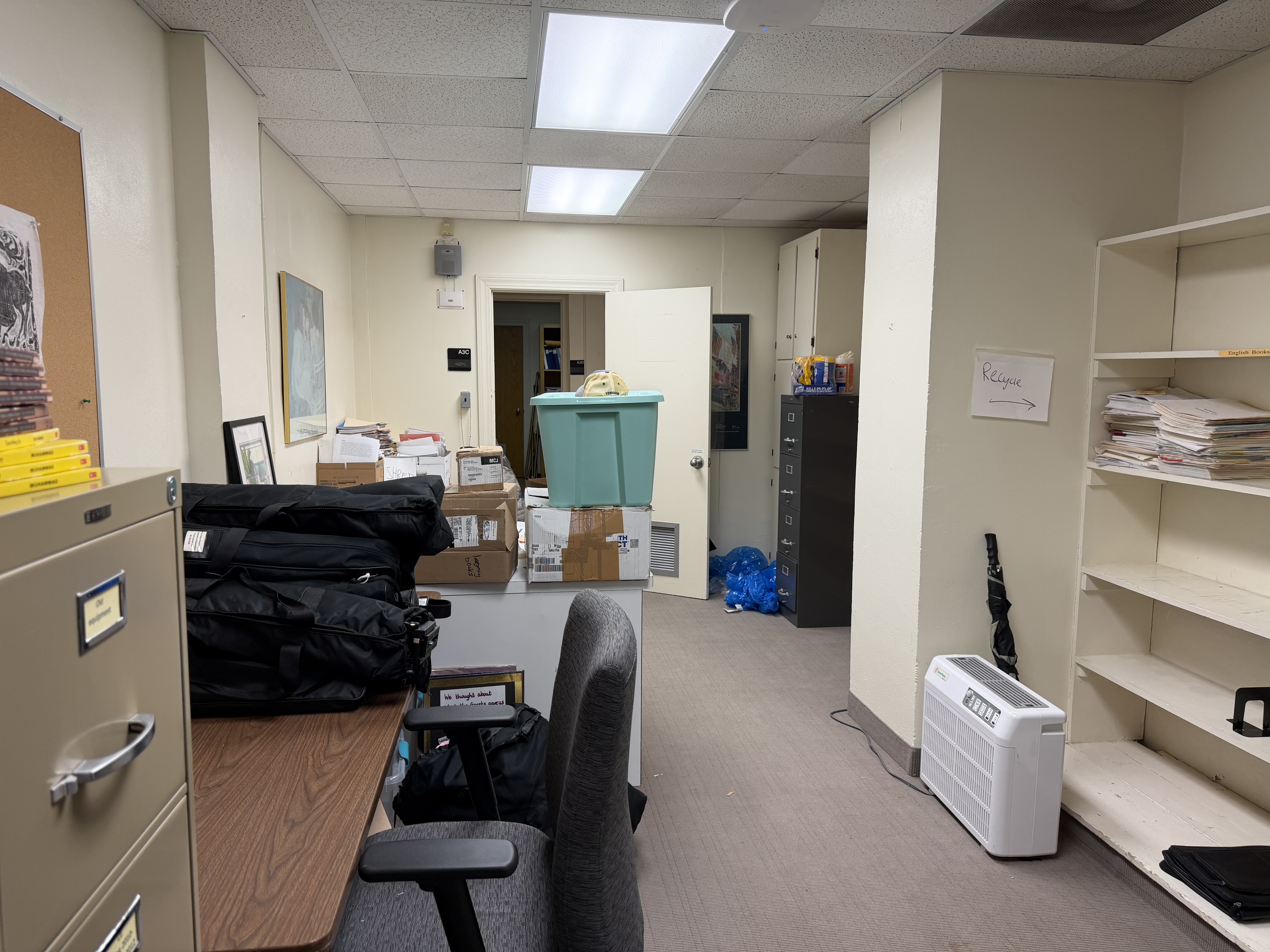
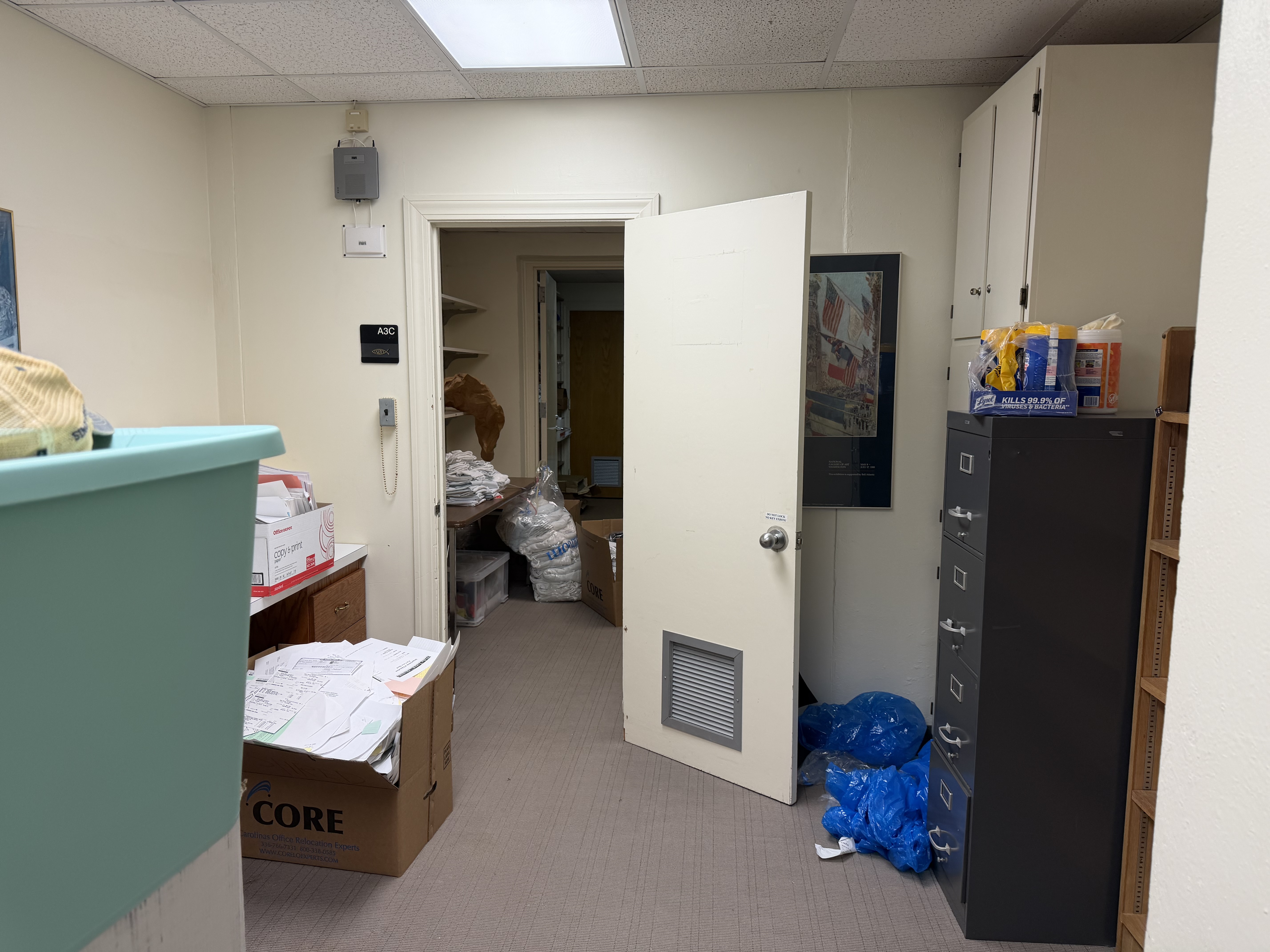
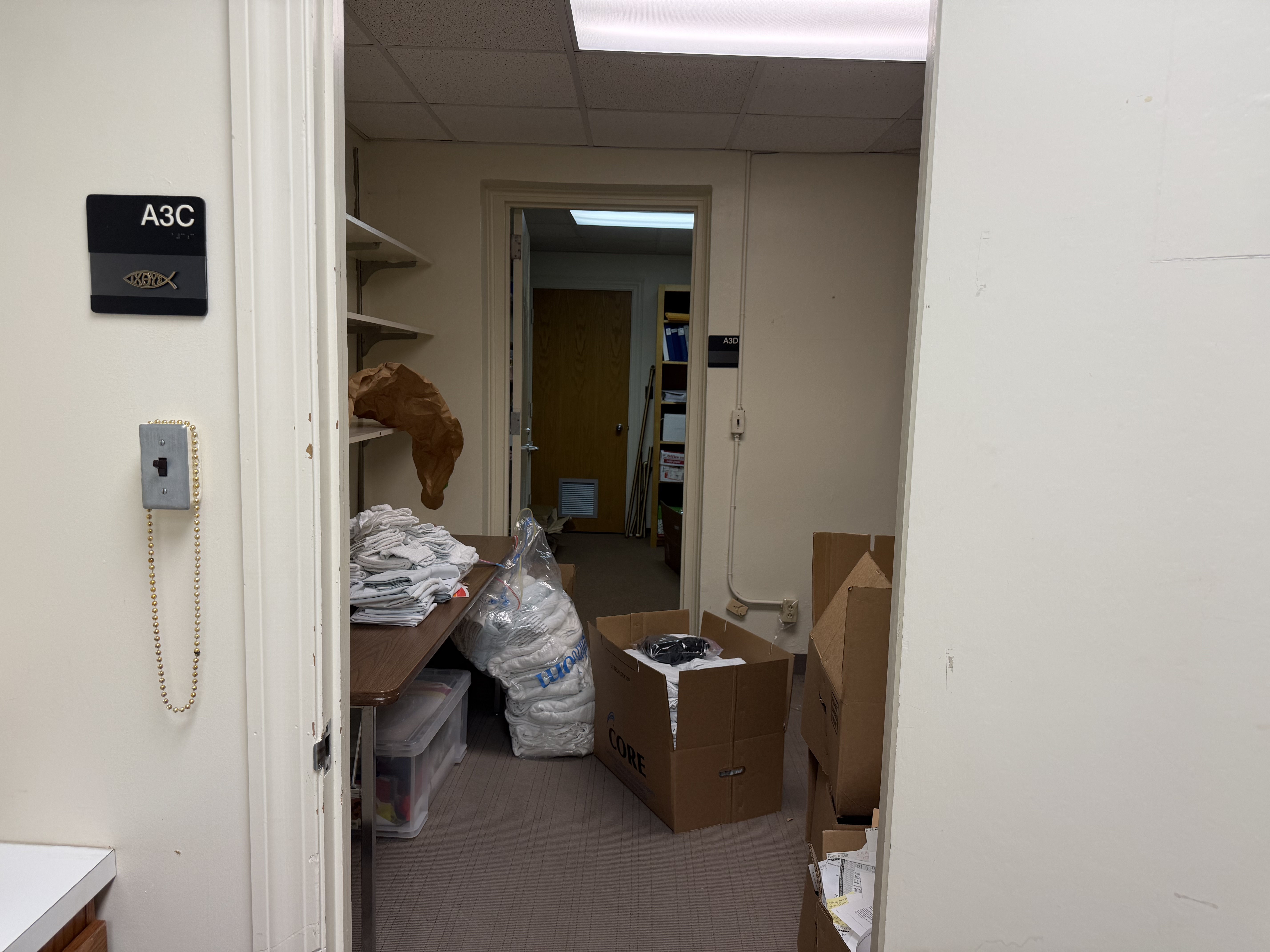
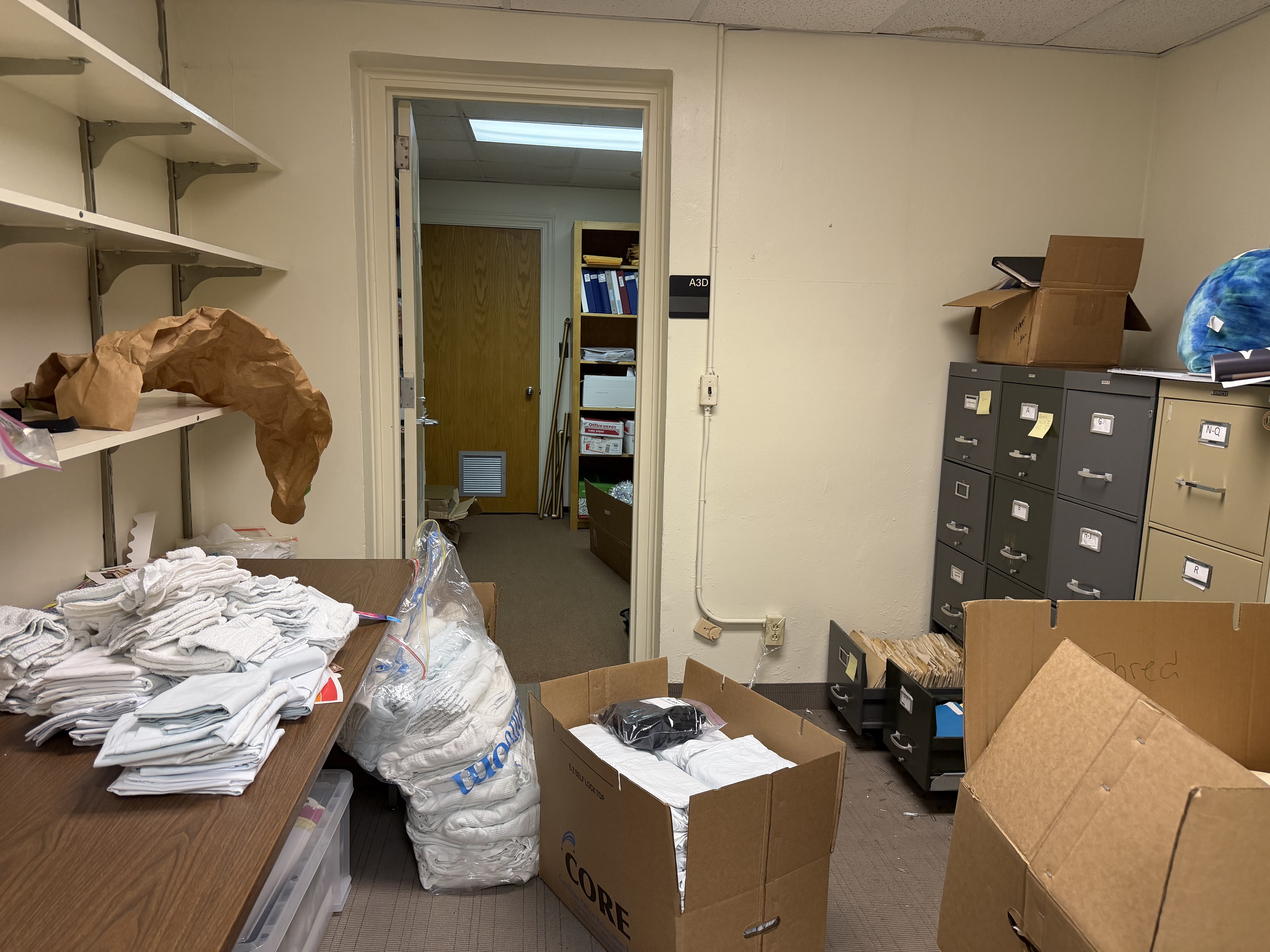
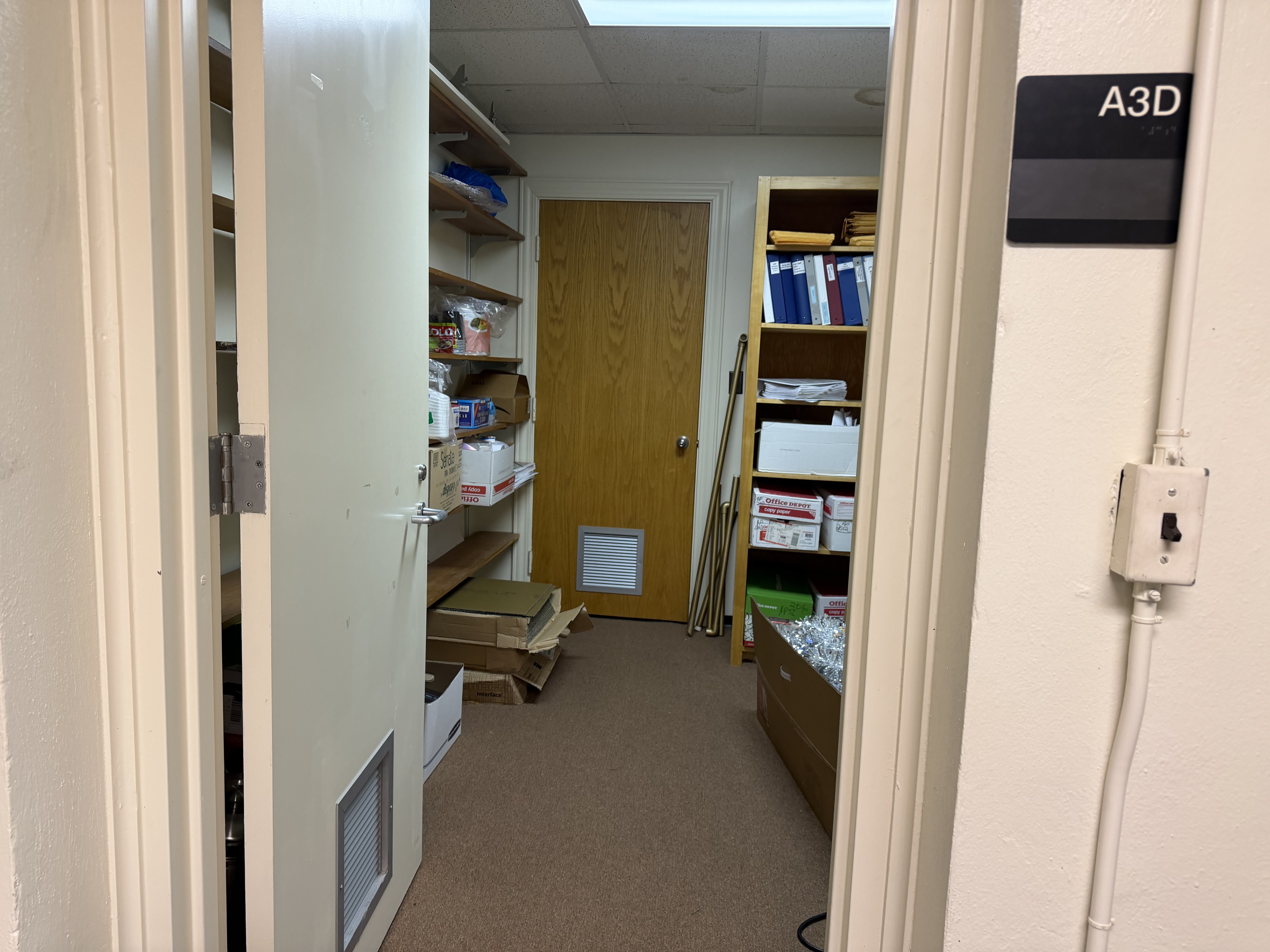
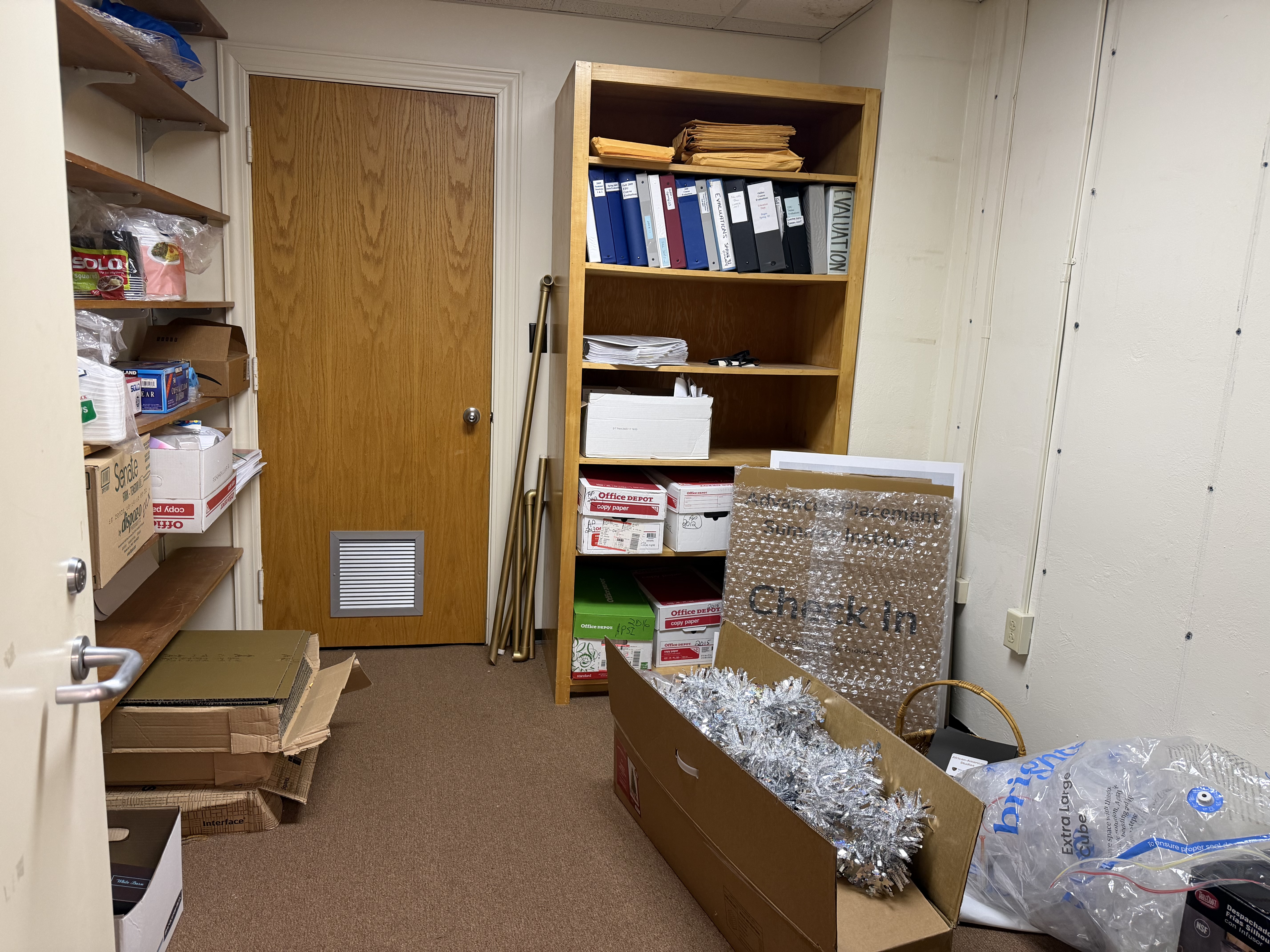
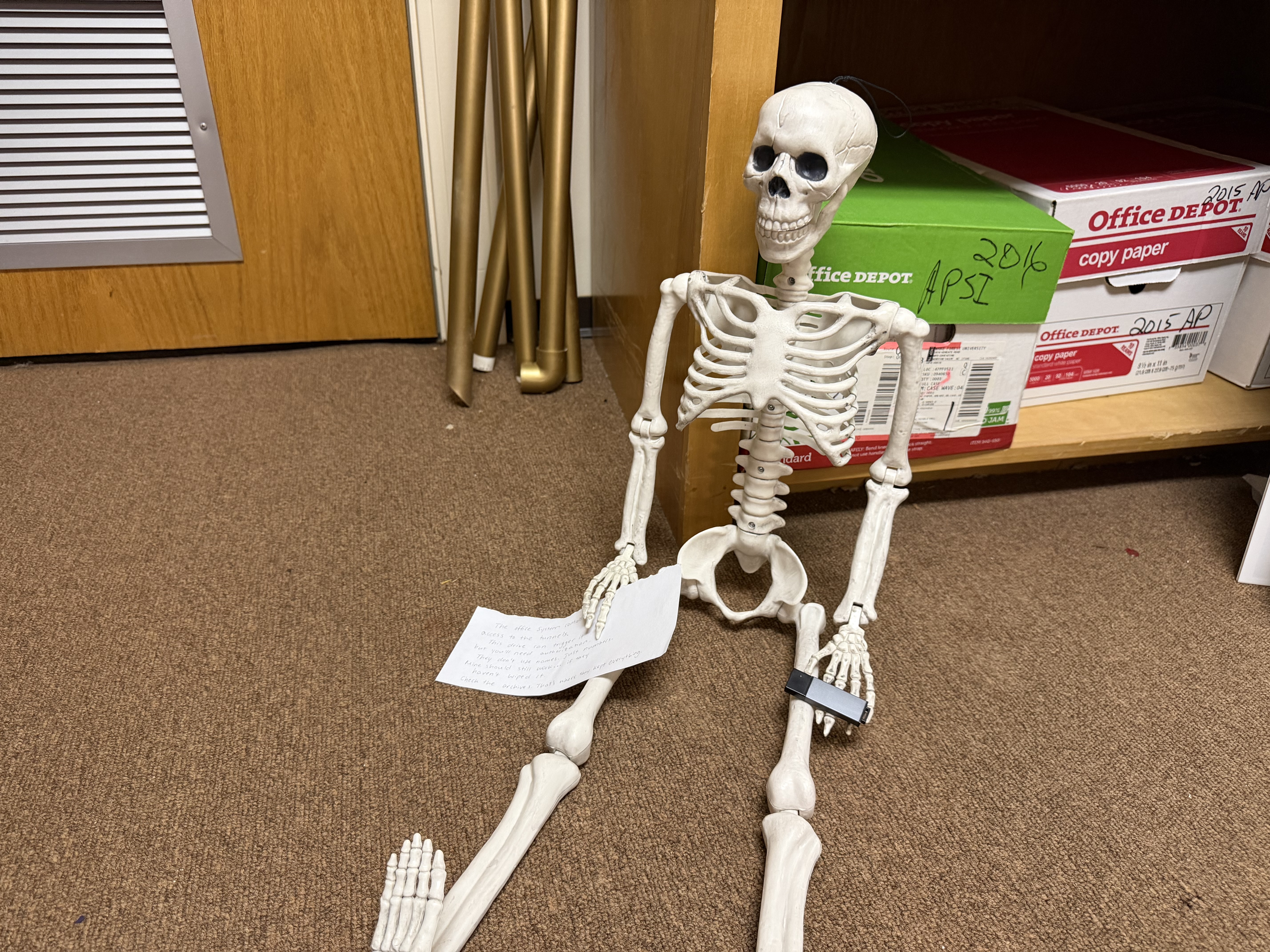
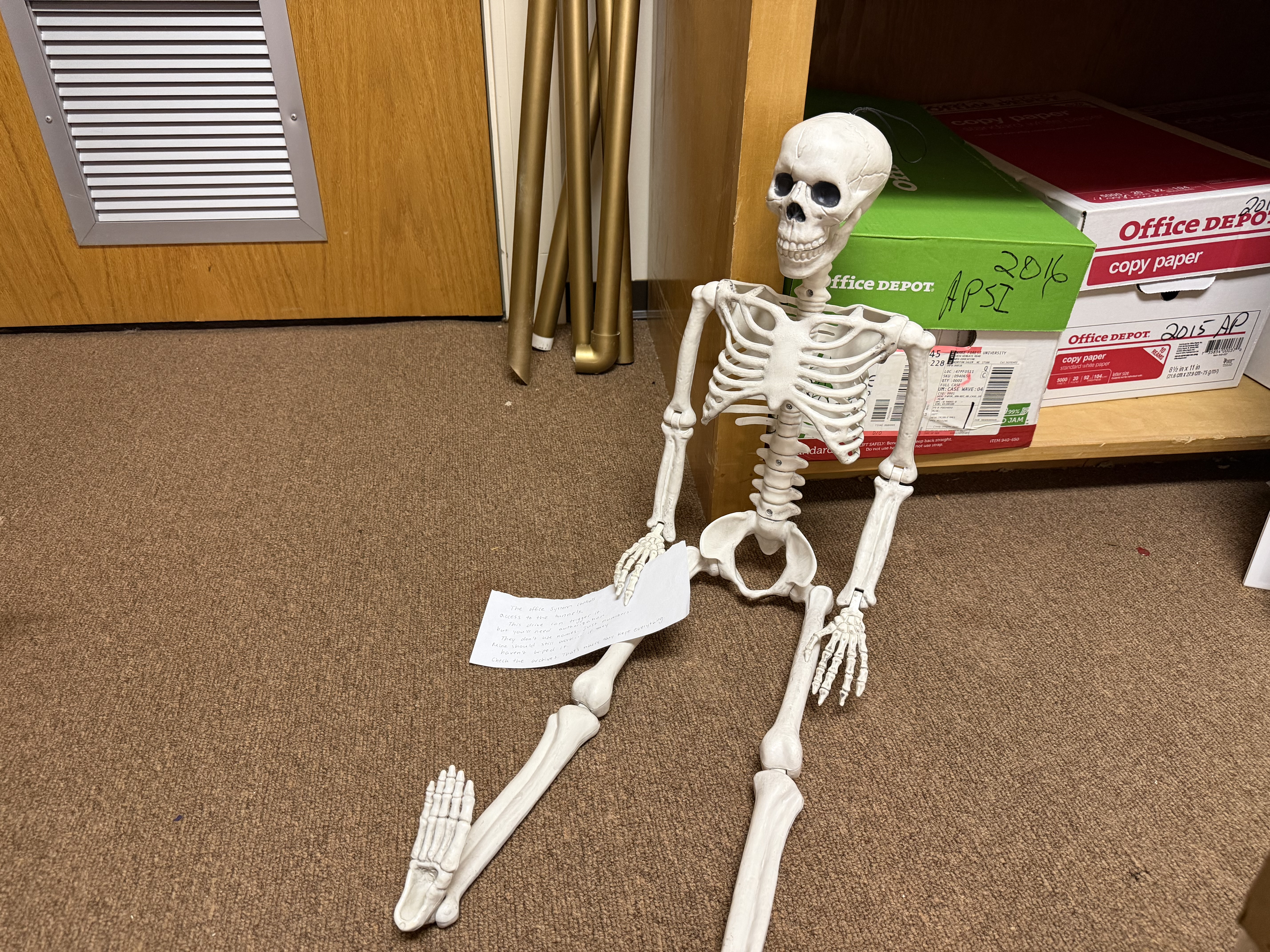
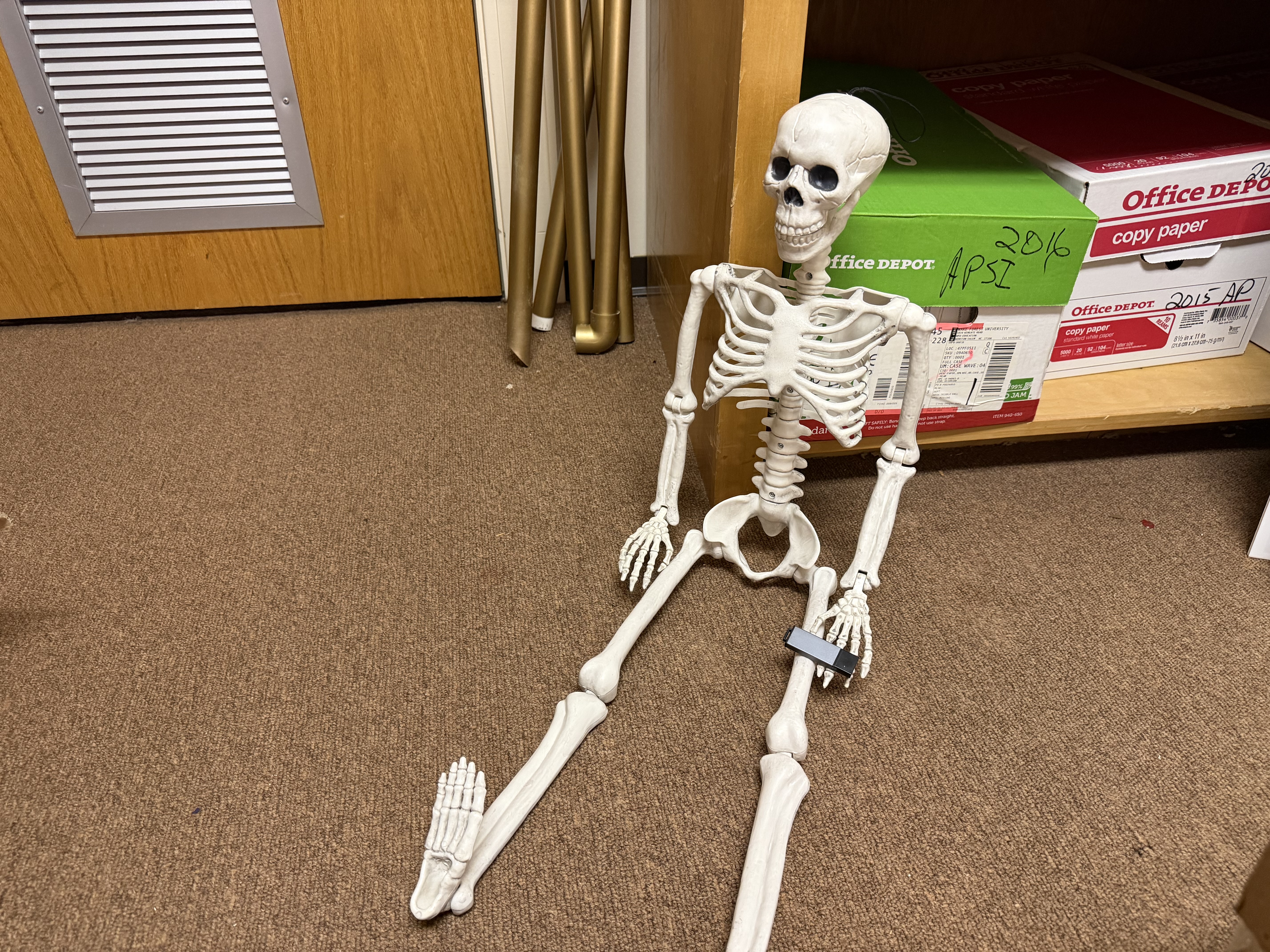
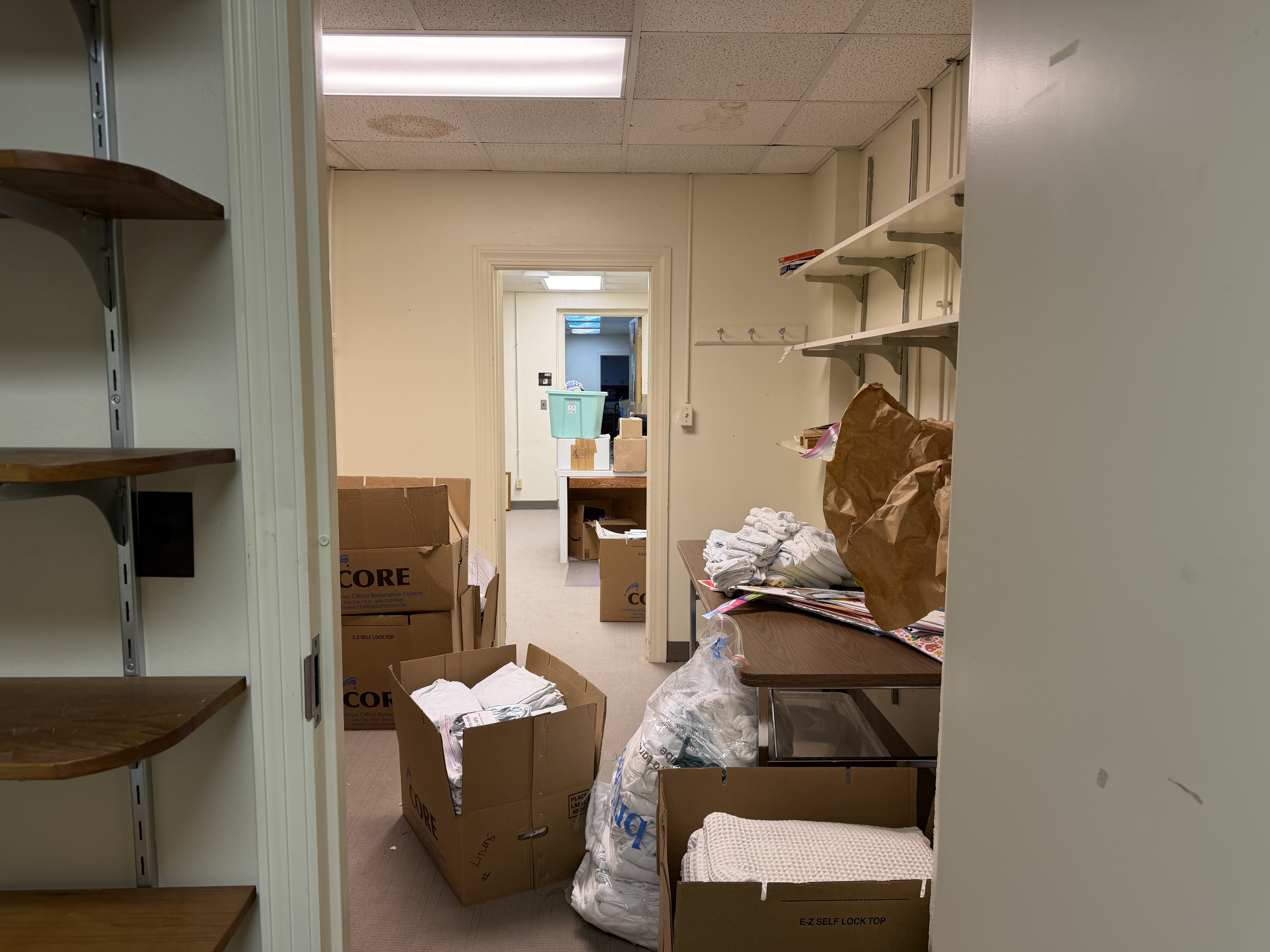
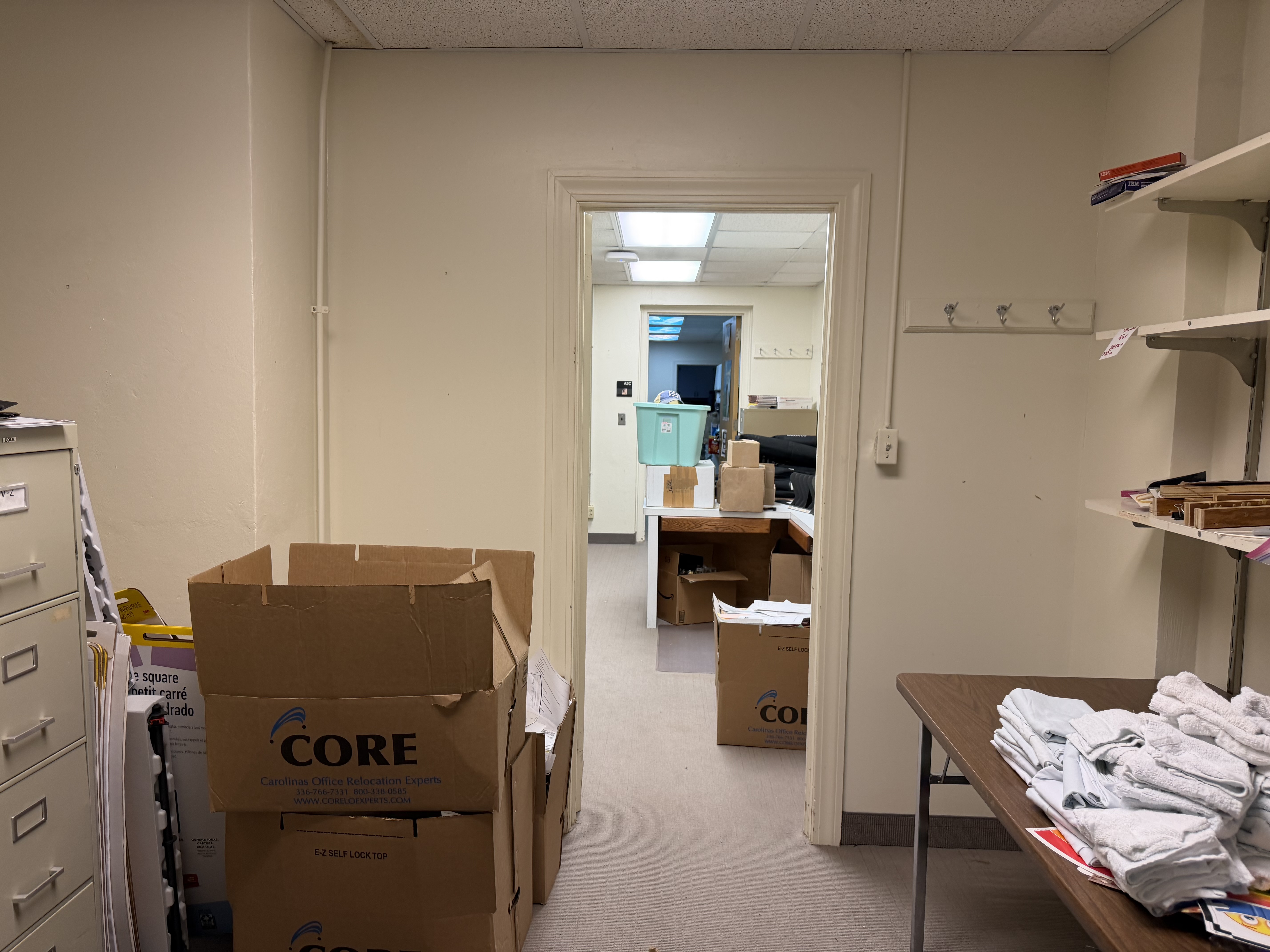
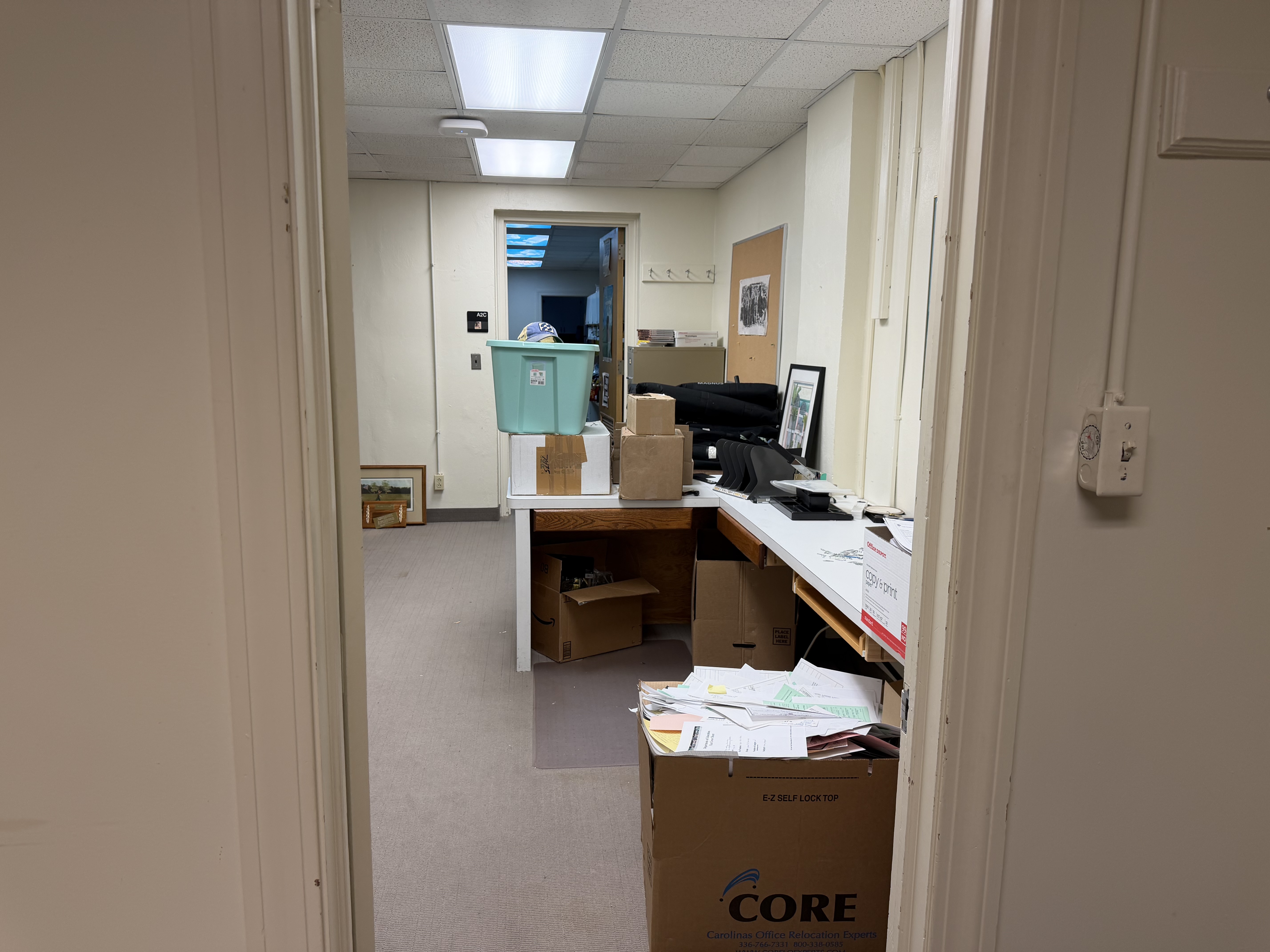
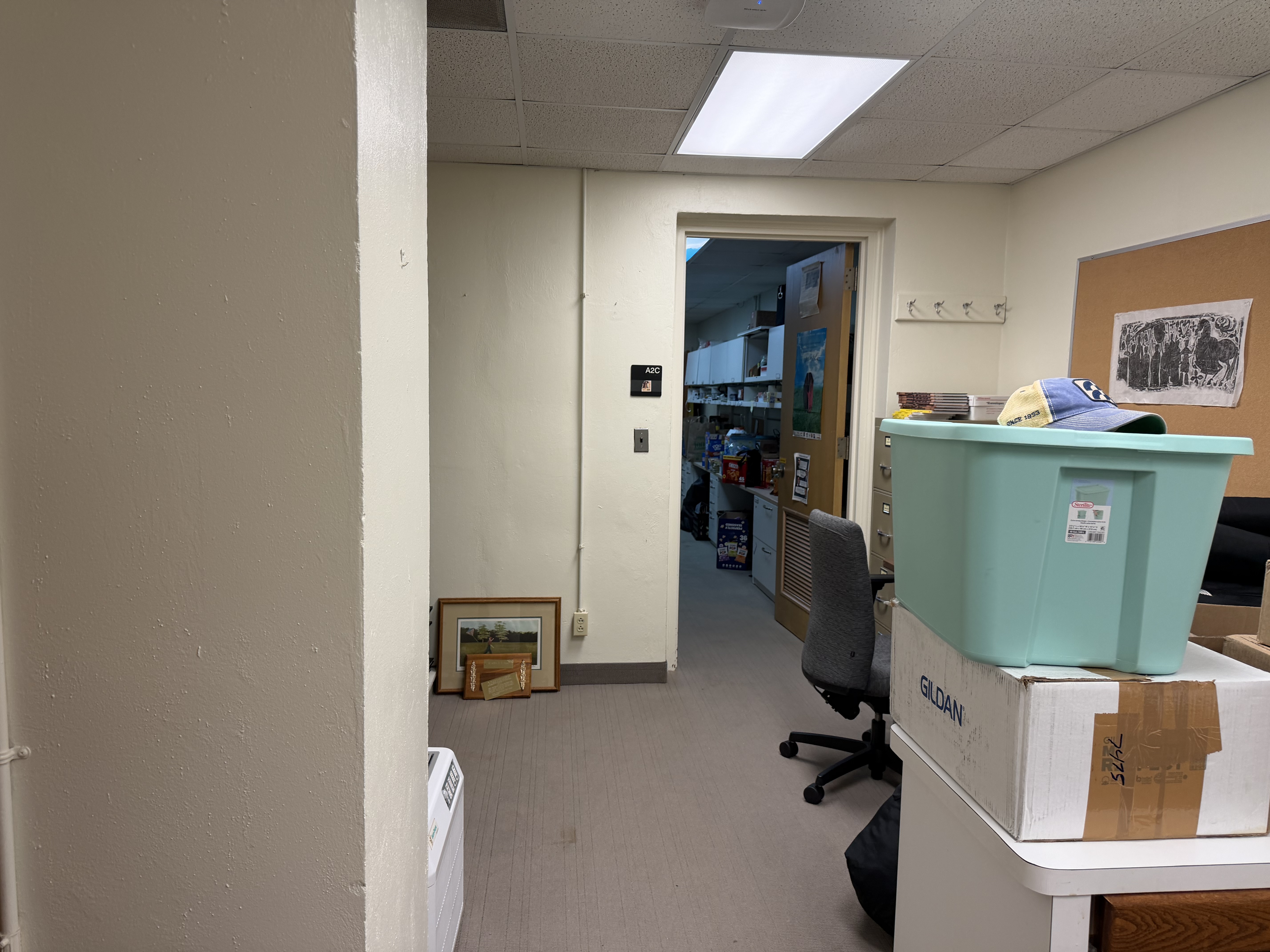
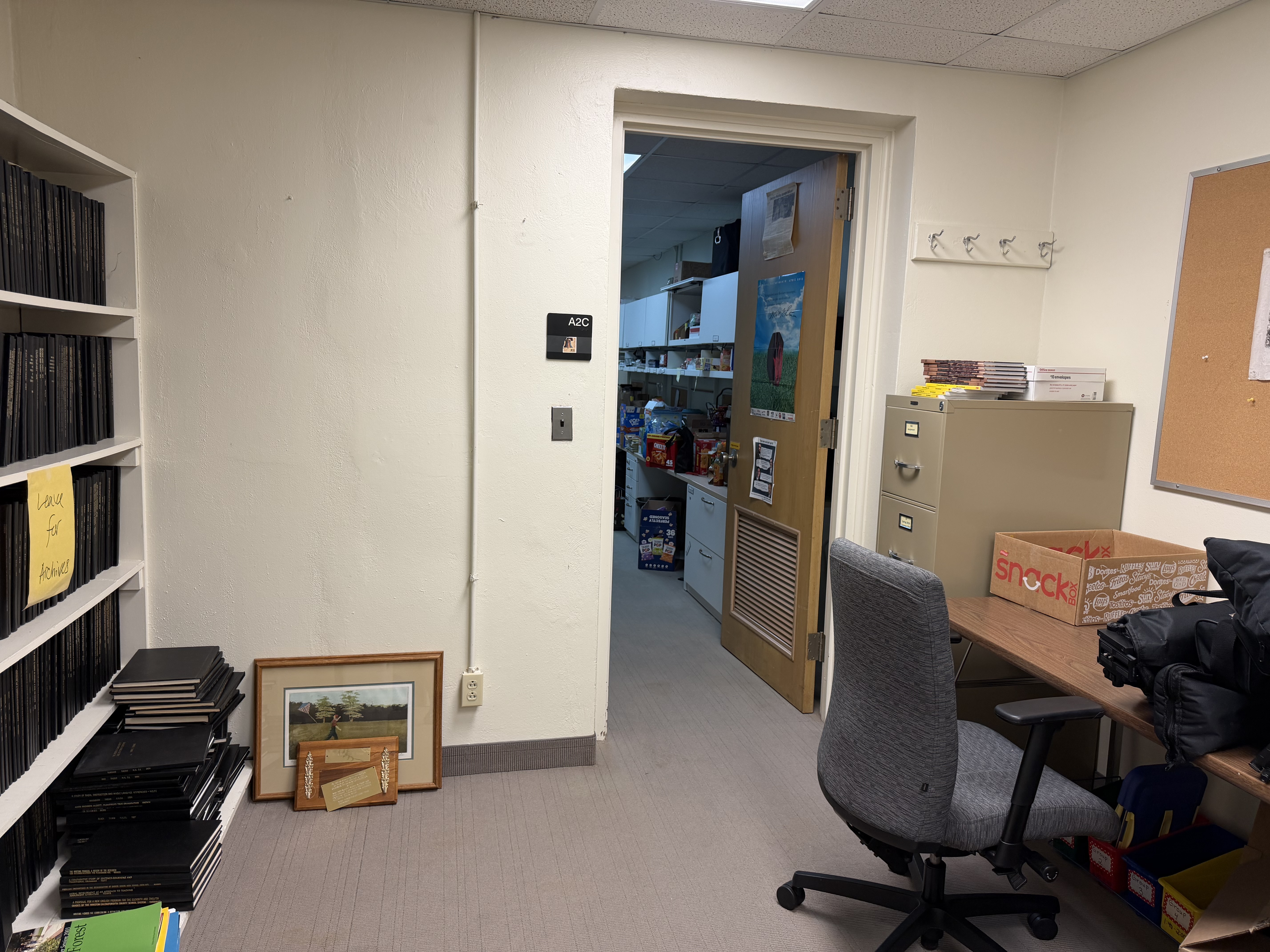
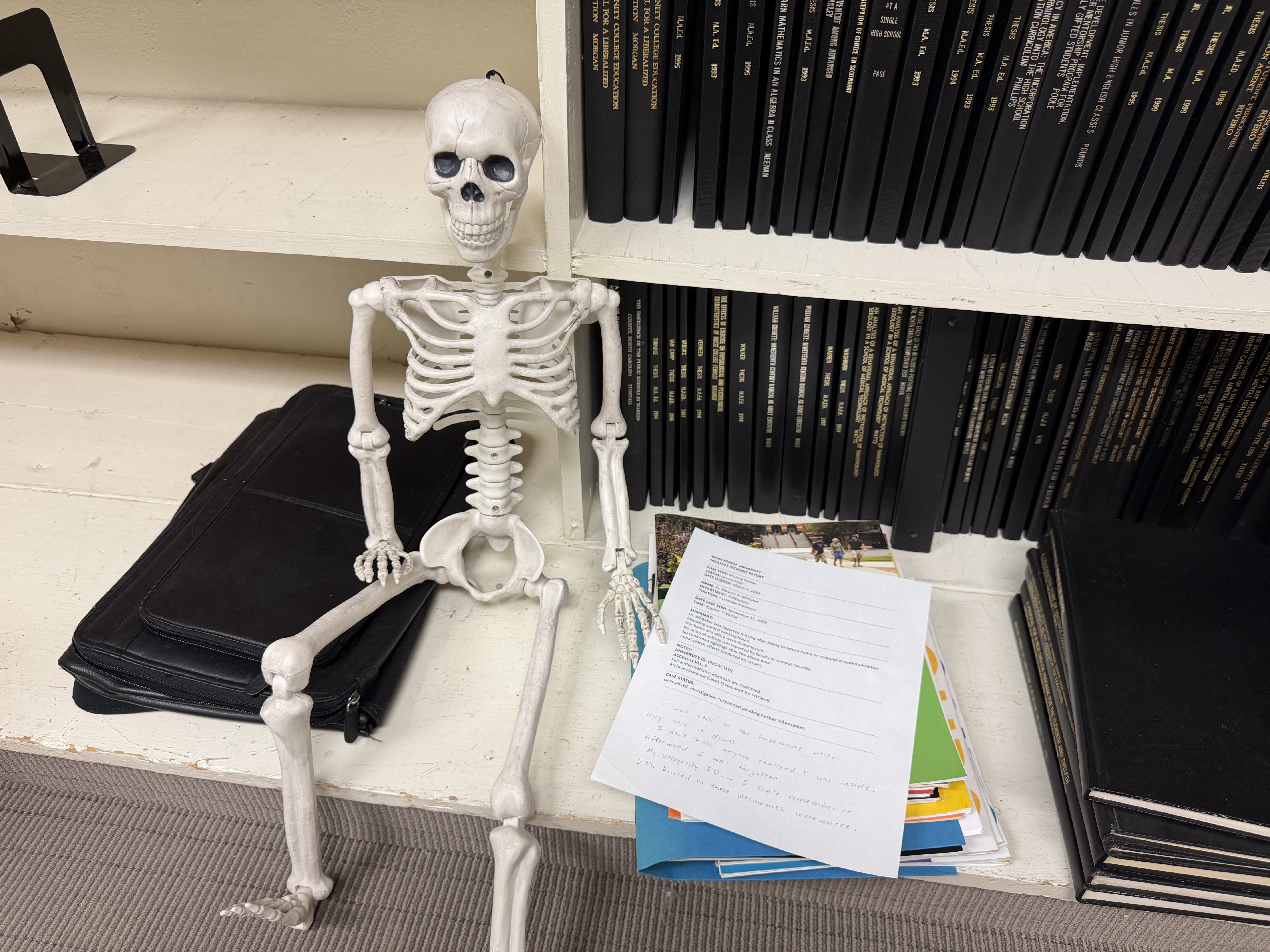
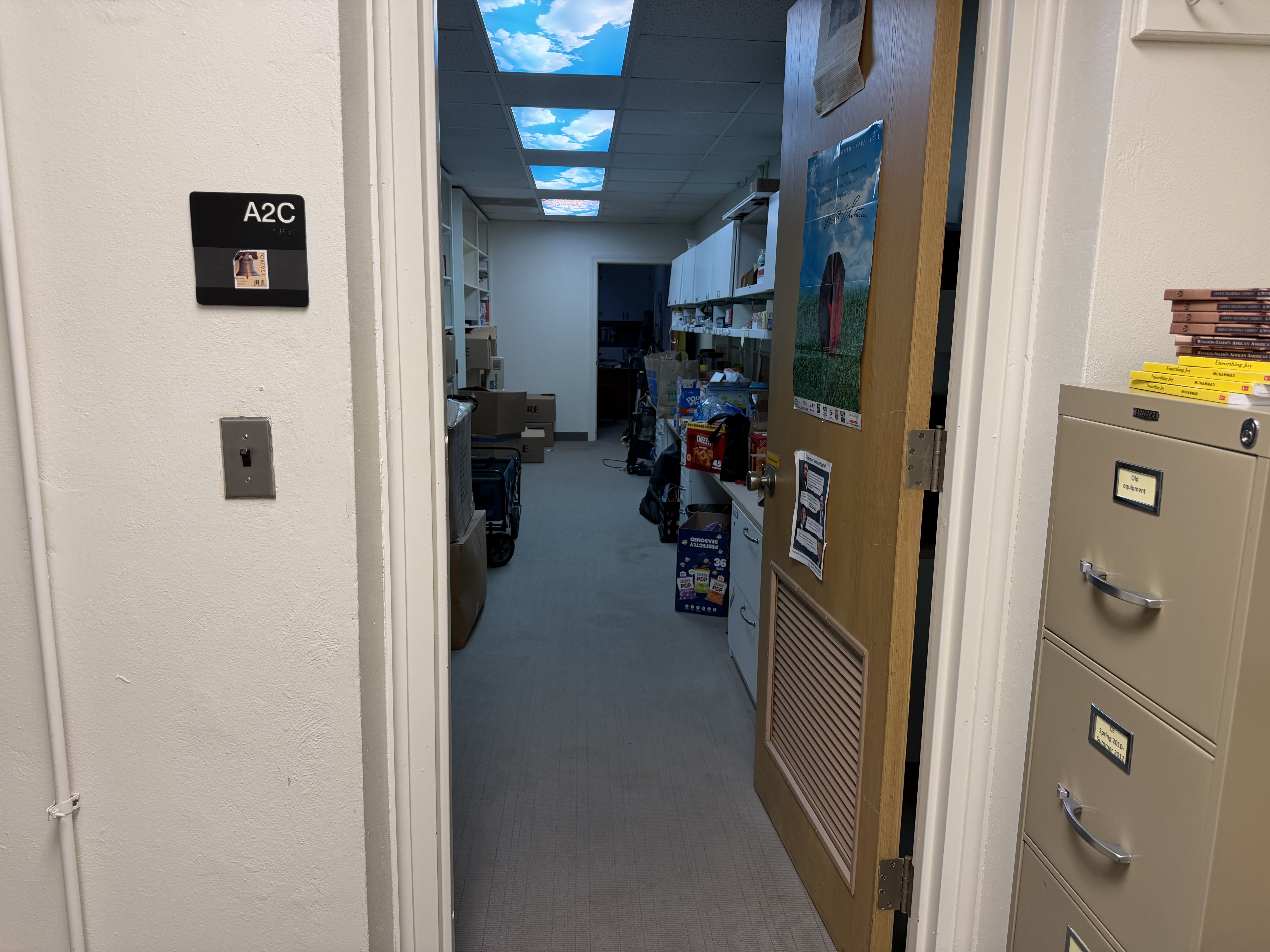
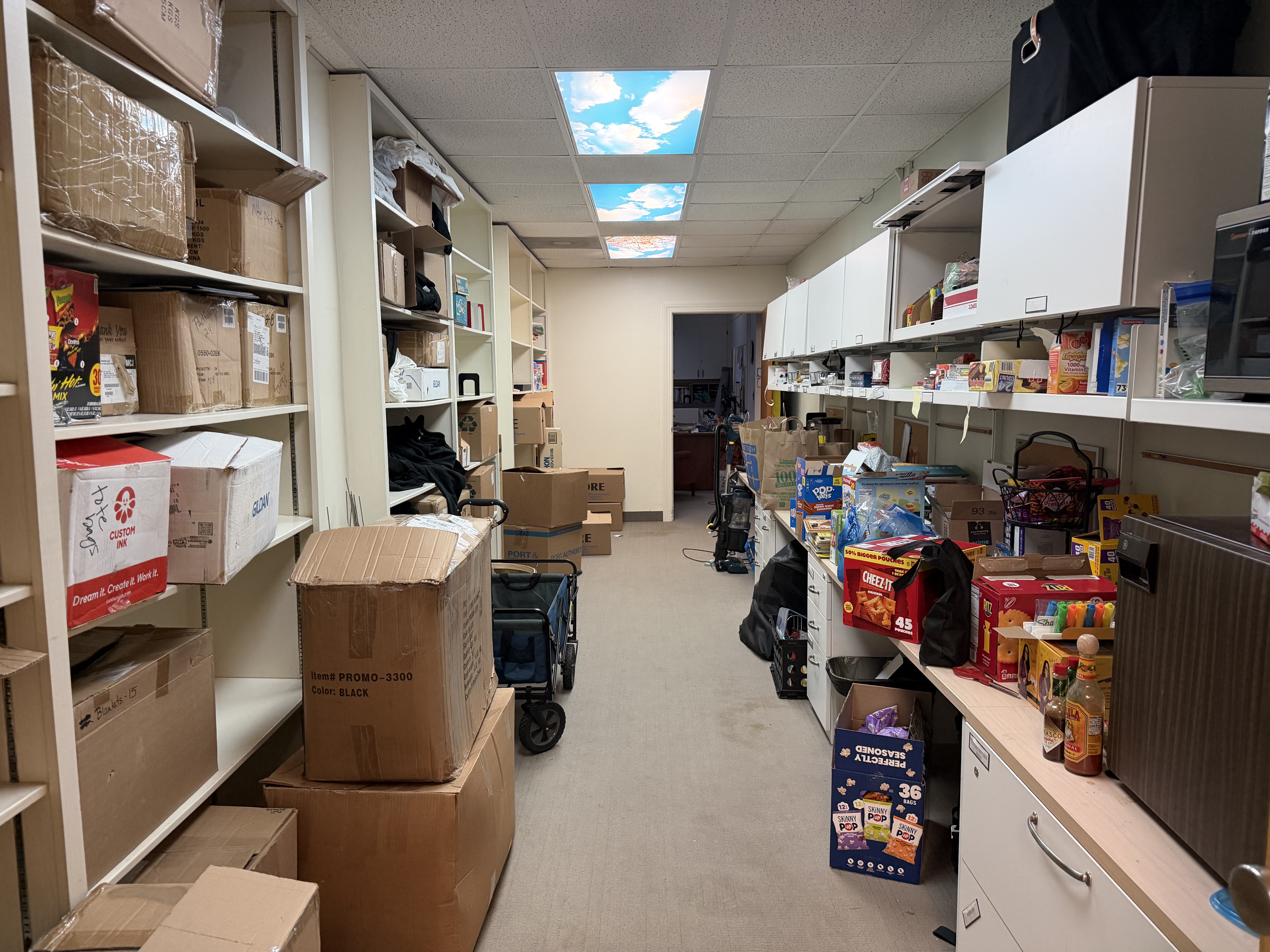
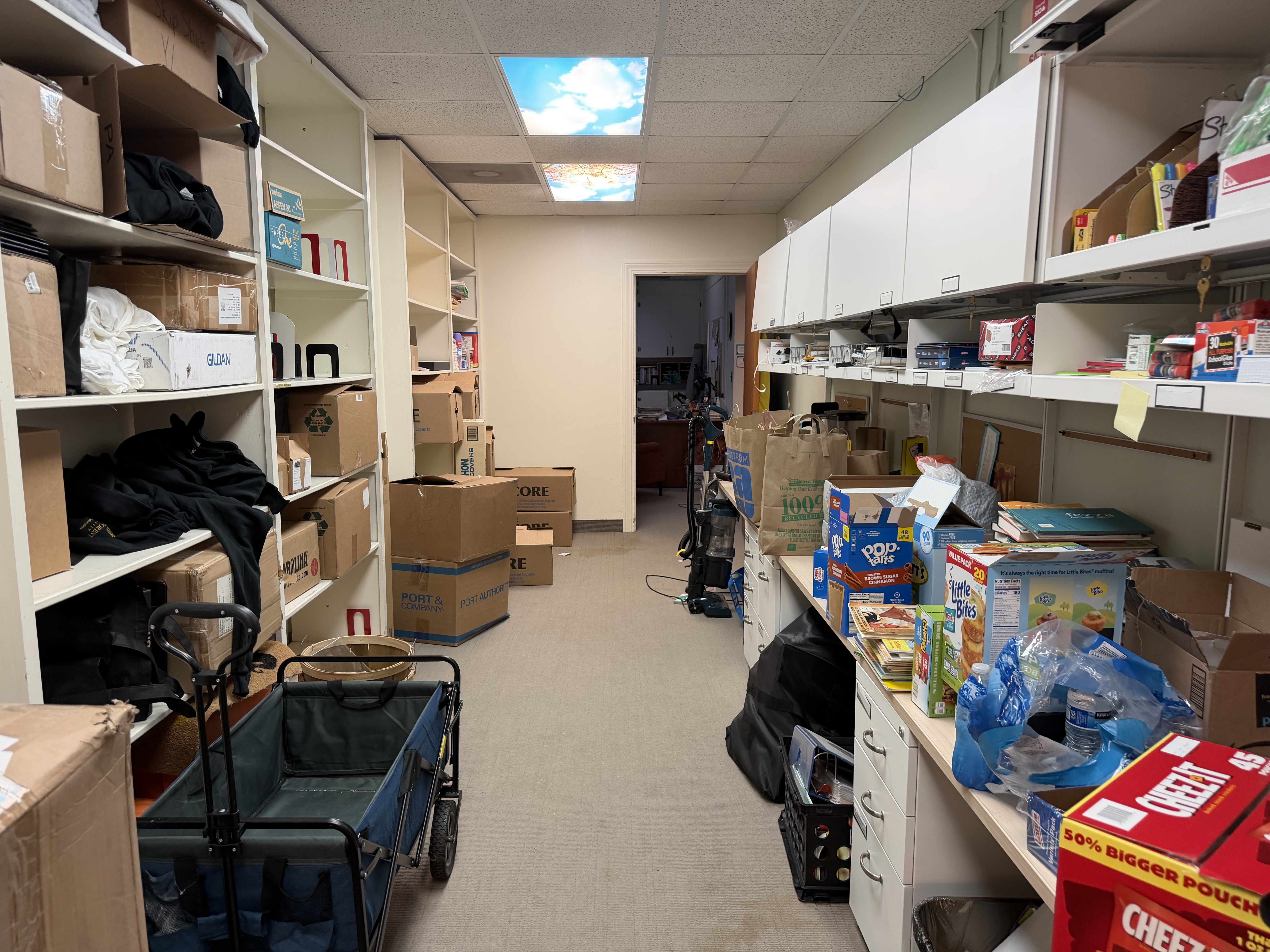
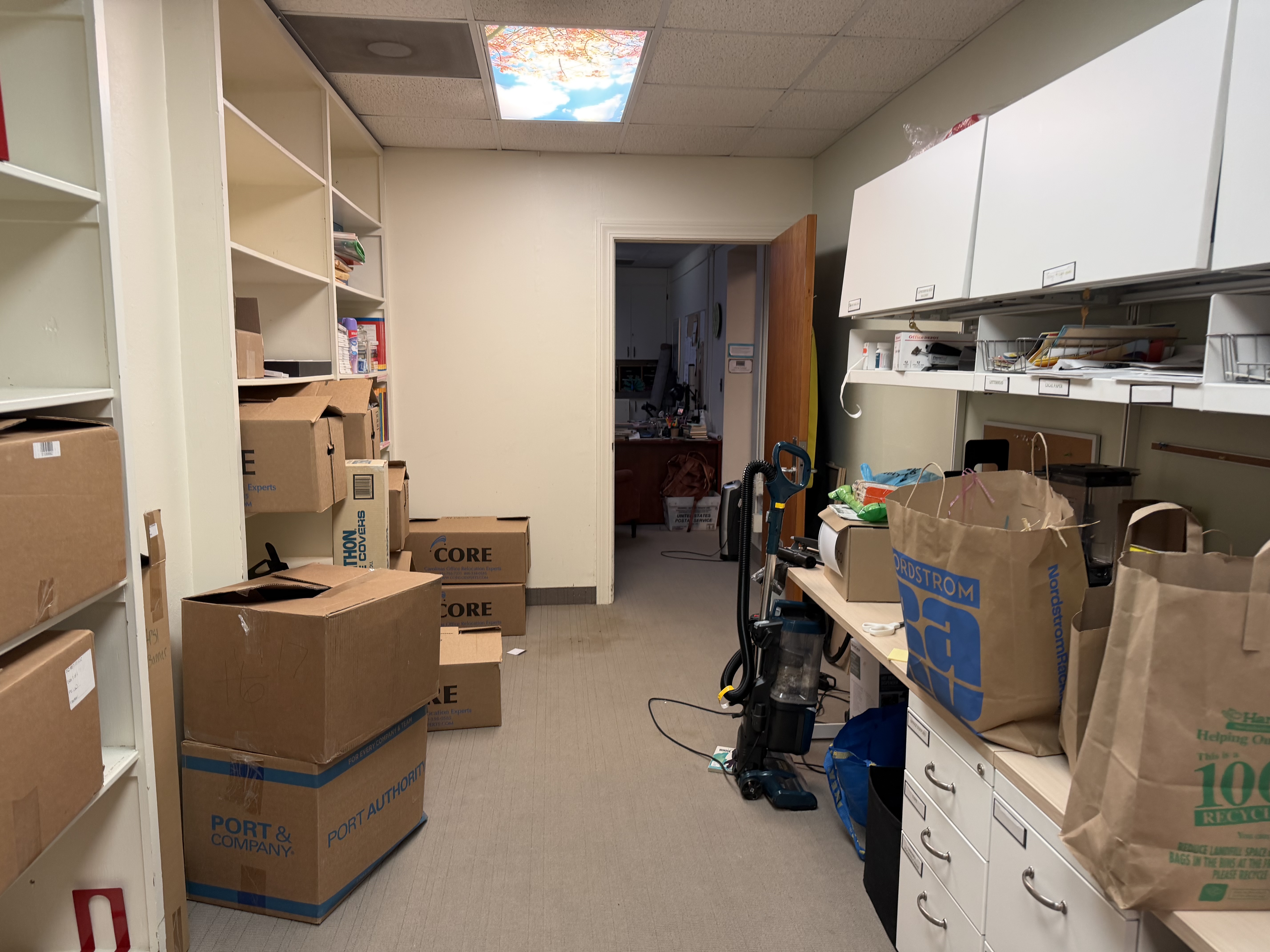
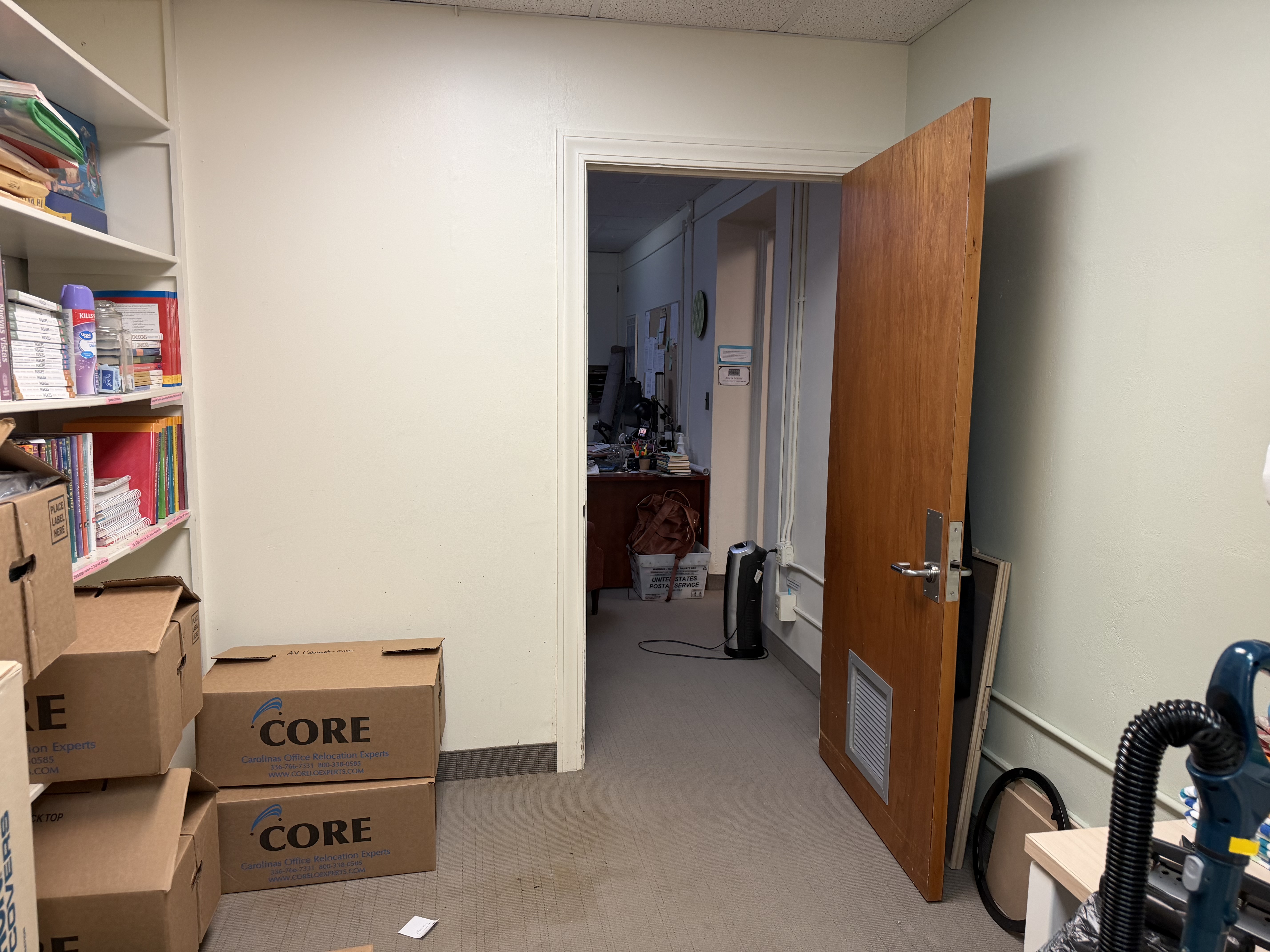
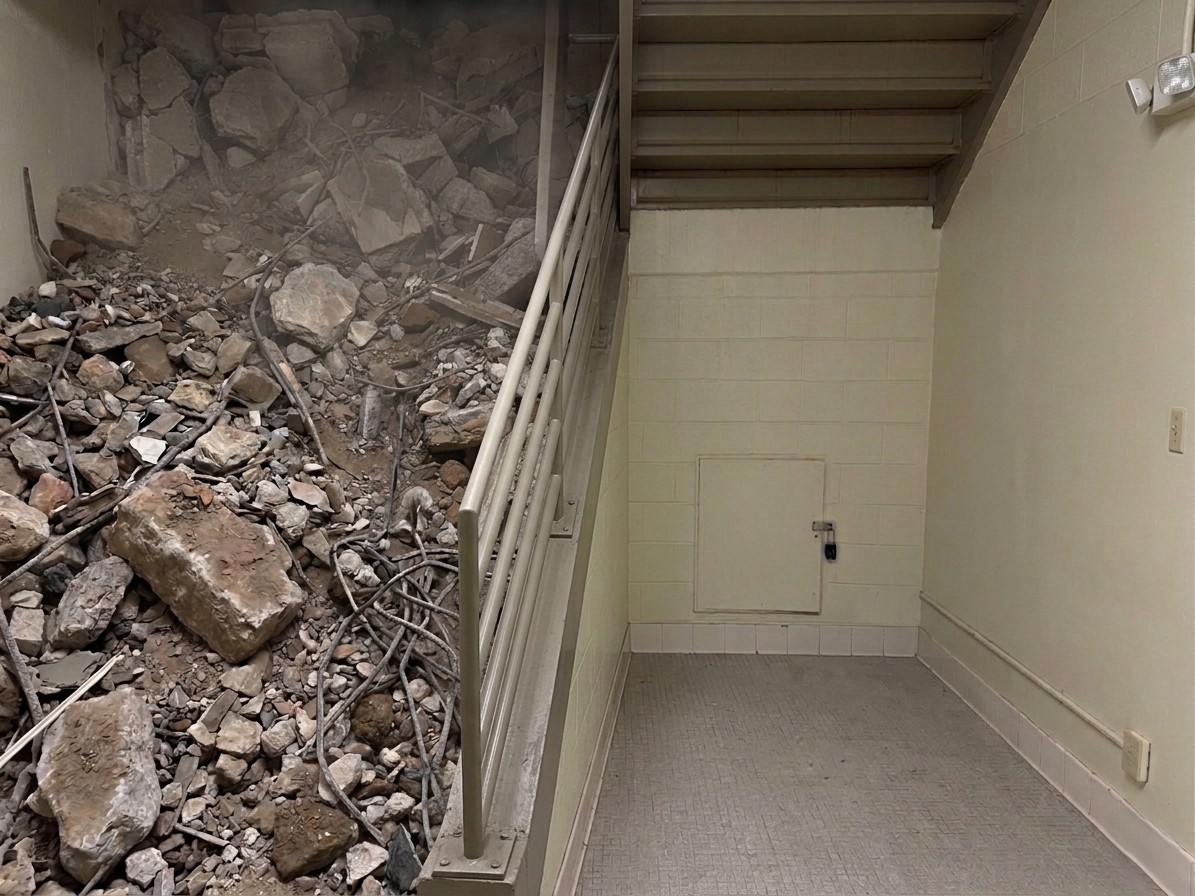
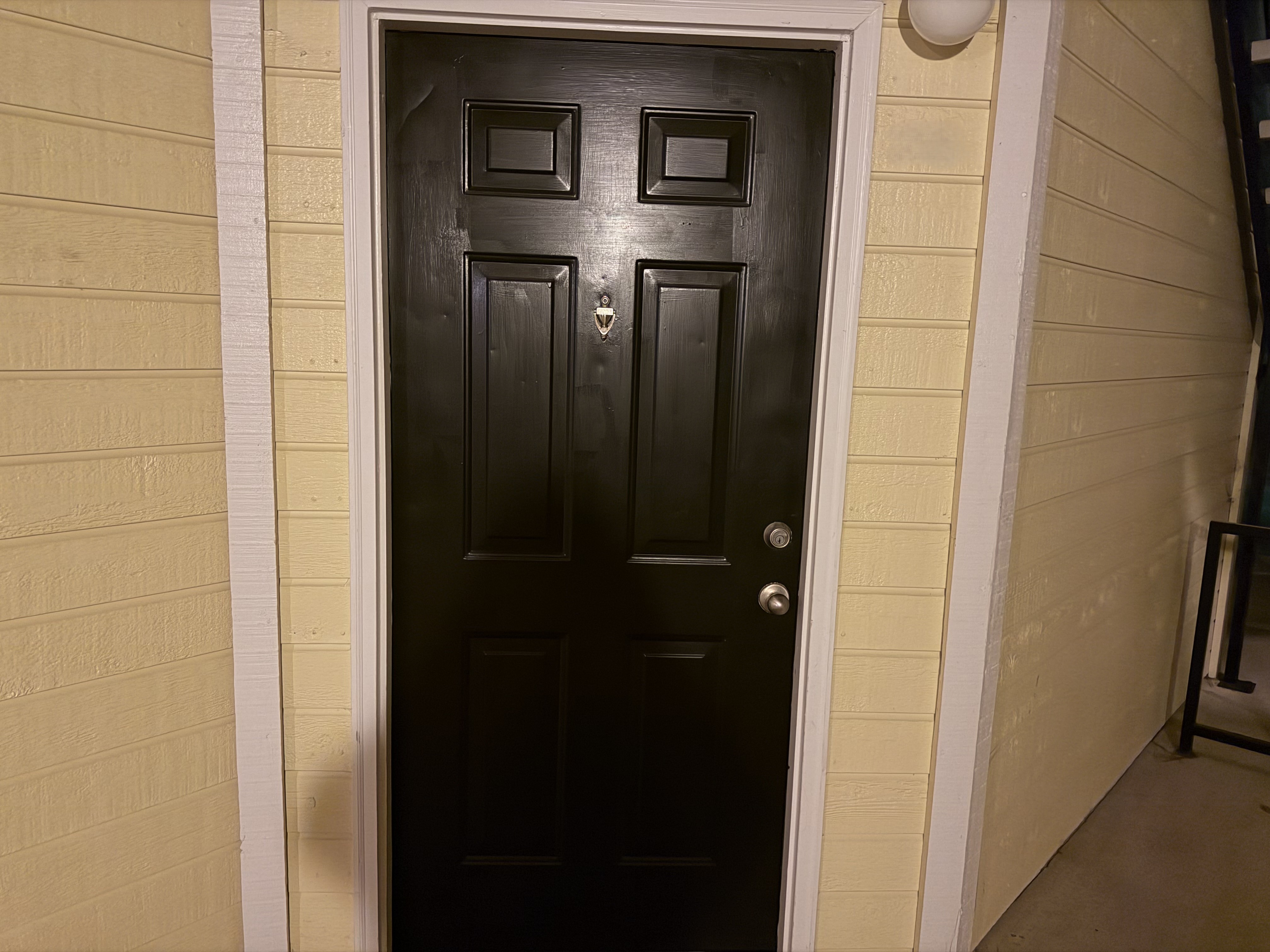
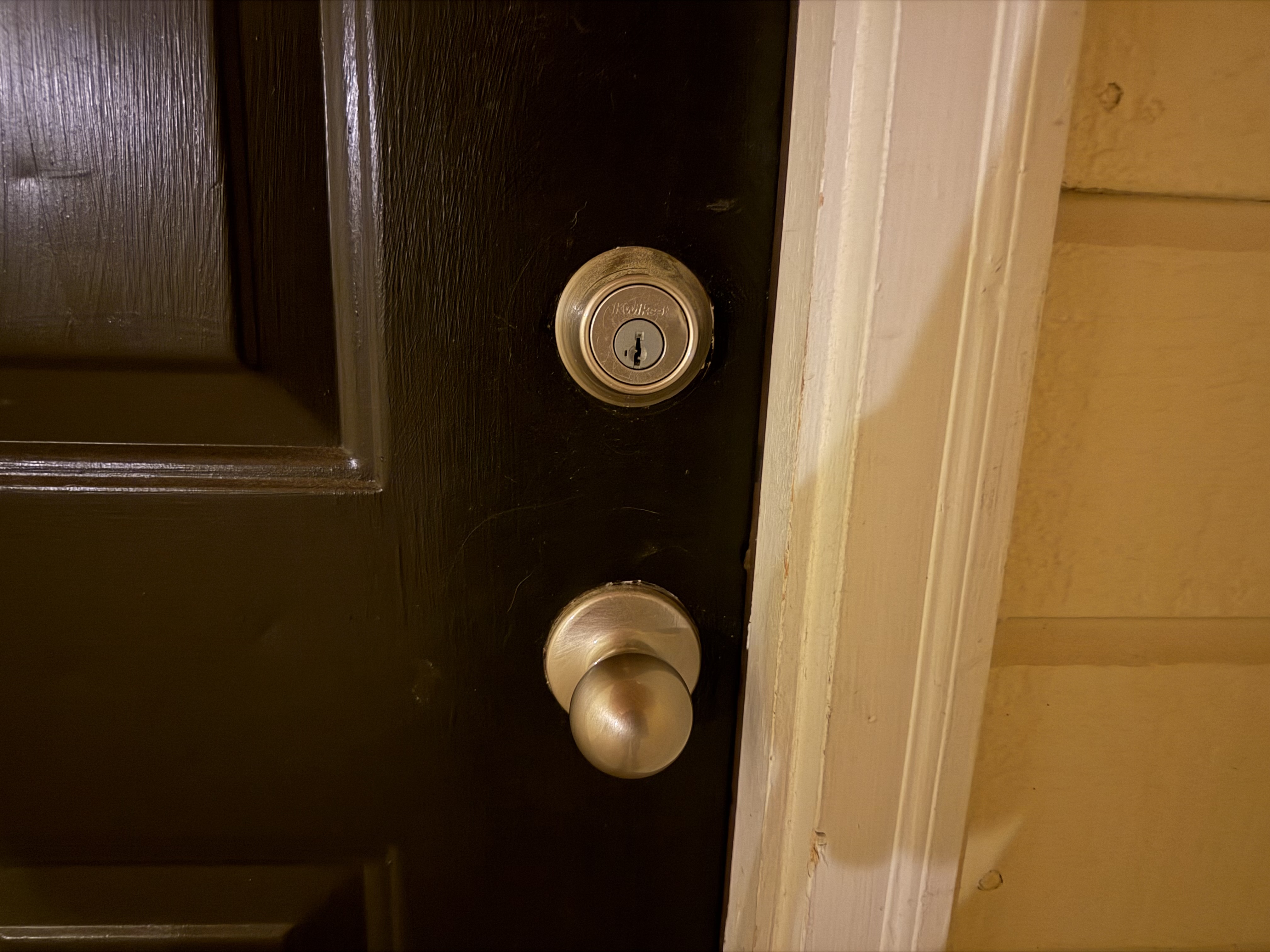
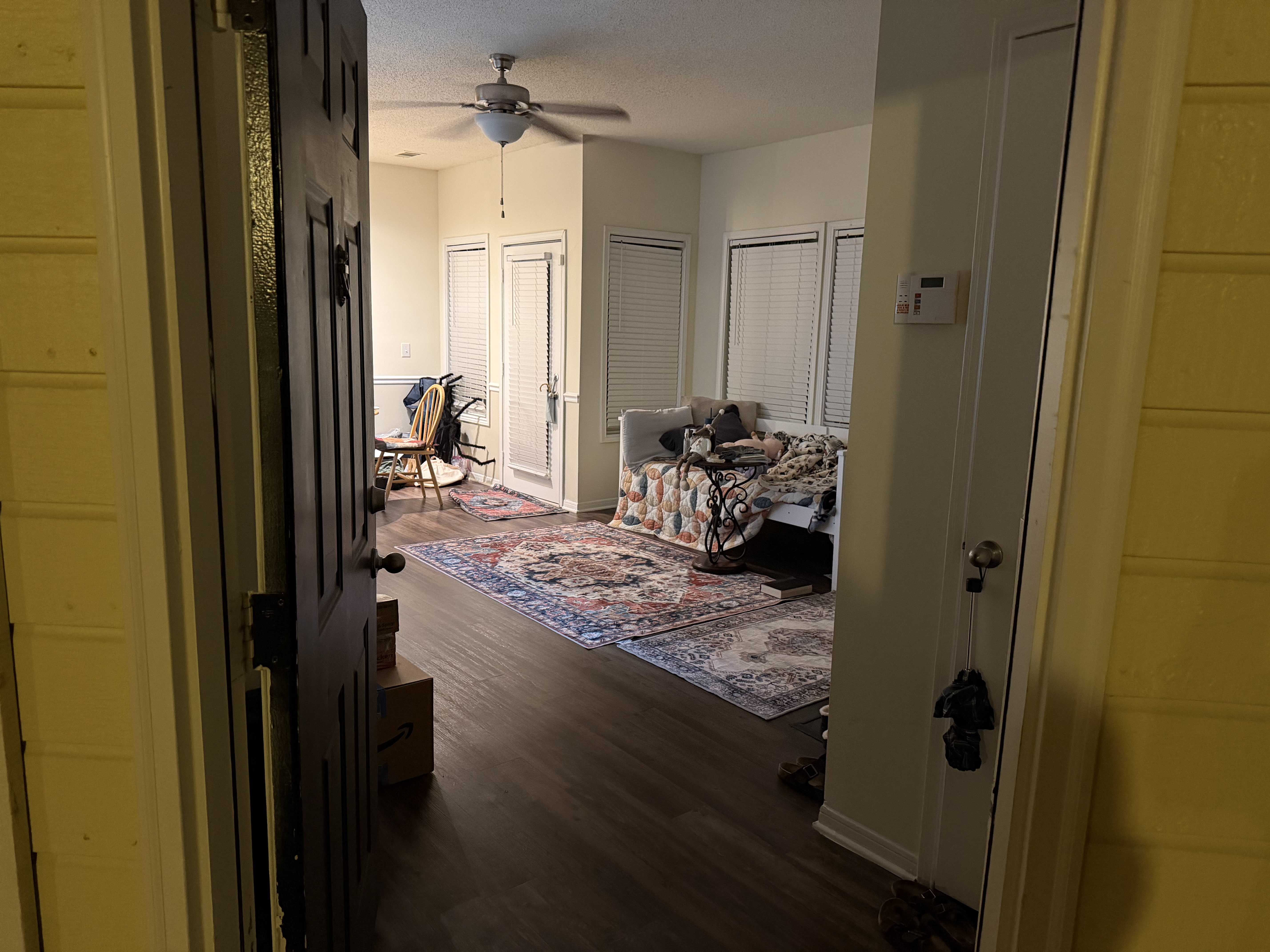
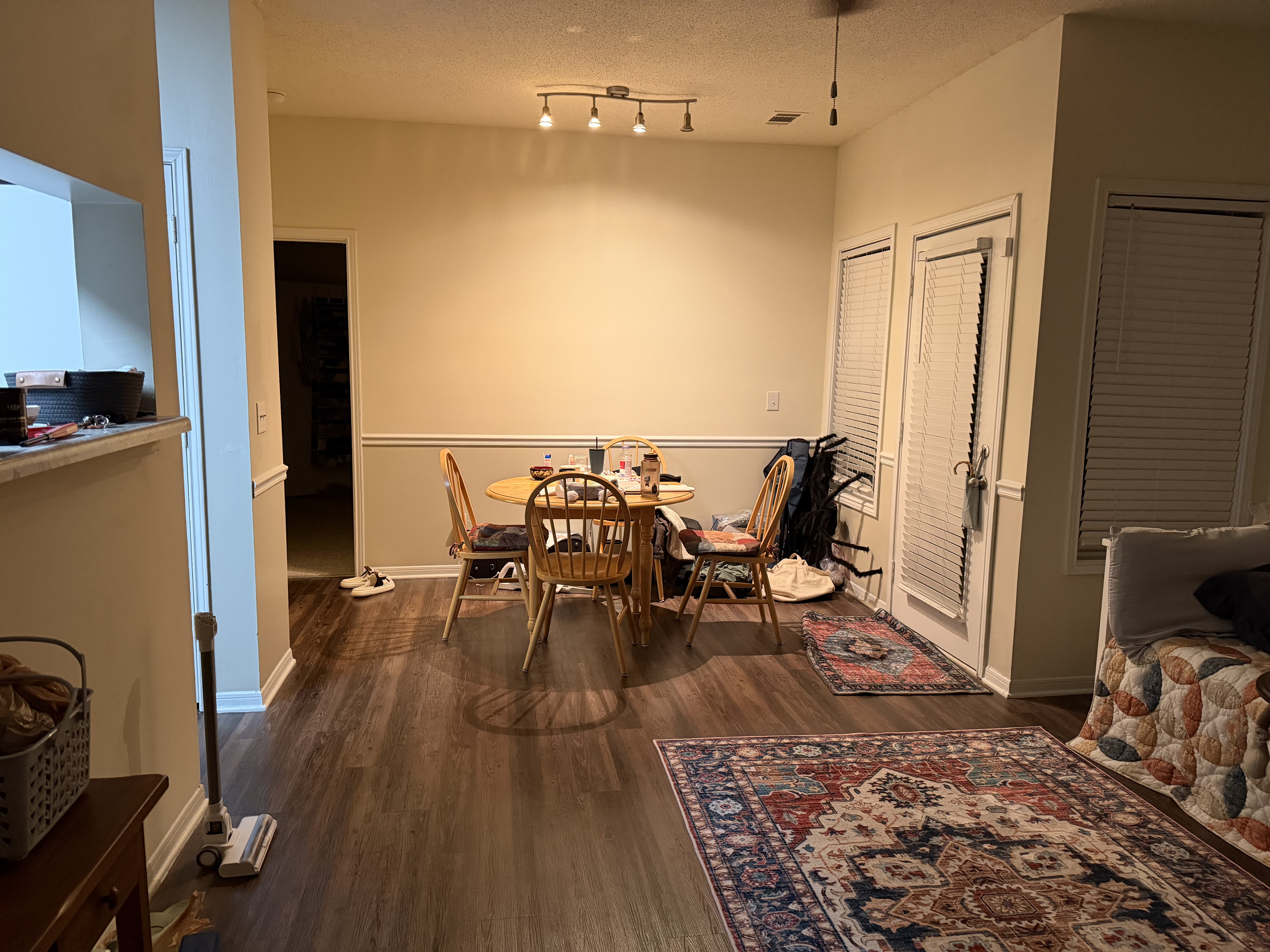
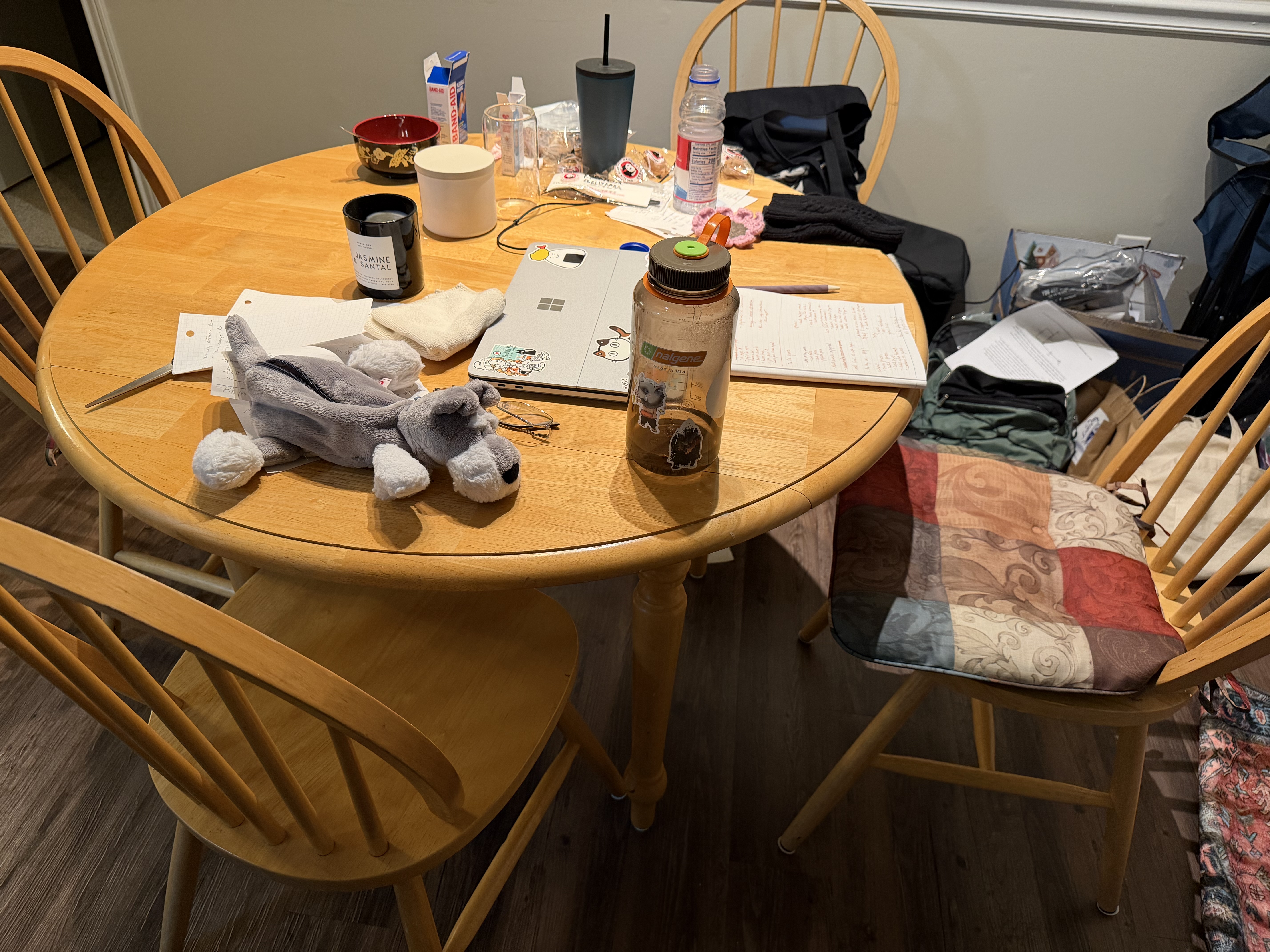
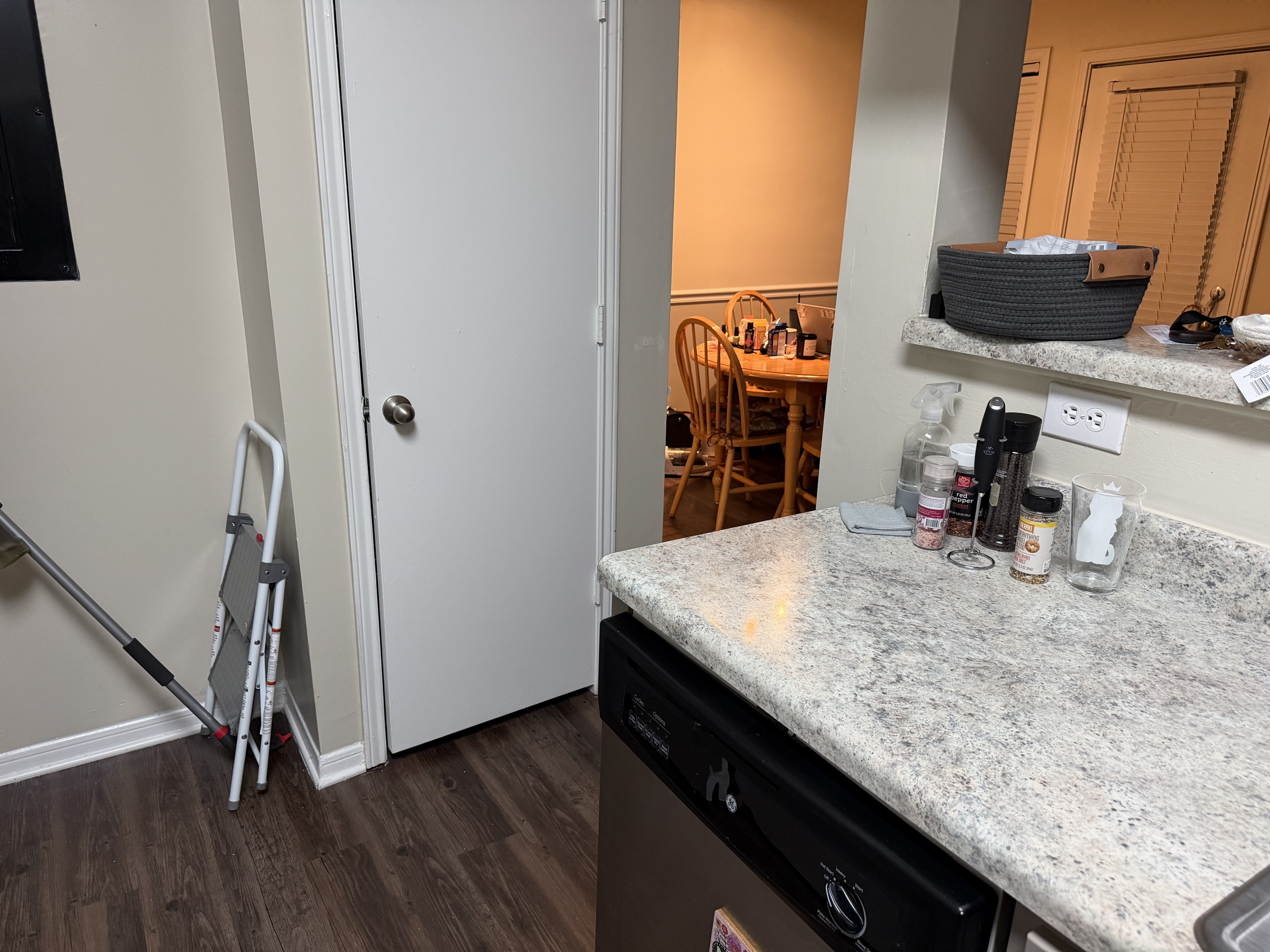
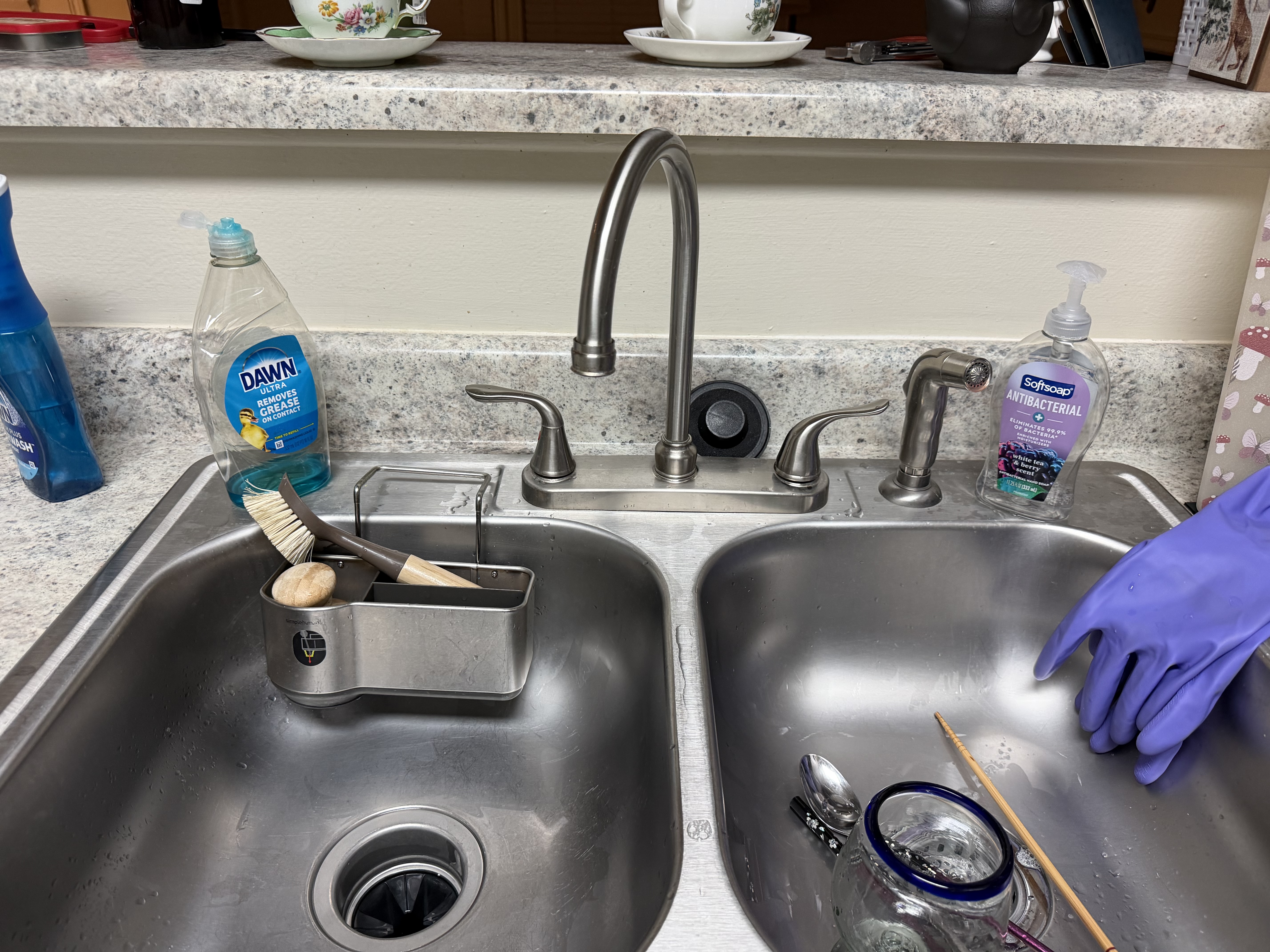
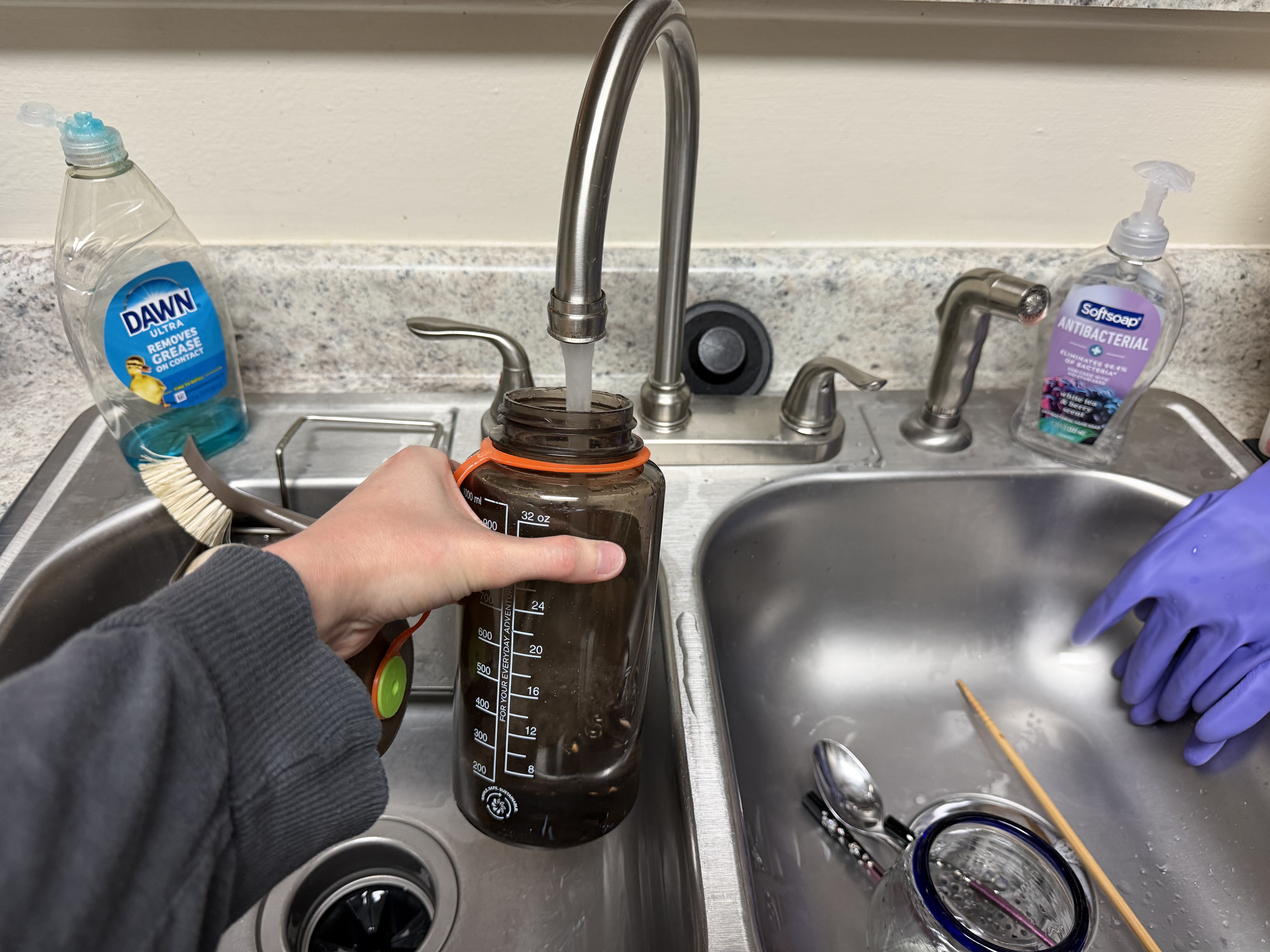
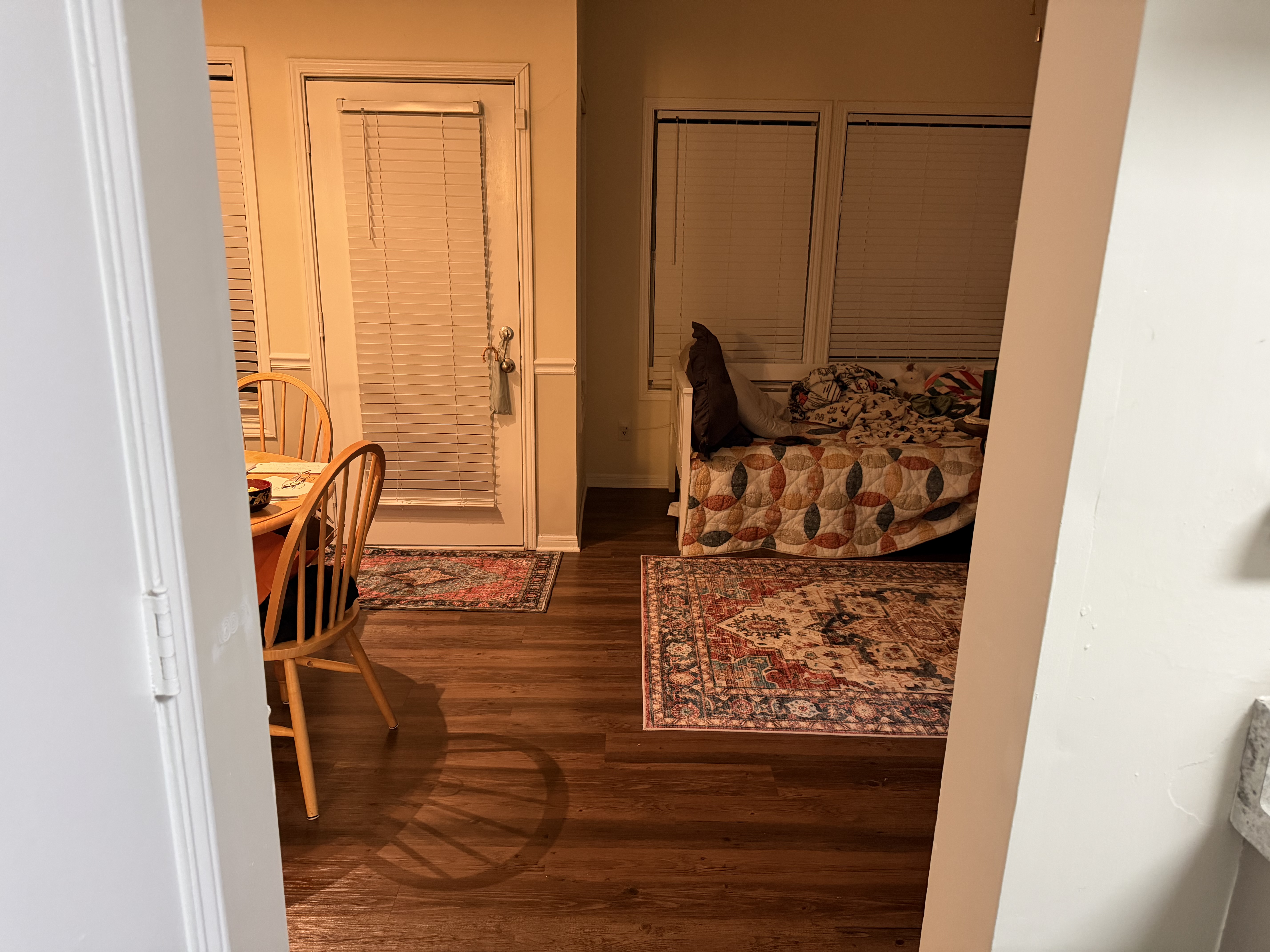
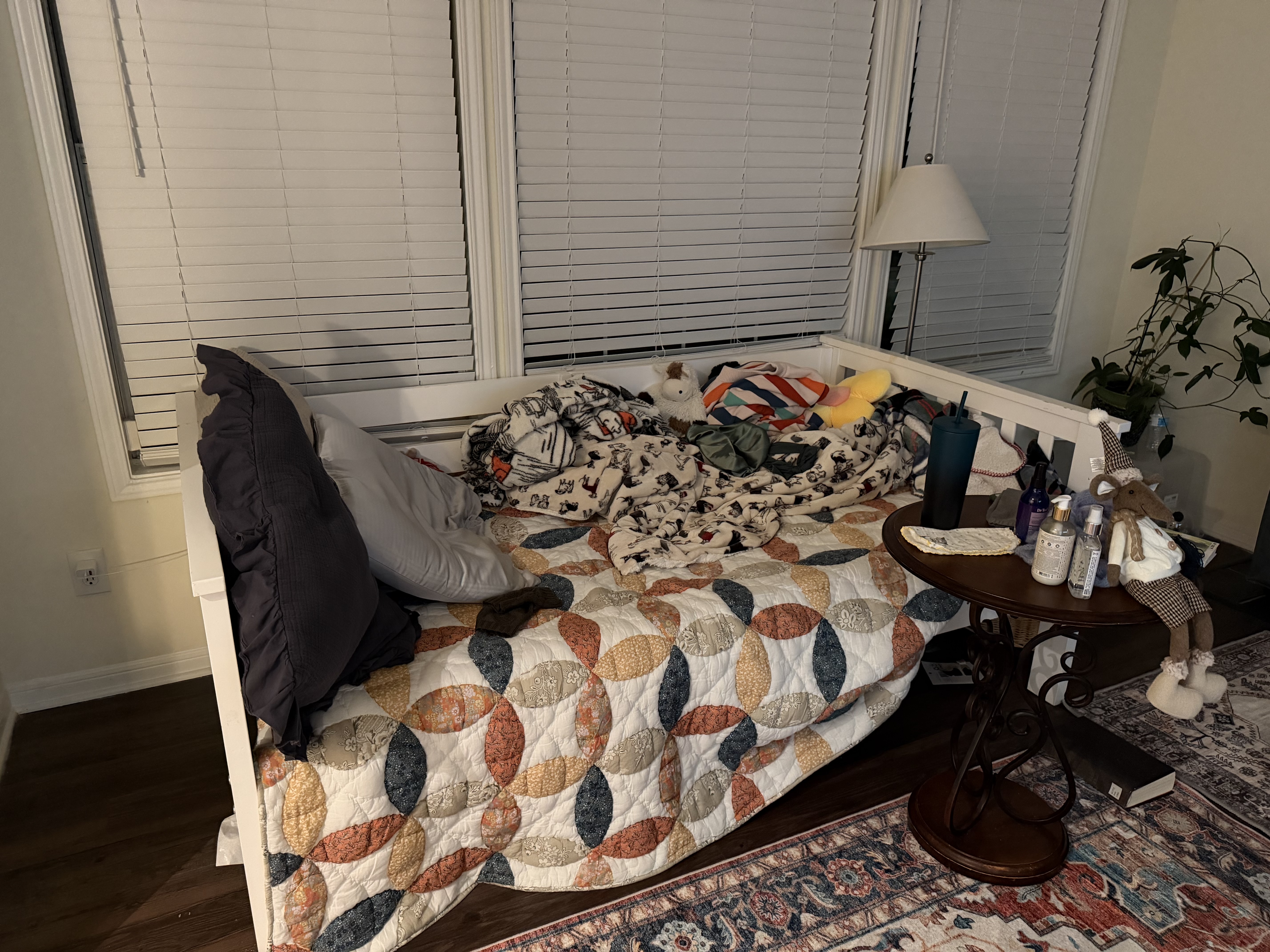
All photos used in this game are REAL photos that I took, aside from the fact that some are slightly edited (or heavily edited in the case of the stairwell images). The tutorial images were taken in my old apartment, and the game images were indeed taken in Tribble Hall, in the Spring of 2026. The images of the tunnels are also real, but I did not take them – they were available online.
Ambient Noise:
While most of the audio was taken from pixabay, the ambient noise in the Tribble Hall pages is REAL ambient noise from the Tribble Hall basement. While taking images in Tribble Hall late at night, the real ambient noise on its own was so unnerving that I decided to include it.
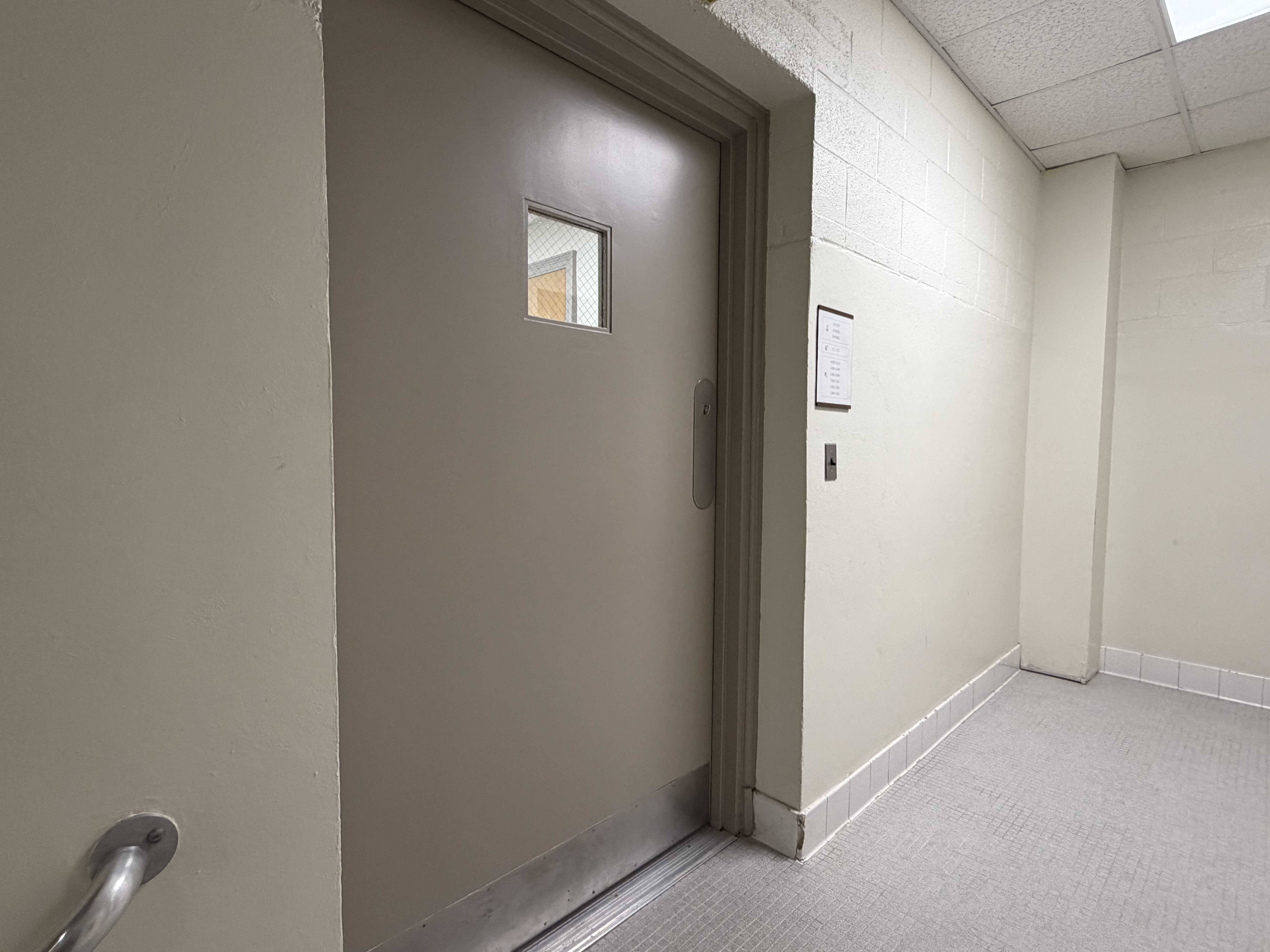
Additionally, the door opening and closing sound you hear as you interact with the door between the stairwell and the c-wing hall is also a recording of the sound that exact door makes.
Newspaper clippings and others:
The newspaper and reddit clippings in the classroom are real, which I found on the internet and are referenced in the sources page. Additionally, the nuclear apocalypse warning posted in the c-wing was also a real image.
Reference to hard candy as nuclear fallout rations:
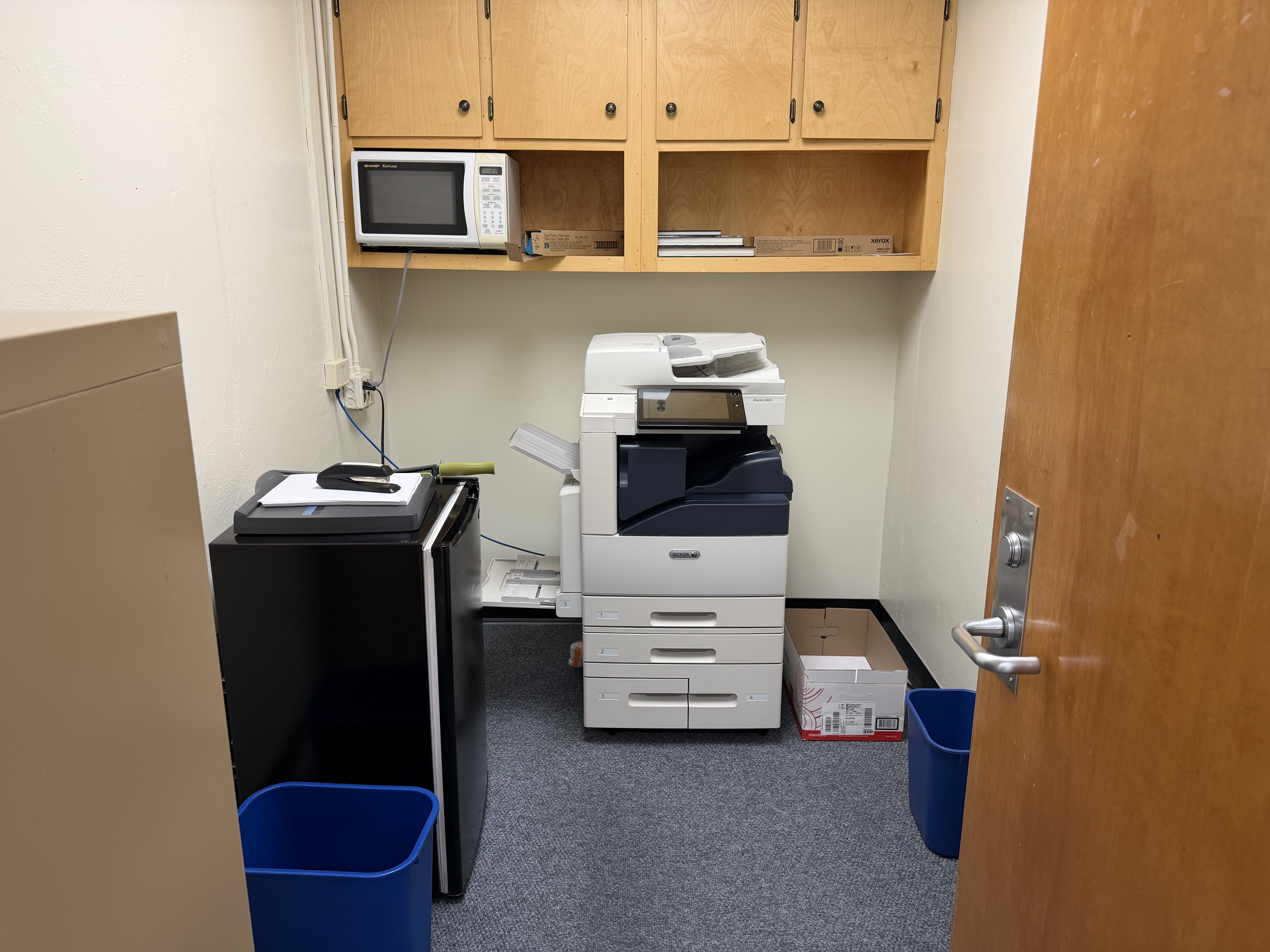
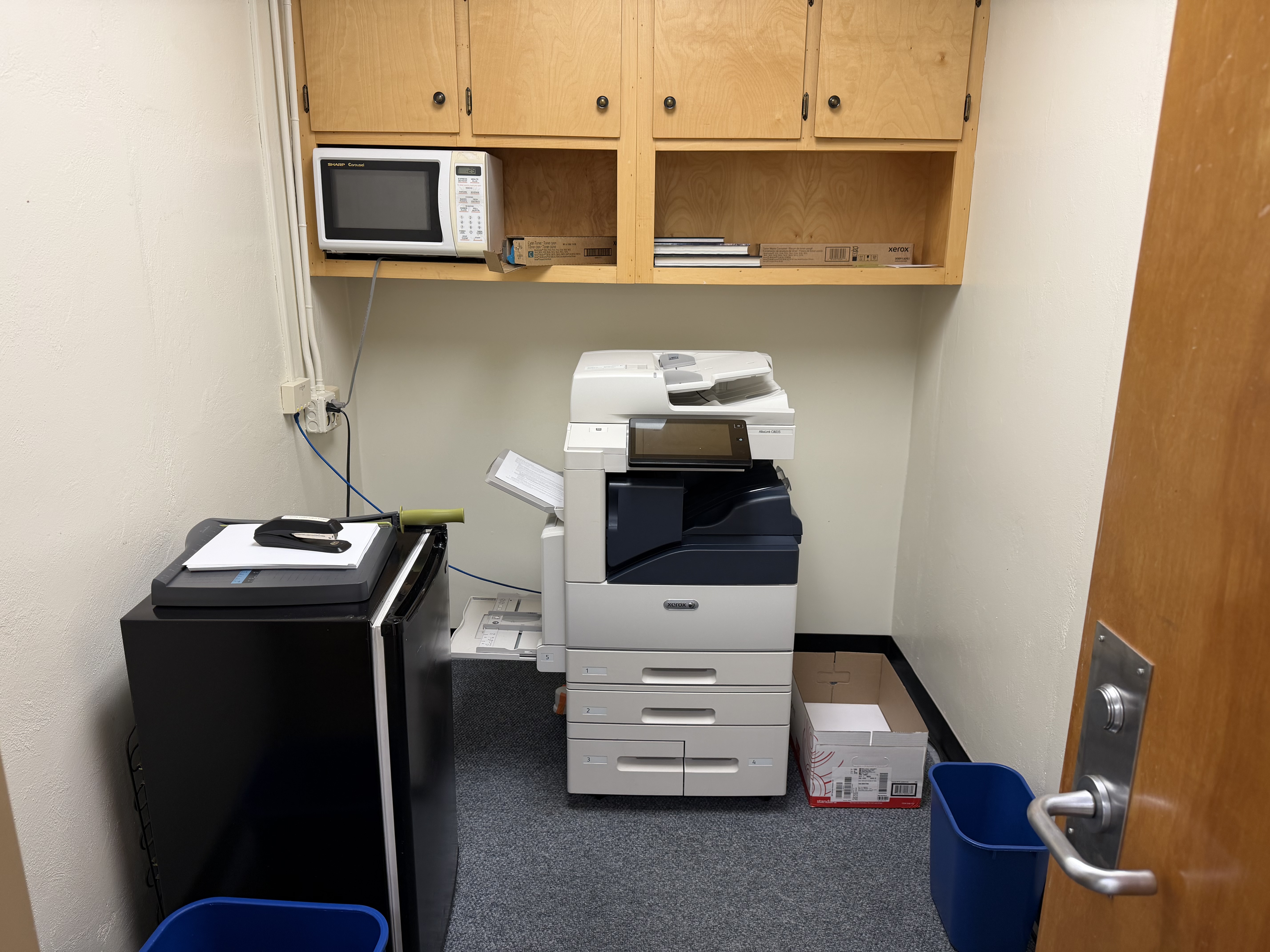
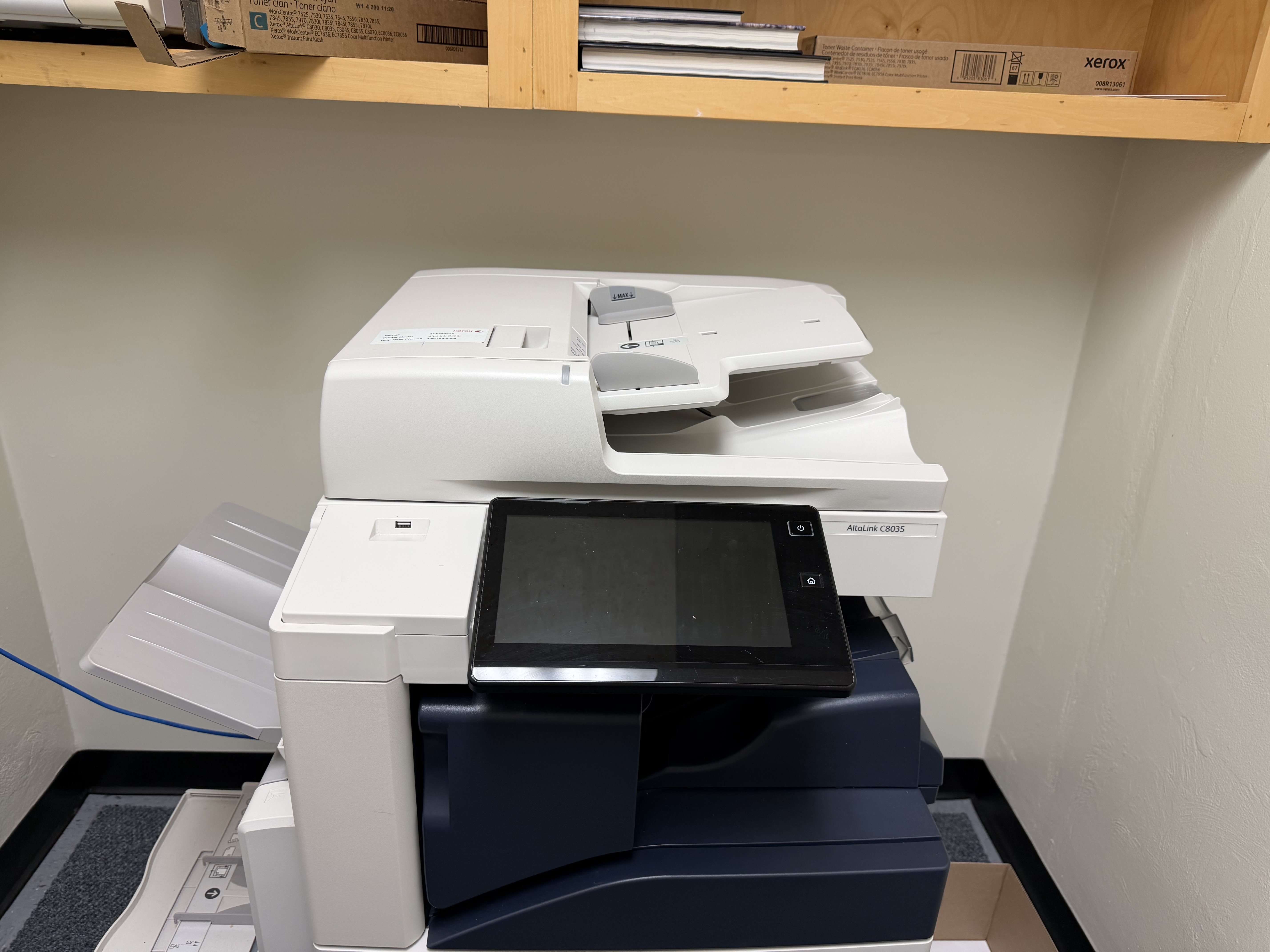
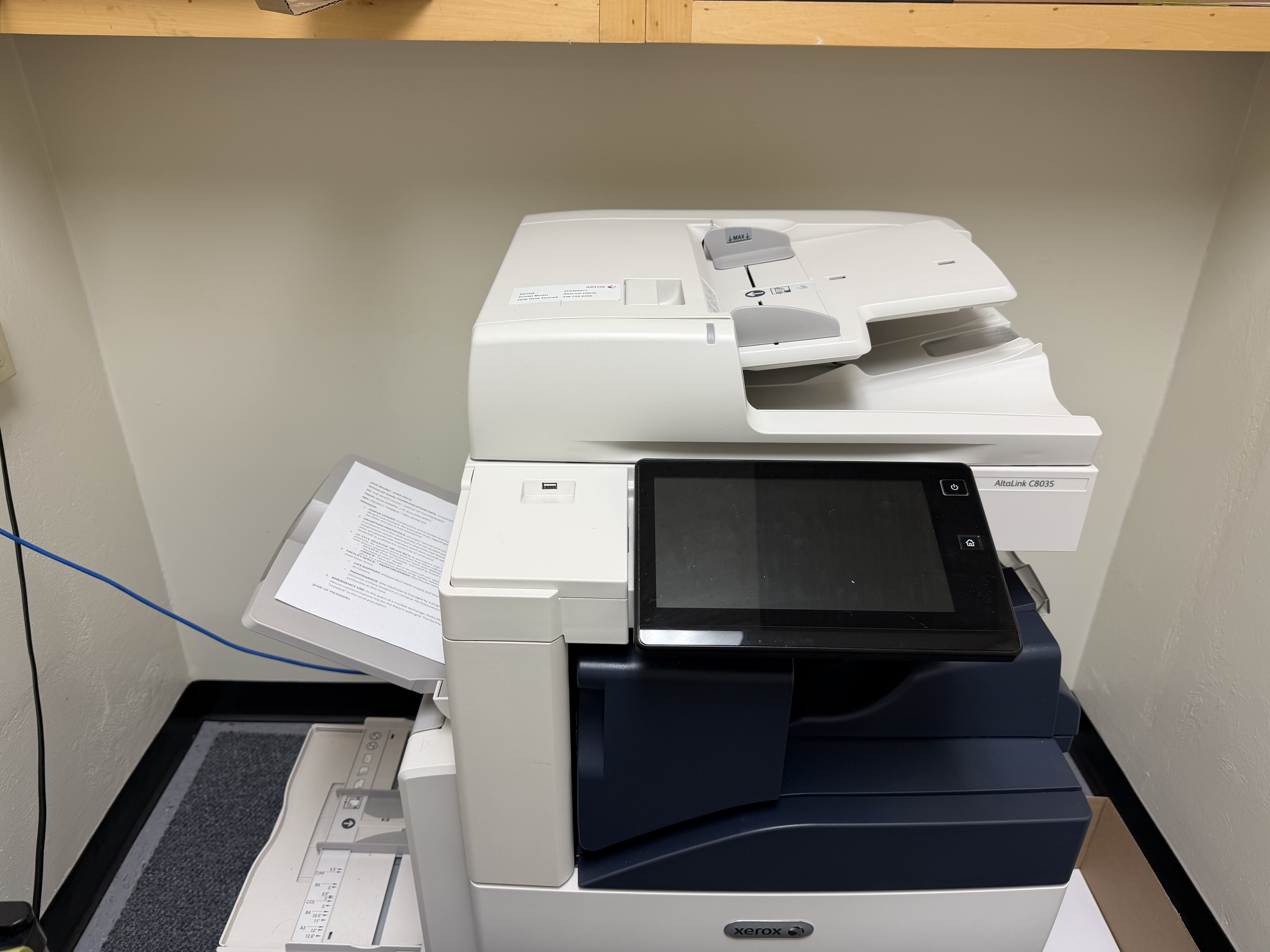
The fax in the print room is fake, for storyline purposes, but much of the information included was real. This includes the suggestion that public shelters were outfitted with nothing more than crackers and hard candy for food.
The source, Wake Forest Magazine’s 2014 post, “How to Survive a Nuclear War,” states: "Shelters were prepared in the basements of Reynolda Hall, Reynolds Gym, the Z. Smith Reynolds Library and five other buildings, and stocked with enough water, hard candy, tins of crackers and sanitation supplies to last for 48 hours, when radiation levels were expected to be at the highest."